Edenolide
A modern synthetic musk with a distinctive apple-pear fruitiness, Edenolide adds soft, powdery warmth to both feminine and masculine fragrance compositions.
Character
How it smells
The powdery apple musk modern perfumers reach for.
Edenolide's alternate name Applelide stems directly from its characteristic apple-like fruity Musk undertone.







Origin
United States
The rise of Edenolide reflects a broader shift in 20th century perfumery toward synthetic aroma chemicals. Natural musk faced mounting restrictions and supply concerns throughout the 1960s and 1970s, prompting flavor houses to develop safer, more sustainable alternatives. Edenolide emerged as one of several macrolide and polycyclic musk candidates designed to replicate the warmth of animalic musks without the ethical and regulatory baggage.
Its distinctive fruity character distinguishes it from competitors like Galaxolide, giving perfumers a new tool for modern fruity-musks. Today Edenolide appears in countless mass-market and niche fragrances seeking that signature powdery apple Musk signature.
Wears it best
Fragrances featuring Edenolide
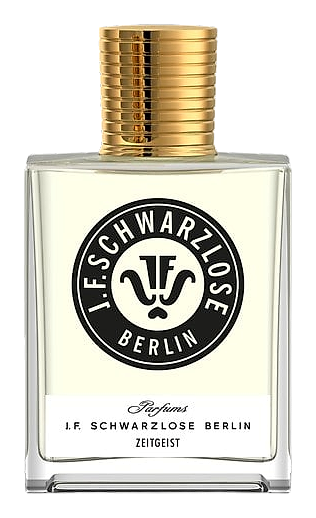
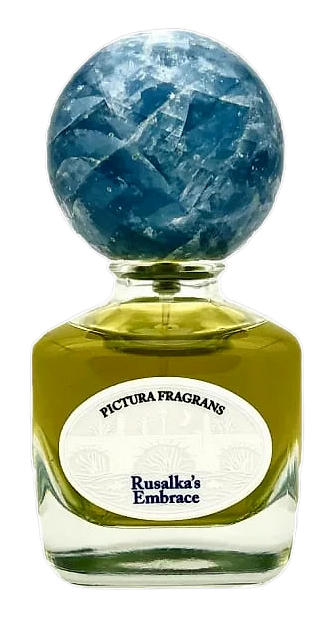
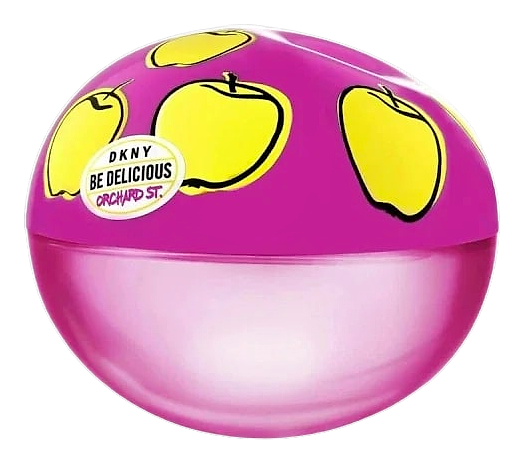
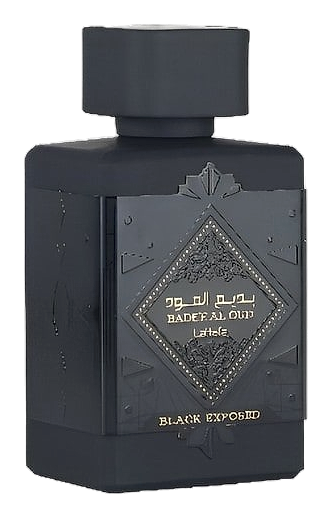

Brands
Brands known for Edenolide
Good to know
Questions, answered
The essentials on Edenolide in perfumery: how it smells, where it comes from, and how it behaves on skin.
What does Edenolide smell like?
Edenolide smells like a clean, powdery musk with a subtle apple or pear fruitiness. Many perfumers describe it as softer and fruitier than Helvetolide, with a gentle warmth that blends well with floral and woody components.
Is Edenolide a natural or synthetic ingredient?
Edenolide is entirely synthetic. It belongs to the polycyclic musk family and is produced through controlled organic synthesis from petroleum-derived precursors, not extracted from any plant or animal source.
What fragrances use Edenolide?
Edenolide appears in numerous commercial fragrances, particularly those marketed toward younger demographics. Its fruity-musky character makes it a staple in fresh, modern compositions where it often appears in the heart and base accord.
Does Edenolide perform well in different fragrance formats?
Edenolide performs reliably across fragrance formats including perfumes, body sprays, and laundry care products. Its moderate substantivity means it lingers on skin for several hours without overwhelming the composition.
What is the difference between Edenolide and Helvetolide?
Helvetolide offers cleaner, more radiant Musk with less fruitiness, while Edenolide brings a distinctly powdery, apple-like character. Some formulators prefer Edenolide for its warmer, softer effect in feminine fragrances.
Why is Edenolide hard to find for DIY perfumers?
Edenolide remains primarily a professional trade ingredient available mainly through flavor houses like IFF. Consumer-accessible channels stock it infrequently, making bulk sourcing difficult for independent formulators compared to common aromachemicals.
Can Edenolide replace natural musk in formulations?
Edenolide cannot fully replicate the complexity of natural musk, but it provides a clean, compliant Musk effect. Formulators often combine it with other musks like Iso E Super or Ambrettolide to build a more multidimensional base.
Does Edenolide have any environmental concerns?
Like most synthetic musks, Edenolide is not readily biodegradable. Wastewater treatment effectively reduces environmental concentrations, and the fragrance industry continues monitoring its ecological impact through ongoing safety assessments.