Dry Notes
Dry notes form the skeletal foundation of a fragrance, anchoring volatile top and heart notes with mineral warmth, powdery restraint, or smoky gravity that lingers long after the composition fades.
Character
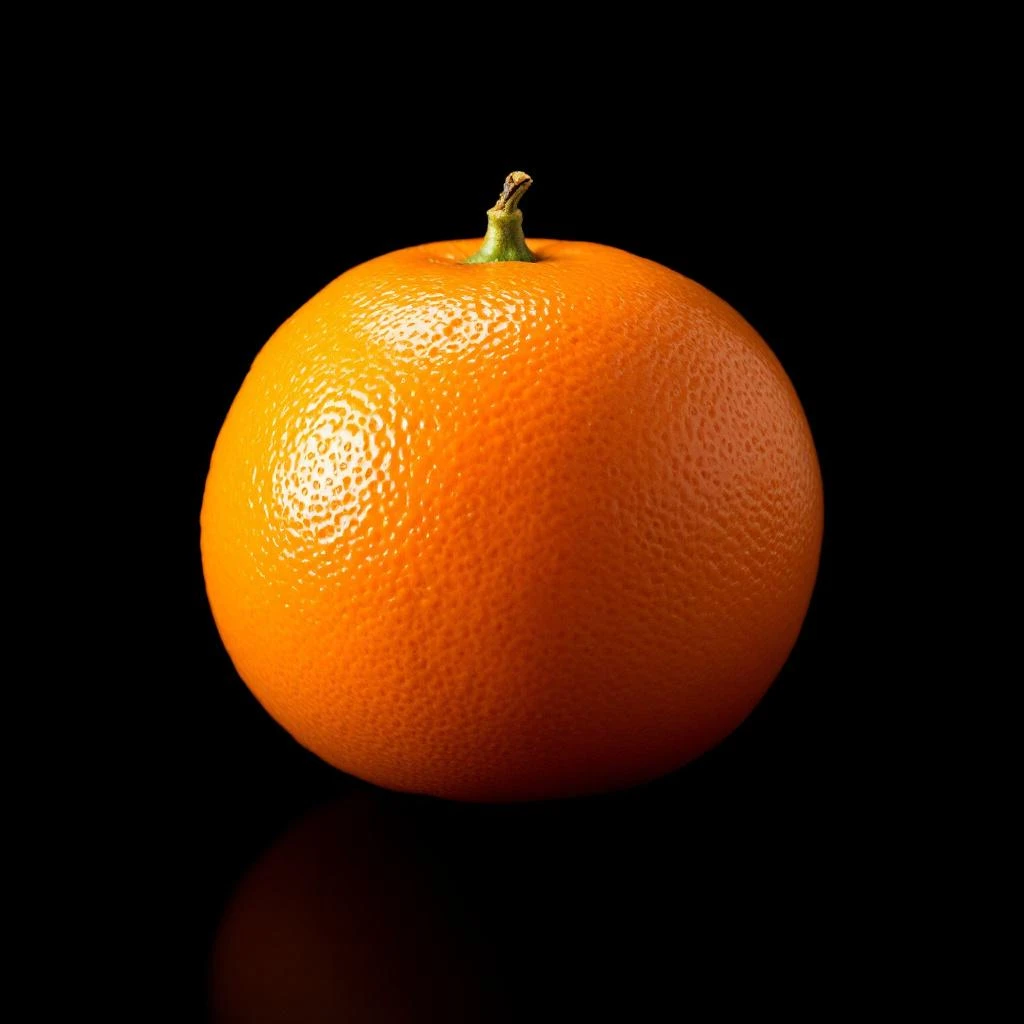
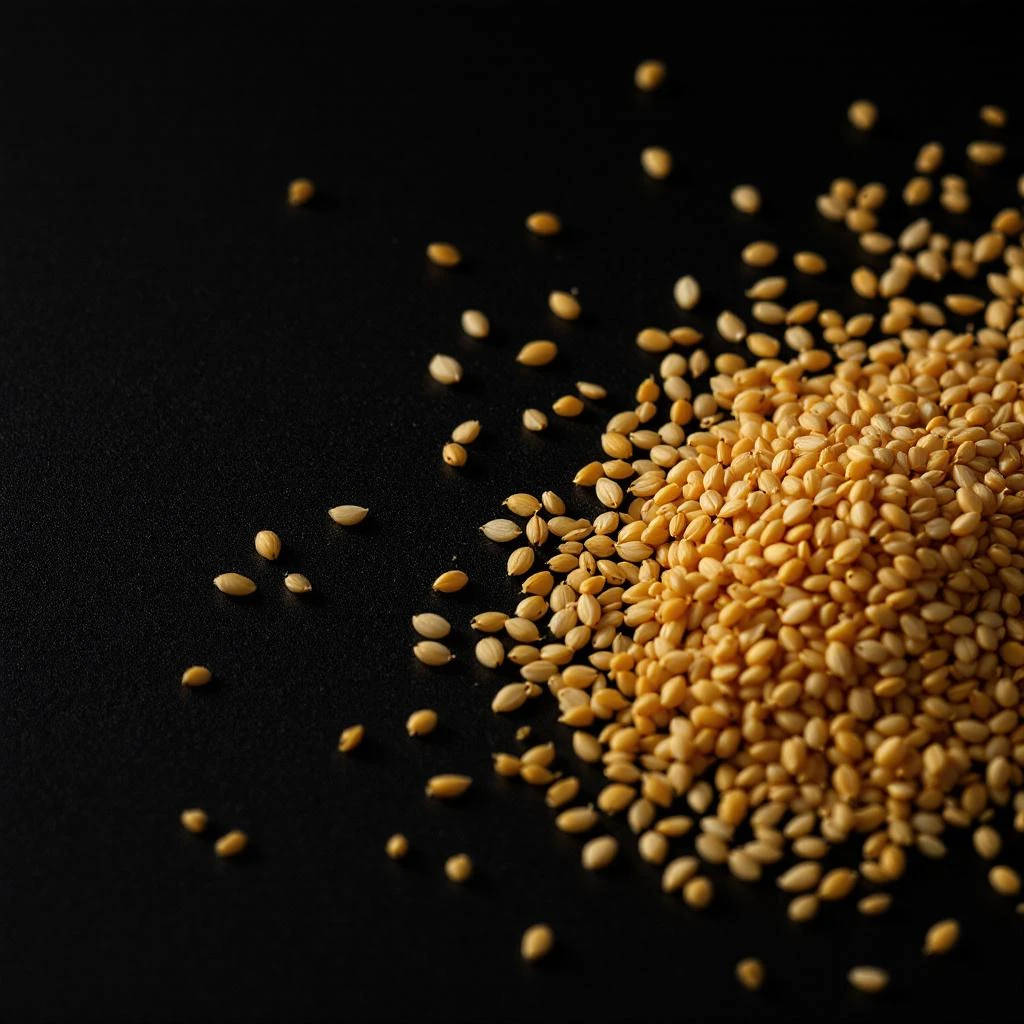
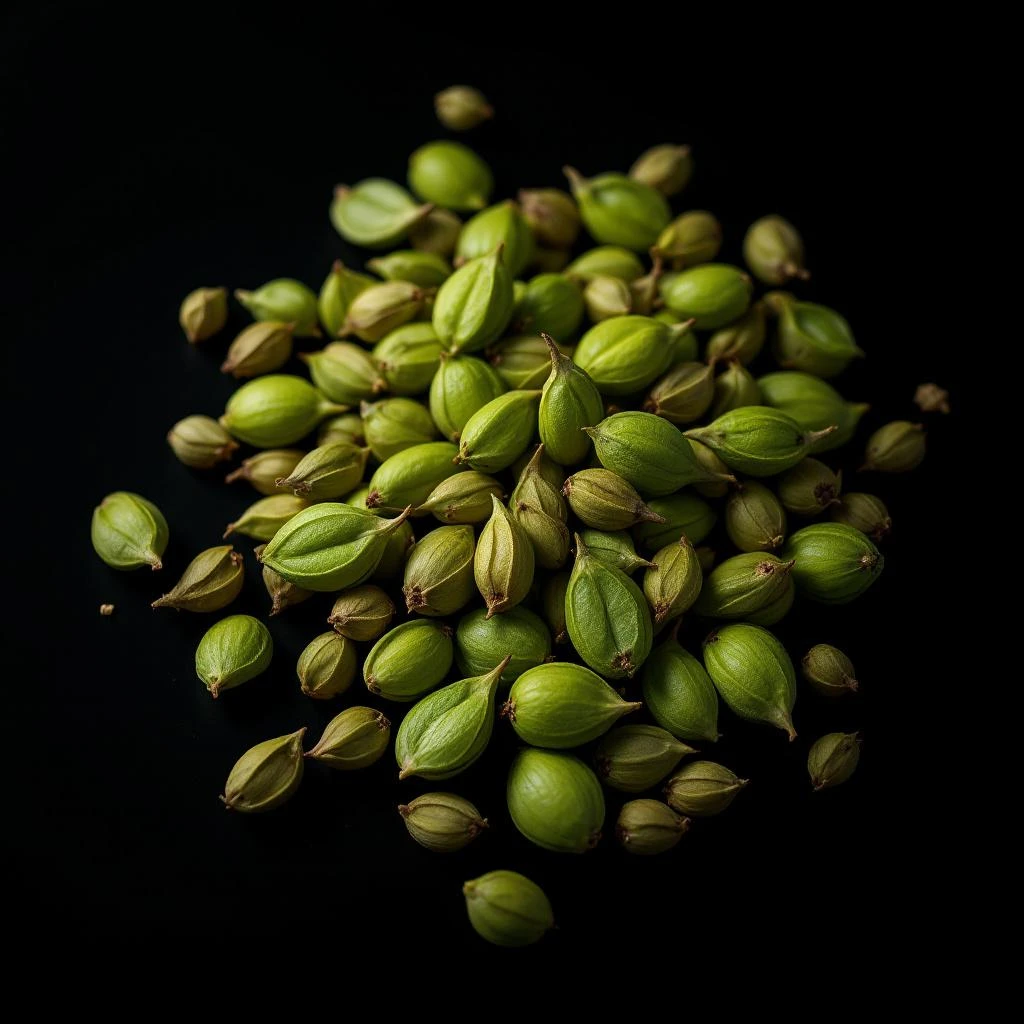
How it smells
The quiet architecture beneath every scent.
Chypre, meaning 'Cyprus' in French, owes its name to a dry, mossy accord popularized by a 1917 Coty fragrance.





Origin
France
The concept of dry notes predates modern perfumery, rooted in ancient practices of drying botanicals for incense and unguents. Mesopotamian and Egyptian perfumers burned resins like labdanum and frankincense to produce arid, smoky atmospheres in ritual spaces.
By the Middle Ages, dried herbs such as sage, thyme, and lavender formed the base of European medicinal pomanders designed to ward off plague. The 19th century changed everything: coumarin, isolated from tonka beans in 1820, and vanillin, synthesized commercially in 1874, introduced perfumers to a new category of warm, powdery dryness divorced from plant matter itself.
François Coty's 1917 Chypre crystallized these elements into a formal accord built on oakmoss, patchouli, and bergamot. By the mid-20th century, dry notes had become synonymous with sophistication, shaping the leather-and-tobacco chypres of the 1940s and the woody orientals that followed.
Wears it best
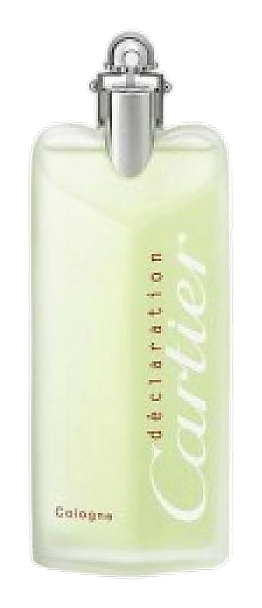
Fragrances featuring Dry Notes
Brands
Brands known for Dry Notes
Good to know
Questions, answered
The essentials on Dry Notes in perfumery: how it smells, where it comes from, and how it behaves on skin.
What are dry notes in perfumery?
Dry notes are base materials that produce arid, powdery, or woody impressions such as oakmoss, vetiver, and tobacco absolute. They typically constitute 2 to 5% of a modern fine fragrance formula, providing longevity and gravitational structure to lighter top notes.
Are dry notes natural or synthetic?
Both. Traditional dry materials like vetiver root and oakmoss are steam-distilled from plants, while molecules like Iso E Super, introduced by IFF in 1973, offer woody dryness through laboratory synthesis. Most contemporary perfumes blend both categories.
What is the difference between dry notes and base notes?
All dry notes are base notes, but not all base notes are dry. Base notes include sweet resins like benzoin and creamy sandalwood, whereas dry notes specifically contribute mineral, powdery, or smoky character without sweetness.
Which famous perfume popularized dry notes?
Coty Chypre, launched in 1917, established the modern dry accord by combining oakmoss, patchouli, and bergamot. Its structural formula influenced nearly every chypre fragrance produced throughout the 20th century.
How long do dry notes last on skin?
Dry notes typically persist 8 to 12 hours, depending on concentration and skin chemistry. Fixatives like ambroxan can extend dry base perception beyond 18 hours in extrait de parfum formulations.
Are oakmoss dry notes restricted by regulation?
Yes. IFRA restrictions implemented in 2019 limit oakmoss extract to 0.1% in finished products due to sensitization concerns. This prompted widespread reformulation across the chypre and fougère categories.
What scent family relies most on dry notes?
Chypre fragrances depend almost entirely on dry materials, with oakmoss, patchouli, and labdanum forming the structural triangle. Leather fragrances, including the classic Cuir de Russie style, similarly rely on dry birch tar and tobacco.
Can dry notes smell different on different people?
Absolutely. Dry materials interact with individual skin chemistry and humidity levels, often amplifying on oily skin and softening on dry skin. Vetiver, for instance, can read smoky on one wearer and earthy-sweet on another.