Dried Wild Flowers
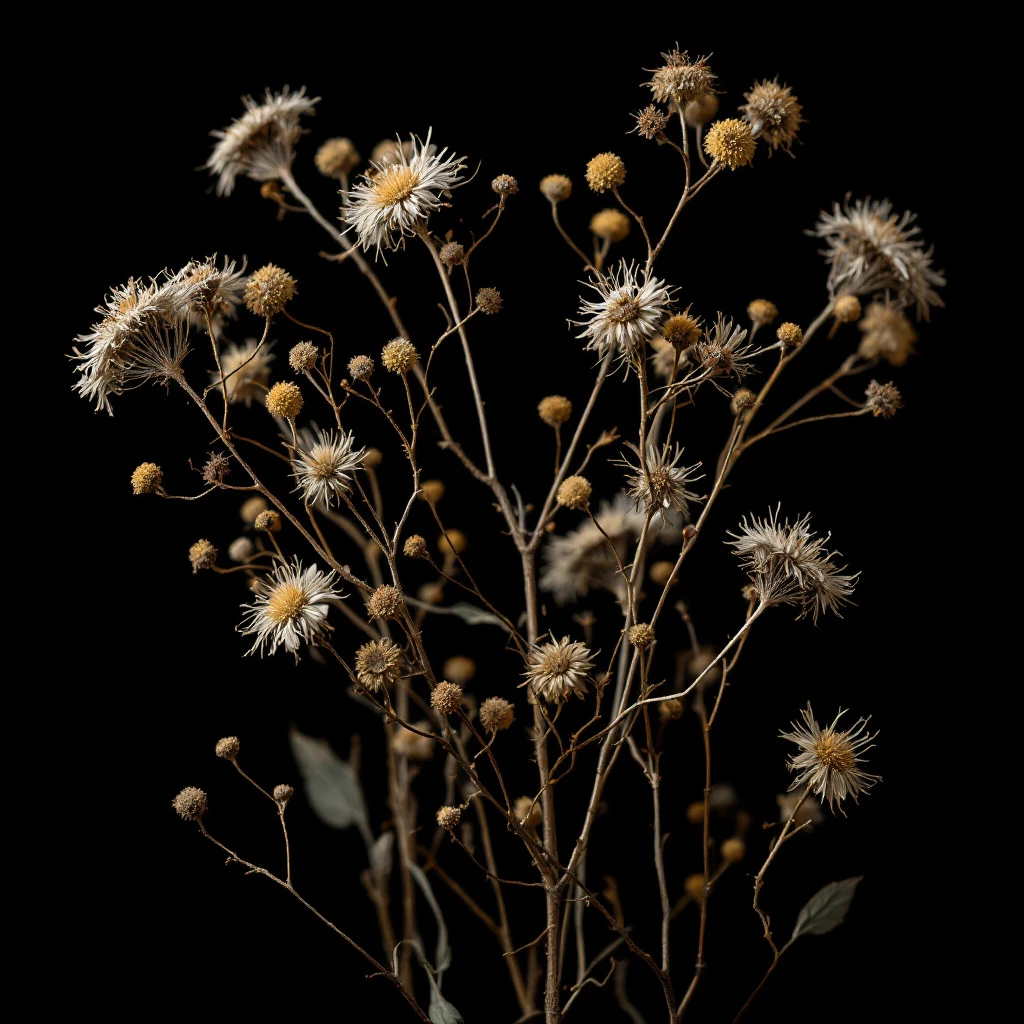
Dried wild flowers capture the untamed essence of meadows and hillsides. This category spans dozens of species—from lavender fields to chamomile meadows—each bringing a unique aromatic fingerprint to perfumery. The drying process concentrates volatile compounds, creating warm, hay-like undertones that add rustic depth to compositions.
Character
How it smells
Nature's aromatic archive
Ancient Egyptians stored dried flowers in tombs not just for beauty, but because the desiccation process preserves aromatic compounds for centuries.


Origin
France
Wild flowers have been aromatic staples since antiquity. Ancient Egyptian embalmers used dried chamomile and lavender in burial preparations, recognizing that dried material retained fragrance longer than fresh in their arid climate.
Medieval European monasteries maintained wildflower gardens for liturgical incense and medicinal preparations, codifying harvest timing and drying methods that influenced perfumery practices. The 19th century industrial revolution shifted attention toward cultivated varieties optimized for yield, yet certain perfume houses maintained relationships with rural harvesters who understood wild ecosystems.
Grasse, the French perfumery center, sourced dried flowers from the surrounding Provence plateau through networks established in the 1700s. Contemporary natural perfumers revive these sourcing traditions, working directly with wild harvesters in the Balkans, Anatolia, and Mediterranean margins where traditional ecological knowledge guides sustainable collection.
Wears it best
Fragrances featuring Dried Wild Flowers

Brands
Brands known for Dried Wild Flowers
Good to know
Questions, answered
The essentials on Dried Wild Flowers in perfumery: how it smells, where it comes from, and how it behaves on skin.
How do dried wild flowers differ from fresh in perfumery?
Drying removes moisture, concentrating aromatic compounds into a smaller mass. The resulting scent profile shifts toward warm, hay-like, and herbaceous notes rather than bright green freshness.
Which wild flower species are commonly used?
Lavender, chamomile, elderflower, yarrow, and wild rose appear most frequently in commercial perfumery. Regional availability determines what harvesters collect.
How long does the drying process take?
Proper air drying requires 5 to 10 days in controlled conditions. Rushing the process using heat damages fragile aromatic molecules and reduces final quality.
Can I make fragrance with dried flowers at home?
Yes. Place dried flowers in a jar and cover with a carrier oil like jojoba. Seal and store in a warm place for 2 to 4 weeks, shaking daily. Strain and use the infused oil.
Does the scent intensity increase after drying?
By weight, yes. Removing water concentrates aromatic compounds. However, the total volume of usable material decreases, so more flowers are needed per batch.
How long does dried wild flower material last in storage?
Properly sealed in darkness below 20°C, dried material retains viability for 12 to 24 months. Heat and light accelerate degradation of volatile compounds.
Are dried wild flowers considered natural in perfumery?
Yes. The drying process is physical, not chemical. No synthetic compounds are introduced unless the material is later combined with synthetics in a formula.
What extraction method preserves the most complexity?
Solvent extraction yields absolutes containing the widest range of aromatic molecules. Steam-distilled essential oils capture lighter volatiles but miss heavier compounds.





