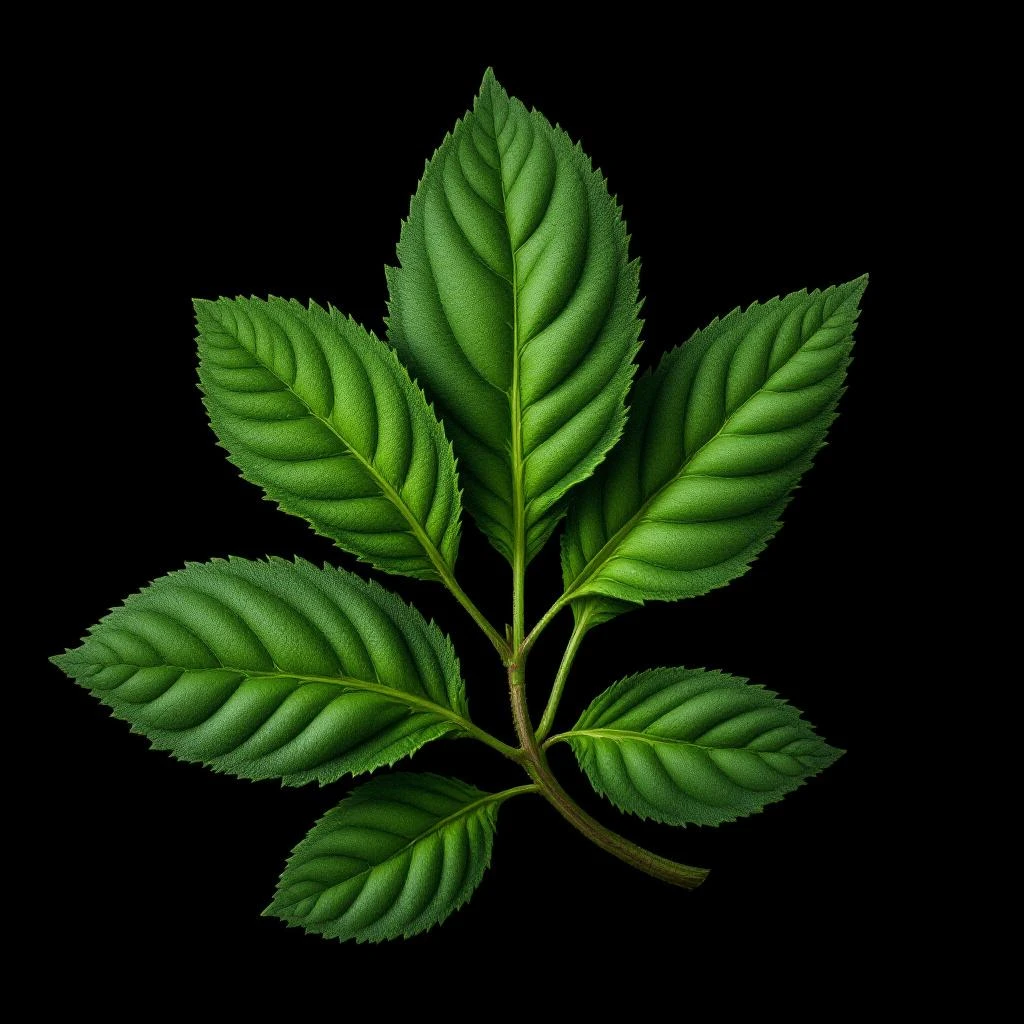
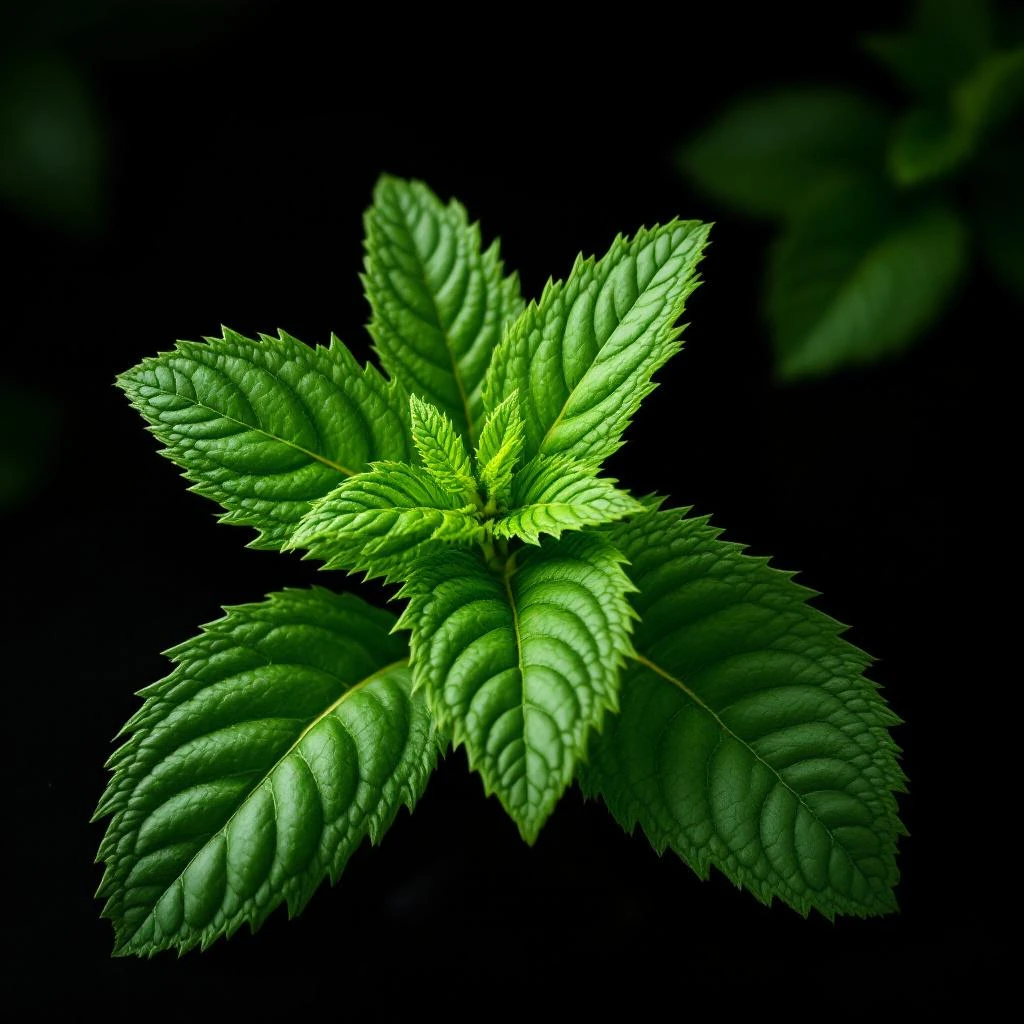
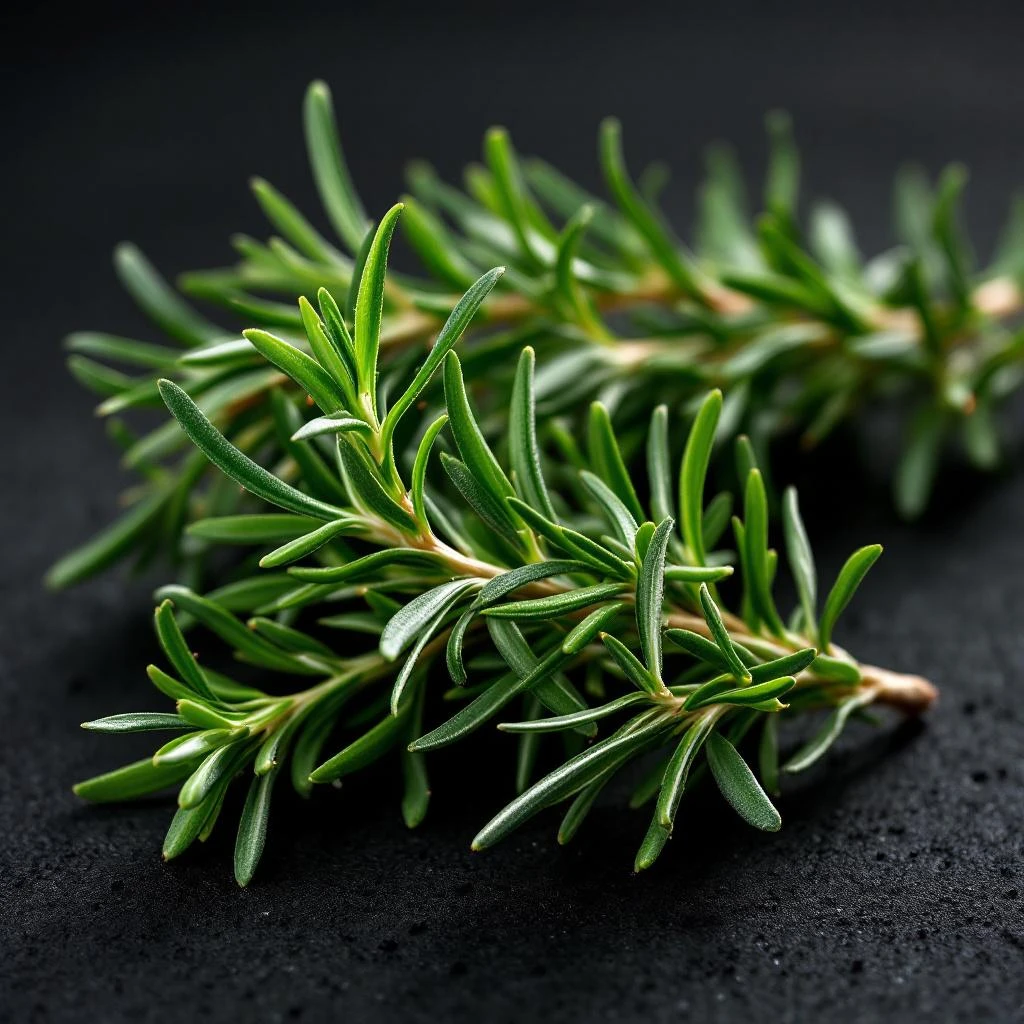
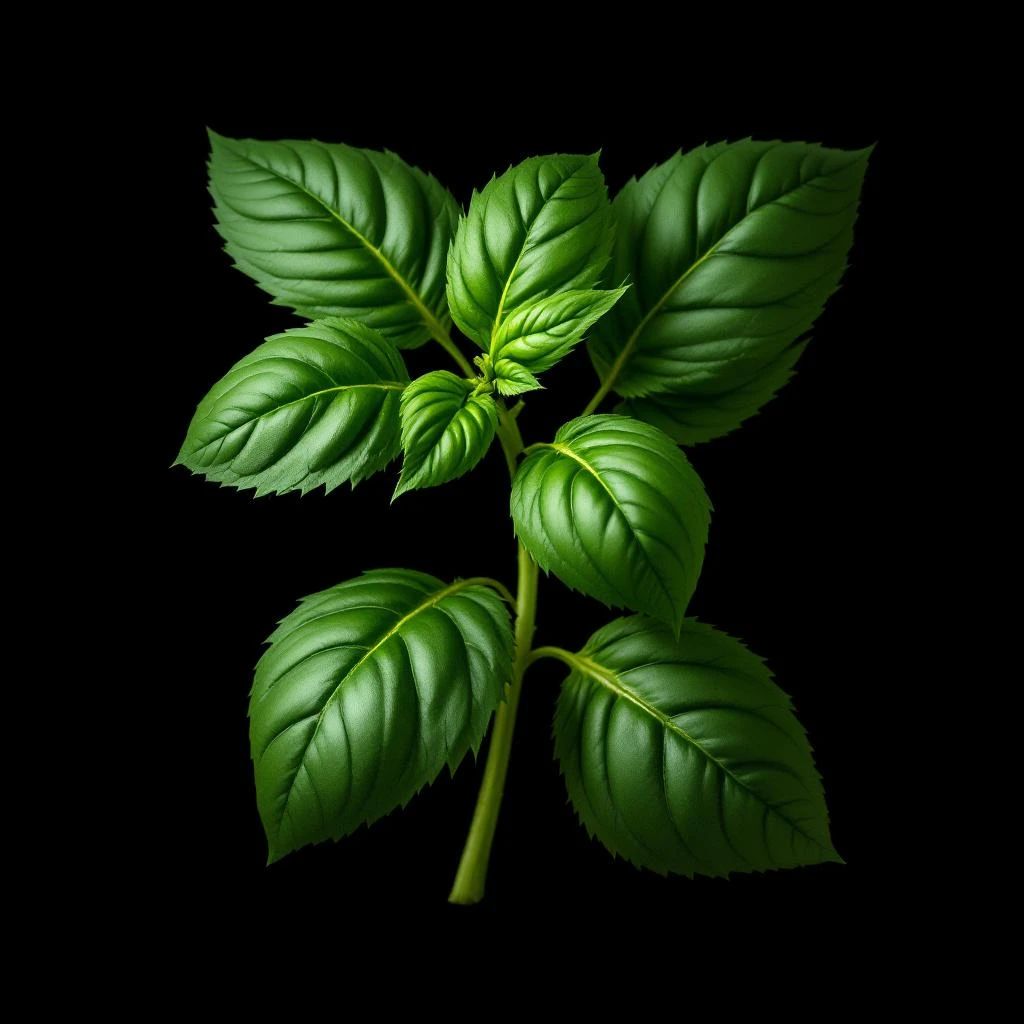
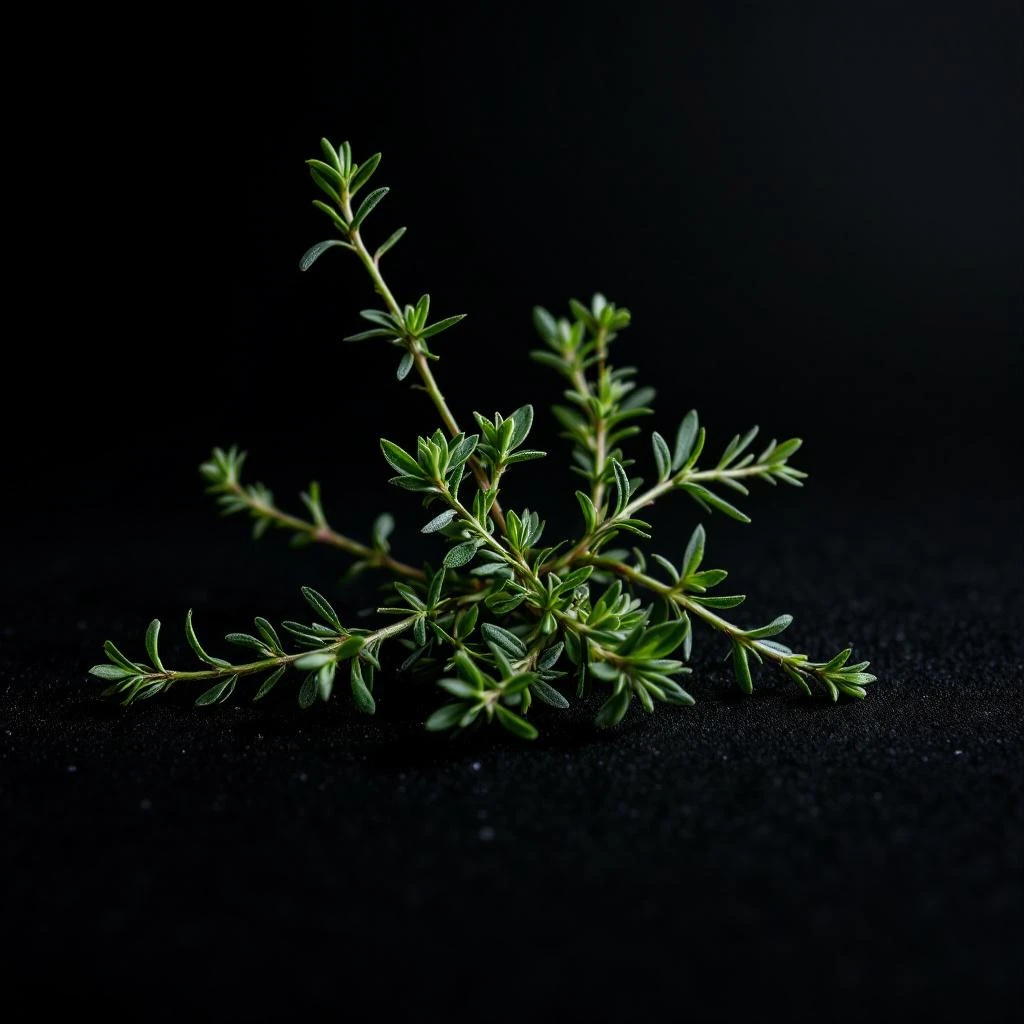
Dried Herbs
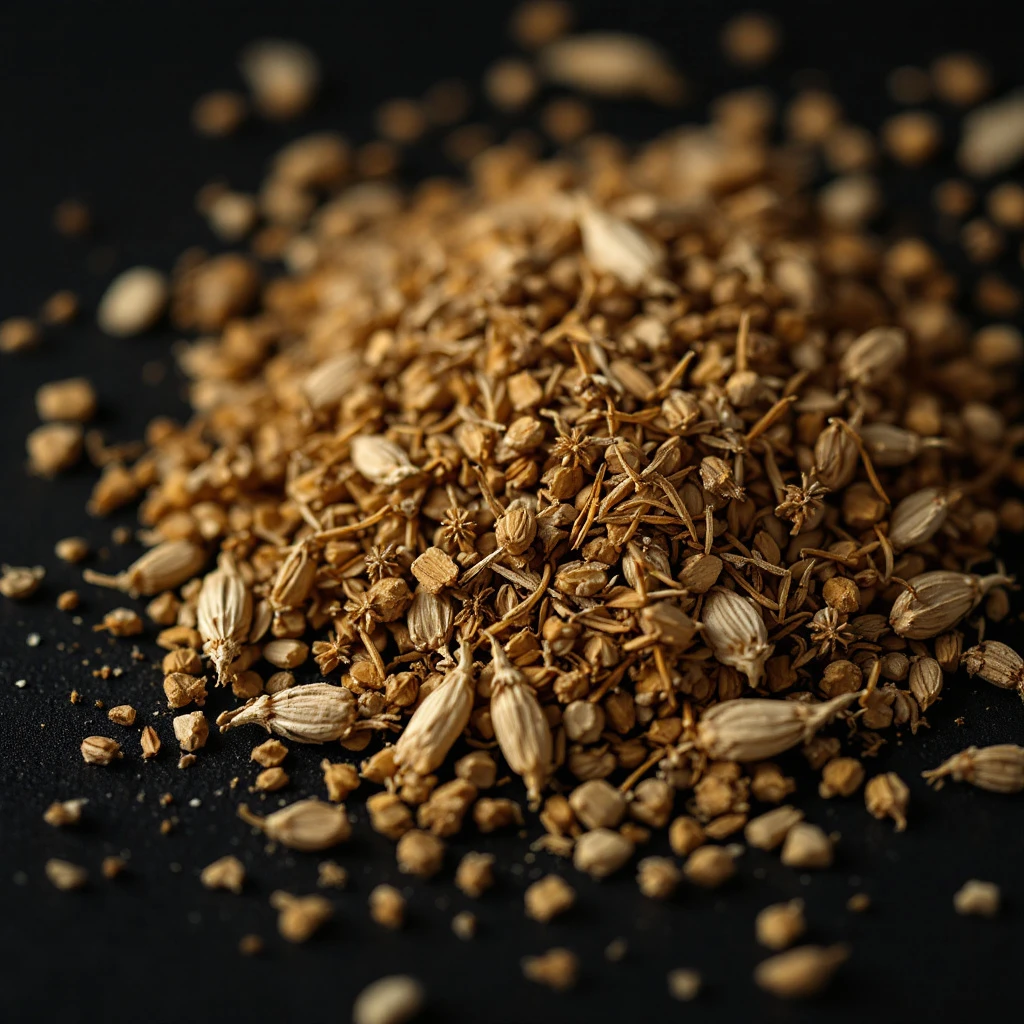
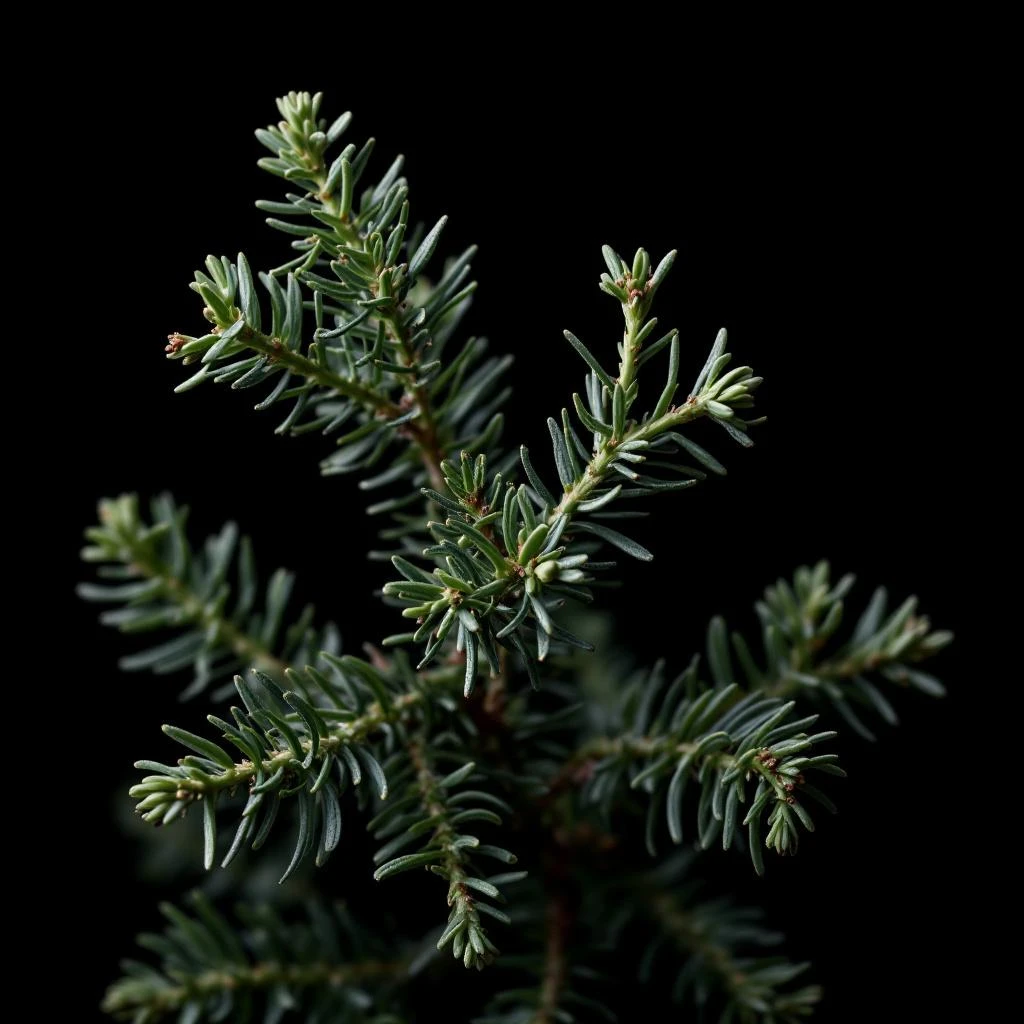
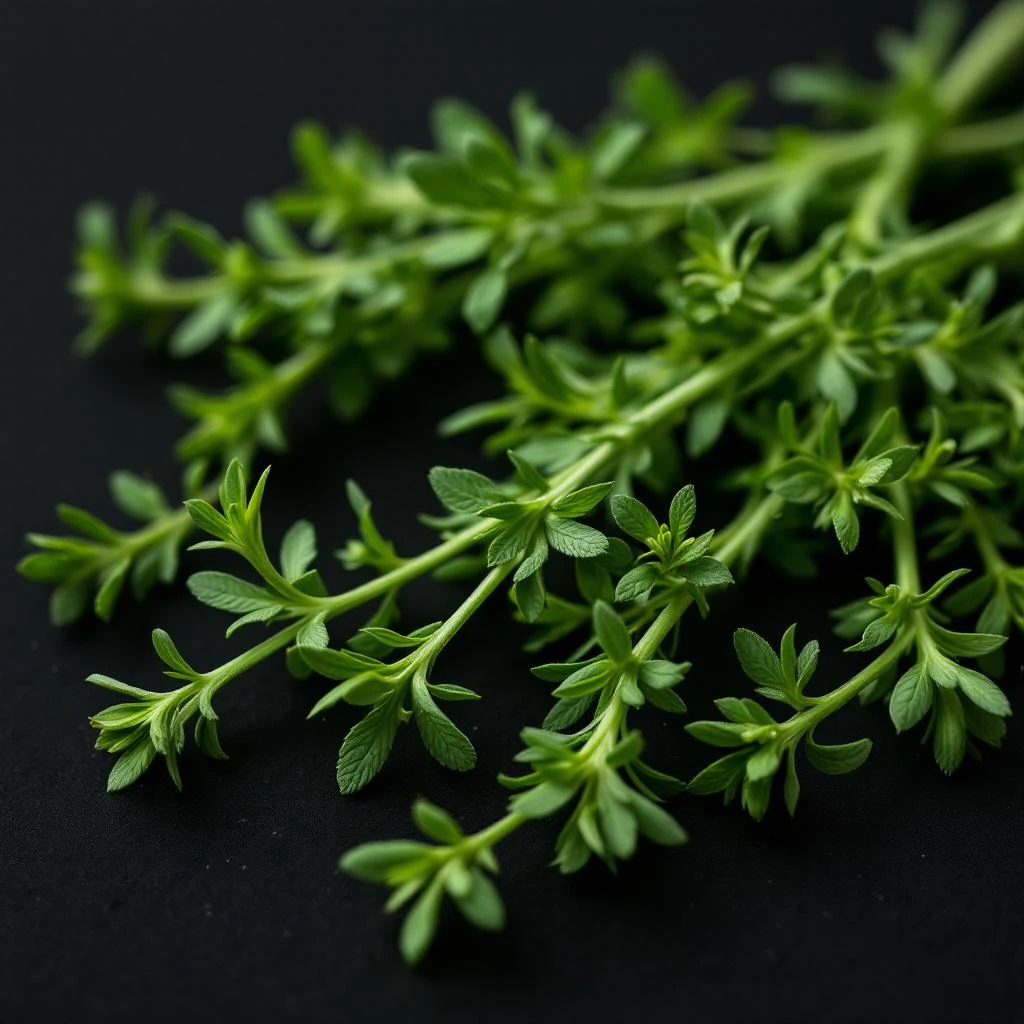
Dried herbs bring an earthy, grounding character to fragrance. The drying process concentrates aromatic compounds, creating warm, aromatic effects that connect modern perfumery to ancient botanical traditions.
Character
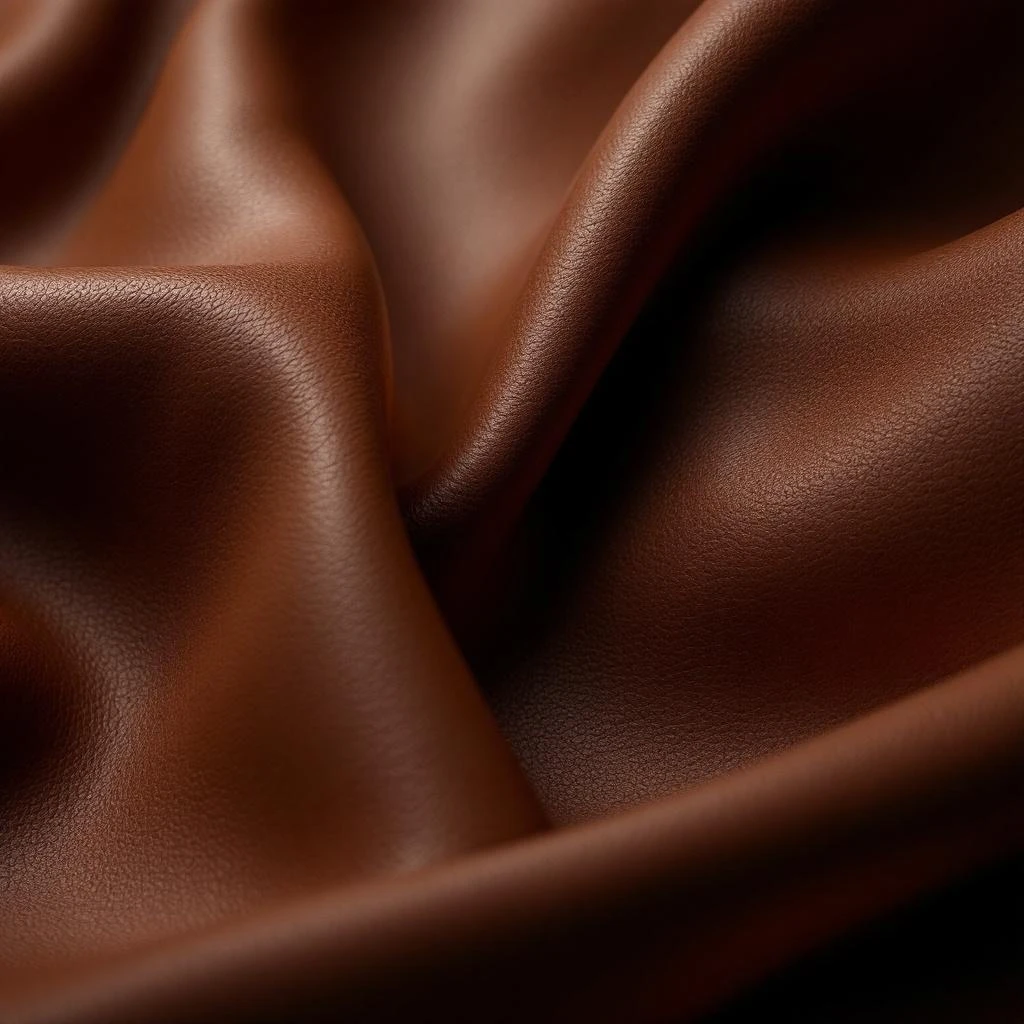
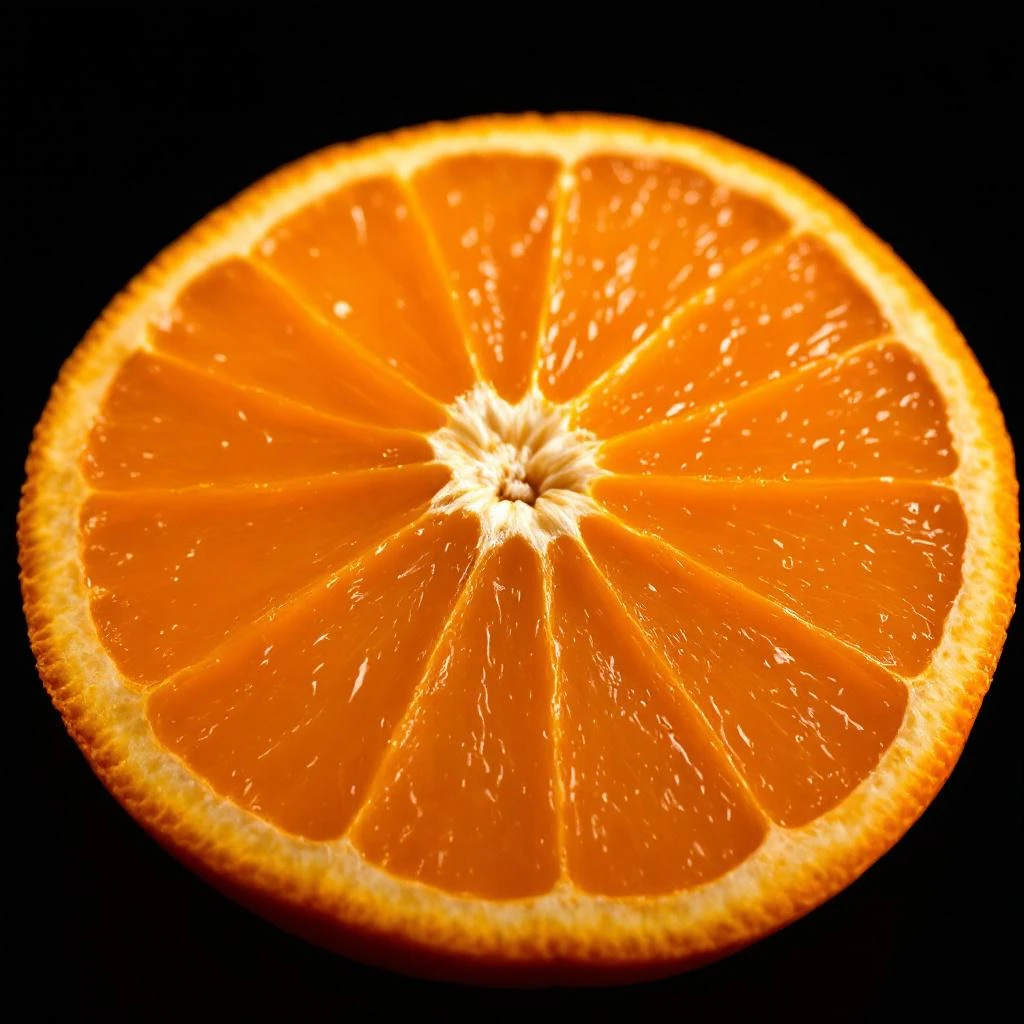
How it smells
Earth, warmth, and the soul of the plant captured.
The ancient Mesopotamians burned dried herbs as incense nearly 4,000 years ago, marking one of humanity's first uses of fragrance.

Origin
Morocco
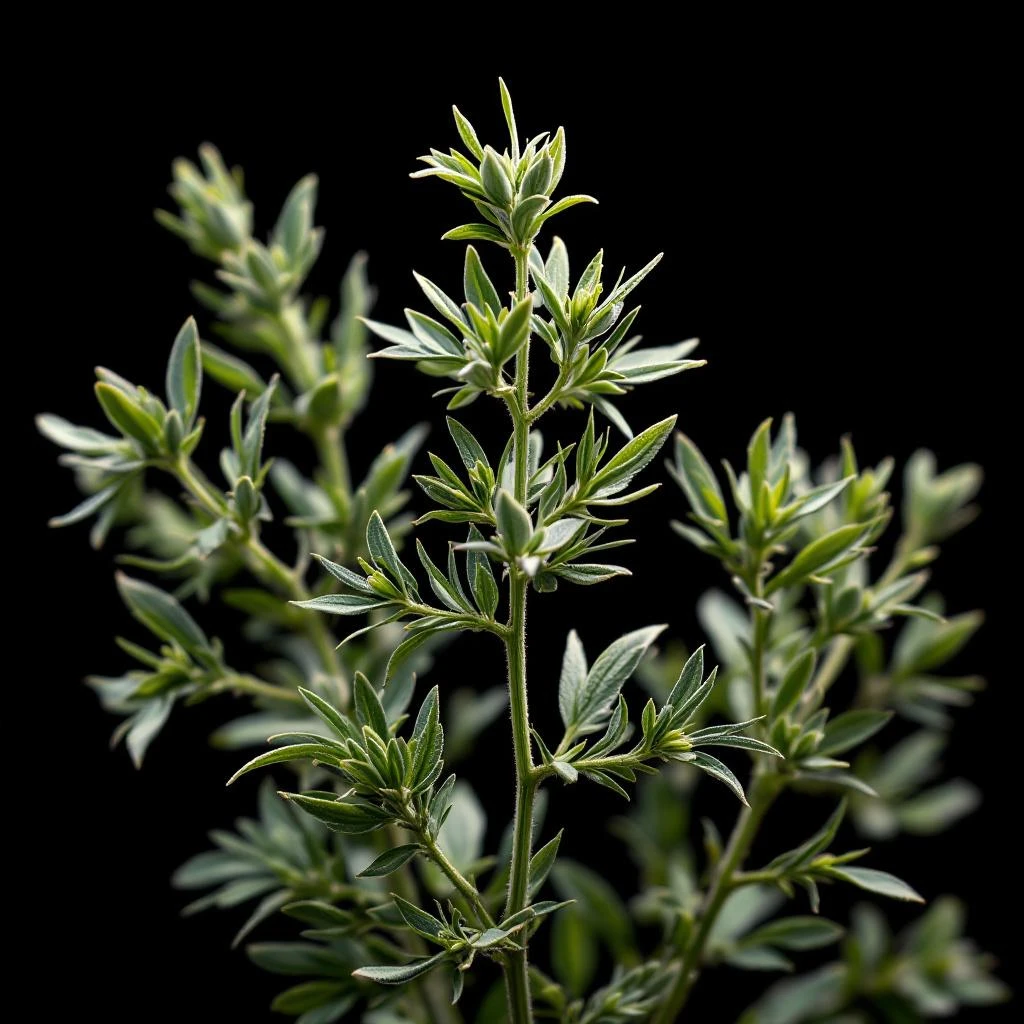
Dried herbs rank among humanity's oldest fragrance materials. Ancient Mesopotamians and Egyptians burned botanical bundles as incense in religious rituals around 4,000 years ago. Arabian physicians of the 12th century refined distillation techniques that made herb essences more accessible.
Victorian-era Europeans elevated dried herbs to decorative art, filling porcelain pomanders with curated botanical blends for domestic scenting. Mediterranean cultures embedded herbal traditions into daily life, medicine, and spiritual practice for millennia, establishing the aromatic vocabulary still used in perfumery today.
Wears it best
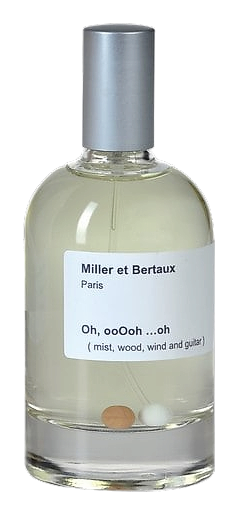
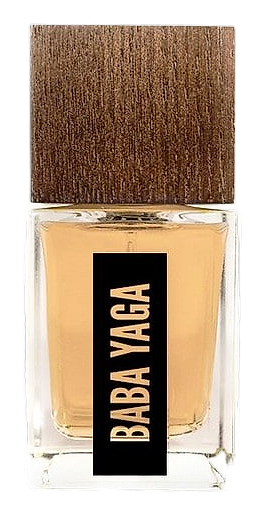
Fragrances featuring Dried Herbs
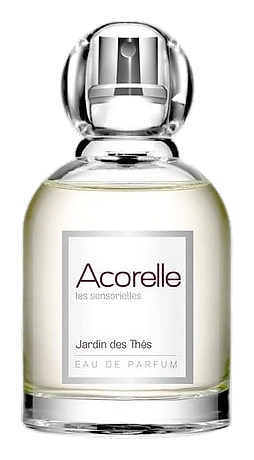
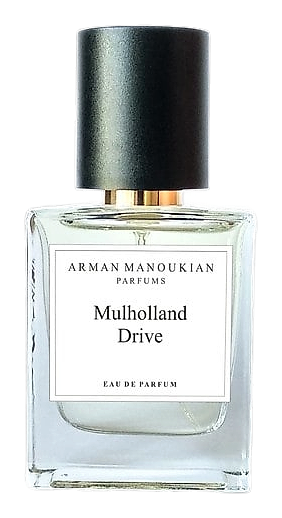
Brands
Brands known for Dried Herbs
Good to know
Questions, answered
The essentials on Dried Herbs in perfumery: how it smells, where it comes from, and how it behaves on skin.
How is dried herbs note produced for perfumery?
Fresh herbs are dried to remove moisture, which concentrates aromatic compounds. Steam distillation then extracts the essential oils from dried plant material. The resulting oil carries the concentrated, warm, aromatic character used in fragrance compositions.
What makes dried herbs unique compared to fresh herbs?
Drying transforms fresh herbs by reducing water content and shifting chemical balances. Some volatile compounds concentrate while new aromatic nuances emerge from oxidation. This creates a deeper, more complex character than fresh plant material provides.
What is the difference between dried herbs and essential oils?
Dried herbs are processed plant material with a full aromatic profile. Essential oils are highly concentrated extracts typically obtained through steam distillation. Dried herbs offer a broader, more nuanced character compared to isolated essential oils.
Which fragrance families pair well with dried herbs?
Dried herbs complement woody, aromatic, fougere, and chypre families. They ground citrus brightness, deepen spicy warmth, and add structure to floral compositions. Common pairings include rosemary with bergamot, lavender with sandalwood, and sage with amber.
How long do dried herbs last in a fragrance formula?
Dried herbs typically last 4-8 hours on skin, depending on concentration and formulation. They function as heart-to-base transition notes, adding herbal character that evolves over the wear period alongside lingering base materials.
Where do dried herbs for perfumery originate?
Mediterranean climates produce the finest perfumery herbs, including French lavender, Moroccan rosemary, and Greek sage. Soil composition, altitude, and harvest timing all influence the aromatic quality of dried herbs used in fine fragrance.
What role do dried herbs play in modern perfumery?
Modern perfumers value dried herbs for their natural, grounded character and historical resonance. They add authenticity to botanical fragrances and create bridges between natural and synthetic materials in contemporary compositions.
Why do perfumers choose dried herbs over fresh herbal materials?
Dried herbs offer consistency, concentration, and a broader aromatic spectrum than fresh materials. The drying process intensifies certain compounds, creating depth and complexity that fresh herbs alone cannot achieve in a fragrance formula.