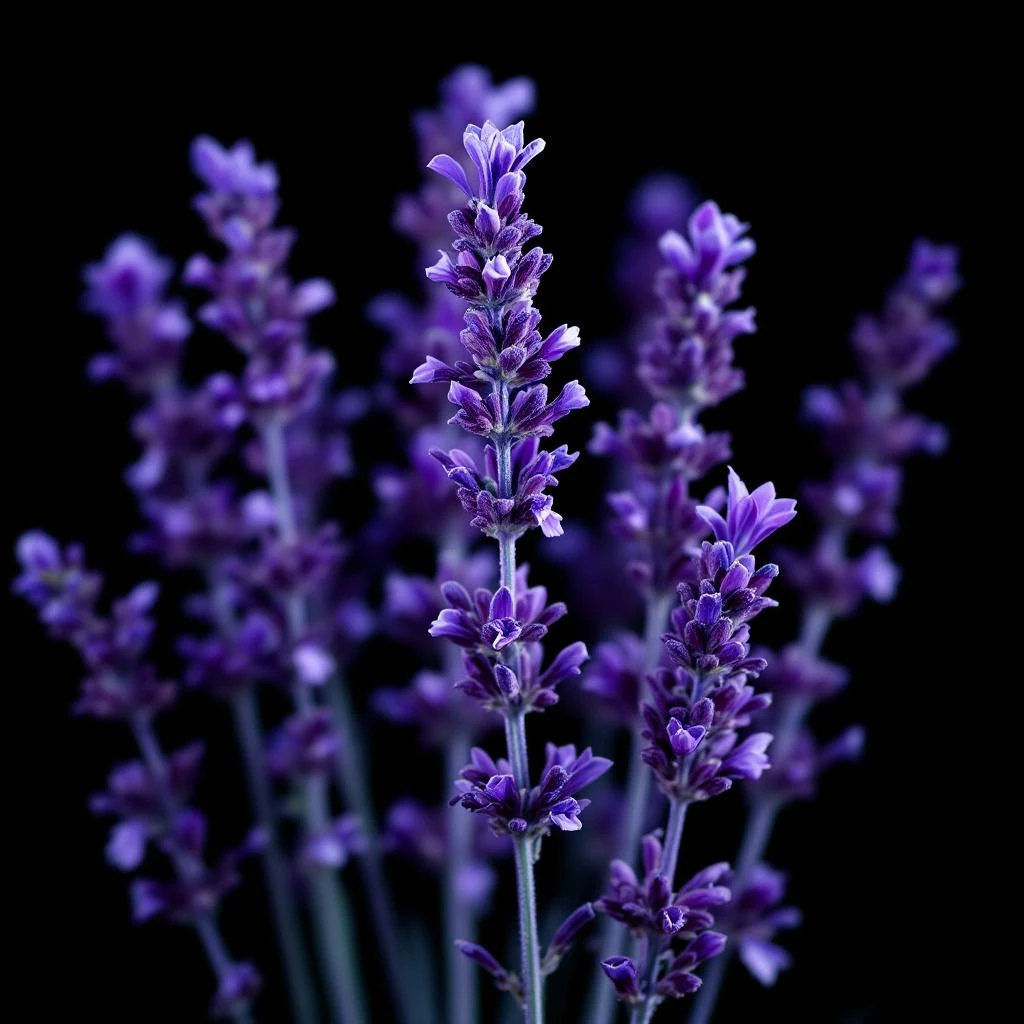
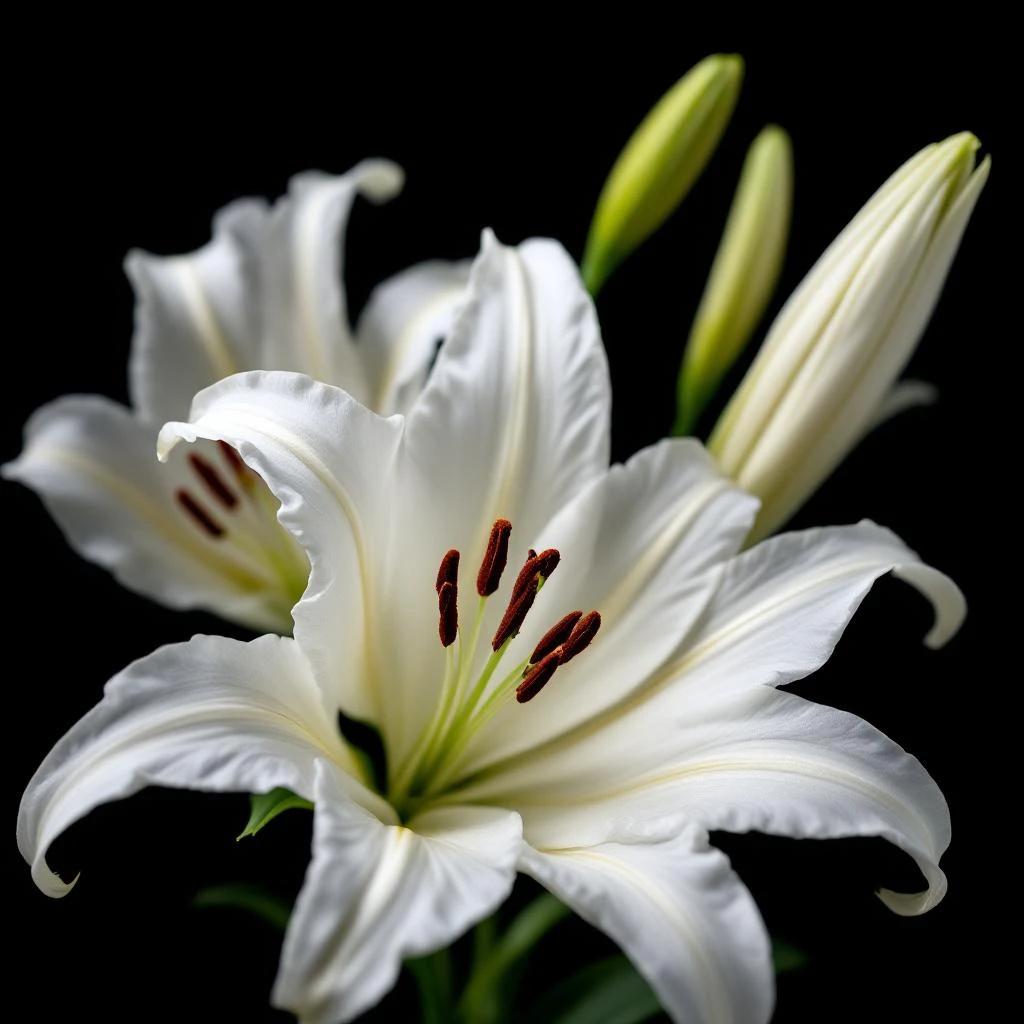
Dried Blossoms
Dried blossoms carry the quiet beauty of petals preserved at their peak. The scent reads as soft, nostalgic, and faintly sweet, evoking still air, old paper, and sunlit windowsills.
Character
How it smells
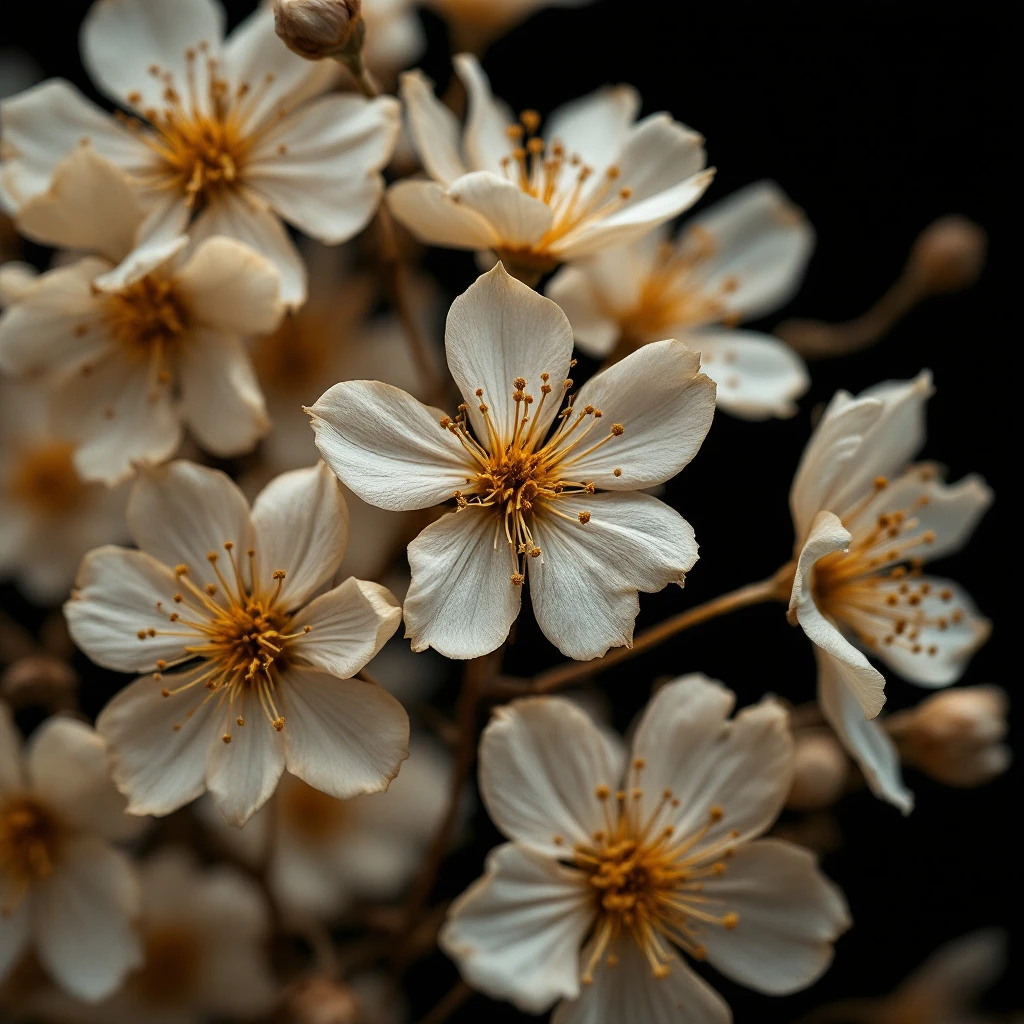
Petals, preserved. Memory, bottled.
Dried jasmine blossoms retain their aroma compounds for years because volatile oils bind to cellulose as moisture leaves the cell walls.





Origin
France
Dried botanicals scented European interiors long before perfumery industrialized. In medieval households, potpourri jars filled with rose, lavender, and orange blossom petals perfumed linen rooms and masked winter dampness. Monasteries dried calendula, chamomile, and violet for sachets and ceremonial incense.
The 17th century saw orris root, the dried rhizome of Iris florentina, become one of the most traded aromatic materials in Florence, valued for its violet scent and fixative properties. Catherine de Medici helped introduce orris-based fragrances to the French court during the Renaissance. By the 1800s, Grasse perfumers perfected solvent extraction on fresh flowers, but dried blossoms remained important where fresh harvests were impossible.
Today, perfumers reach for dried blossom notes when building vintage-style accords or adding a hushed, powdery softness to floral compositions.
Wears it best
Fragrances featuring Dried Blossoms
Brands
Brands known for Dried Blossoms
Good to know
Questions, answered
The essentials on Dried Blossoms in perfumery: how it smells, where it comes from, and how it behaves on skin.
What does the dried blossoms note smell like?
Dried blossoms smell soft, faintly sweet, and nostalgic, with powdery and honeyed edges that recall potpourri, sunlit linen, and pressed botanicals rather than fresh-cut flowers. The character leans warm and muted compared to living petals.
How are dried blossoms processed for perfume?
Petals are hand-harvested at peak bloom, then air-dried in controlled humidity before steam distillation or solvent extraction. Drying concentrates certain aromatic compounds while muting others, producing the characteristic hushed, vintage quality perfumers seek.
Why do perfumers use dried flowers instead of fresh ones?
Dried flowers offer stability and a distinct olfactory profile that fresh petals cannot replicate. Slow moisture loss fixes lactones and indoles into the plant cell walls, yielding warmer, dustier tones suited to classic-style accords.
Which flowers are commonly dried for fragrance use?
Rose, lavender, jasmine, orange blossom, and violet are the most common, alongside orris root, a dried iris rhizome prized since the Renaissance. Each retains different aromatic fractions depending on drying temperature and duration.
Is the dried blossoms note natural or synthetic?
Both forms exist. Natural dried-blossom notes come from real petals processed through distillation or solvent extraction, while synthetic reconstructions recreate the effect using individual aroma molecules like linalool and ionones.
When did dried botanicals first appear in perfumery?
Dried petals appeared in European perfumery during the medieval period, when monasteries and households used potpourri jars and sachets to scent rooms. Grasse formalized solvent extraction of dried material in the 19th century.
Where is most dried blossom material sourced?
France remains a leading processing center, but raw petals originate from flower farms across the Mediterranean, Egypt, India, and Bulgaria, where climate and soil shape each botanical's aromatic signature.
Do dried flowers last longer than fresh ones in perfume?
Yes. Properly dried and sealed petals retain aromatic potency for years, whereas fresh flowers lose volatile compounds within hours of harvest. This stability made dried material historically valuable before modern preservation.