Drawing ink
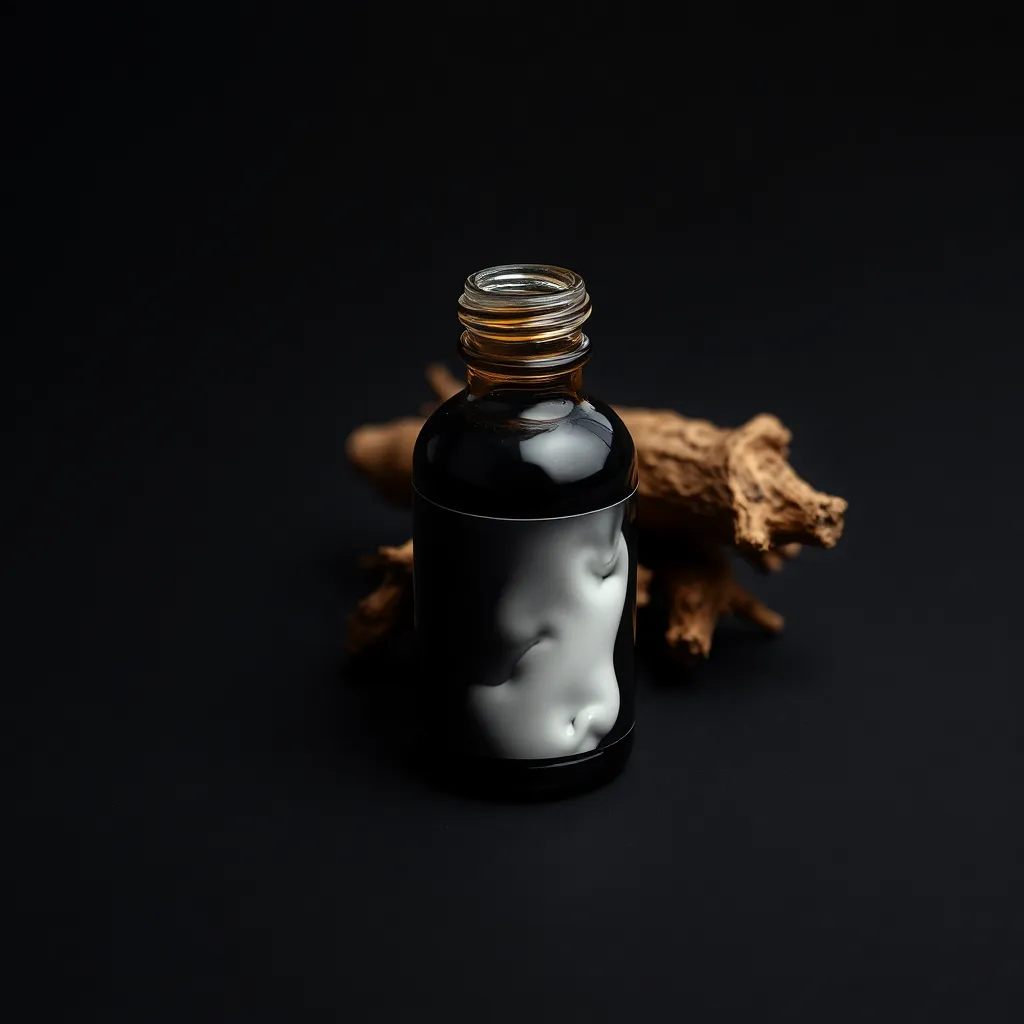
The sharp, meditative scent of ink fresh from the nib. Drawing ink note captures that crisp, metallic, slightly astringent quality that grounds fragrances with intellectual depth and creative energy.
Character
How it smells
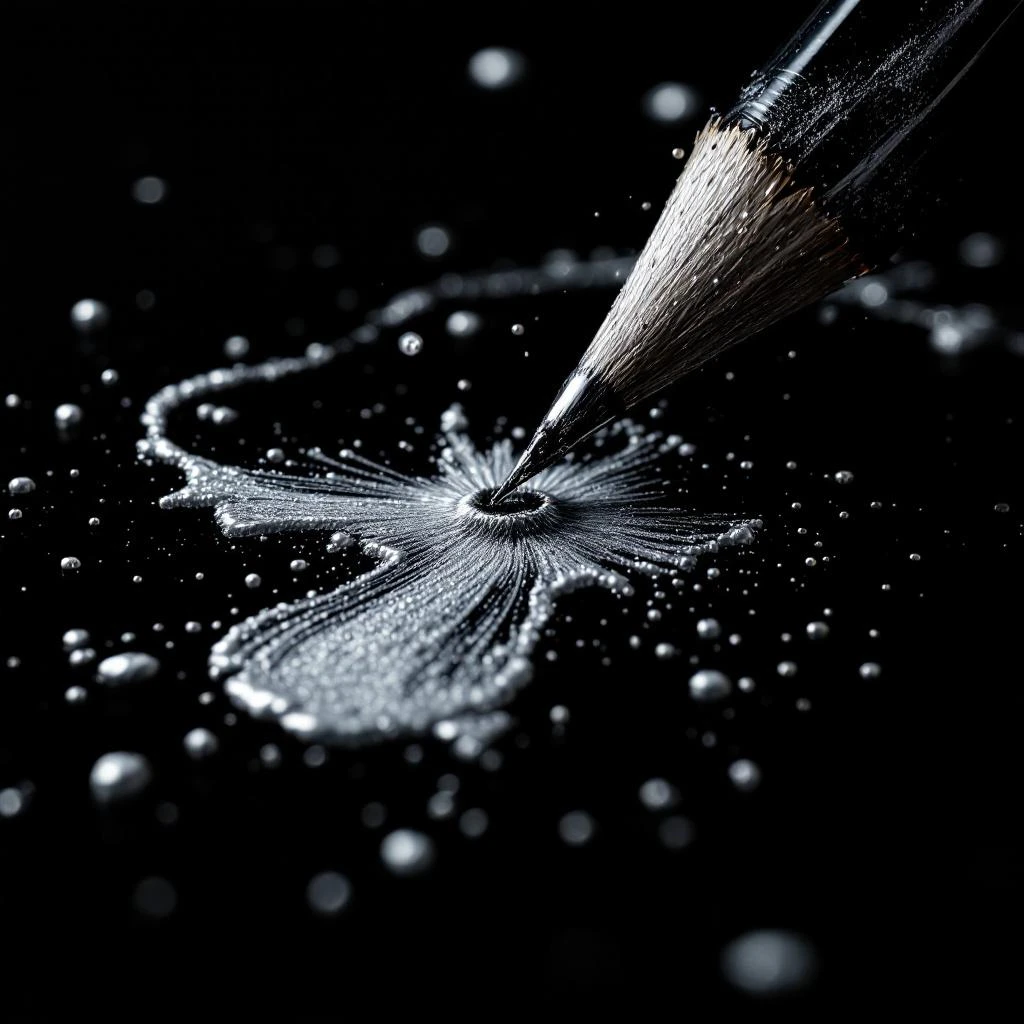
The moment pen meets paper, captured in scent.
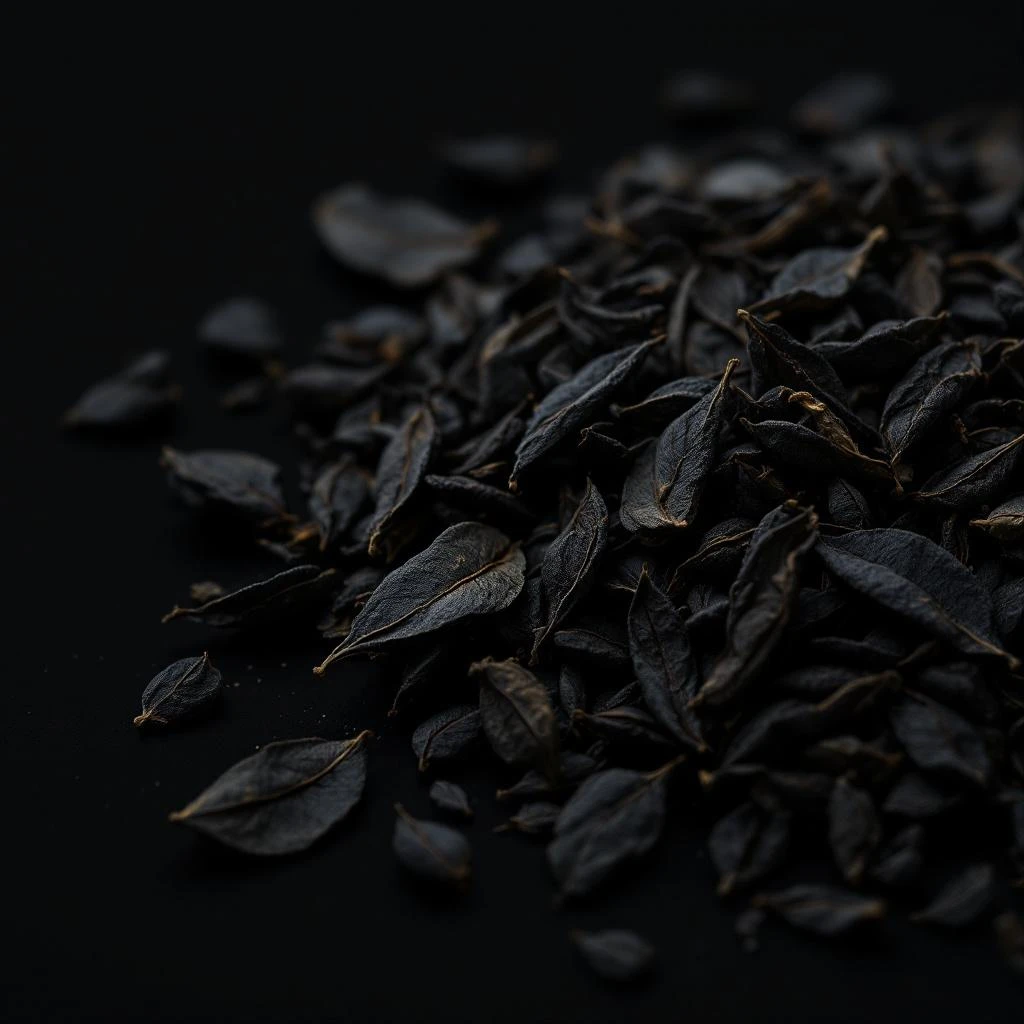
Traditional iron gall ink, used for centuries, contained iron salts and tannic acids that produced its distinctive sharp, slightly bitter aroma.









Origin
France
The history of ink stretches back to Mesopotamia around 2500 BCE, where soot mixed with binding agents created the first written aromatic material. Iron gall ink dominated European writing from the fourth century onward, its distinctive smell of iron salts and tannic acid becoming synonymous with documents, letters, and creative works. Artists and writers from Leonardo da Vinci to Virginia Woolf worked surrounded by this scent, making it a subconscious marker of intellectual creation.
Perfumery adopted ink notes in the late twentieth century as part of the intellectual fragrance movement, where creative professionals sought scents that reflected their craft. Today, drawing ink note appears in compositions celebrating creativity, literature, and the romance of the written word.
Wears it best
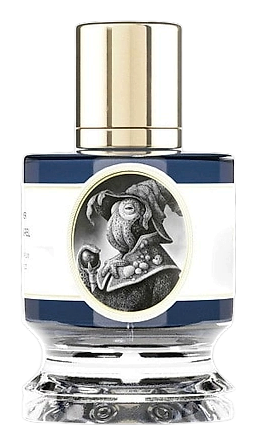
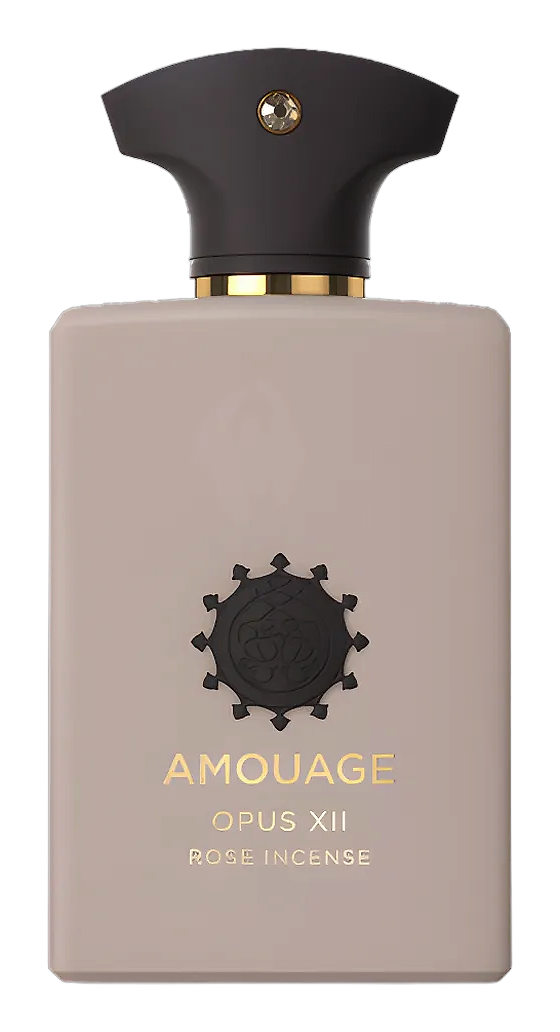
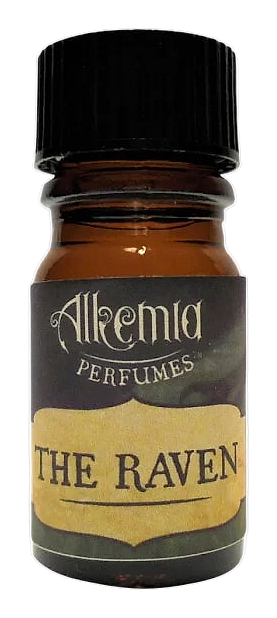
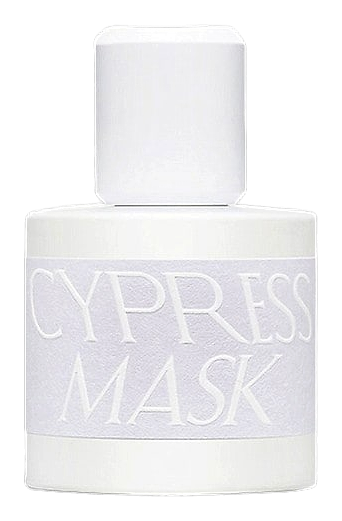
Fragrances featuring Drawing ink


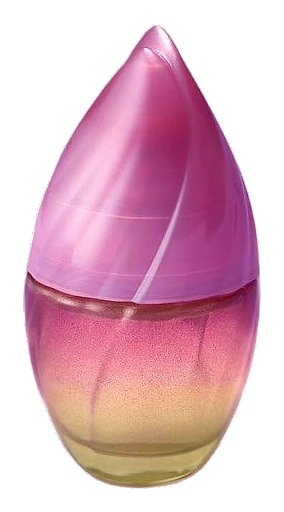
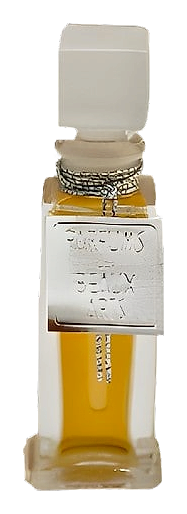
Brands
Brands known for Drawing ink
Good to know
Questions, answered
The essentials on Drawing ink in perfumery: how it smells, where it comes from, and how it behaves on skin.
What is the drawing ink note in perfumery?
Drawing ink note is a synthetic fragrance component that reproduces the crisp, metallic scent of fresh ink. It provides sharp, astringent qualities that add intellectual depth and creative association to a fragrance composition.
What does drawing ink smell like?
Drawing ink smells sharp, slightly metallic, and bitter with an astringent quality similar to iron gall ink. It carries clean, dry undertones reminiscent of paper and graphite, creating an atmosphere of focused creative work.
Is drawing ink a natural or synthetic ingredient?
Drawing ink is a synthetic fragrance note. Perfumers create it using aromatic compounds that reproduce the molecular signature of carbon-based writing inks, as actual ink is not suitable for skin application.
What fragrances traditionally feature drawing ink note?
Drawing ink note appears in literary and artistic-themed fragrances. It works particularly well in scents designed to evoke libraries, artist's studios, and spaces associated with creative work and intellectual pursuits.
When did perfumers first use ink notes?
Perfumery adopted ink notes in the late twentieth century during the intellectual fragrance movement. Creators developed these notes as consumers began seeking scents that reflected specific professions and creative practices.
What fragrance families pair well with drawing ink?
Drawing ink pairs naturally with leather, paper, and wood notes that complete an artistic atmosphere. It also combines effectively with vetiver, cedar, and aromatic herbs for sophisticated, studio-inspired compositions.
Is drawing ink considered a masculine or feminine note?
Drawing ink functions as a unisex note in contemporary perfumery. While originally more common in fragrances marketed to men, creative and literary associations have made it popular across fragrance categories.
How long does drawing ink last in a fragrance?
Drawing ink note typically functions as a heart to base note, lasting two to four hours depending on concentration. Its synthetic molecular structure provides moderate tenacity while remaining a supporting rather than dominating element.