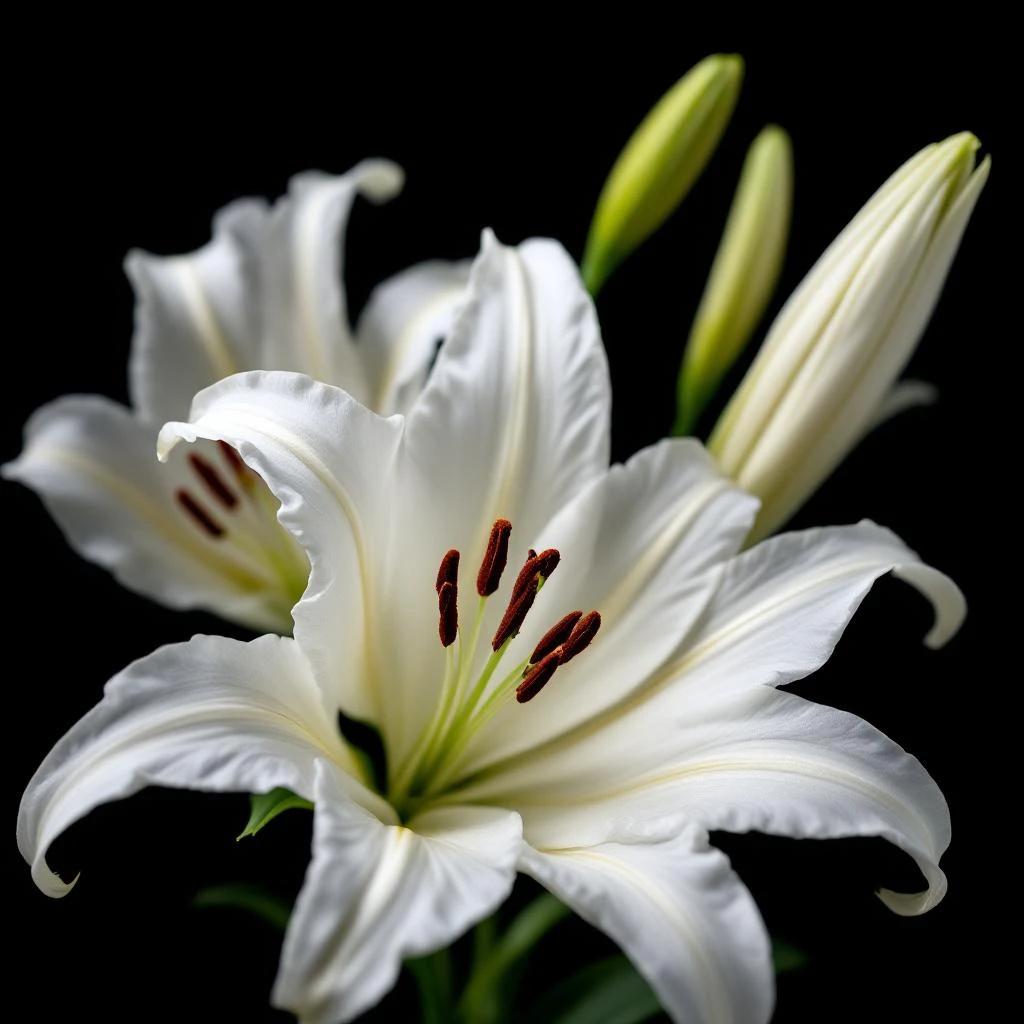
Digitalis
Digitalis brings a herbaceous greenness to perfumery, drawn from the foxglove plant's storied floral and medicinal history. Its presence in fragrance compositions remains rare and quietly intriguing.
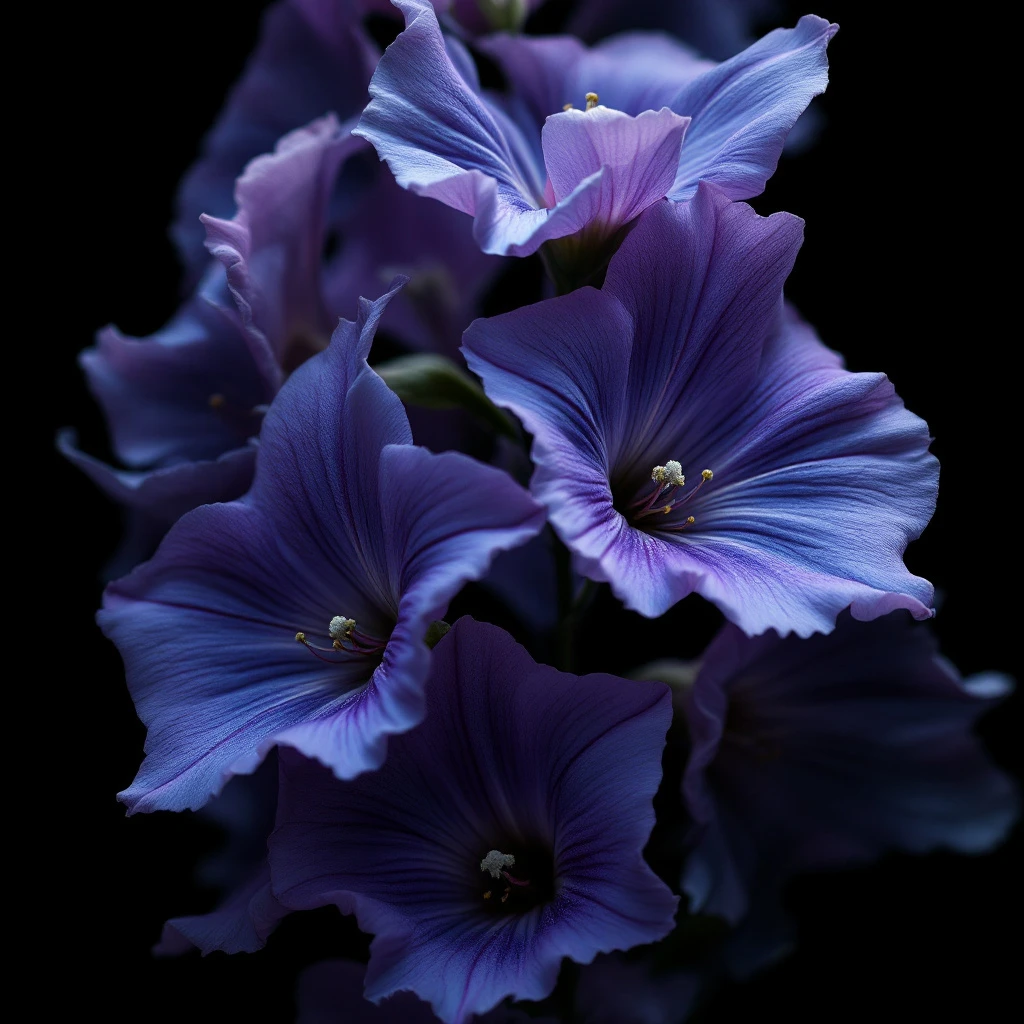
Character
How it smells
Green florals with a pharmaceutical edge
The foxglove plant yields digitalis, the cardiac glycoside that revolutionized heart medicine in 1785 under William Withering, though it is too toxic for modern perfumery use.
Pairs beautifully with




Origin
United Kingdom
Digitalis takes its name from the Latin digitus, meaning finger, referring to the foxglove flower's finger-shaped blossoms. The plant appears in European herbal traditions dating to the medieval period, where folk healers used it cautiously for dropsy and heart complaints. In 1785, English physician William Withering published "An Account of the Foxglove," documenting its therapeutic effects and establishing the dosage protocols that shaped modern cardiology.
The foxglove also carries darker folklore associations across Britain and continental Europe, where it features in fairy tales and traditional medicine as both cure and poison. As a perfumery concept, digitalis evokes the cottage garden aesthetic, capturing that nostalgic English countryside impression that floral perfumers have long attempted to bottle.
Wears it best
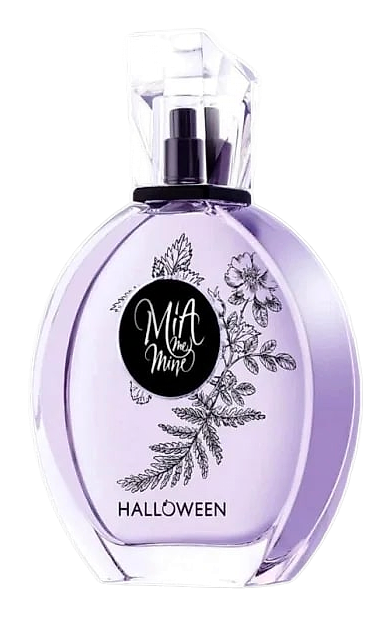
Fragrances featuring Digitalis
Brands
Brands known for Digitalis
Good to know
Questions, answered
The essentials on Digitalis in perfumery: how it smells, where it comes from, and how it behaves on skin.
Is digitalis safe to wear in perfume?
Composed reconstructions are safe. Genuine Digitalis purpurea contains cardiac glycosides that are highly toxic if ingested, which is why perfumers use synthetic accords to capture the scent profile without the health risks.
What does digitalis smell like in a fragrance?
It produces a green, slightly powdery floral impression with herbaceous undertones, reminiscent of a damp English garden in late spring. The accord typically reads fresher and greener than rose or violet.
When was digitalis first used medicinally?
English physician William Withering published his systematic study of foxglove in 1785, formalizing its use for dropsy, now recognized as congestive heart failure. Folk applications existed for centuries prior.
Why is digitalis rare in commercial perfumery?
The plant's toxicity discourages large-scale extraction, and its flowers yield minimal essential oil. Most perfumers recreate the scent through synthetic aromachemicals rather than processing raw foxglove material.
Where does foxglove grow natively?
Digitalis purpurea is native to western and southwestern Europe, particularly the British Isles. It thrives in woodland clearings, heathland, and disturbed soil across temperate climates.
Is digitalis natural or synthetic in modern fragrances?
Virtually always synthetic in modern formulations. The "digitalis" note in a fragrance pyramid indicates an accord of aroma chemicals designed to evoke foxglove's green-floral character.
Can digitalis notes trigger allergies?
Reconstructed digitalis accords use IFRA-regulated materials at safe concentrations. Patch testing is wise for sensitive skin, though documented allergic reactions to these specific reconstructions are uncommon.
What perfumers use digitalis accords?
Independent and niche houses experimenting with green-floral themes occasionally feature foxglove-inspired notes. Mainstream designer fragrances more commonly rely on violet leaf or muguet to achieve similar effects.