Dewfruit
Dewfruit is a modern perfumery accord that captures the cool, translucent scent of fruit caught in morning condensation. It blends juicy sweetness with an aqueous, skin-like freshness prized in contemporary fragrances.
Character
How it smells
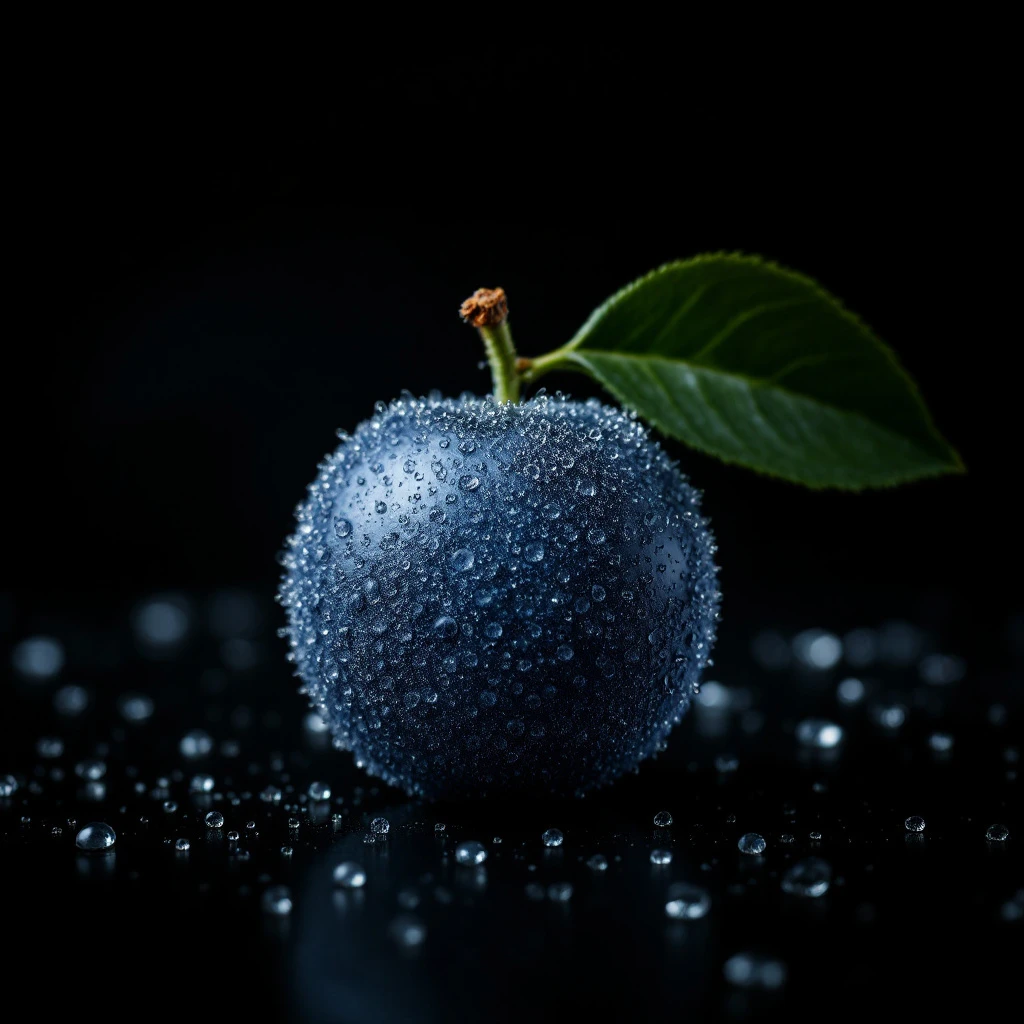
Cool fruit, caught in a breath of morning air.
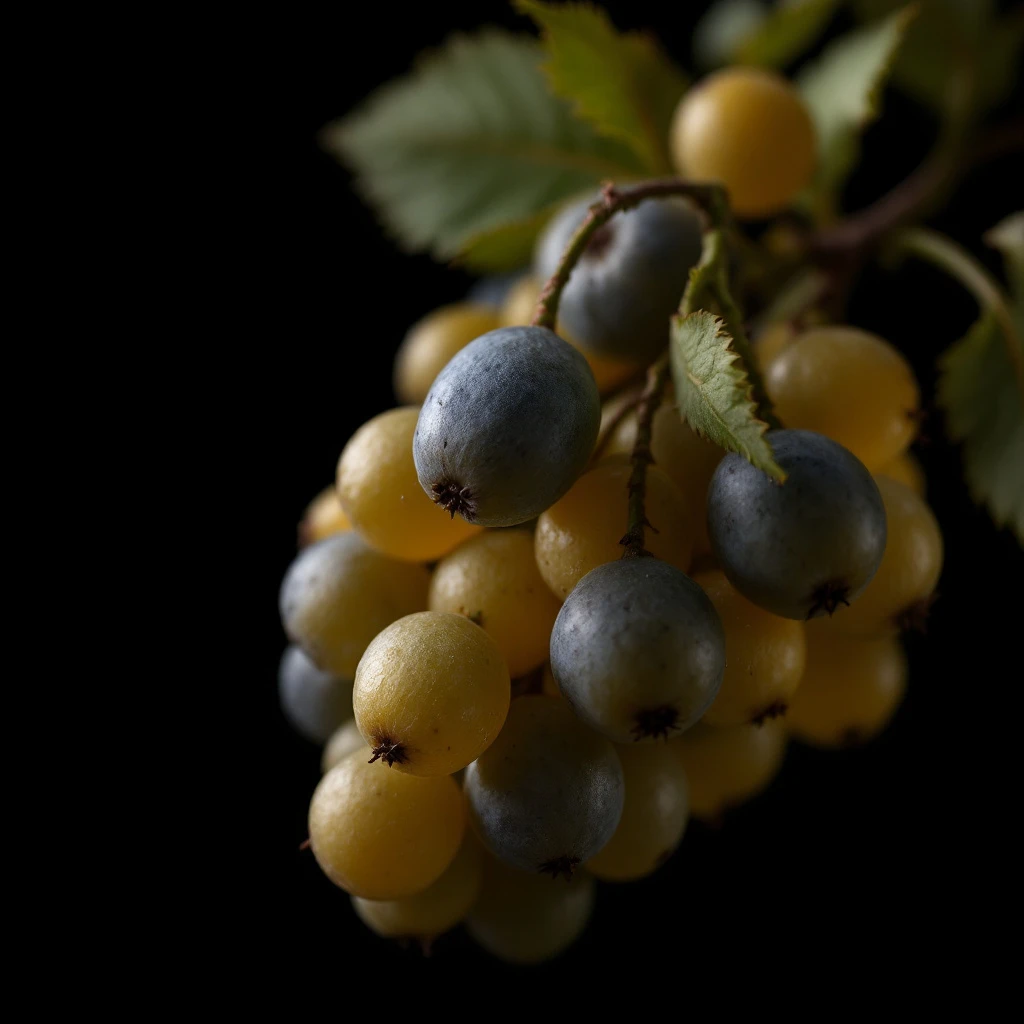
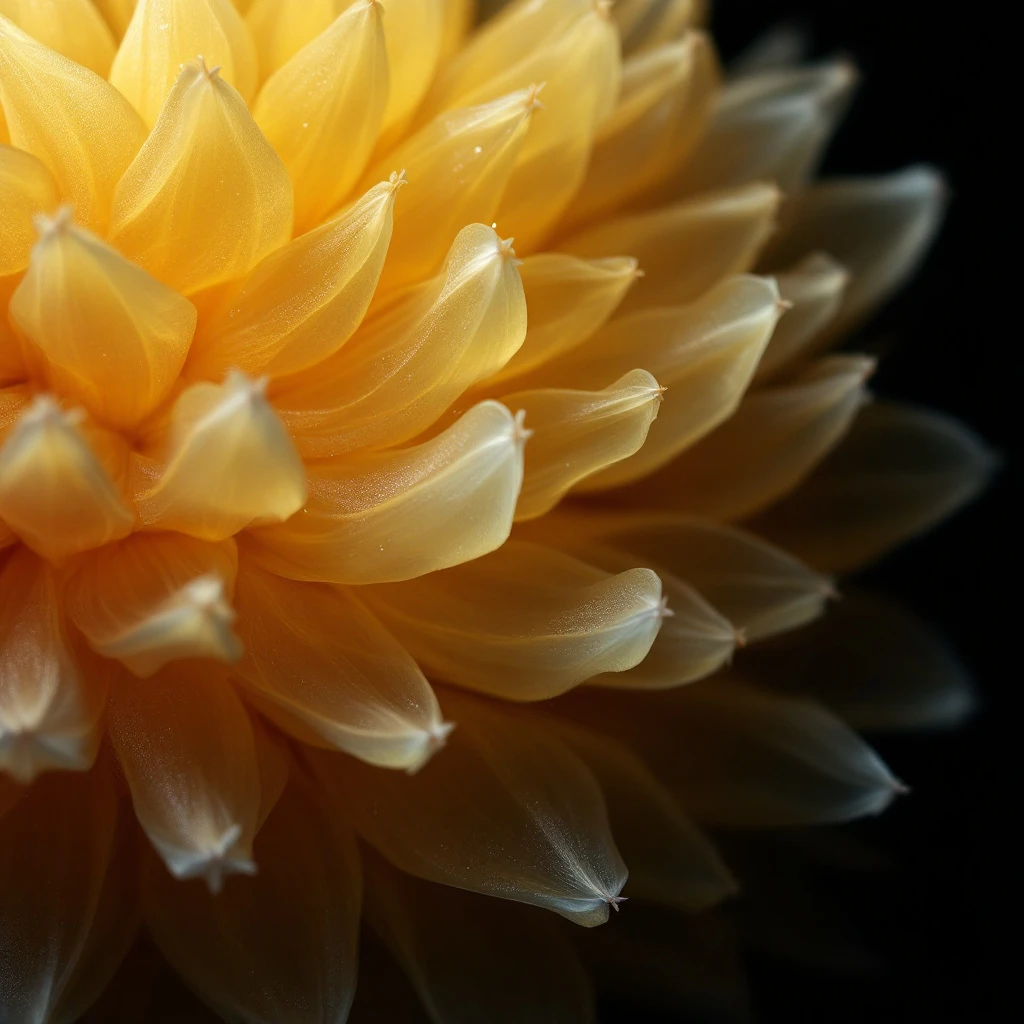
Dewfruit isn't a single botanical but a constructed accord, layered from molecules like melonal and cyclopidene to recreate the scent of chilled, just-picked fruit.




Origin
France
The concept of Dewfruit emerged alongside the rise of synthetic perfumery in the late twentieth century, when chemists could isolate and reproduce individual scent molecules previously locked inside plants. Perfumery's modern era began in the 1880s when François Coty popularized solvent extraction methods, opening the door to new aromatic possibilities.
By the mid-1900s, perfumers working in Grasse and beyond had access to aldehydes, lactones, and other synthetic building blocks that allowed the creation of entirely novel accords. Dewfruit belongs to this lineage of constructed notes, alongside calone-driven marine accords and ozonic florals.
It reflects a shift away from depicting a single fruit toward evoking a sensory impression: the feeling of biting into chilled fruit on a humid morning. Today, Dewfruit appears in many fresh, sport, and aquatic fragrances where transparency and lift matter more than botanical accuracy.
Wears it best
Fragrances featuring Dewfruit
Brands
Brands known for Dewfruit
Good to know
Questions, answered
The essentials on Dewfruit in perfumery: how it smells, where it comes from, and how it behaves on skin.
What does Dewfruit smell like in perfumery?
Dewfruit smells cool, juicy, and slightly aqueous, like ripe fruit chilled with morning condensation. The accord combines melon-like aldehydes, green leafy notes, and a faint watery facet. It reads as fresh and translucent rather than syrupy.
Is Dewfruit a real fruit or a synthetic note?
Dewfruit is a synthetic accord, not derived from a single botanical. It is constructed by perfumers using individual aroma molecules such as melonal, cis-3-hexenol, and calone-type compounds. This allows consistent reproduction without agricultural variation.
Which fragrance families use Dewfruit?
Dewfruit appears most often in fresh, aquatic, and fruity-floral compositions. It is popular in sport fragrances and summer launches where a juicy, cooling character is desired. The note pairs especially well with white musks and watery florals.
What is the difference between Dewfruit and melon notes?
Dewfruit typically includes melon-like facets but adds aqueous and skin-like transparency through additional molecules. Pure melon notes lean sweeter and more candied, while Dewfruit feels cooler and more diffused. It is a broader accord rather than a single fruit reference.
When was Dewfruit first used in perfumery?
Constructed fruity-aquatic accords like Dewfruit became prominent in the 1990s as calone and specialized aldehydes entered mainstream use. The 1991 launch of Davidoff Cool Water helped popularize ozonic freshness. Dewfruit-style notes expanded from that transparent, watery direction.
Why is Dewfruit popular in modern fragrances?
Dewfruit offers a clean, cooling impression that suits contemporary preferences for light, versatile scents. Its synthetic construction ensures stability and consistency in formula. It also bridges fruity sweetness with aquatic freshness, a combination that resonates with many wearers.
Can Dewfruit be derived from natural ingredients?
True Dewfruit accords rely on synthetic molecules, but some natural extracts can approximate similar sensations. Melon distillates and certain green leaf absolutes provide partial facets. However, the characteristic aqueous coolness of Dewfruit is difficult to achieve without synthetic components.
Which ingredients pair well with Dewfruit in perfume formulas?
Dewfruit blends naturally with white musks, marine accords, and transparent florals like lily of the valley. It also supports citrus top notes such as bergamot and grapefruit. For contrast, perfumers sometimes pair it with warm ambroxan or light woods.





