Decalepis hamiltonii
Decalepis hamiltonii brings a warm, woody spice note shaped by its aromatic roots and resinous extracts.
Character
How it smells
A rooted aromatic spice with a warm, woody character.
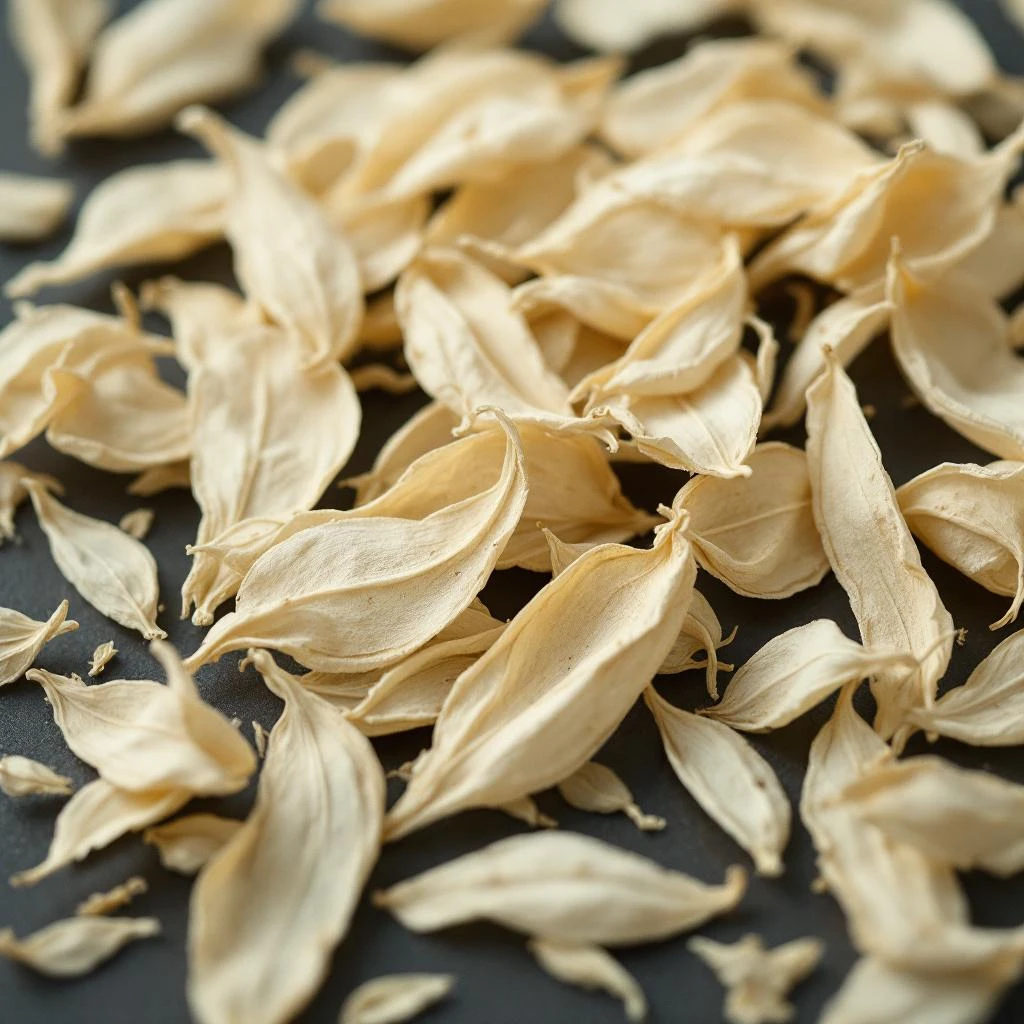
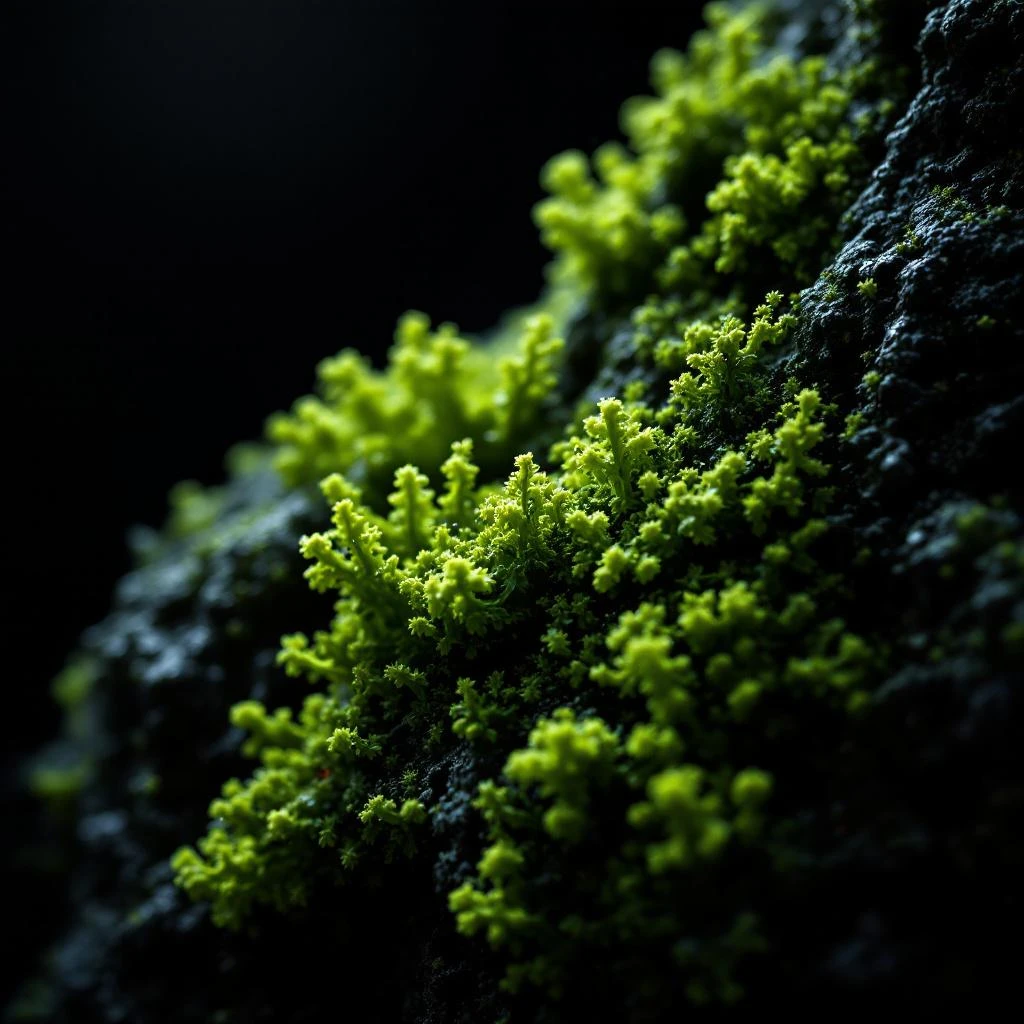
Its roots are the main fragrant part, valued for a profile that recalls cardamom, ginger, and woody spice.
Origin
India
Decalepis hamiltonii belongs to a long tradition of aromatic plants valued across South Asia for food, medicine, and scent. The species grows in the western Himalayan region, where its roots have been gathered and traded as a spice-like aromatic material. Its place in fragrance history is less prominent than that of familiar florals, citrus, and woods, but it reflects the broader practice of perfumers and aromatic-material producers seeking distinctive natural textures from regional plants.
Early perfume traditions relied heavily on roots, barks, resins, woods, and spices before modern organic synthesis expanded the available palette. Decalepis hamiltonii continues that botanical legacy, offering perfumers a rare aromatic profile rooted in warm spice and dry wood.
Wears it best
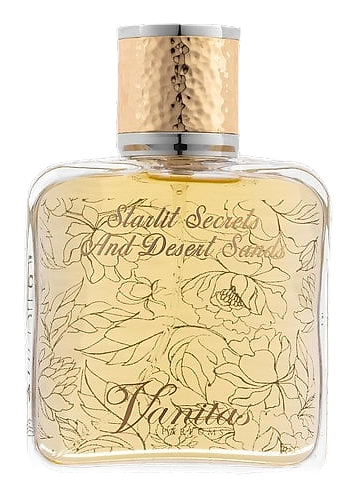
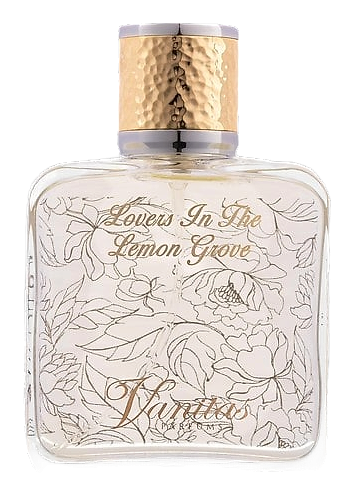
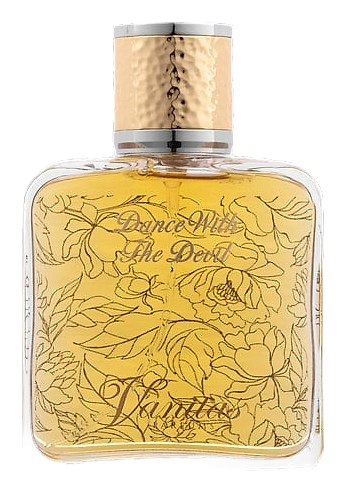
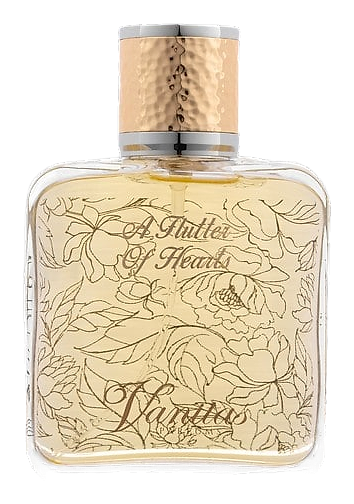
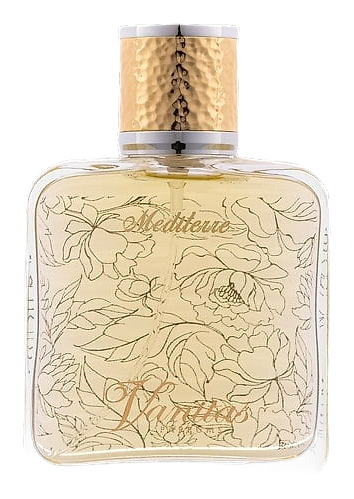
Fragrances featuring Decalepis hamiltonii
Brands
Brands known for Decalepis hamiltonii
Good to know
Questions, answered
The essentials on Decalepis hamiltonii in perfumery: how it smells, where it comes from, and how it behaves on skin.
What does Decalepis hamiltonii smell like in perfumery?
Its aromatic profile is warm, woody, and spice-like, with sweet cardamom and ginger associations. The character comes primarily from the plant's roots, which supply a resinous, dry aromatic note.
Which part of Decalepis hamiltonii is used for fragrance extraction?
The roots are the principal part used. They are harvested, dried, and processed to concentrate the plant's woody and spicy aroma.
How is Decalepis hamiltonii extract produced?
Dried roots are typically processed using solvent extraction to obtain a concentrated aromatic extract. The exact process depends on the supplier, so technical documentation should confirm the method used.
Where does Decalepis hamiltonii originate?
It is native to the western Himalayas, especially the Himalayan foothills spanning northern India and Nepal. India is the principal commercial and geographic reference for this material.
Is Decalepis hamiltonii extract approved for use in perfumes?
Published ingredient listings indicate that Decalepis hamiltonii extract is not approved for fragrance use. Its listed application is connected with FEMA GRAS flavoring substances, so perfumers should verify current regulatory status before use.
Is Decalepis hamiltonii a common ingredient in commercial perfume?
No. It is a comparatively uncommon natural aromatic material, with limited fragrance availability and a history closer to culinary spice and traditional aromatics than mainstream perfumery.
Can Decalepis hamiltonii replace cardamom in a fragrance?
It can suggest a similar warm, sweet spice effect, but its profile also carries a drier woody character. It is better treated as a distinct aromatic note than as a direct substitute.
Why is Decalepis hamiltonii notable in natural perfumery?
It preserves a traditional use of aromatic roots in scent-making while introducing a less familiar western Himalayan note. Its rarity and restricted fragrance status give it particular interest for niche material research.