Davana Blossom
Davana blossom delivers an intoxicating blend of sweet herbaceousness and wild honey, wrapped in a distinctive thujone-tinged warmth that defies easy categorization. Native to the sun-baked plains of southern India, this aromatic herb has quietly become a perfumer's secret weapon for adding complexity that lingers well beyond the initial spray.
Character
How it smells
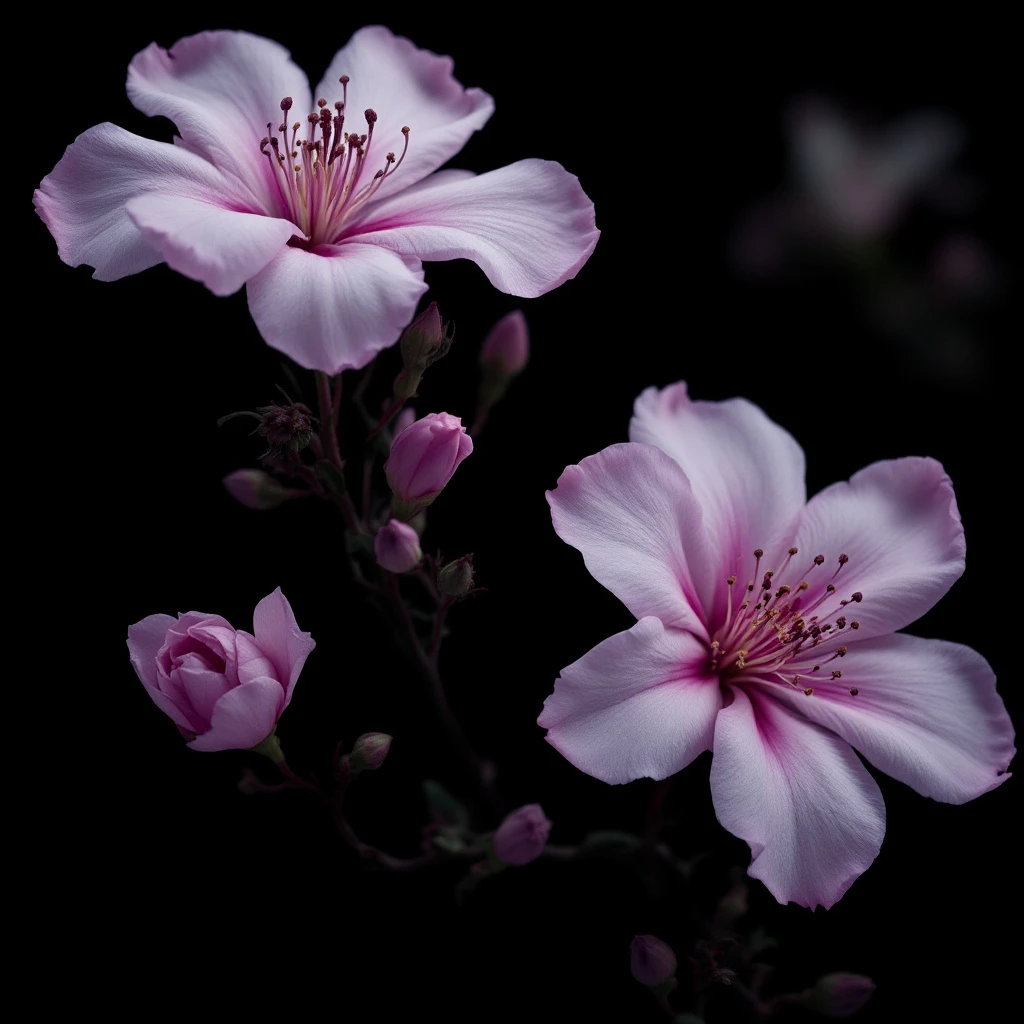
Sweet, honeyed, and unmistakably herbaceous.
Davana's scent evolves dramatically on skin, shifting from tart citrus to rich honey as the fragrance dries down.






Origin
India
While davana has grown wild across India's Deccan plateau for millennia, its entry into perfumery remains surprisingly recent. Traditional Ayurvedic texts document its use in ceremonial preparations and medicinal tonics, yet commercial extraction only began in the early twentieth century. The 1970s marked a turning point when international fragrance houses first recognized davana's potential as a natural modifier, capable of lending warmth and unexpected complexity to otherwise straightforward compositions.
Today, Karnataka and Tamil Nadu sustain small-scale cultivation operations, though davana remains a relatively scarce material. Its cultural significance in India runs deep: brides traditionally carry sprigs of the herb during wedding ceremonies, and temple offerings frequently incorporate its distinctive aroma.
Wears it best
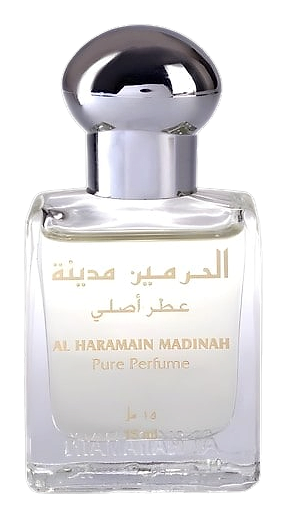
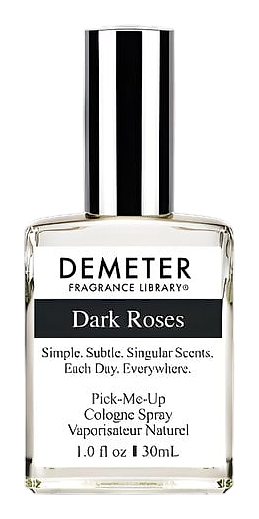
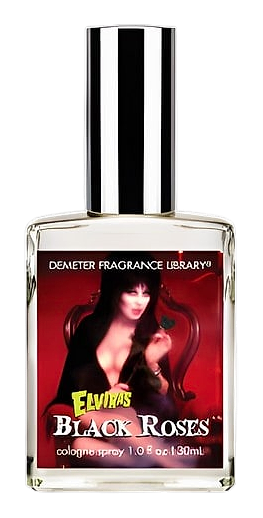
Fragrances featuring Davana Blossom
Brands
Brands known for Davana Blossom
Good to know
Questions, answered
The essentials on Davana Blossom in perfumery: how it smells, where it comes from, and how it behaves on skin.
What does davana smell like?
Davana presents a sweet, herbaceous aroma with prominent honey and tea-like facets, underscored by a warm, slightly camphorated thujone note. The scent evolves significantly as it dries, revealing deeper, more resinous qualities over time.
Where does davana originate?
Davana grows natively across the Deccan plateau of southern India, particularly in Karnataka and Tamil Nadu. The region's warm, semi-arid climate and iron-rich soils produce the most aromatic specimens.
How is davana oil extracted?
Steam distillation of the aerial portions of Artemisia pallens yields davana essential oil. Harvest occurs before full bloom to maximize essential oil content, and temperature control during distillation preserves delicate aromatic compounds.
Is davana a natural or synthetic ingredient?
Davana exists as a natural material only. No synthetic replica captures its full aromatic complexity. Commercial cultivation occurs in southern India, though annual production remains relatively limited.
What fragrances feature davana?
Davana appears primarily in niche and artisan fragrances seeking distinctive natural signatures. It works particularly well in oriental and fougère compositions, where its warmth adds depth to amber, vanilla, and herbal accords.
When did davana enter modern perfumery?
Commercial distillation began in the early twentieth century, but davana remained obscure until the 1970s. International fragrance houses only began incorporating it widely after recognizing its value as a natural fragrance modifier.
What plant family does davana belong to?
Davana is Artemisia pallens, placing it in the Asteraceae family alongside wormwood, mugwort, and sage. The silver-leafed herb shares the characteristic aromatic intensity common to its relatives.
Does davana have cultural significance in India?
Davana holds traditional significance in Indian ceremonies. Brides traditionally carry sprigs during wedding rituals, and temple offerings frequently incorporate its distinctive aroma. This cultural connection predates its use in perfumery by centuries.




