
The Story
Why it exists.
The beginning
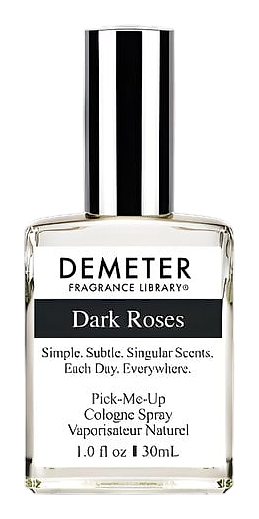
Dark Roses started as a provocation. Demeter has built a catalog of over three hundred scents that translate the mundane into the wearable, rain on pavement, vanilla extract, kitten fur. The brief for this one was simple: what happens when you give a rose a scary name? The brand reached for Bulgarian rose petals from the Valley of the Roses and Haitian vetiver from the island's northern coast. Red currants and davana blossom were added to sharpen the obvious. The goal wasn't darkness in the gothic sense. It was contrast, a rose that earns its thorns.
The note structure is unusual. Rose tea is technically a top note here, but it behaves like a heart, a watery, slightly bitter greenness that lingers well past the initial spray. Bulgarian rose petals are the anchor, but davana blossom is the twist: a wild herb from India that smells like a cross between fruit and camphor, keeping the rose from ever settling into sweetness. The combination of red currant's jammy acid and black amber's resinous warmth creates a middle act that most rose fragrances skip entirely, the moment when the bloom begins to bruise, just slightly, against its own beauty.
The evolution
It opens bright. Rose tea and red currant arrive together, the tea gives it a watery quality, like you've just poured hot water over petals in a glass cup. The Bulgarian rose follows within thirty seconds, but it's not a shout. It's a conversation. Davana enters around the five-minute mark, adding a green, almost medicinal edge that prevents the rose from going syrupy. By the second hour, the red currant fades and patchouli takes over, earthy, slightly dirty, the stems of the thing. Haitian vetiver and black amber settle into the skin like warm wood. The drydown is quiet. Three to four hours on most skin, closer to two on dry skin. What lingers is the ghost of almost-sweetness, a memory of roses, not the roses themselves.
Cultural impact
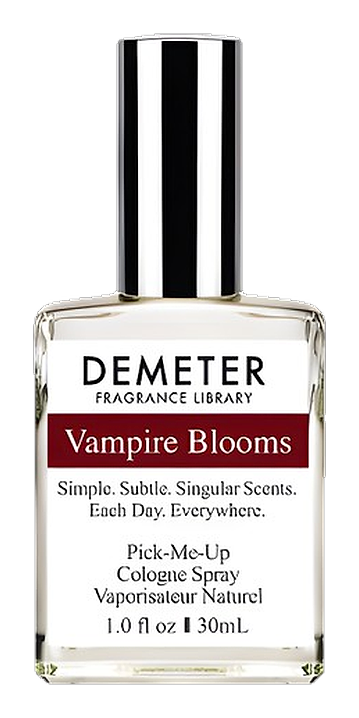
Dark Roses lives in the brand's Dark Flowers collection alongside Vampire Blooms, Transfixed, and Witching Hour, a grouping built on naming rather than note families. The fragrance has polarized reviewers: some find the name misleading, others appreciate the subversion. What nobody disputes is that it smells good. The question is whether dark and pretty can share a bottle.