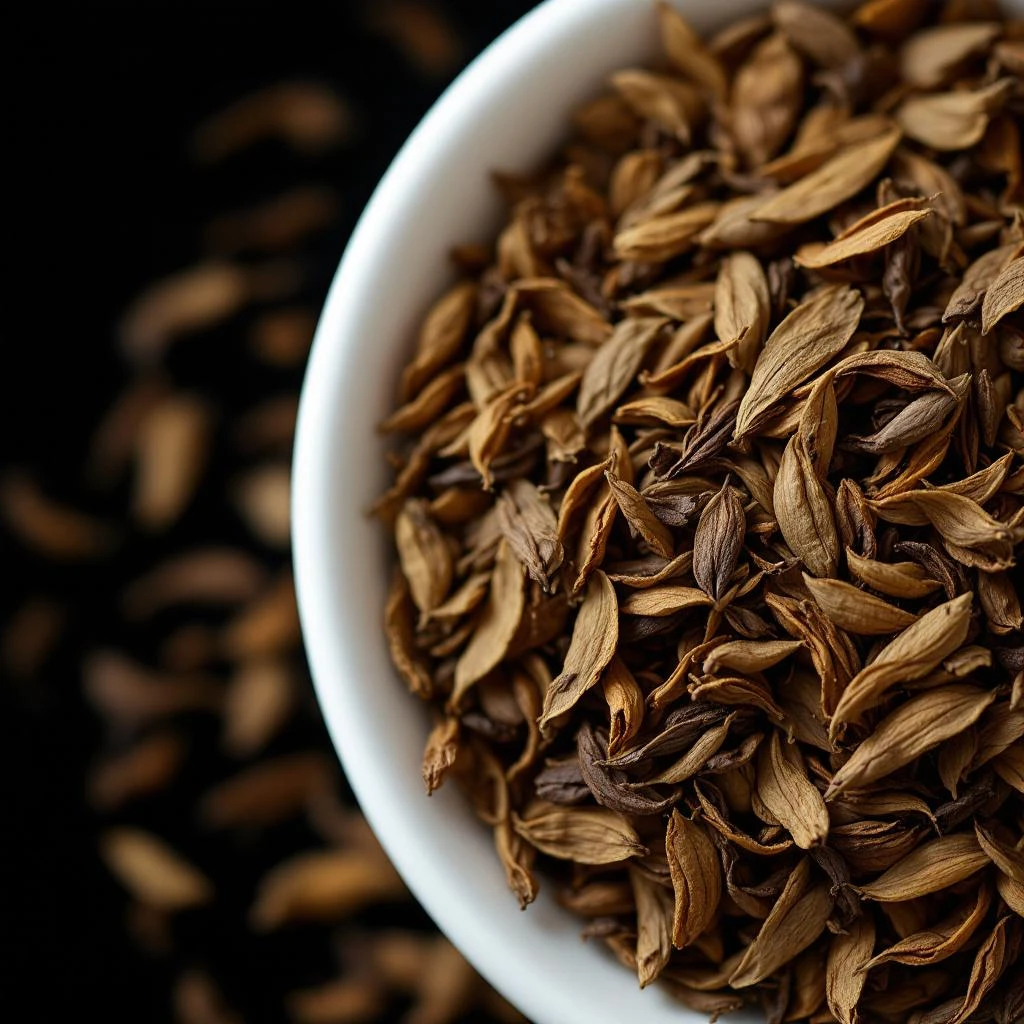
Cyclamen Leaf
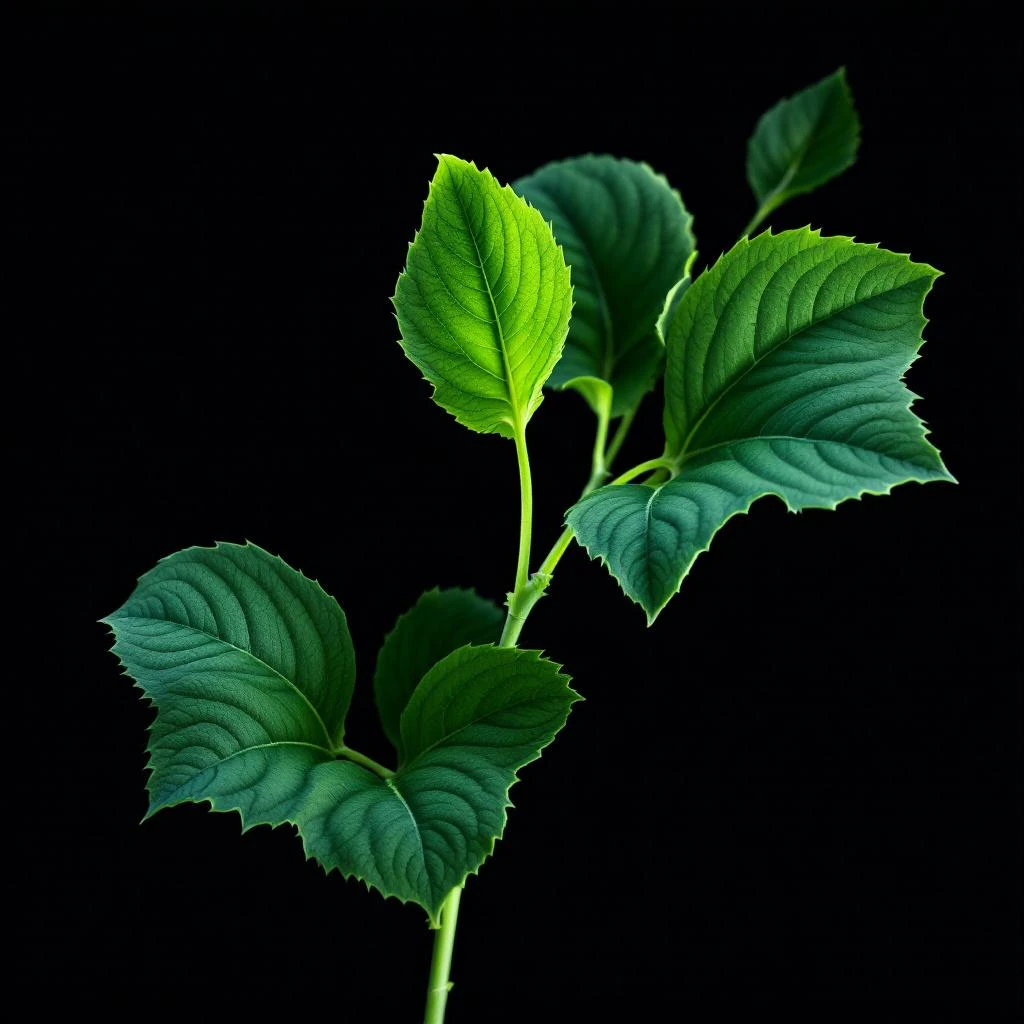
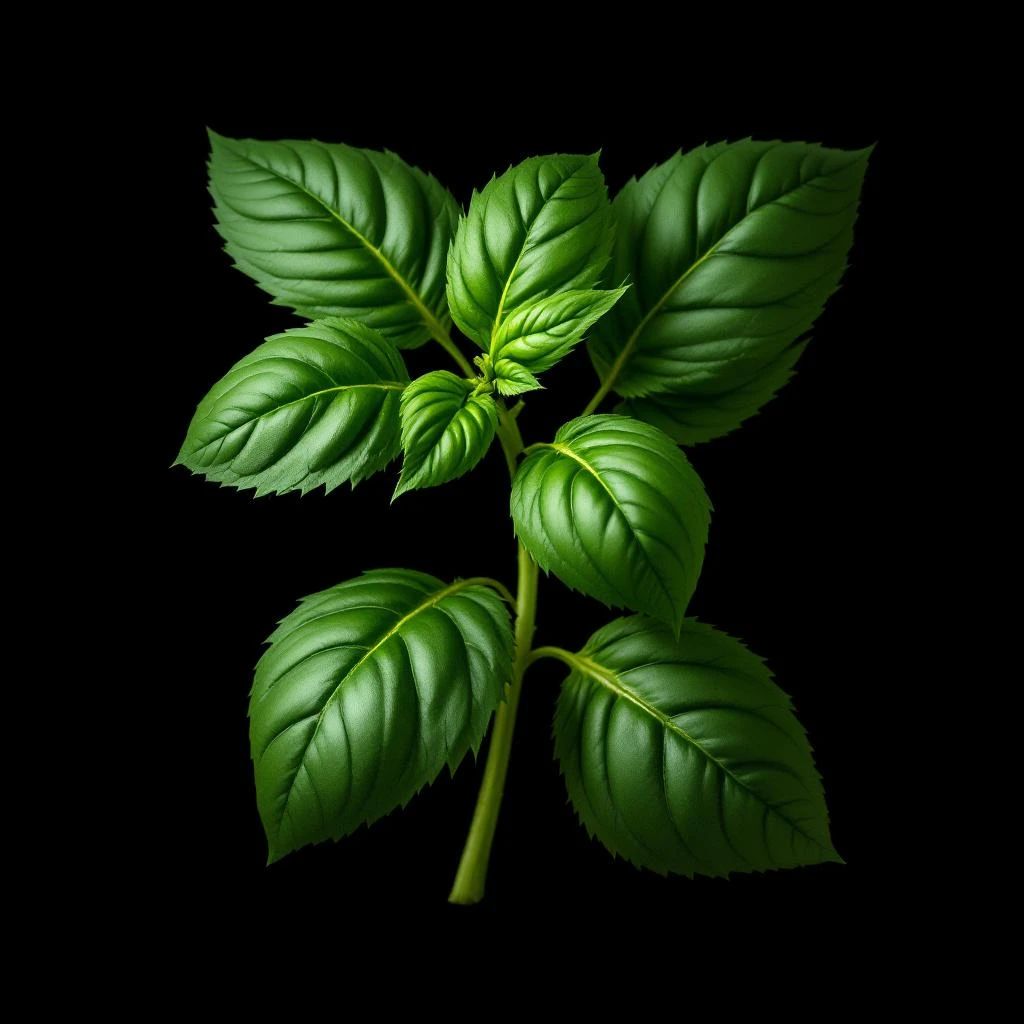
Cyclamen leaf brings an unexpected green, slightly aquatic dimension to perfumery, offering a fresh counterpoint to its floral namesake. While cyclamen flowers capture delicate sweetness, the leaves introduce crisp, dewy nuances that modern perfumers increasingly value for their airy, transparent effect.

Character
How it smells
Green, dewy, and unexpectedly fresh.
Cyclamen leaves contain more fragrance-active compounds than the flowers themselves, yet perfumers rarely harvest them directly.


Origin
Mediterranean region
Cyclamen has ancient roots in Mediterranean folk traditions, where wild varieties grew across southern Europe, Turkey, and the Levant. Ancient Greeks associated the plant with beauty and love, though it saw limited use in traditional perfumery.
The cyclamen we recognize today in fragrance emerged only in the 1980s, when Swiss and French aroma chemists developed synthetic aroma chemicals specifically to capture its unique green-floral transparency. This timing coincided with a broader industry shift toward fresh, airy fragrances that dominated the late 20th century.
The ingredient quickly became a staple in women's florals, particularly in designers like Issey Miyake and Calvin Klein, who used cyclamen to create signatures that felt impossibly light and modern. Today, cyclamen leaf or its synthetic analogs appear in countless fragrances as a bridge between green and floral families.
Wears it best
Fragrances featuring Cyclamen Leaf
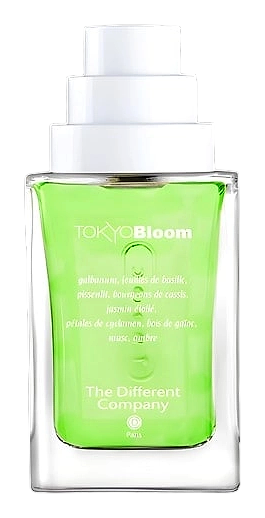
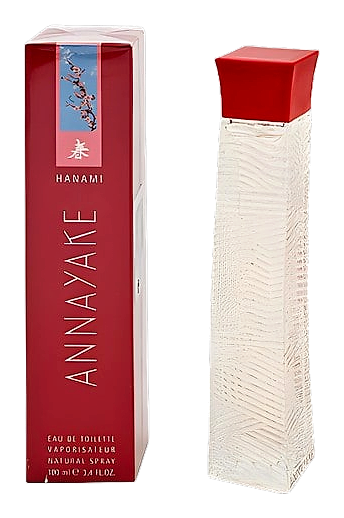
Brands
Brands known for Cyclamen Leaf
Good to know
Questions, answered
The essentials on Cyclamen Leaf in perfumery: how it smells, where it comes from, and how it behaves on skin.
What does cyclamen leaf smell like in perfume?
Cyclamen leaf adds a green, dewy freshness with subtle aquatic undertones. It reads as the crisp, vegetal counterpart to cyclamen's sweeter floral notes, bringing airy lift to compositions.
Is cyclamen leaf a natural or synthetic ingredient?
Cyclamen leaf absolute exists but remains uncommon. Most cyclamen fragrance materials are synthesized, with cyclamen aldehyde serving as the primary aroma chemical used in perfumery since the 1980s.
Where does cyclamen originate?
Wild cyclamen species grow natively across the Mediterranean region, from Turkey through Greece to parts of North Africa. France and Switzerland became centers for developing its synthetic fragrance equivalents.
What fragrance families use cyclamen leaf?
Cyclamen leaf appears most often in fresh florals, green chypres, and modern aquatic fragrances. It bridges floral and green families, adding transparency without sweetness.
How is cyclamen leaf extracted for perfumery?
Fresh cyclamen leaves undergo solvent extraction to produce a green absolute. However, the delicate leaf oils degrade quickly, making natural extraction economically challenging compared to synthetic alternatives.
What fragrances feature cyclamen leaf as a key note?
L'Eau d'Issey by Issey Miyake features cyclamen prominently in its opening, using its transparent freshness as a signature element of the scent's aquatic-floral character.
Does cyclamen leaf smell different from cyclamen flower?
Yes. Cyclamen flower carries delicate, sweet floralcy, while cyclamen leaf contributes greener, more vegetal, and slightly camphoraceous qualities that add crispness to fragrances.