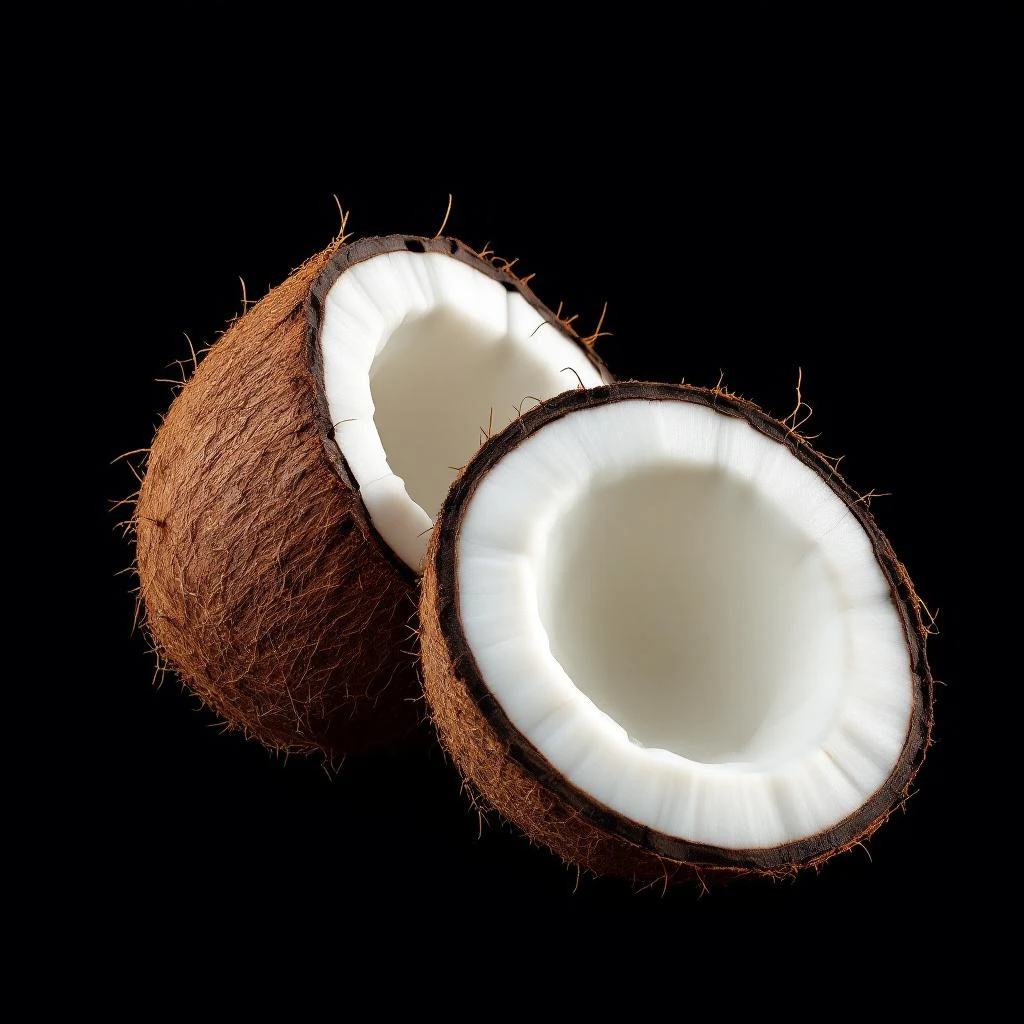
Currant Bud
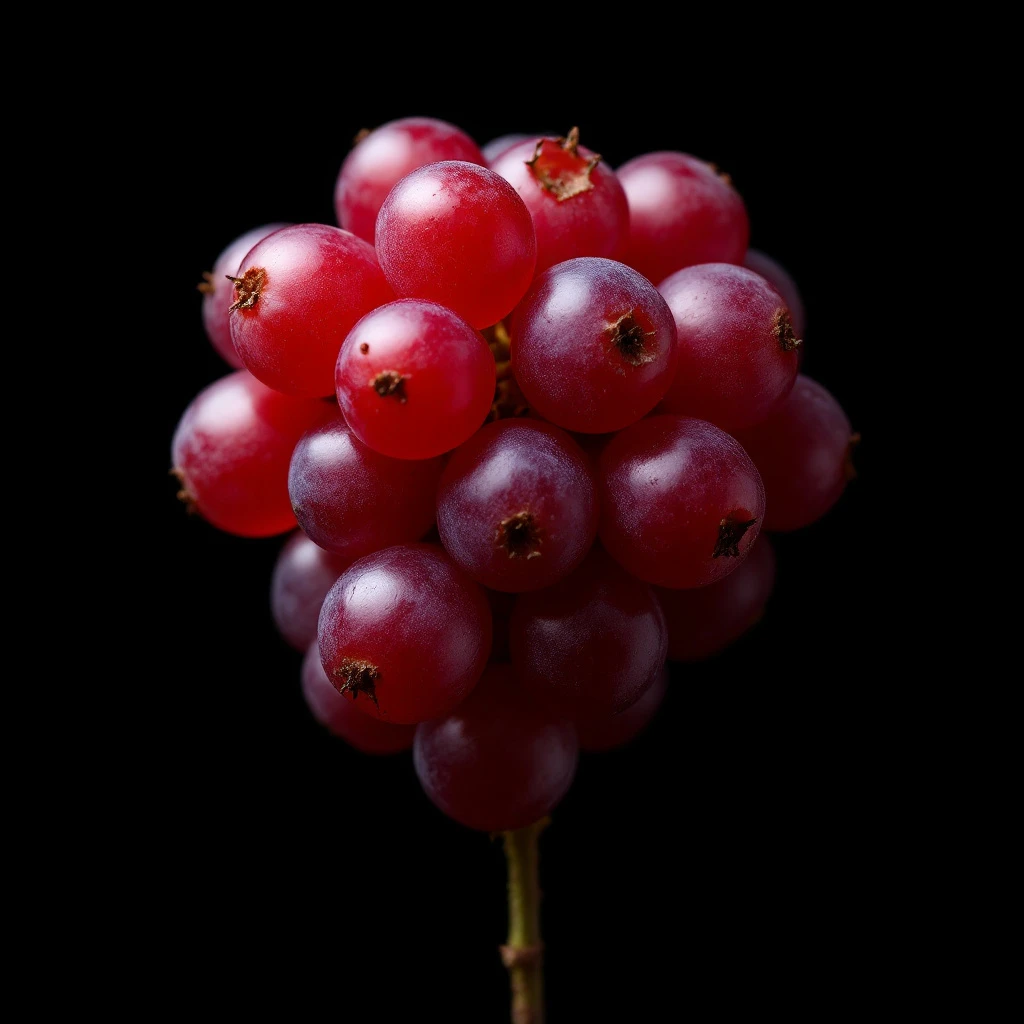
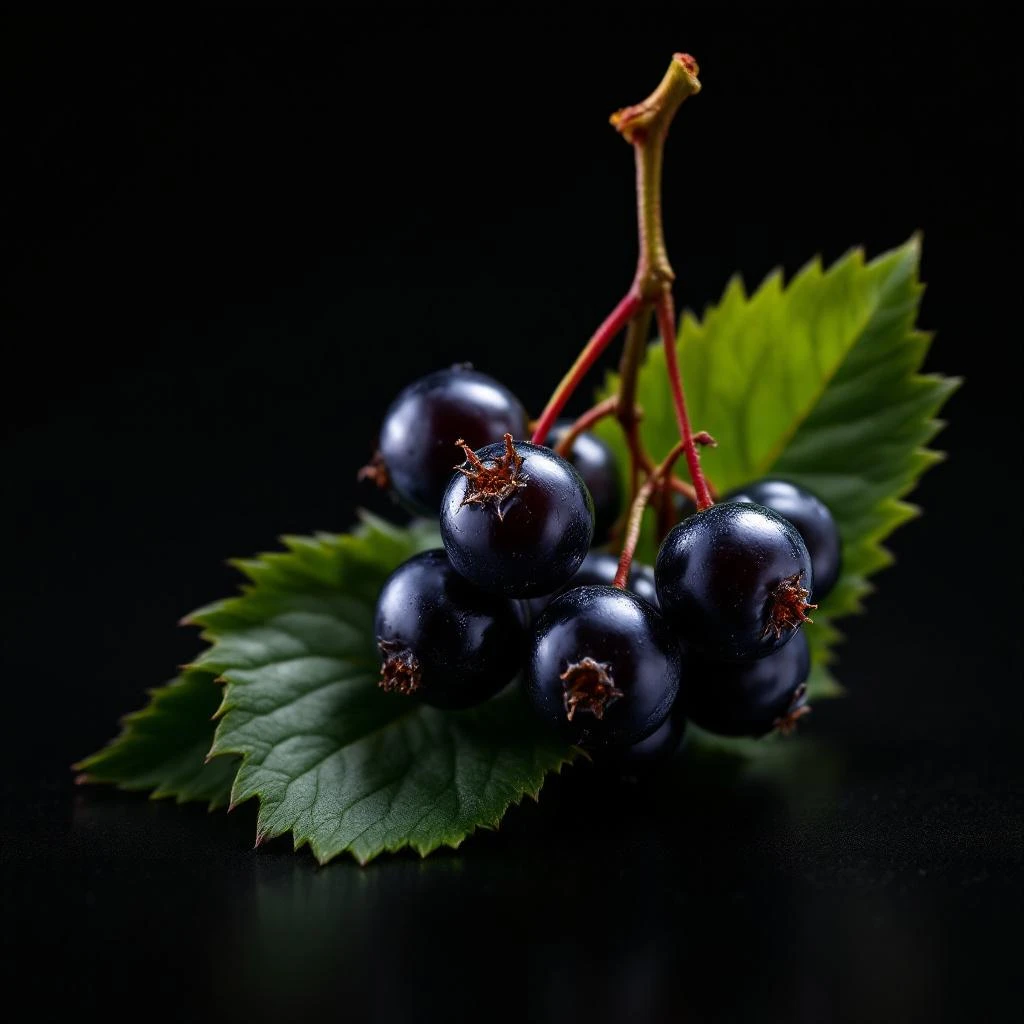
Blackcurrant bud absolute captures the crisp, green soul of Ribes nigrum before the fruit appears. This rare perfumery material delivers a sharp, fruity, and faintly sulfurous character that brings unexpected freshness to fragrance compositions.
Character
How it smells
The green heart of Burgundy
The sulfurous quality in blackcurrant bud absolute mimics the sharp, zingy sensation of biting into a fresh currant.



Origin
France
Guerlain introduced blackcurrant bud to fine perfumery in 1969 with the launch of Chamade, marking the first time this material appeared in a major fragrance. The ingredient traces its commercial perfumery use to the Burgundy region of France, particularly the area around Dijon, where blackcurrant cultivation has deep roots dating to at least 1841. This same region produces cassis, the celebrated blackcurrant liqueur that shares the plant's distinctive character.
While blackcurrant bud remained relatively niche after its debut, it became a signature note for perfumers seeking a green, fresh quality that no synthetic replicate fully captures. Today it appears in select fragrances across multiple houses, valued for its ability to inject vitality into fruity, chypre, and green compositions.
Wears it best
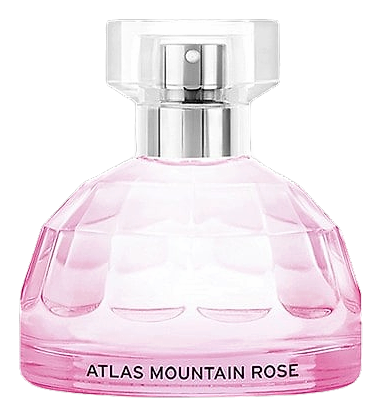
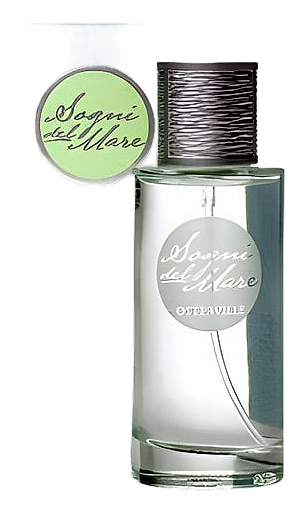
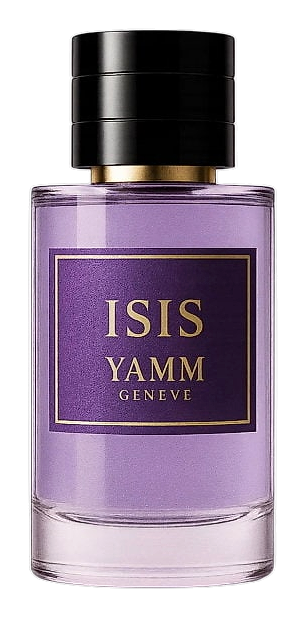
Fragrances featuring Currant Bud
Brands
Brands known for Currant Bud
Good to know
Questions, answered
The essentials on Currant Bud in perfumery: how it smells, where it comes from, and how it behaves on skin.
What is currant bud in perfumery?
Currant bud refers to blackcurrant bud absolute, a rare natural material extracted from the dormant winter buds of Ribes nigrum. It adds a distinctive green, fruity character with sulfurous undertones to fragrance compositions, primarily used in fine perfumery for its freshness and complexity.
Is blackcurrant bud natural or synthetic?
Blackcurrant bud is a natural ingredient, specifically an absolute obtained through solvent extraction of the buds. It is relatively rare and expensive because the buds must be harvested during a narrow seasonal window and processed through multiple extraction stages.
How does blackcurrant bud differ from blackcurrant fragrance?
Blackcurrant bud absolute captures a green, vegetative character that reflects the plant itself. The bud note is crisper and more sulfurous, while synthetic or fruit-derived blackcurrant notes tend toward sweeter, jammier facets without the same green intensity.
What does blackcurrant bud smell like?
Blackcurrant bud absolute presents a green, sharp, and slightly sulfurous aroma with fruity and woody undertones. The sulfur compounds contribute a distinctive zingy quality reminiscent of the sensation of eating fresh currants, making it instantly recognizable.
When was blackcurrant bud first used in perfumery?
Guerlain first used blackcurrant bud in the perfume Chamade in 1969, marking the ingredient's debut in fine perfumery. This historic introduction established blackcurrant bud as a signature green-fruity material within the perfumer's palette.
Why does blackcurrant bud smell sulfurous?
The sulfurous quality comes from natural sulfur-containing compounds present in the bud, including thiols and sulfides. These compounds contribute the characteristic sharp, zingy freshness that makes blackcurrant bud absolute so distinctive and recognizable.
What fragrances pair well with blackcurrant bud?
Blackcurrant bud combines well with floral notes like rose and jasmine, green accords, other berry materials, and woody bases such as sandalwood. It performs especially well in fruity, chypre, and green fragrance families.
Which perfume first featured blackcurrant bud?
Guerlain's Chamade, launched in 1969, was the first major fragrance to feature blackcurrant bud as a named ingredient. This pioneering use by perfumer Jean-Paul Guerlain introduced the material to the fine perfumery world.