Wild Rhubarb
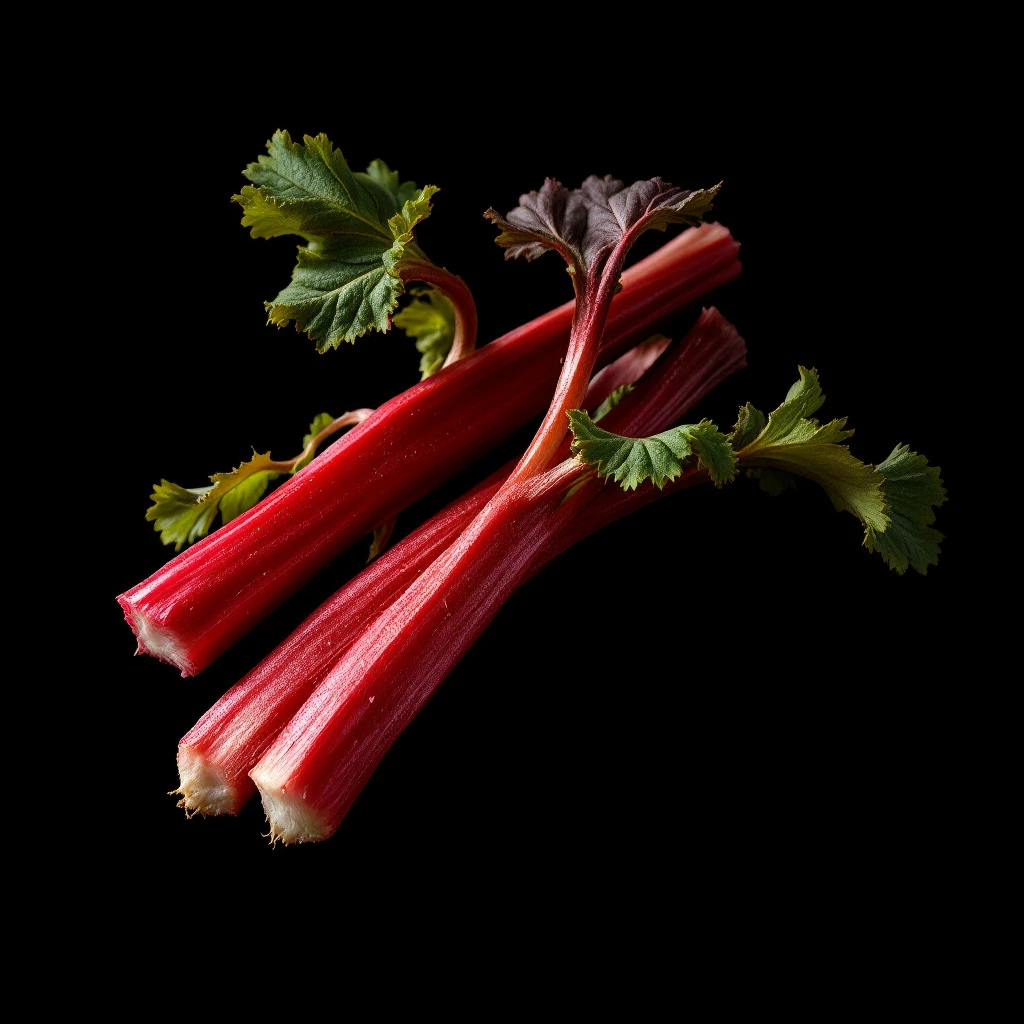
Wild rhubarb delivers a bracing tartness that cuts through summer air. In perfumery, this green, almost medicinal bite is entirely lab-crafted, capturing the vegetable's raw, garden-fresh intensity.
Character
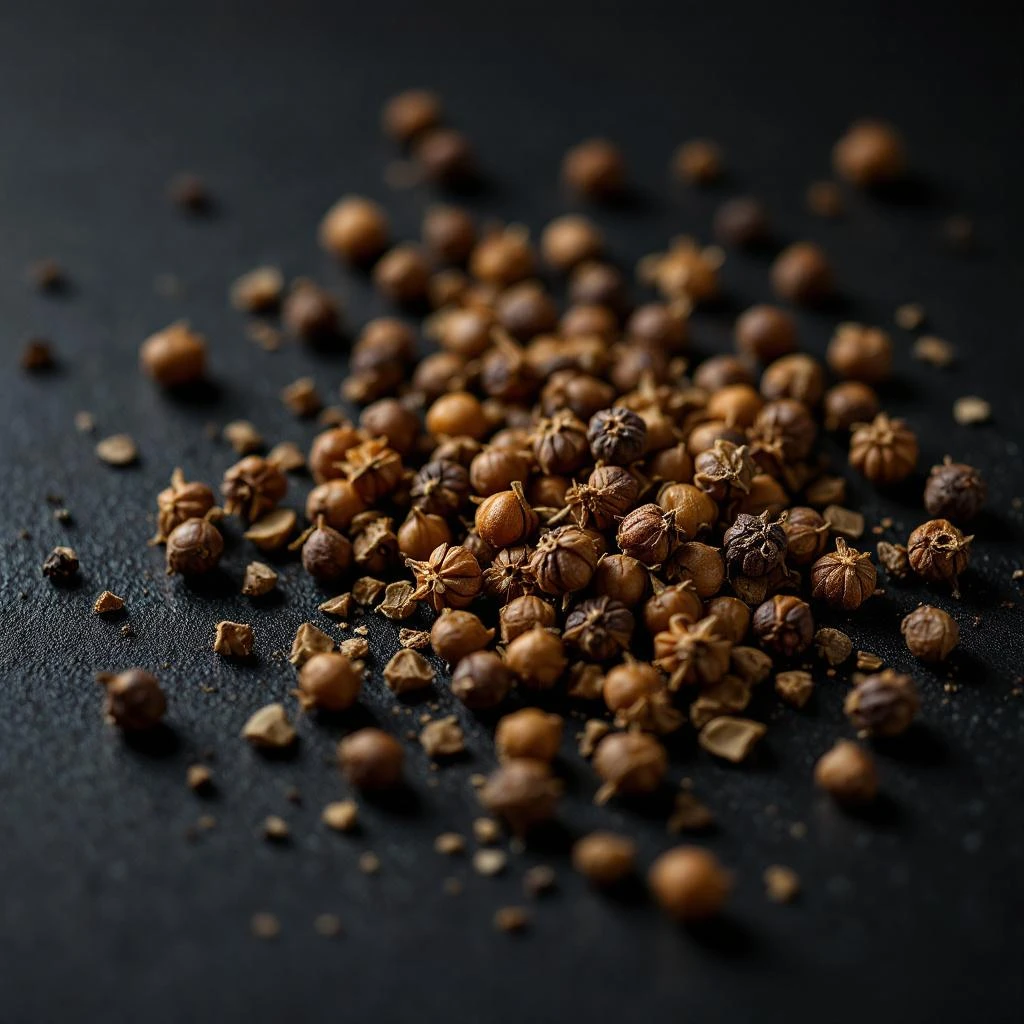
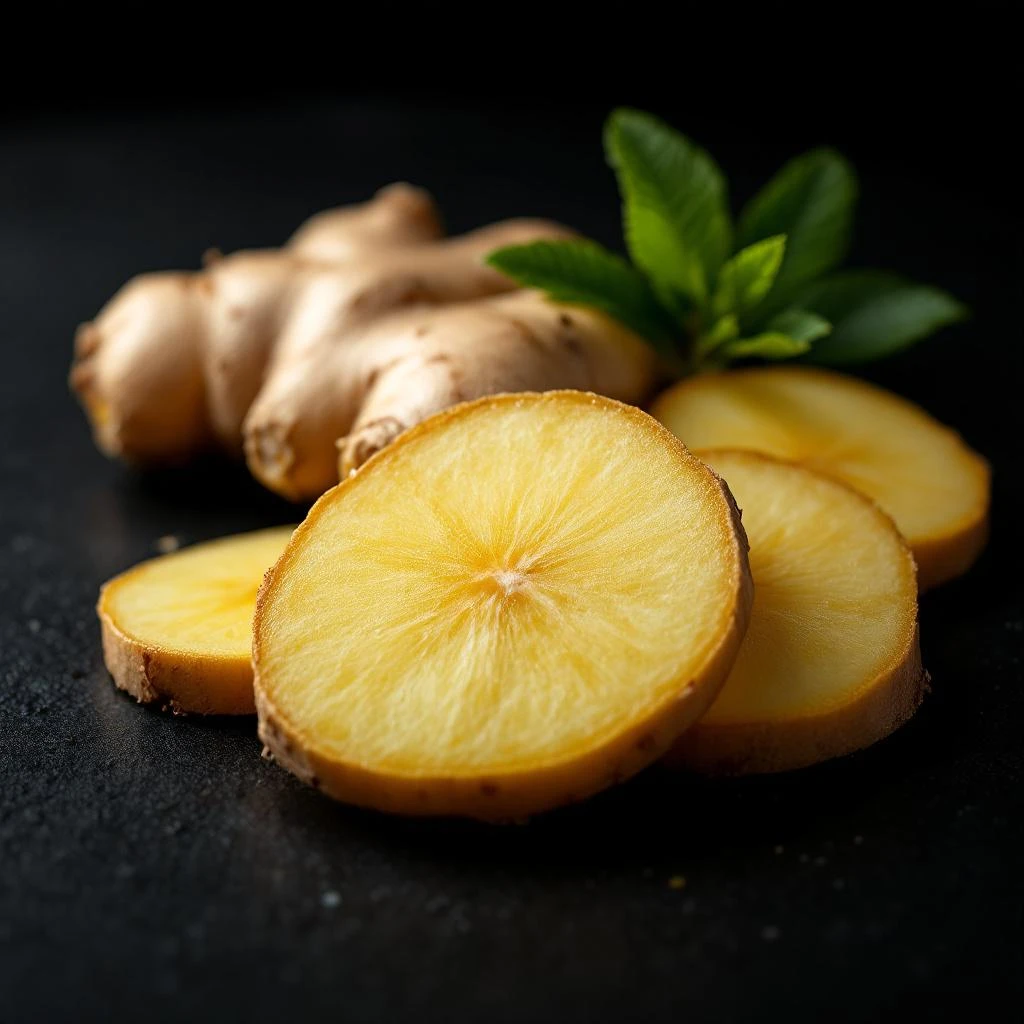
How it smells
The sharp green bite of a garden cut short.
Rhubarb leaves contain toxic oxalic acid, yet the stalks have been prized in cooking and traditional medicine for over 4,000 years.



Origin
China
While rhubarb has ancient roots in Chinese medicine dating back millennia, its journey into perfumery only began in the twentieth century. The breakthrough came alongside advances in organic synthesis during the 1800s, when chemists first learned to isolate and recreate plant molecules in the lab. Before these developments, no amount of distilling or extracting could capture rhubarb's fleeting green scent.
Once synthetics became standard practice in perfumery, rhubarb found its place as a bridge between garden and chemistry. Today it appears across women's fragrances, gender-neutral compositions, and niche releases that explore green, naturalistic themes.
Wears it best
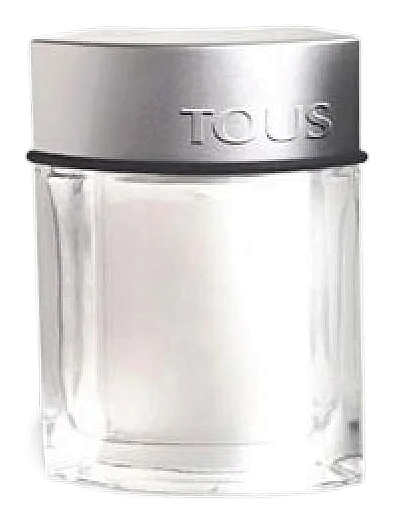
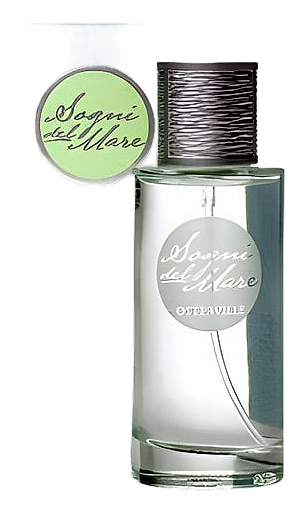
Fragrances featuring Wild Rhubarb
Brands
Brands known for Wild Rhubarb
Good to know
Questions, answered
The essentials on Wild Rhubarb in perfumery: how it smells, where it comes from, and how it behaves on skin.
Is wild rhubarb used in perfumery the same as culinary rhubarb?
No. Wild rhubarb in perfumery is entirely synthetic. While culinary rhubarb comes from the plant's stalks, no extraction method can capture its scent for fragrance use. Chemists recreate the characteristic tart, green aroma using lab-produced aroma compounds instead.
What does wild rhubarb smell like in perfume?
Wild rhubarb delivers a sharp, tart bite reminiscent of biting into a fresh stalk. The scent combines green freshness with subtle metallic and slightly astringent qualities. It reads as crisp, garden-fresh, and energizing in fragrance compositions.
Can natural rhubarb extract be used in perfumes?
Natural extraction of rhubarb for perfumery is not viable. The plant's scent molecules are too volatile and sparse to extract commercially. Every rhubarb note in perfume comes from synthetic reproduction of the aroma chemicals found in the fresh vegetable.
Where does culinary rhubarb come from originally?
China remains the world's largest producer of rhubarb, with a cultivation history spanning thousands of years. The plant originated in East Asia and was first valued for its medicinal properties before becoming a culinary ingredient.
What fragrance families commonly use rhubarb notes?
Rhubarb appears most often in green, chypre, and floral fragrance families. Perfumers use it to add brightness and cut through sweeter elements. The note works particularly well alongside rose, blackcurrant, and other green florals.
Does synthetic rhubarb have any advantages over natural extracts?
Synthetic production offers consistency and stability that natural materials cannot match. Each batch smells identical, and the scent lasts longer in formulations. This reliability makes rhubarb a dependable creative tool for perfumers.
When did rhubarb first appear in commercial fragrances?
Rhubarb notes became common in commercial perfumery during the late twentieth century, coinciding with the green fragrance trend. The synthetic compounds needed to recreate its scent became reliably available as aroma chemistry advanced.
Is wild rhubarb considered a sustainable ingredient choice?
Because wild rhubarb is synthetic, it avoids the land use, water consumption, and seasonal variability associated with growing the plant. However, synthetic production has its own environmental considerations related to chemical manufacturing processes.