The Story
Why it exists.
The beginning
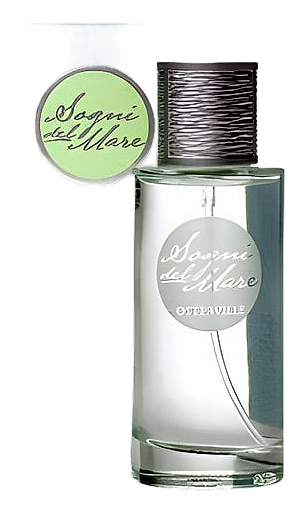
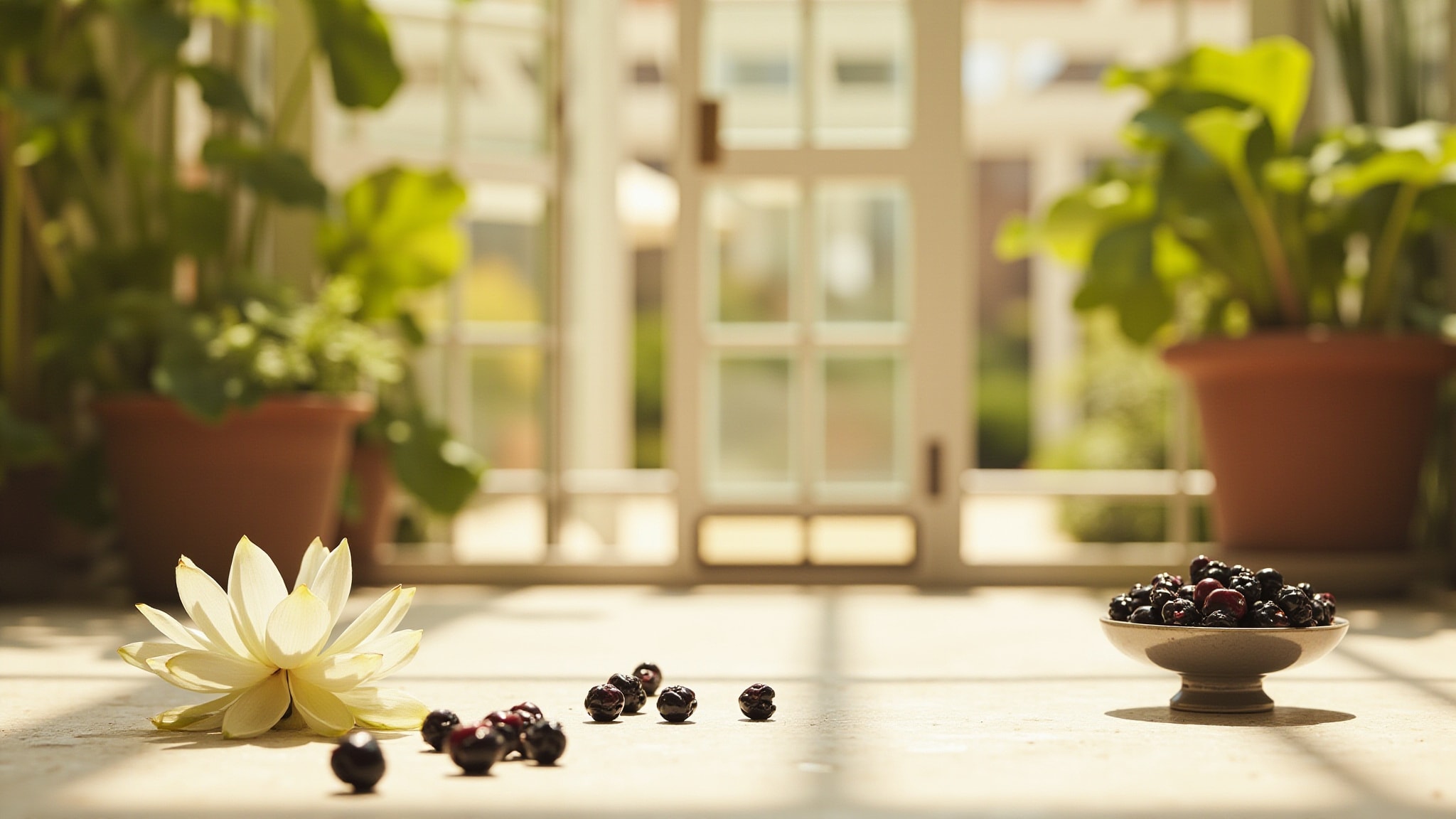
Sogni del Mare launched in 2007 as a departure from what Antonia's Flowers had built its name on. The house, founded by florist Antonia Bellanca on Long Island in 1984, was known for luminous garden florals, compositions rooted in her decades among fresh blooms. This one looked seaward instead. The name says it plainly: Dreams of the Sea. Not a literal ocean scent, but a poetic one, the idea of it, filtered through someone who thinks in petals and stems. Bellanca's botanical sensibility shaped how the marine element came across. No synthetic aquatics here. Instead: the mineral coolness of rhubarb, the watery grace of lotus, the dark berry tartness of cassis. A sea dreamed up by a florist.
What makes Sogni del Mare structurally interesting is the tension between green and aquatic. In most fragrances, those accords take turns. Here they share space from the start, rhubarb's acidic, almost savory green arriving alongside bergamot's bright citrus, both supported by cassis and a whisper of orange. The lotus is the real move. It doesn't sit at the top as a decorative note. It emerges in the heart and stays, giving the aquatic element a waxy, almost creamy quality that prevents it from going flat or airy. Blackcurrant does something similar from the fruity side, adds a syrupy depth that grounds what could have been an delicate composition.
The evolution
The opening hits quickly: bergamot's citrus brightness arriving first, clean and immediate. Within minutes the wild rhubarb takes over, that cool, green, slightly tart quality that gives the fragrance its character. It smells like mineral water made from garden stems. The blackcurrant builds slowly underneath, adding a dark fruit sweetness that softens the acidity without taking over. By the mid-drydown, the lotus arrives. That's when the sea feeling actually happens, not at the opening, but here, as the waxy white flower emerges and the composition shifts from green to watery, from garden to coast. The cassis and lotus together create something quietly deep. What surprises is the longevity of the base. The aquatic element doesn't fade quickly, it deepens, becomes warmer, more ozonic. Not seafoam anymore. More like the ocean at dusk, still and close. The final hours are soft, intimate, skin-close. The sillage was never designed to fill a room. It was designed to linger.
Cultural impact
Sogni del Mare arrived in 2007, a period saturated with aquatic fragrances. Most followed the same blueprint, marine accords, sheer projection, beach-season associations. This one carved a different path. The rhubarb-green quality and botanical grounding gave it a specific character that set it apart from the mainstream aquatics of that era. Today, discontinued and harder to source, it appeals to a particular kind of wearer: someone who knows the brand's garden origins and wants the version that looked toward the sea. It holds up as something genuinely different rather than a period piece.