
Heritage
A house, in its own words
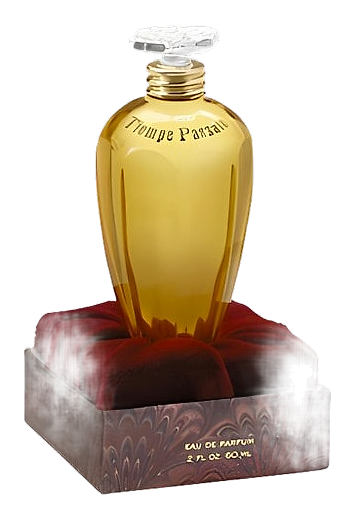
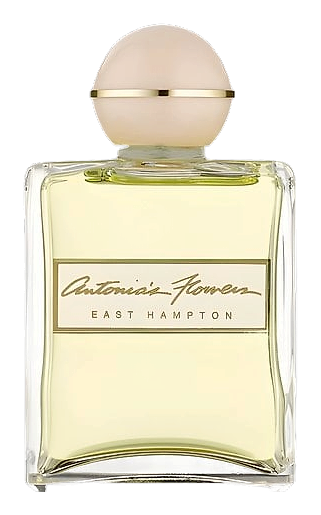
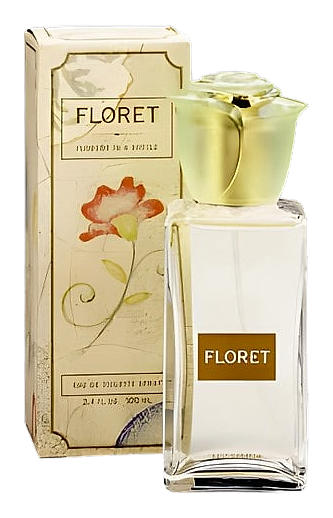
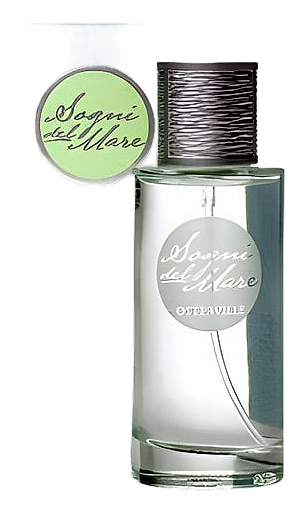
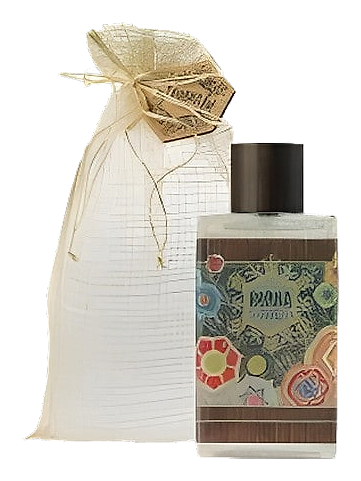
The story of Antonia's Flowers begins not in a laboratory but among fresh blooms. Antonia Bellanca spent years working for several florists before opening her own shop in East Hampton on Long Island in 1981. Her background was artistic: she studied art in Boston and France, training that shaped her sensibility for color, form, and composition. Yet it was her daily work with flowers that proved most formative. Flowers were her raw material, her medium, her language. Dissatisfied with what she found in the women's perfume market, she set out to create something different. In 1982, she began working with perfumer Bernard Chant, who had a distinguished career in American perfumery. Together, they developed her first fragrance, simply named Antonia's Flowers, which launched in 1984. The perfume began as an Eau de Toilette before the formula evolved. The house grew through word of mouth, with each subsequent fragrance building on the brand's reputation for authentic floral character. Floret arrived in 1995, followed by Tiempe Passate in 1999, Sogni del Mare in 2007, and Rokka in 2013. Throughout this period, Bellanca remained involved in formulation, bringing the perspective of someone who had spent years actually handling flowers to the task of capturing their essence in liquid form. Antonia Bellanca entered perfumery as an outsider, and that outsider status shaped her approach. She did not train as a perfumer; she trained as a florist and an artist. Where the perfume industry offered limited options, she saw opportunity. Her dissatisfaction with the lack of variety in women's perfumes was not a complaint about quality but about imagination. She wanted fragrances that smelled like real flowers, not like synthetic approximations or abstract concepts. This meant approaching fragrance creation with the sensibility of someone who knew flowers intimately. She understood how they opened, how they aged, how their scent changed through the day and across seasons. This practical knowledge informed her work with perfumer Bernard Chant. She was seeking something specific: floral scents that felt honest, that had the complexity and nuance she encountered in her shop rather than the flattened, synthetic character she found elsewhere. The brand's philosophy centers on florals as the heart of composition, not as accessories to other notes. Each fragrance in the lineup centers on a particular floral or floral combination, treated with attention to how the material actually smells rather than how it is typically represented in fragrance pyramids.