
The Story
Why it exists.
The beginning
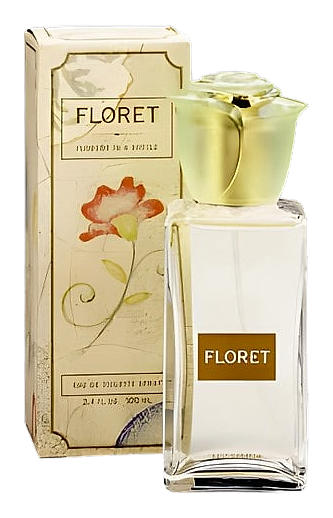
Antonia's Flowers launched its debut fragrance in 1984, drawing on years of working with fresh flowers. The scent was bright and botanical, rooted in the physical properties of real flowers rather than an abstracted idea of them. By the mid-1990s, the brand returned to that botanical source with a new fragrance. Floret was built around individual floral notes, each treated as its own element within the composition. Where the debut had been bright and singular in its botanical character, this was something more layered. A garden path at dawn, where sweet pea and lily of the valley could lead the way, and apricot could follow with its warm, sunlit quality.
Sweet pea is an unusual choice here. It is delicate, fleeting, and rarely leads a composition because its fragrance does not project the way stronger materials do. Most perfumers use it as a supporting note, if at all. Placing it prominently is a choice that favors botanical realism over performance. The apricot does not sweeten the florals in the way a sugary note would. Instead it warms them, adding a sunlit quality that keeps the composition grounded. Marigold adds a quiet herbal depth that keeps the garden from becoming precious or overly polished.
The evolution
The opening arrives clean and green. Sweet pea comes through with that characteristic fragility that most fragrances bury under louder materials. Within a short time, lily of the valley joins, bringing a sharp, dewy green quality that lifts the overall composition. The apricot begins to soften the blend, adding warmth that reads as sunlit rather than sweet. Tuberose arrives at some point in the development, present but measured in its delivery, more of a quiet presence than the bold, creamy assertiveness found in other tuberose fragrances. The heart of the fragrance holds an equilibrium between floral and fruity qualities. As it moves toward the drydown, the florals recede without disappearing entirely. What remains is close and warm, almost skin-like, a warmth that lingers for hours without announcing itself.
Cultural impact
The 1990s saw no shortage of white floral fragrances. Many of them leaned toward abstraction or heady opulence, pushing tuberose and gardenia to full volume. Floret offered a different approach, with a green clarity and sweet pea prominence that set it apart from the louder floral conventions of the time. The apricot warmth gave it a fruitiness that kept it from reading as purely green or purely floral. For those who encountered it, the combination of botanical realism and restraint made an impression. The fragrance had a following, and its eventual discontinuation deepened that attachment for those who had made it part of their routine.