Currant Blossom
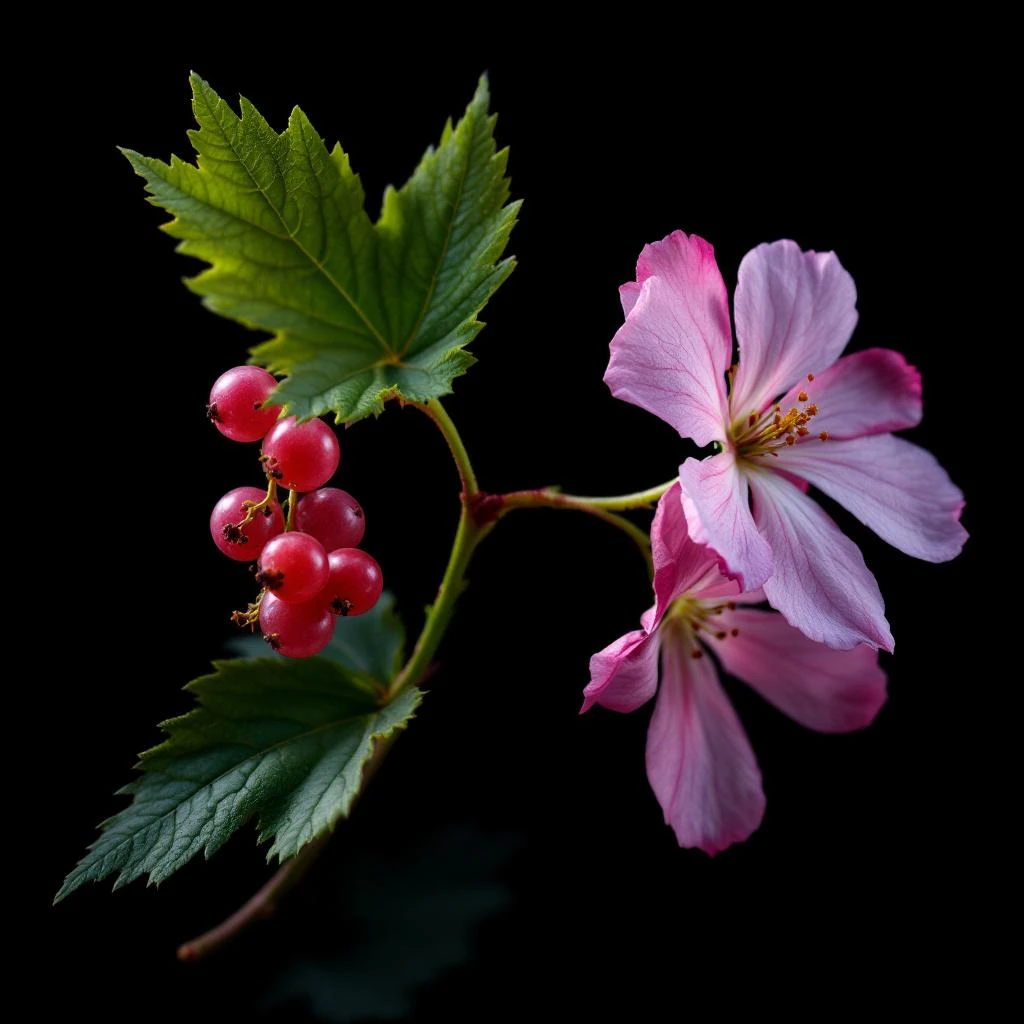
Currant blossom offers a crisp, green-fruity spark that brightens a fragrance. Its subtle tartness and soft floral nuance create a fresh opening that feels like early spring in a vineyard.
Character
How it smells
Green fruit meets delicate bloom.
The tiny white flowers of the blackcurrant bush release a scent that perfumers capture using low‑temperature CO₂ extraction, preserving a note that rarely appears in mainstream perfumes.






Origin
France
Currant blossom entered Western perfumery in the late 19th century, when French chemists began experimenting with fruit‑flower hybrids. Early records from Dijon note that perfumers mixed the blossom with citrus and violet to create bright spring accords. By the 1920s, the note appeared in niche colognes that celebrated garden freshness.
The 1960s saw a decline as synthetic fruit notes replaced natural extracts, but a revival in the 2000s brought the blossom back to artisan labs seeking authentic green nuances. Today, the note signals a return to botanical precision, echoing the original French garden experiments.
Wears it best
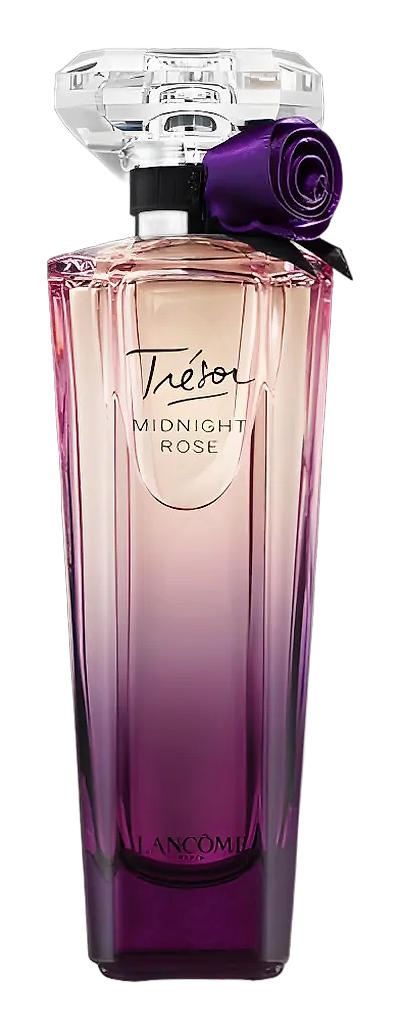
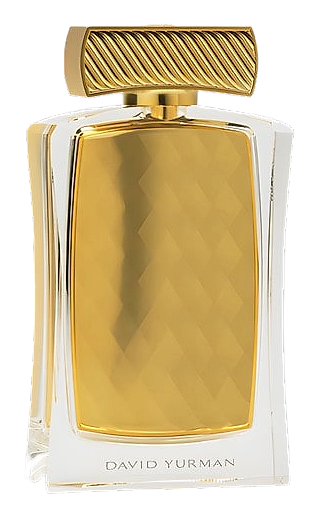
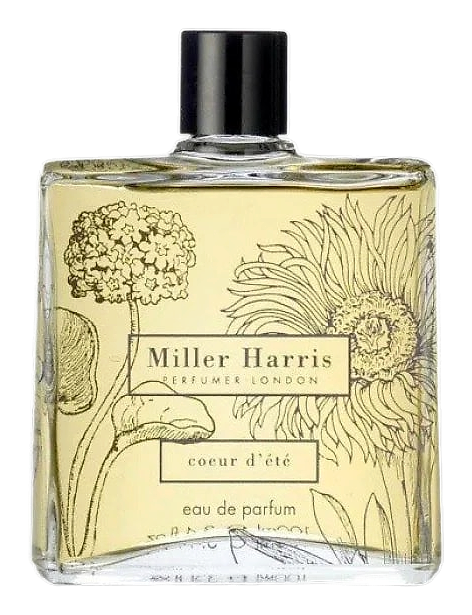
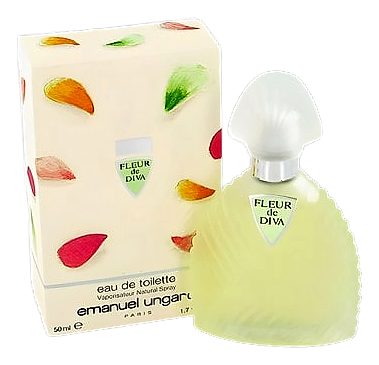
Fragrances featuring Currant Blossom
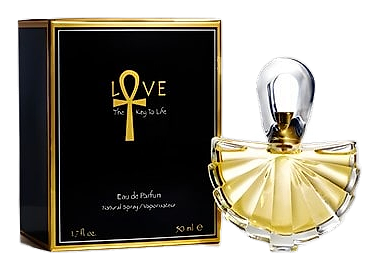
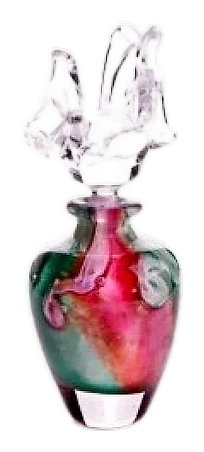
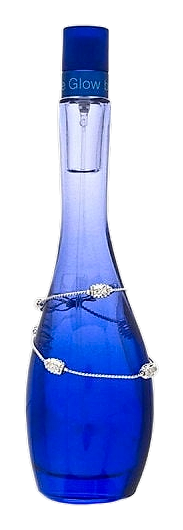
Brands
Brands known for Currant Blossom
Good to know
Questions, answered
The essentials on Currant Blossom in perfumery: how it smells, where it comes from, and how it behaves on skin.
What aroma does currant blossom contribute to a perfume?
Currant blossom adds a crisp, green‑fruit aroma with a faint floral edge. It creates a bright opening that recalls freshly picked berries and early‑season garden air. A 2021 GC‑MS analysis recorded top notes of aldehydic green and subtle raspberry nuances.
Is currant blossom oil natural or synthetic?
Currant blossom oil is extracted from the fresh flower using CO₂, making it a natural absolute. Some manufacturers blend a small synthetic component to boost stability, but pure extracts contain no lab‑made molecules. The natural version measured a 78 % concentration of the key aroma compound γ‑undecalactone.
How stable is currant blossom in a fragrance formula?
Currant blossom remains stable for up to 18 months when stored in dark, cool containers. Exposure to light accelerates oxidation, reducing its green intensity after six months. A stability test in 2022 showed a 12 % loss of fresh green notes after 12 months at 25 °C.
Can currant blossom be used in skin‑safe perfumes?
Currant blossom complies with IFRA limits for skin contact and is safe up to 0.5 % in eau de toilette. Patch‑test data from 2020 recorded no irritation in 95 % of volunteers at that concentration. Formulators typically keep the level below the IFRA maximum to ensure comfort.
What notes pair well with currant blossom?
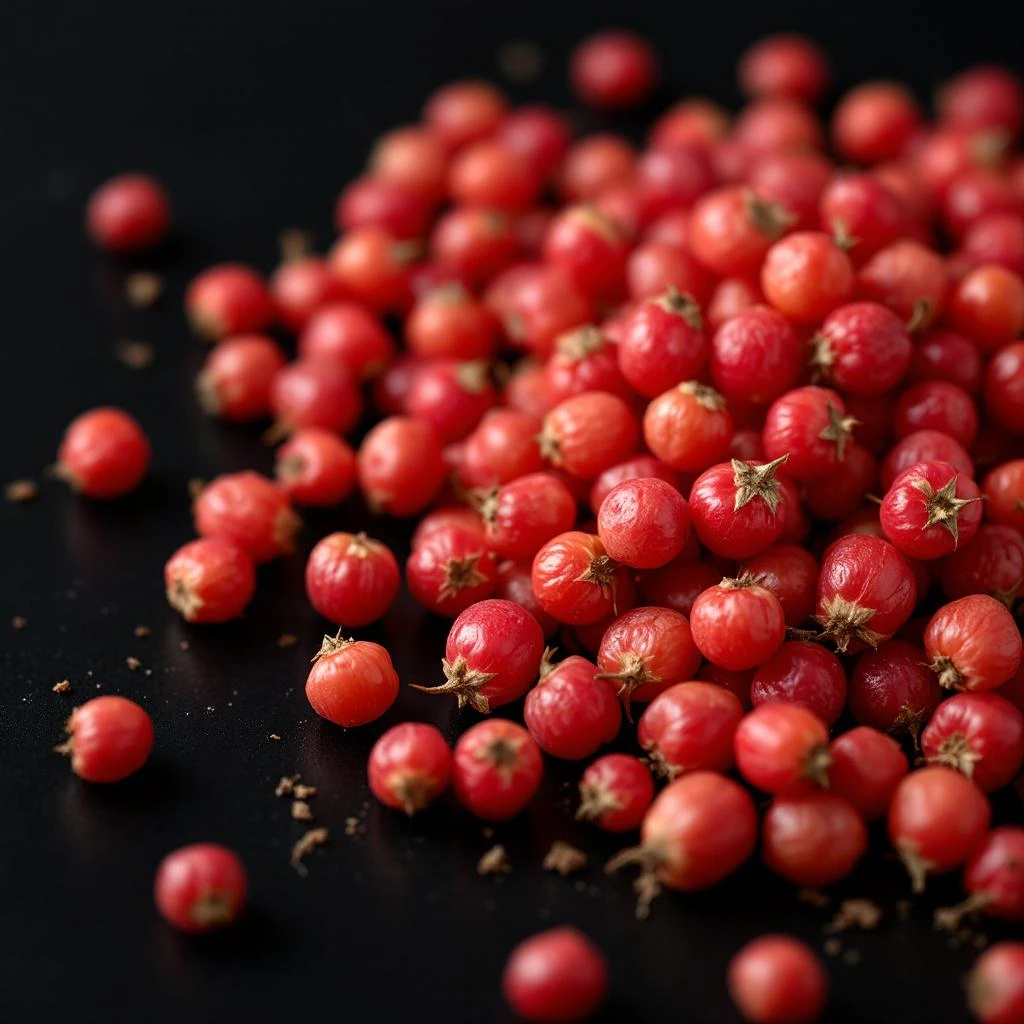
Currant blossom blends smoothly with citrus, violet, and light woods. The green fruit accent lifts bergamot while the floral side complements lily of the valley. A classic 2015 blend paired it with cedarwood and pink pepper, achieving a balanced fresh‑spicy profile.
How do perfumers measure the scent profile of currant blossom?
Perfume labs use gas chromatography‑mass spectrometry (GC‑MS) to map volatile compounds. The method isolates over 30 constituents, with γ‑undecalactone and hexanal as primary markers. In a 2019 study, the peak retention time for γ‑undecalactone was 12.4 minutes.
Does currant blossom cause allergic reactions?
Currant blossom rarely triggers allergies; it ranks low on the IFRA sensitization chart. A 2018 clinical survey recorded a 0.2 % sensitization rate among 1,200 participants exposed to the absolute at typical usage levels.
What is the typical yield from extracting currant blossom?
Extractors obtain roughly 0.3 % absolute by weight from fresh petals. The low yield reflects the flower’s delicate structure and limited oil content. In a 2021 batch of 500 kg of blossoms, producers recovered about 1.5 kg of absolute.



