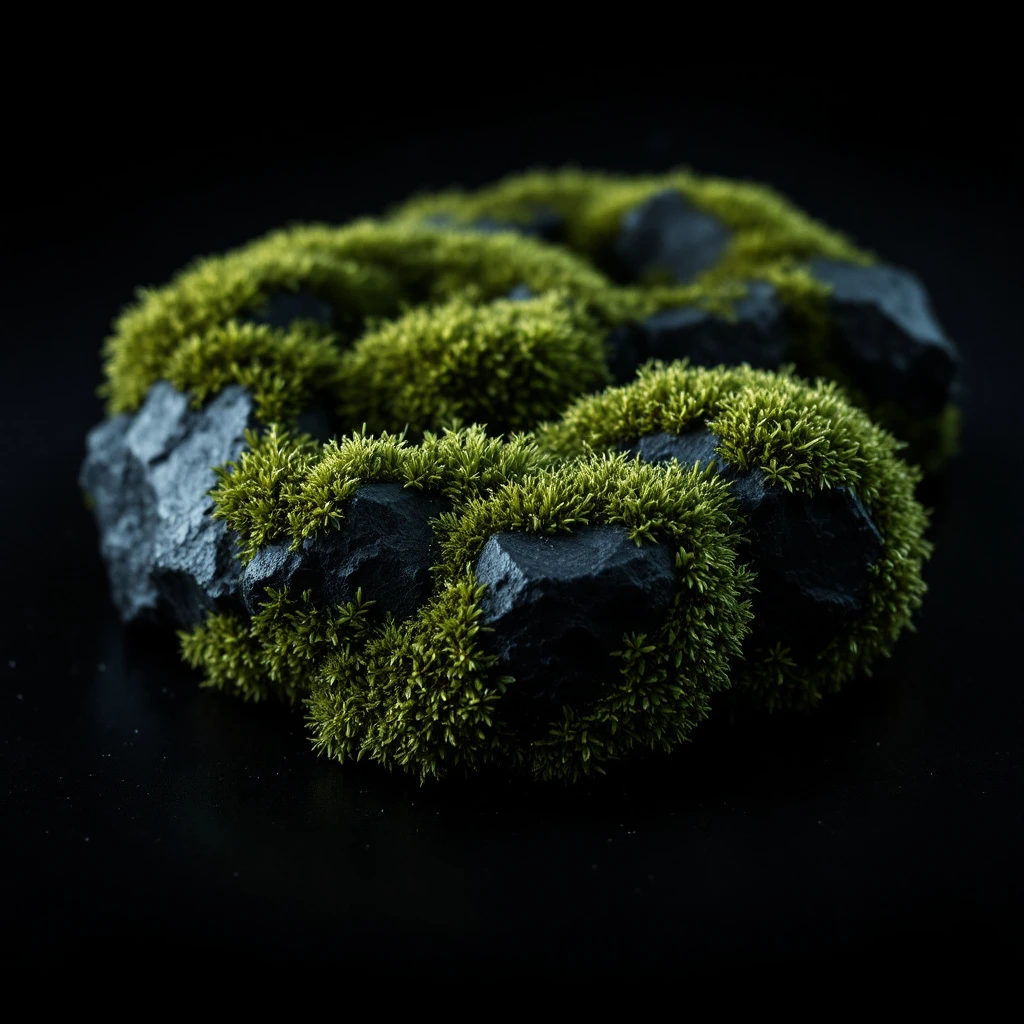
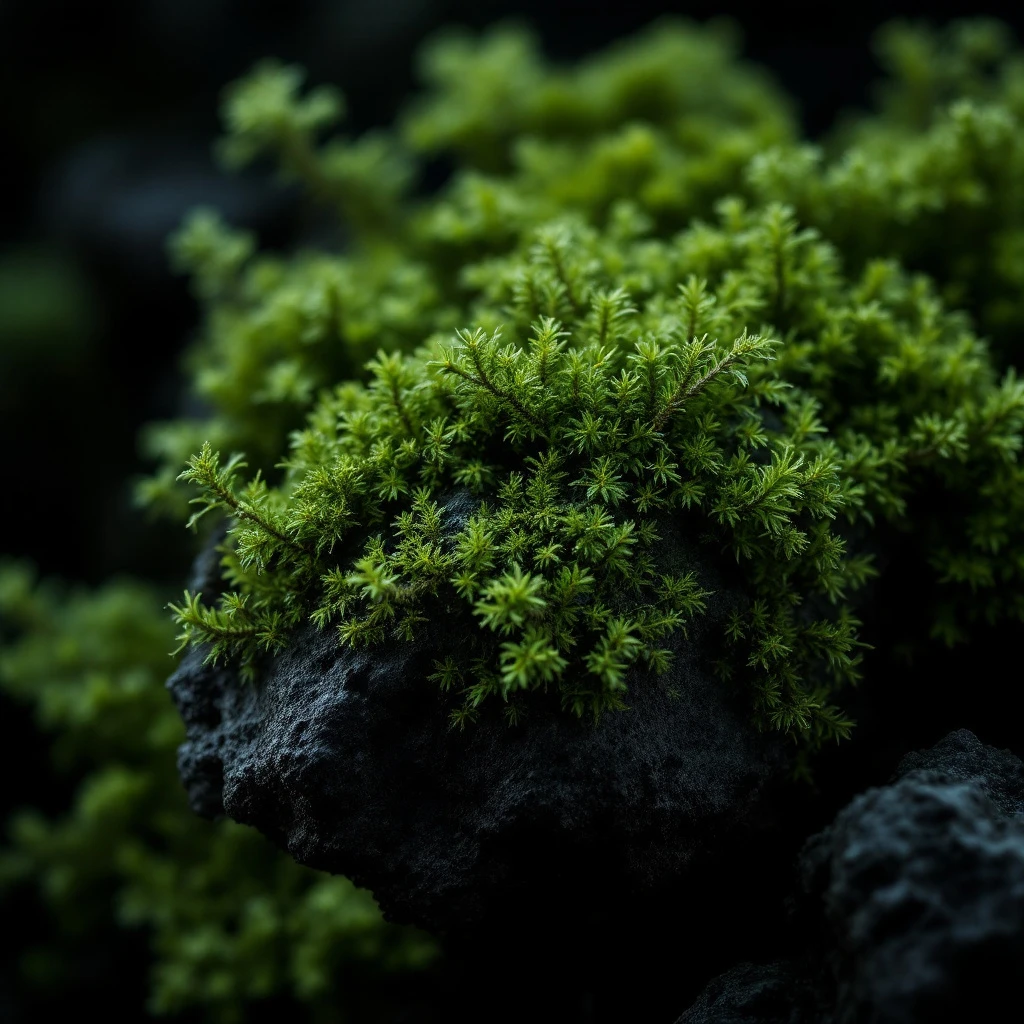
Croatian Oak Moss
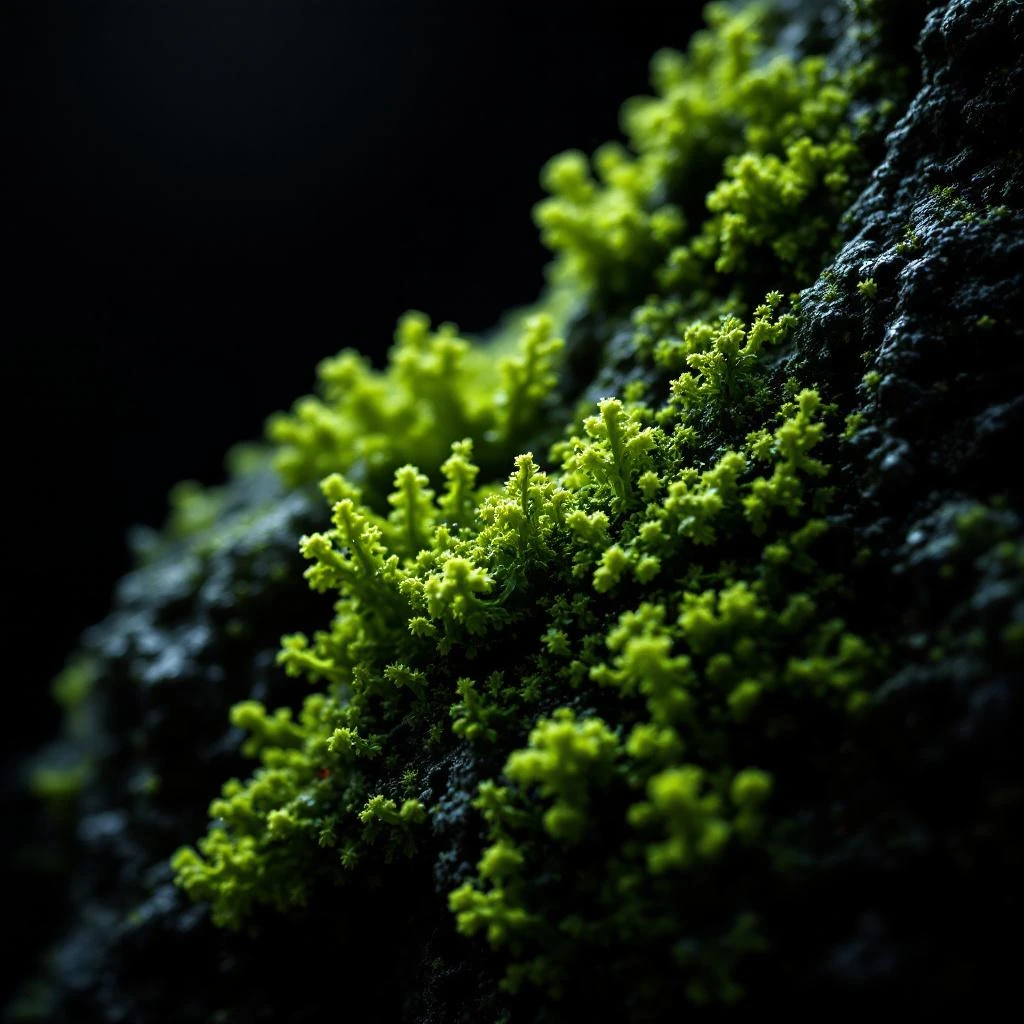
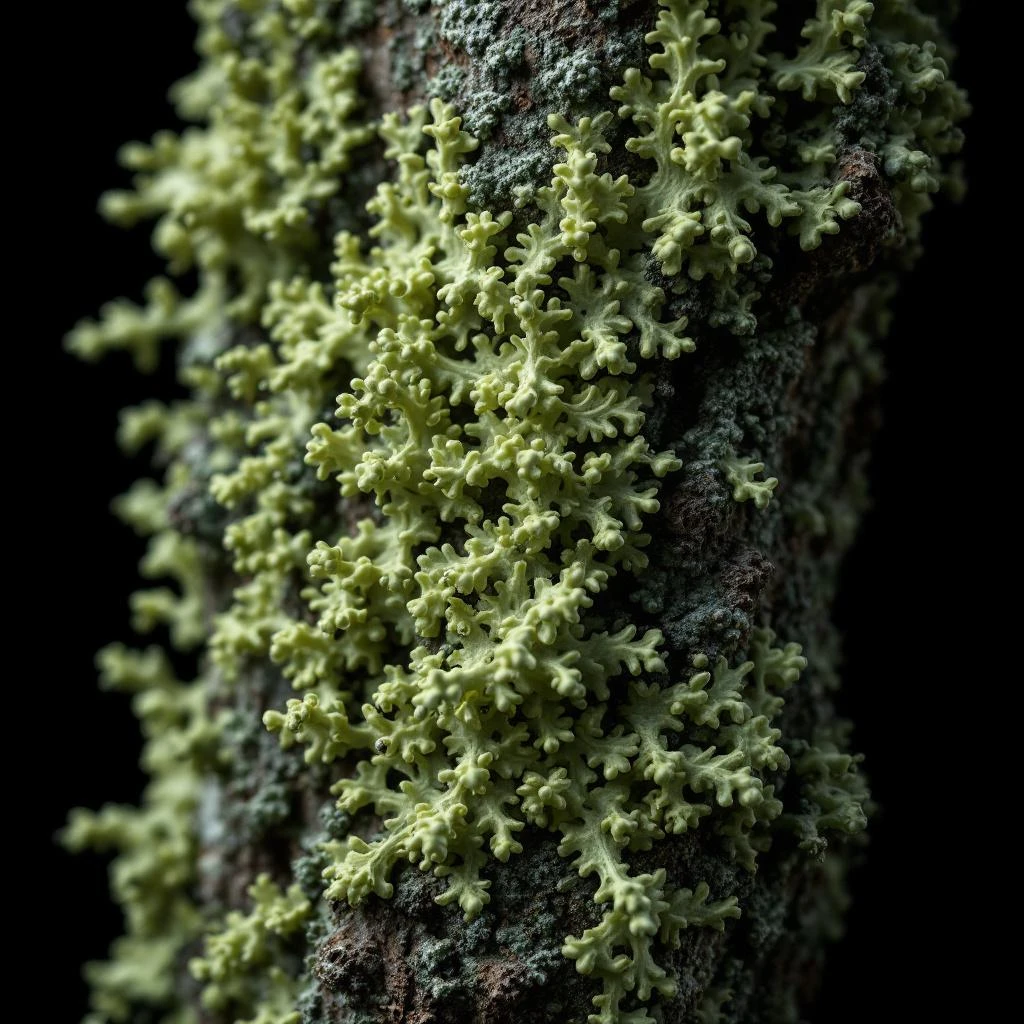
A foundational pillar of classical perfumery, Croatian Oak Moss delivers an intensely earthy, forest-floor aroma with hints of bark and damp soil. This lichen grows clinging to oak bark across the Adriatic coastal regions, absorbing the mineral essence of its woodland home.
Character
How it smells
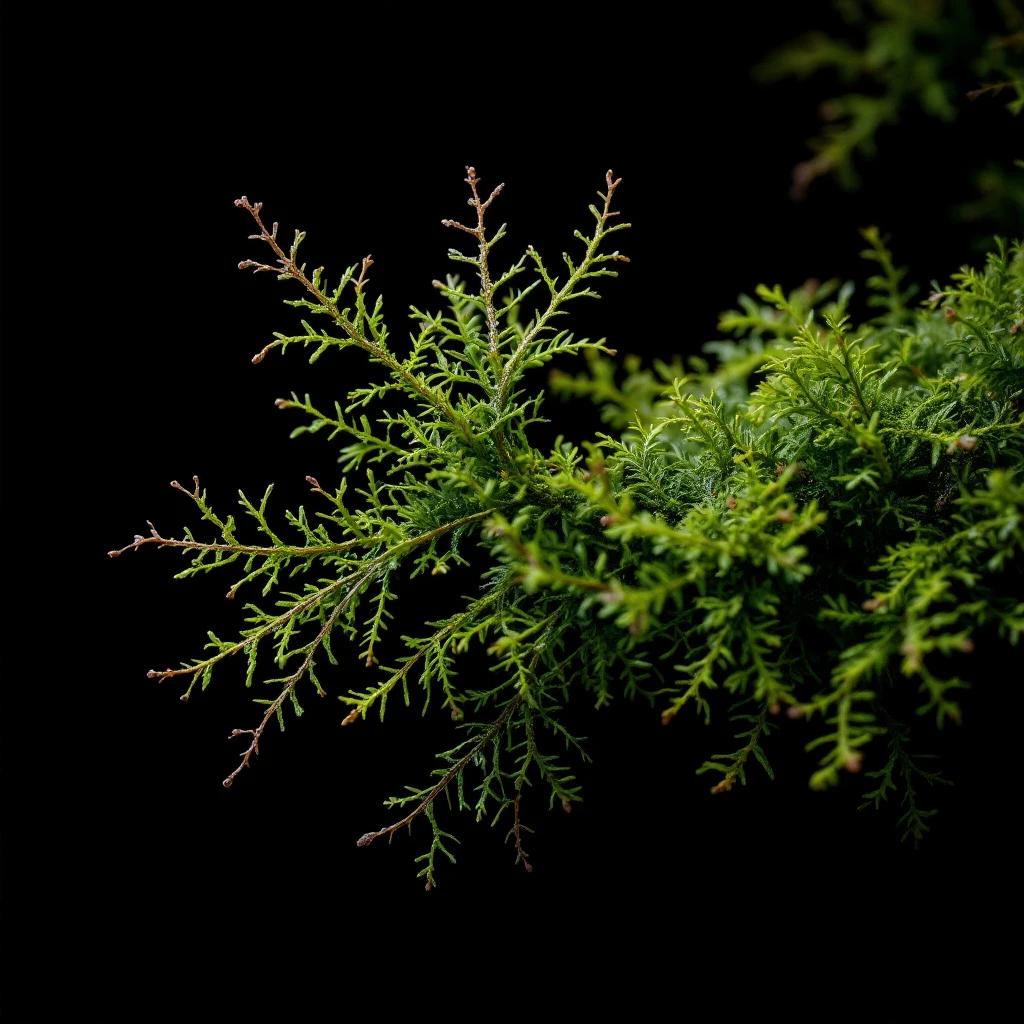
The ancient forest floor captured in an absolute.
Evernia prunastri is actually a lichen, not a moss, formed by a symbiotic partnership between a fungus and an alga.



Origin
Croatia
Oakmoss appeared in perfumery as early as the 16th century, though archaeological evidence suggests ancient Egyptians placed it in royal tombs. The lichen grew abundantly across what is now Croatia, where Venetian perfume traders likely acquired it for European courts.
Coty's 1917 launch of Chypre transformed oakmoss from an obscure ingredient into the cornerstone of an entire fragrance family. Croatian oakmoss became particularly valued for its consistent quality, attributed to the specific growing conditions along the Dalmatian coast.
For decades, Yugoslavian and later Croatian suppliers maintained relationships with French extraction houses. However, IFRA restrictions enacted in 2001 and tightened in 2008 significantly reduced permissible concentrations in consumer products, reshaping how perfumers work with this historic material.
Wears it best
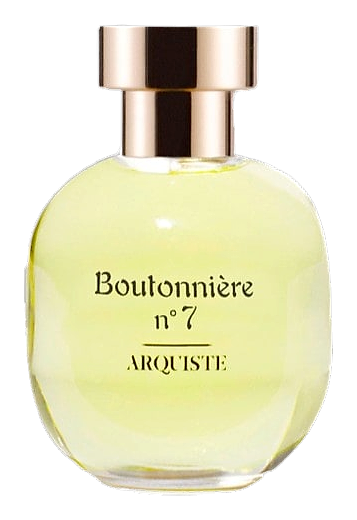
Fragrances featuring Croatian Oak Moss
Brands
Brands known for Croatian Oak Moss
Good to know
Questions, answered
The essentials on Croatian Oak Moss in perfumery: how it smells, where it comes from, and how it behaves on skin.
What does Croatian Oak Moss smell like?
It delivers an intensely earthy, forest-floor aroma with dry bark notes and damp soil undertones. The scent evokes walking through old-growth woodlands after rain, grounding compositions with natural depth.
Is oakmoss actually a moss?
No. Oakmoss is the common name for Evernia prunastri, a lichen that results from a symbiotic relationship between a fungus and an alga. The name is botanically inaccurate but has persisted for centuries.
How is oakmoss absolute extracted?
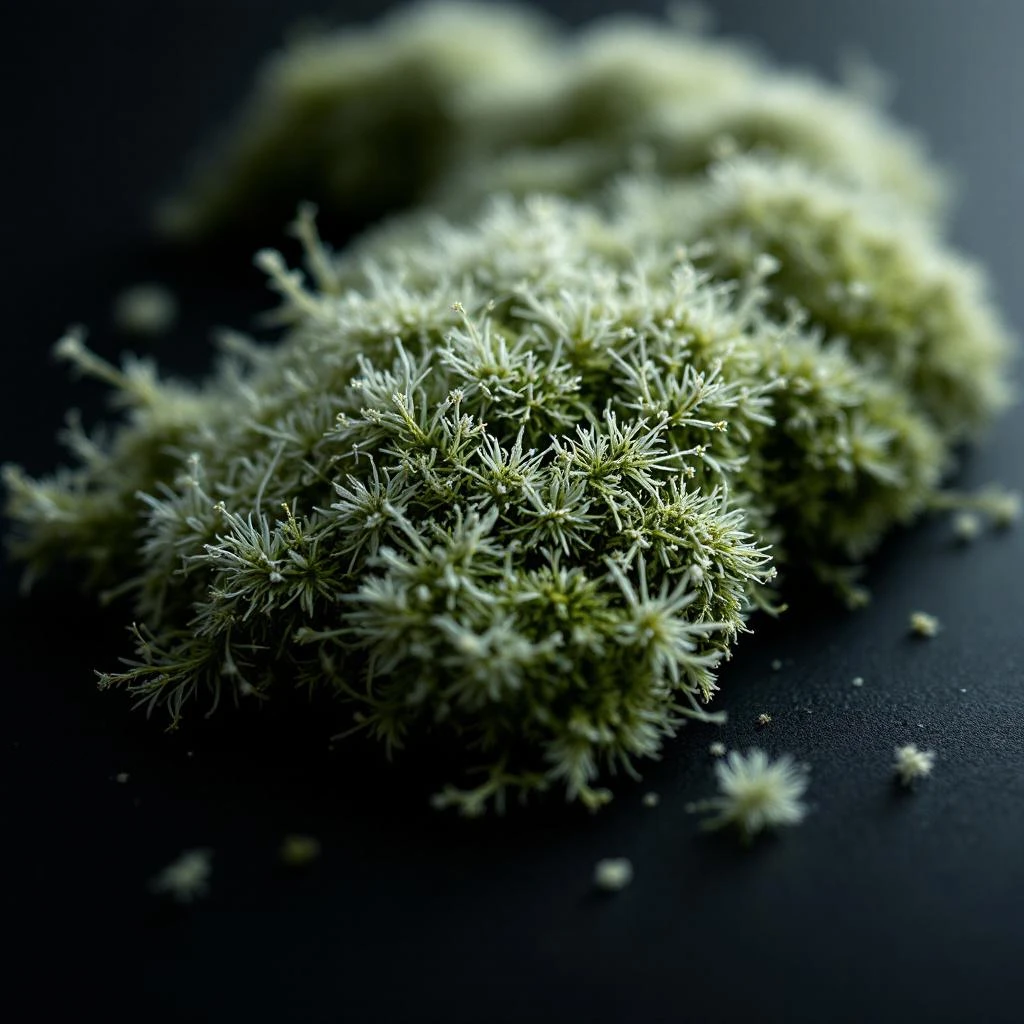
Solvent extraction using volatile solvents like hexane or ethanol. Harvesters collect the lichen from oak bark, dry it, then treat it with solvent to produce a concrete, which is further processed with alcohol to isolate the absolute.
Why is Croatian oakmoss historically significant?
Croatia sits within the primary harvest region for Evernia prunastri. The Dalmatian coast and Istrian forests produced consistent, high-quality lichen that became essential to French perfumers building the great chypre fragrances of the 20th century.
What fragrance families use oakmoss?
Chypre and fougère families rely most heavily on oakmoss. The ingredient provides the characteristic mossy, forest base that defines these families, though modern reformulations often use IFRA-compliant alternatives.
Are there restrictions on oakmoss in perfume?
IFRA regulations limit oakmoss concentration in consumer products due to potential skin sensitization. The 2008 restrictions effectively ended traditional chypre formulations, prompting perfumers to reformulate or seek nature-identical substitutes.
How much oakmoss do perfumers use?
Oakmoss absolute is highly potent. Perfumers typically use it at fractions of a percent in concentrate. Even small quantities provide substantial earthy depth, so proper dilution is essential for both safety and balance.
Can synthetic alternatives replace oakmoss?
Nature-identical molecules likeSynthetic versions of oakmoss compounds exist, but they capture only specific facets of the original. No single molecule replicates the full complexity of oakmoss absolute, which contains hundreds of aromatic compounds.