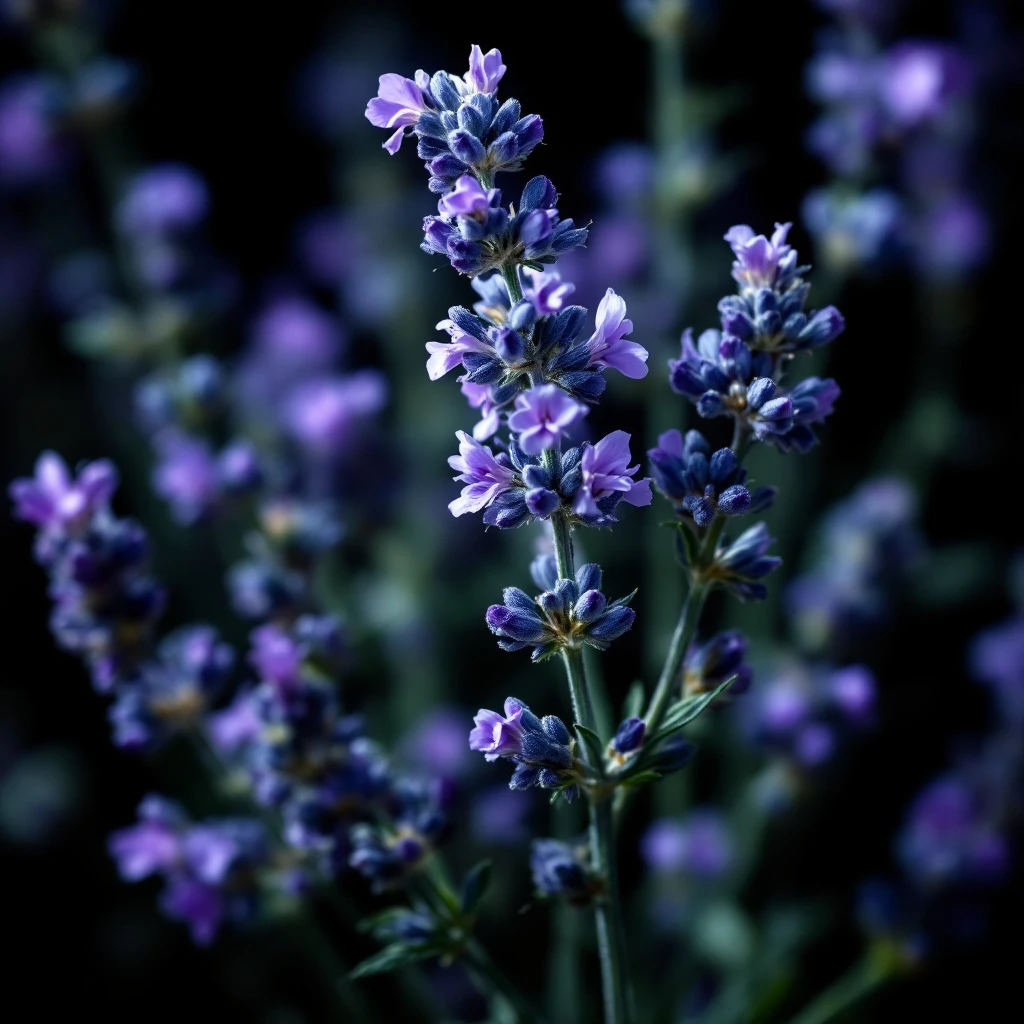
Crimean Lavender
Crimean Lavender thrives in the sun-baked hills of the Crimean Peninsula, where limestone soils and sea air shape an unusually bright, camphor-edged oil prized in niche perfumery.
Character
How it smells
Sunlit resin and wild herb from Black Sea shores
Crimean lavender fields bloom at lower elevations than their French counterparts, yielding oil with a higher 1,8-cineole content and a sharper aromatic lift.




Origin
Crimea (disputed territory, administered by Russia, claimed by Ukraine)
The Crimean Peninsula has harbored wild lavender since antiquity, growing on its dry southern slopes where Mediterranean climate meets Black Sea humidity. Greek colonists settling near Chersonesus in the sixth century BCE used local aromatic herbs for ritual unguents and funerary rites, and Byzantine monasteries later preserved botanical knowledge of these hillside plants through the medieval period.
When Catherine the Great annexed Crimea in 1783, Russian botanists began cataloguing the peninsula's flora, and by the early 1800s the Nikitsky Botanical Garden near Yalta was actively studying Crimean ecotypes alongside imported French varieties. Tatar and Russian families in the coastal villages of the nineteenth century harvested wild lavender by hand, distilling it in rudimentary stills for soap and folk medicine.
Soviet-era agricultural programs expanded cultivation across collective farms in the 1960s, though output never matched Bulgarian or French production volumes. Following the Soviet collapse, small-scale distillation returned to family hands, and a quiet revival of Crimean artisan perfumery now exports these singular oils to boutique fragrance houses across Europe.
Wears it best
Fragrances featuring Crimean Lavender
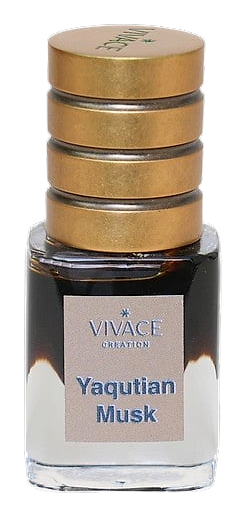
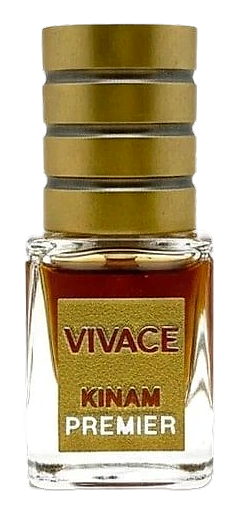
Brands
Brands known for Crimean Lavender
Good to know
Questions, answered
The essentials on Crimean Lavender in perfumery: how it smells, where it comes from, and how it behaves on skin.
What makes Crimean Lavender different from French Lavender?
Crimean Lavender grows at lower altitudes on limestone slopes near the Black Sea, producing oil with a noticeably higher cineole content. This gives it a brighter, more camphoraceous profile compared to the softer, more floral character of Provence distillations.
Is Crimean Lavender a specific botanical species?
Crimean Lavender refers to Lavandula angustifolia and Lavandula latifolia ecotypes cultivated on the Crimean Peninsula rather than a distinct species. These local varieties have adapted to the region's rocky, sun-exposed terroir over generations.
When is Crimean Lavender harvested?
Harvest typically runs from late June through mid-July, when plants reach peak bloom. Producers prefer to cut stems in the morning after dew evaporates but before midday heat volatilizes the delicate aromatic compounds.
Why is Crimean Lavender considered rare in modern perfumery?
Small-scale production, regional instability, and limited export infrastructure keep volumes low. Most output stays within local markets or reaches niche perfumers through specialty brokers rather than large commodity suppliers.
What does Crimean Lavender smell like?
The oil carries a sharp, herbaceous aroma with pronounced eucalyptus and camphor facets layered over classic lavender florals. A faint salty-mineral note reflects the maritime influence of its coastal growing sites.
How is Crimean Lavender essential oil extracted?
Producers use small steam stills charged with freshly cut flowering tops. Distillation runs between 45 and 90 minutes, yielding approximately 1.2 to 1.8 percent oil by plant weight.
Does Crimean Lavender have a Protected Designation status?
No. Unlike French Lavender, which benefits from AOC protections, Crimean Lavender has no formal geographical indication. Quality and authenticity depend entirely on individual producer reputation.
Can Crimean Lavender be used in aromatherapy?
Yes. The elevated cineole content gives Crimean Lavender oil a stronger respiratory-decongestant character than typical lavender oils, making it popular in blends targeting clarity and alertness.