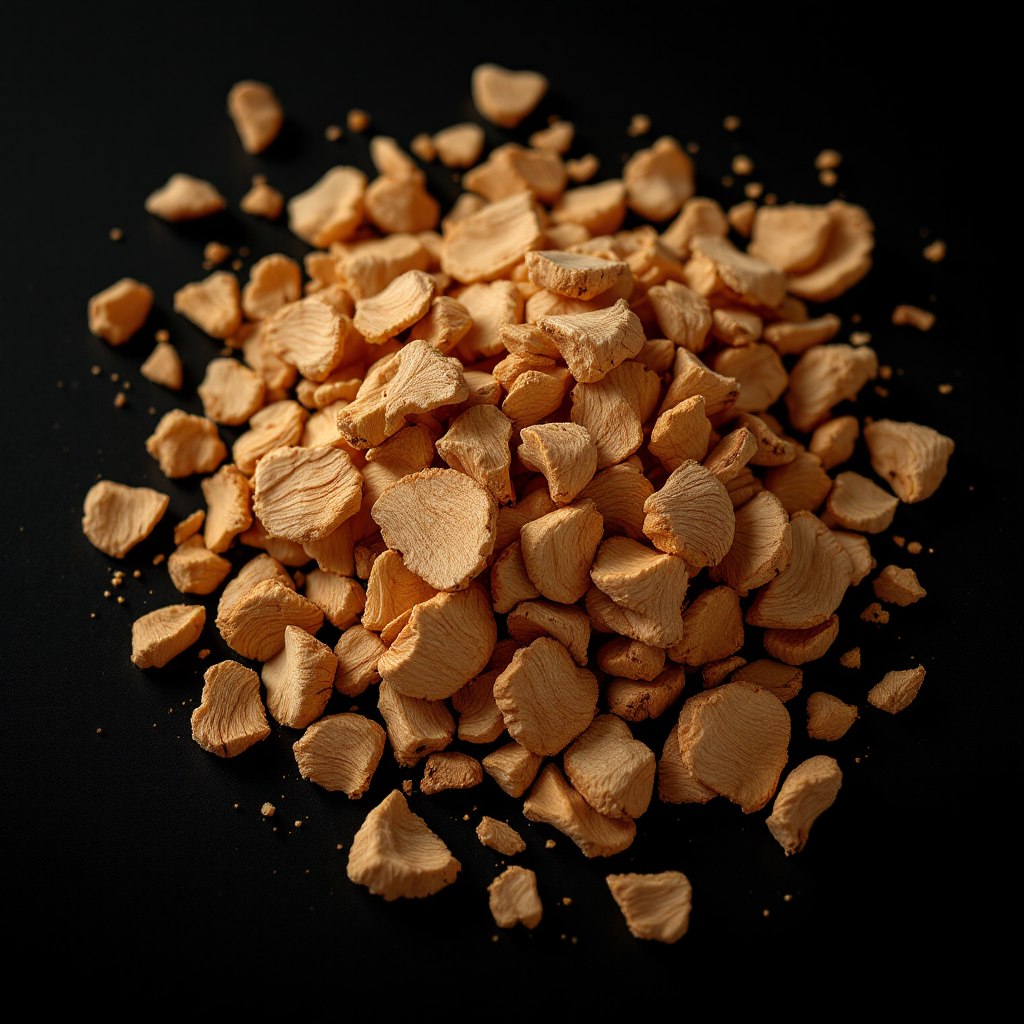
Creamy Woods
Creamy Woods merges the grounding warmth of woody aromatic materials with soft, velvety textures that feel like a cashmere blanket. This note brings comfort and depth to fragrances without heaviness.
Character
How it smells
Warm wood, soft comfort.
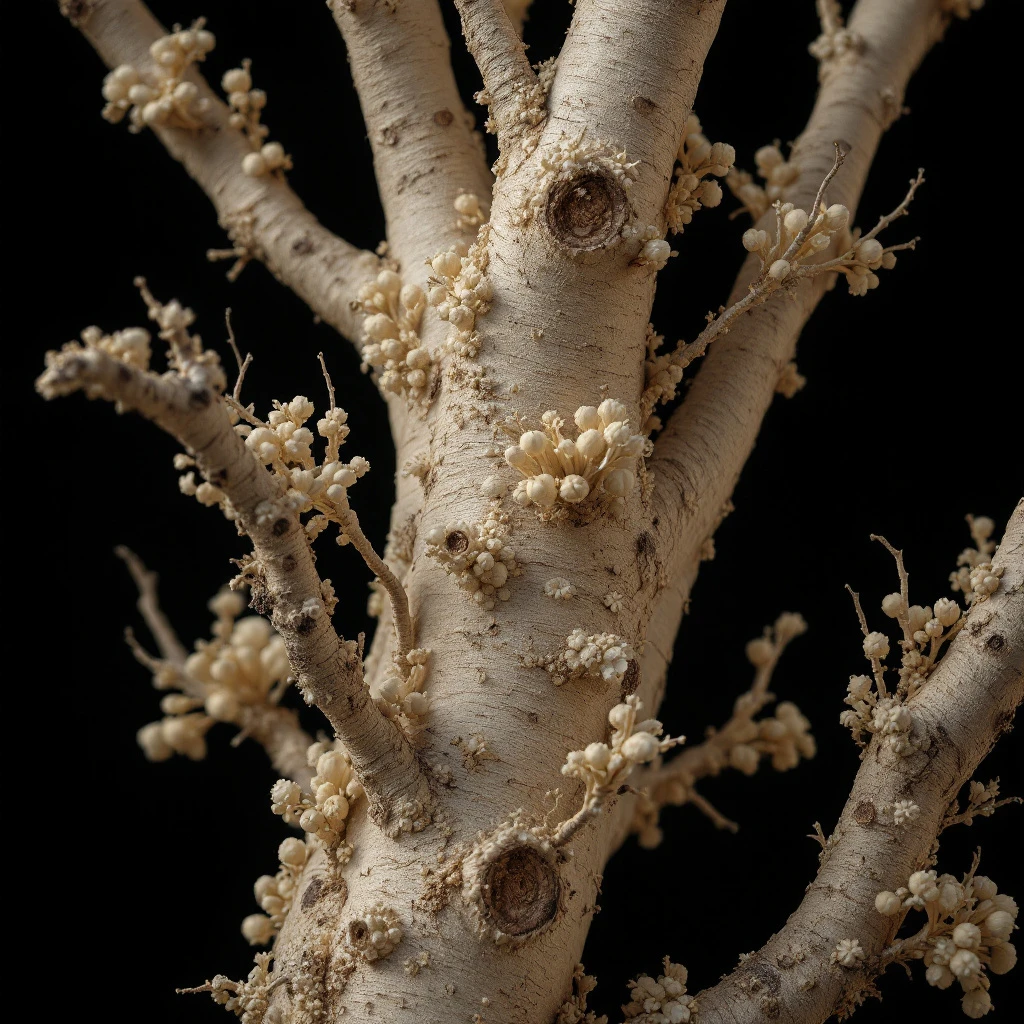
The creamy quality in sandalwood comes from sesquiterpene alcohols that create a velvety, skin-like sensation rather than sharp resinous notes.




Origin
India
Sandalwood has been sacred for over 4,000 years, used in Hindu and Buddhist ceremonies across India and Southeast Asia. Egyptian tombs contained sandalwood artifacts dating to 3,000 BCE.
Traditional Ayurvedic texts described sandalwood paste for cooling the body and calming the mind. The creamy wood effect gained prominence in perfumery during the 1970s when oriental fragrances popularized warm, enveloping compositions.
Mysore sandalwood became so prized that India restricted exports in the 1970s-80s, shifting production to Australian sandalwood plantations. Modern perfumers now balance natural materials with responsible synthetic alternatives to preserve this ancient ingredient.
Wears it best
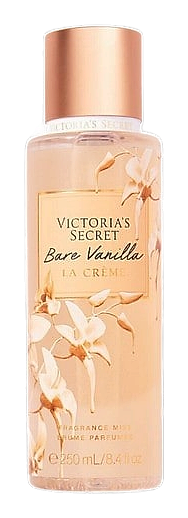
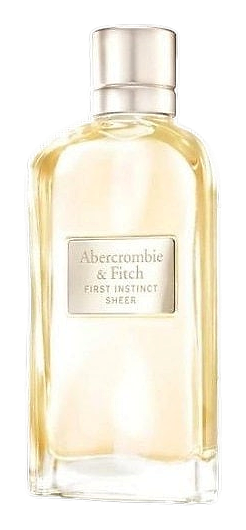
Fragrances featuring Creamy Woods
Good to know
Questions, answered
The essentials on Creamy Woods in perfumery: how it smells, where it comes from, and how it behaves on skin.
What creates the creamy quality in woody fragrances?
Santalols in sandalwood and synthetic alternatives like Bacdanol create a velvety, milky sensation that softens sharp wood character into something skin-like and comforting.
Is Creamy Woods a single ingredient or a combination?
It is a fragrance effect achieved through specific materials, primarily sandalwood derivatives and sometimes cashmeran or musks that round out woodiness.
Why is natural sandalwood so expensive?
Sandalwood trees require 30-60 years to develop sufficient heartwood oil. Indian sandalwood has been overharvested for centuries, making sustainable sources increasingly rare.
What synthetic alternatives exist for creamy woods?
Bacdanol, Javanol, Sandranol, and Osyris provide sandalwood-like creaminess. Cashmeran adds musky woodiness. These synthetics help reduce pressure on endangered sandalwood populations.
Which fragrance families use Creamy Woods most often?
Oriental fragrances, skin scents, and modern woody compositions frequently feature creamy woods. The note works as a base that softens sharper top notes.
Does Creamy Woods have fixative properties?
Yes. Sandalwood and similar creamy wood materials act as fixatives, slowing evaporation of lighter fragrance components and extending wear time.
What does Creamy Woods smell like?
Imagine warm driftwood mixed with steamed milk and a touch of powder. The effect is soft, enveloping, and comforting rather than sharp or resinous.
How do I find fragrances featuring Creamy Woods?
Look for sandalwood-dominant fragrances or compositions listing cashmeran. Oriental fragrances, skin milks, and cozy woody scents typically showcase this note.