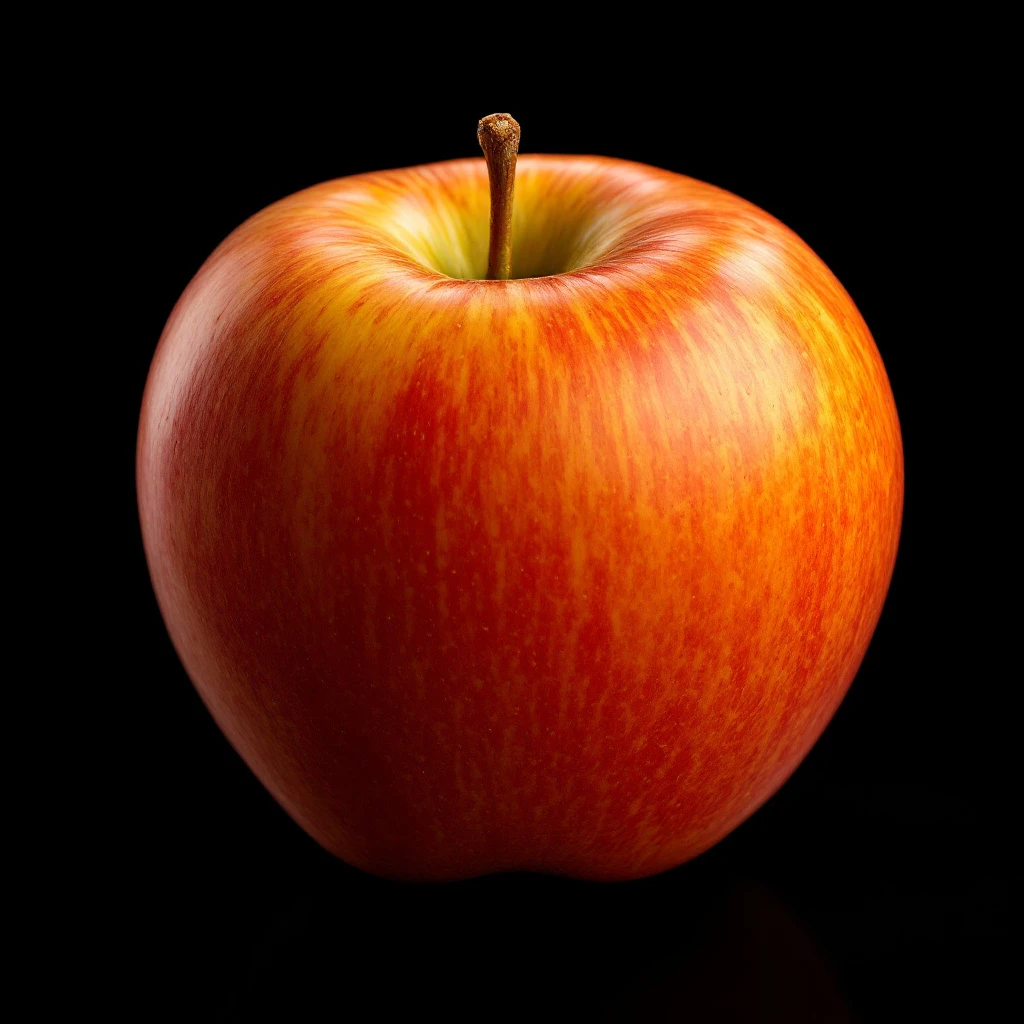
Cox Orange Apple
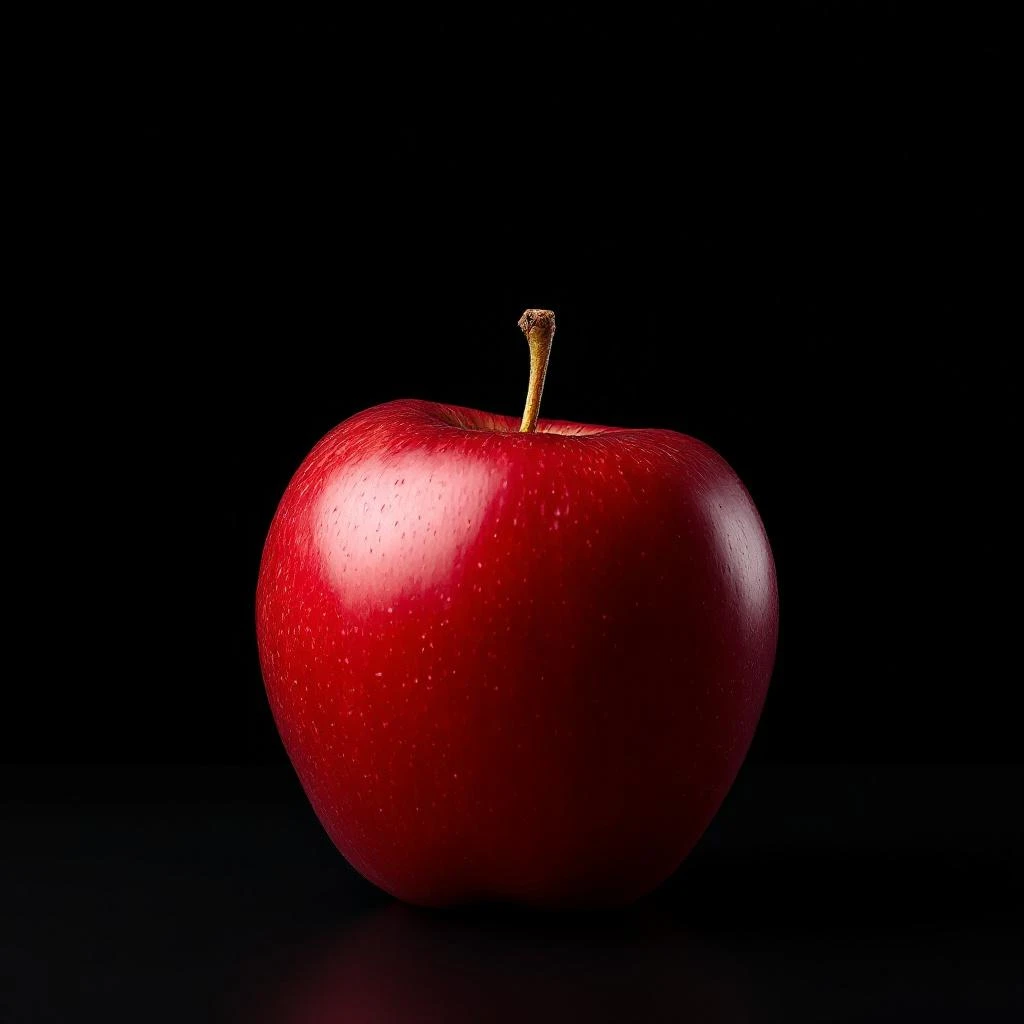
Cox Orange Apple captures the crisp, honeyed sweetness of England's most celebrated heritage apple. In perfumery, this accord delivers a tart, juicy sparkle layered over warm, spiced fruit depth. It evokes biting into a freshly picked Pippin at autumn harvest.
Character
How it smells
Crisp. Honeyed. Quintessentially English.
Cox's Orange Pippin arose as a chance seedling around 1825, and no one ever recorded its parents, making this iconic apple a genetic mystery still unsolved today.
Pairs beautifully with

Origin
England
Cox's Orange Pippin first grew at Colnbrook Lawn near Slough, Buckinghamshire, around 1825, raised by Richard Cox from an undocumented seedling. By the 1850s, nurseryman Charles Turner had begun commercializing the variety, and by the 1860s it dominated English dessert apple production.
The variety earned a First Class Certificate from the Royal Horticultural Society, cementing its reputation as the finest dessert apple Britain ever produced. Its aromatic profile, described as spicy, honeyed, nutty, and complex, became the benchmark against which all other dessert apples are measured.
In perfumery, recreating this specific cultivar offered a more sophisticated fruit note than generic green apple, prized for layering tart freshness with warm, autumnal richness. The variety's heritage status and sensory complexity make it a favorite reference point for modern perfumers crafting fruit-forward compositions.
Wears it best
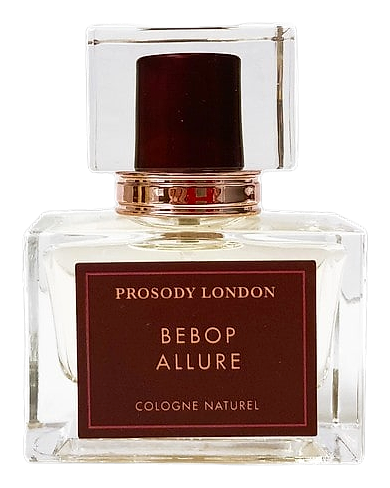
Fragrances featuring Cox Orange Apple
Brands
Brands known for Cox Orange Apple
Good to know
Questions, answered
The essentials on Cox Orange Apple in perfumery: how it smells, where it comes from, and how it behaves on skin.
Is Cox Orange Apple extracted naturally?
No. Apple flesh yields no viable essential oil or absolute, so Cox Orange Apple is reconstructed synthetically. Perfumers blend esters like ethyl-2-methylbutyrate and lactones such as gamma-decalactone to approximate the cultivar's crisp, honeyed character.
What does Cox Orange Apple smell like in perfume?
Cox Orange Apple reads as crisp and tart with honeyed warmth underneath. The accord combines the sharp green freshness of green apple esters with softer, waxy lactones and trace furaneol, producing a faceted fruit note rather than a flat, candy-like sweetness.
How is Cox's Orange Pippin different from regular green apple?
Green apple accords lean sharply tart and aldehydic. Cox's Orange Pippin offers layered complexity, with spicy, nutty, and honeyed dimensions alongside the fresh fruit top. Capturing this complexity requires additional aroma chemicals beyond standard apple bases.
Where does Cox's Orange Pippin come from?
Cox's Orange Pippin originated as a chance seedling at Colnbrook Lawn near Slough, England, around 1825. The variety was introduced commercially by nurseryman Charles Turner in the 1850s and became Britain's premier dessert apple.
Why are Cox Orange Apple parents unknown?
The original tree was a chance seedling, and no records identify its parent varieties. Modern genetic testing has clarified relationships with other heritage apples, but the precise cross that produced Cox's Orange Pippin remains a botanical mystery.
What aroma chemicals recreate Cox Orange Apple?
Key building blocks include ethyl-2-methylbutyrate for tart apple lift, gamma-decalactone for waxy fruit depth, and furaneol for honeyed sweetness. Perfumers adjust these proportions to capture the Pippin's distinctive warm-spiced character.
Is Cox Orange Apple used in mainstream fragrances?
Yes. The accord appears in numerous modern releases where perfumers want a sophisticated apple note rather than a generic green-apple blast. Its complexity suits both masculine and unisex compositions, particularly autumnal and gourmand families.
Can headspace technology capture Cox Orange Apple scent?
Yes. Headspace analysis traps volatile compounds above freshly cut Cox's Orange Pippins, allowing chemists to identify the cultivar's specific aromatic signature. This data informs synthetic reconstructions that mirror the real fruit more accurately than standard apple bases.