Costmary
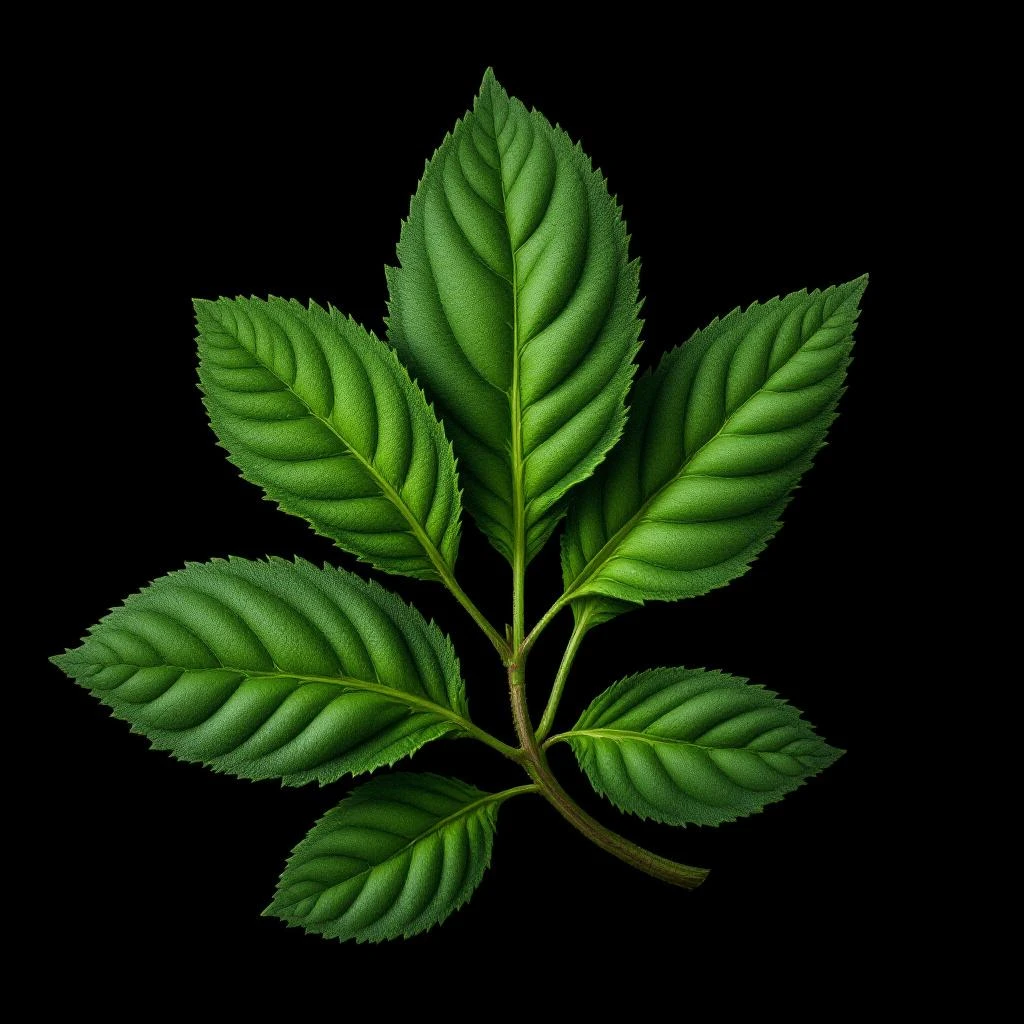
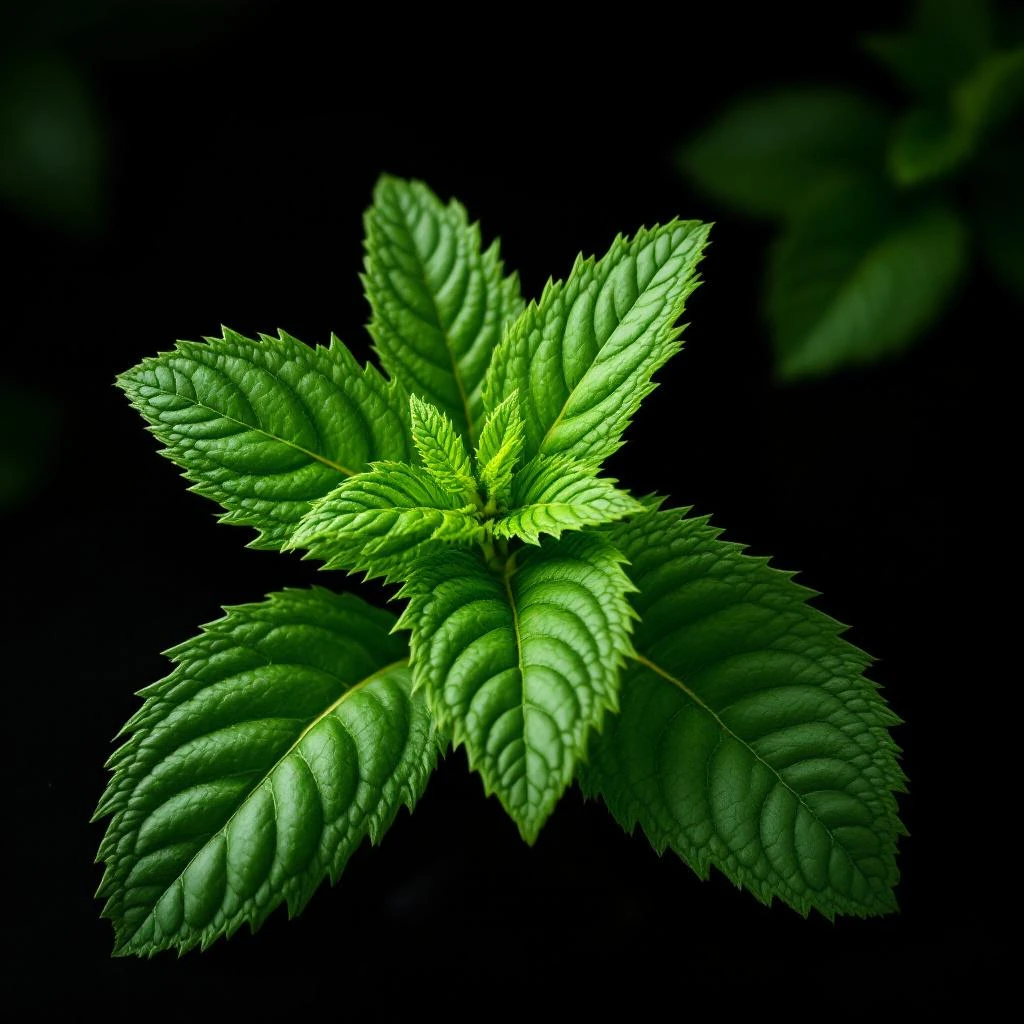
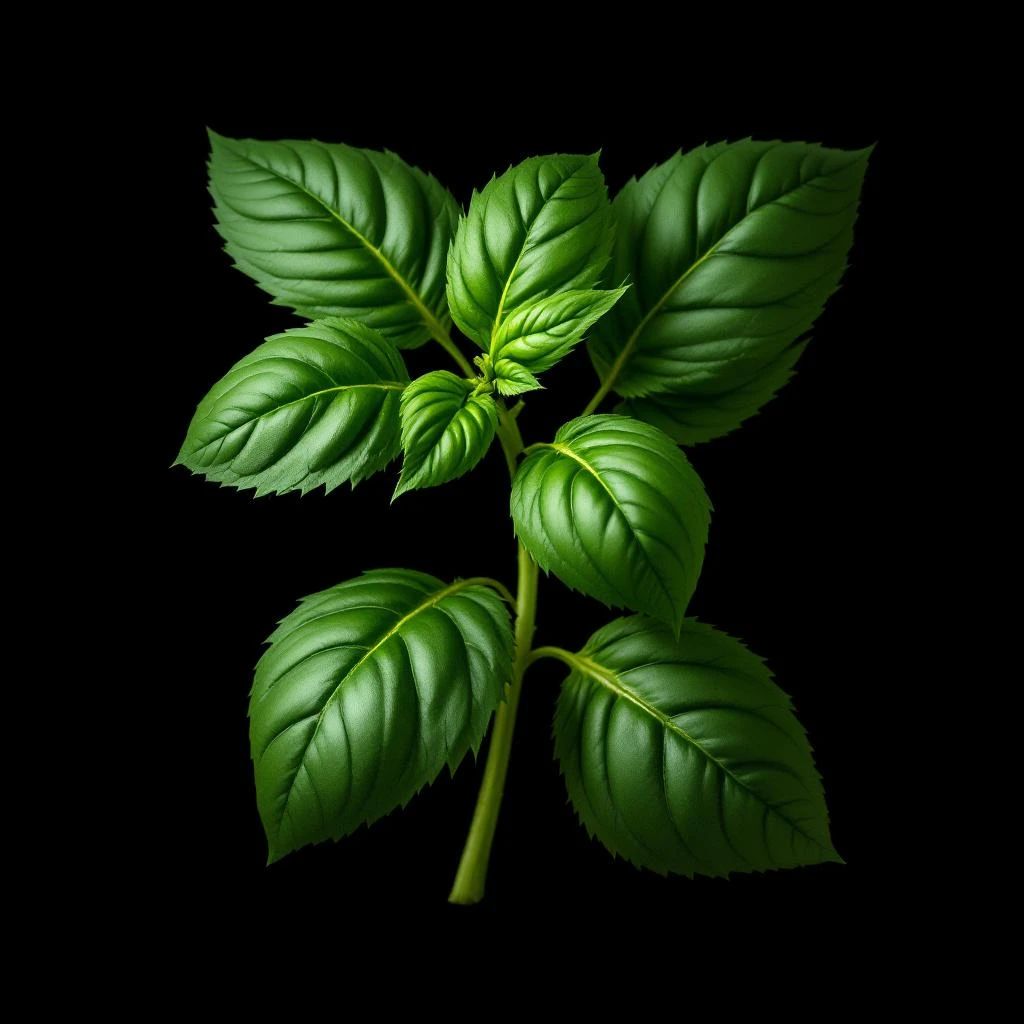
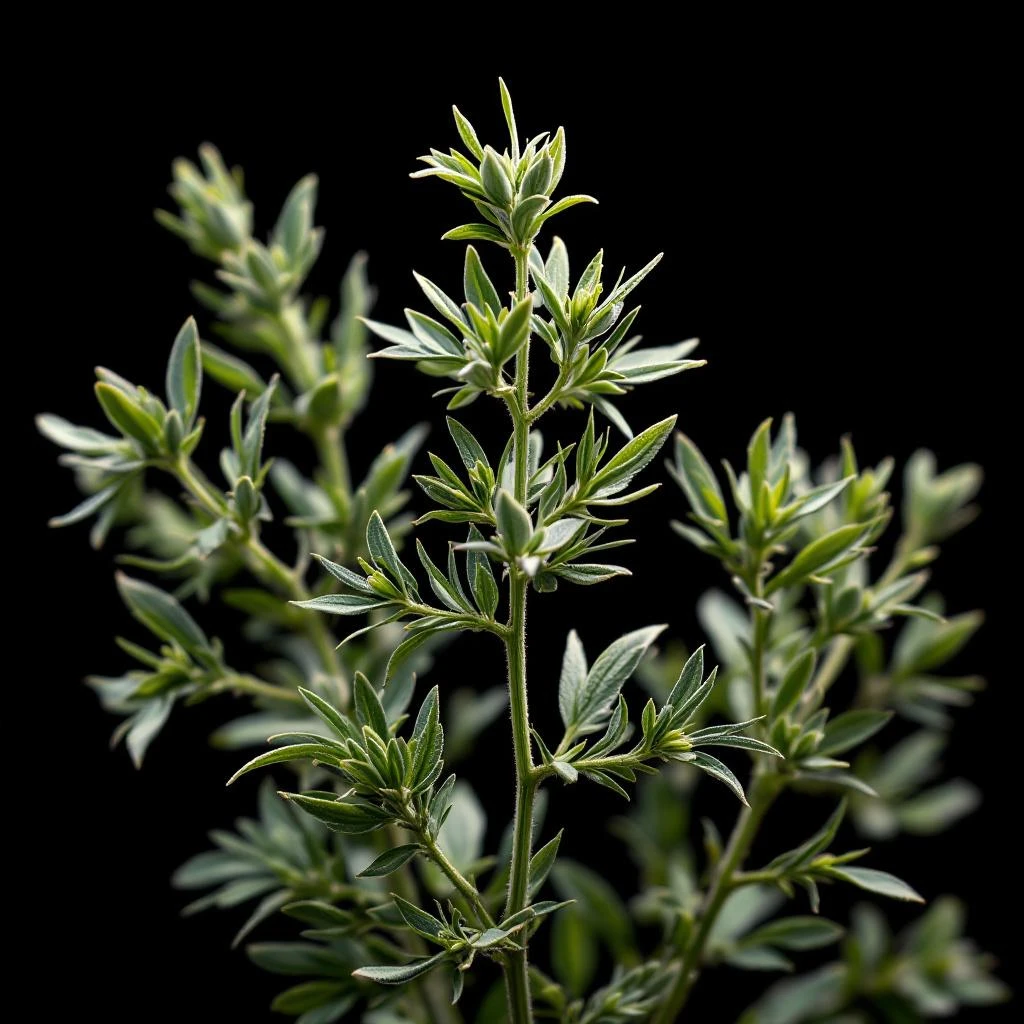
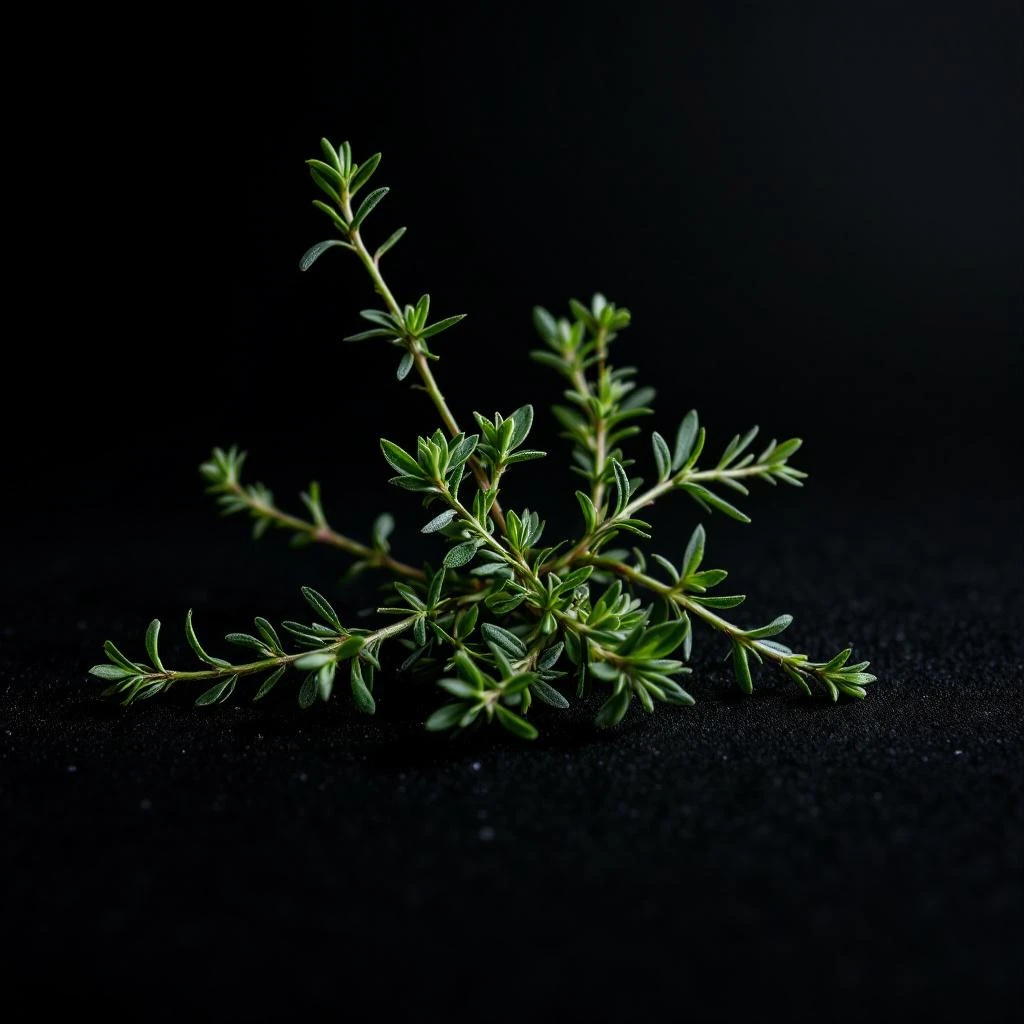
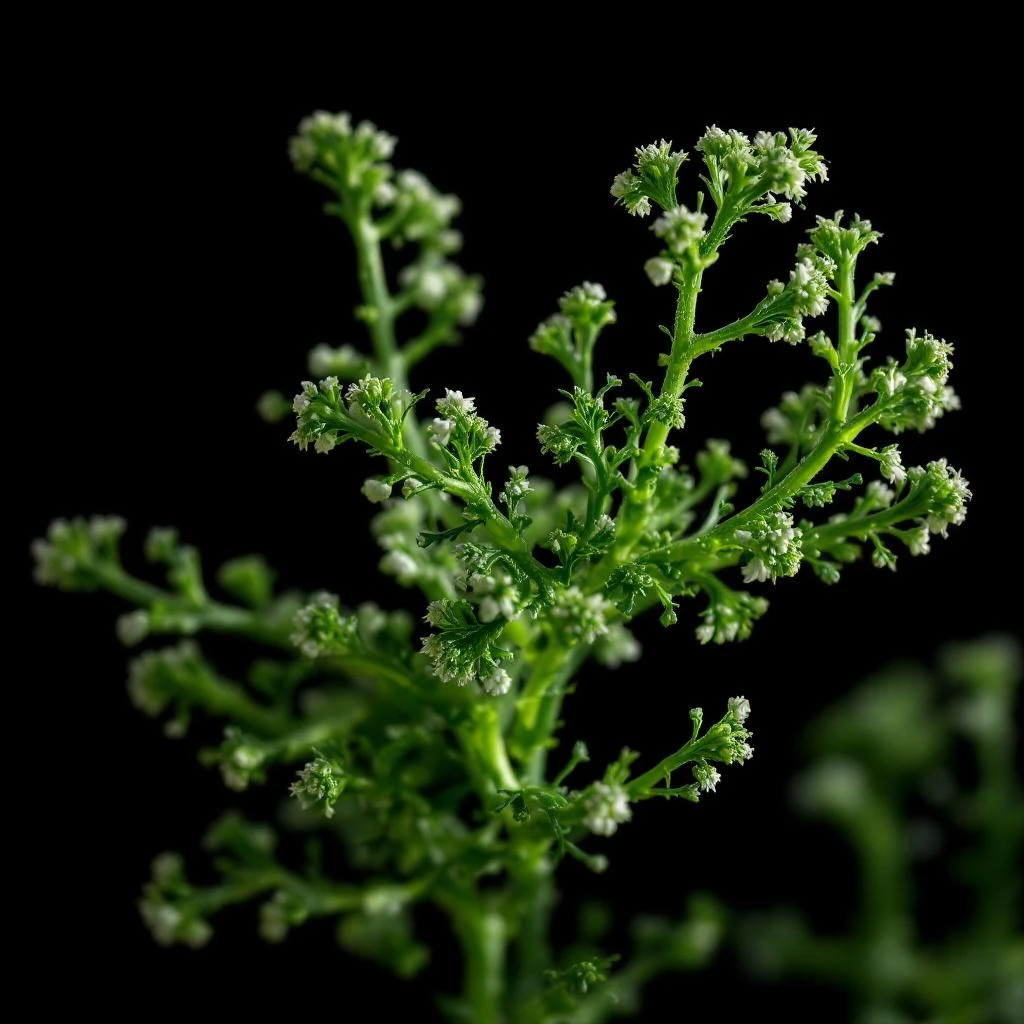
Costmary is a fragrant perennial herb prized since medieval times for its balsamic, minty aroma. Once a staple in European perfumery and ecclesiastical incense, it adds herbaceous warmth to modern compositions.
Character
How it smells
Medieval herb with a balsamic soul
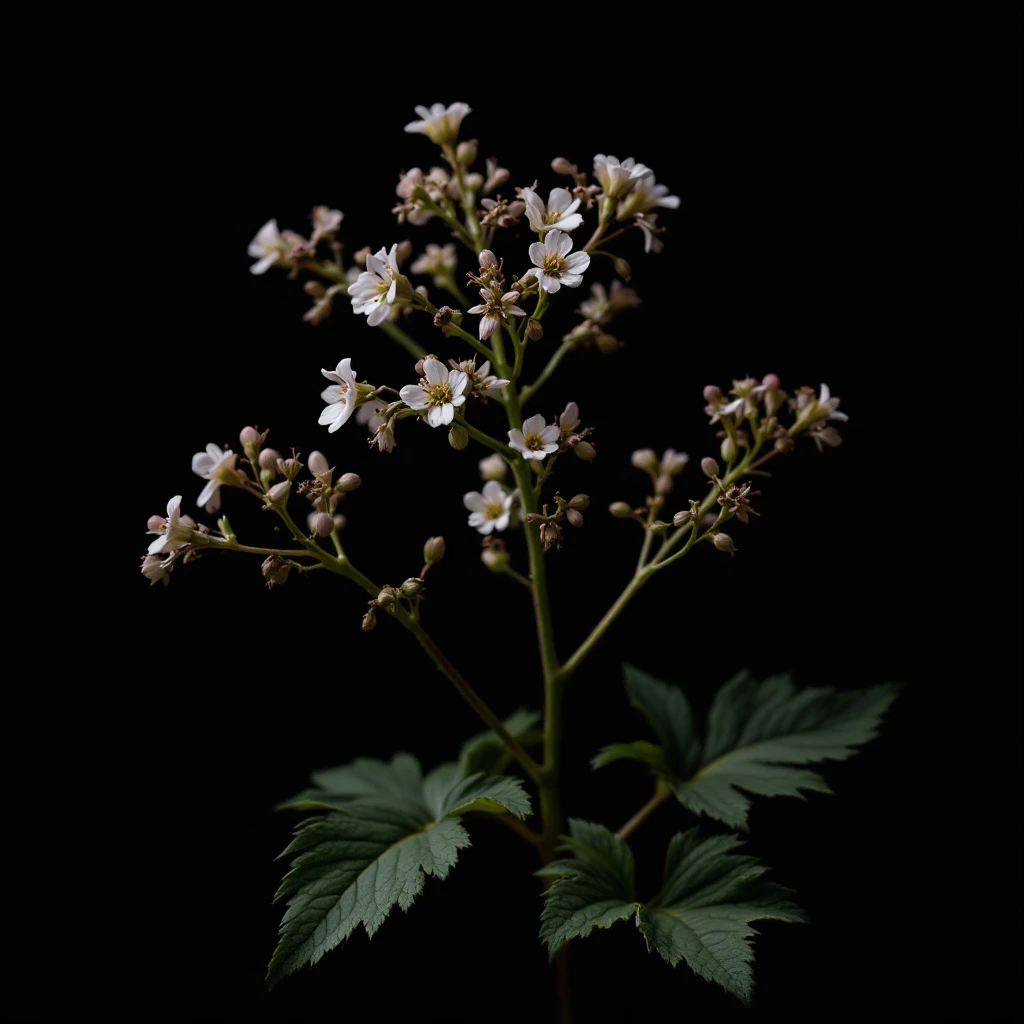
Costmary leaves were tucked into medieval Bibles and prayer books, releasing their scent during church services for a meditative aromatic experience.




Origin
Turkey
Costmary, botanically classified as Tanacetum balsamita, carries a name derived from the Latin 'costus' (aromatic plant) combined with 'Maria' (Mary), reflecting its deep roots in Christian monastic tradition. Monks cultivated this herb extensively in monastery gardens across medieval Europe, using it to scent liturgical spaces and preserve manuscripts.
The plant likely originated in the Caucasus region and spread throughout the Mediterranean via ancient trade routes. By the 16th century, costmary had become a fixture in English herb gardens, valued as much for its aromatic properties as for its purported medicinal benefits.
Its use in perfumery peaked during the Renaissance, appearing in pomanders and sachet blends worn by European nobility. The herb gradually fell from favor as synthetic aromatic compounds became widely available in the 19th century, though it persists in traditional applications and niche natural perfumery.
Wears it best
Fragrances featuring Costmary
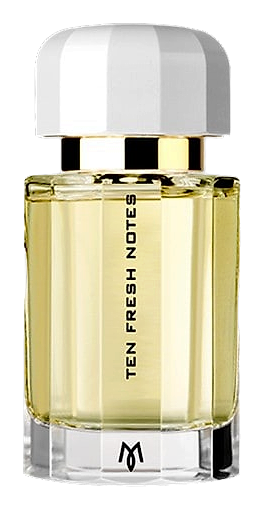
Brands
Brands known for Costmary
Good to know
Questions, answered
The essentials on Costmary in perfumery: how it smells, where it comes from, and how it behaves on skin.
What does costmary smell like?
Costmary offers a warm, balsamic aroma with clear mint undertones and a faint camphor edge. The scent is herbaceous and slightly sweet, reminiscent of dried leaves with a subtle medicinal quality that adds complexity to fragrance compositions.
Is costmary used in modern perfumery?
Costmary appears occasionally in niche and natural perfumery rather than mainstream fragrances. Its rarity stems from low essential oil yields and competition from synthetic alternatives that replicate its aromatic profile more consistently.
What compounds give costmary its characteristic scent?
Costmary essential oil contains camphor, borneol, and various sesquiterpene lactones as primary aromatic constituents. These compounds contribute to its balsamic, slightly medicinal fragrance and its traditional use in incense and sachets.
Where does costmary grow natively?
Costmary is native to the Caucasus region and parts of Western Asia, though it has been naturalized across the Mediterranean for centuries. Turkey remains a primary source for commercially available costmary oil.
How is costmary oil produced?
Steam distillation of dried costmary flowering tops and leaves produces the essential oil. The plant material must be properly dried before distillation to achieve optimal aromatic extraction, with yields typically ranging from 0.1 to 0.5 percent.
What traditional uses did costmary serve beyond perfumery?
Medieval Europeans used costmary to scent church pews and preserve manuscripts. The herb also served culinary purposes, flavoring ales and sauces, and held a place in folk medicine as a digestive aid and treatment for minor ailments.
Does costmary have any safety considerations?
Costmary contains camphor and should be used cautiously in perfumery applications. The International Fragrance Association recommends following standard dilution guidelines for essential oils containing camphoraceous compounds.
What fragrance families pair well with costmary?
Costmary harmonizes with herbal, fougere, and chypre compositions. It pairs well with lavender, oakmoss, and woody notes, adding an aromatic, slightly bitter dimension that grounds sweeter elements in a blend.