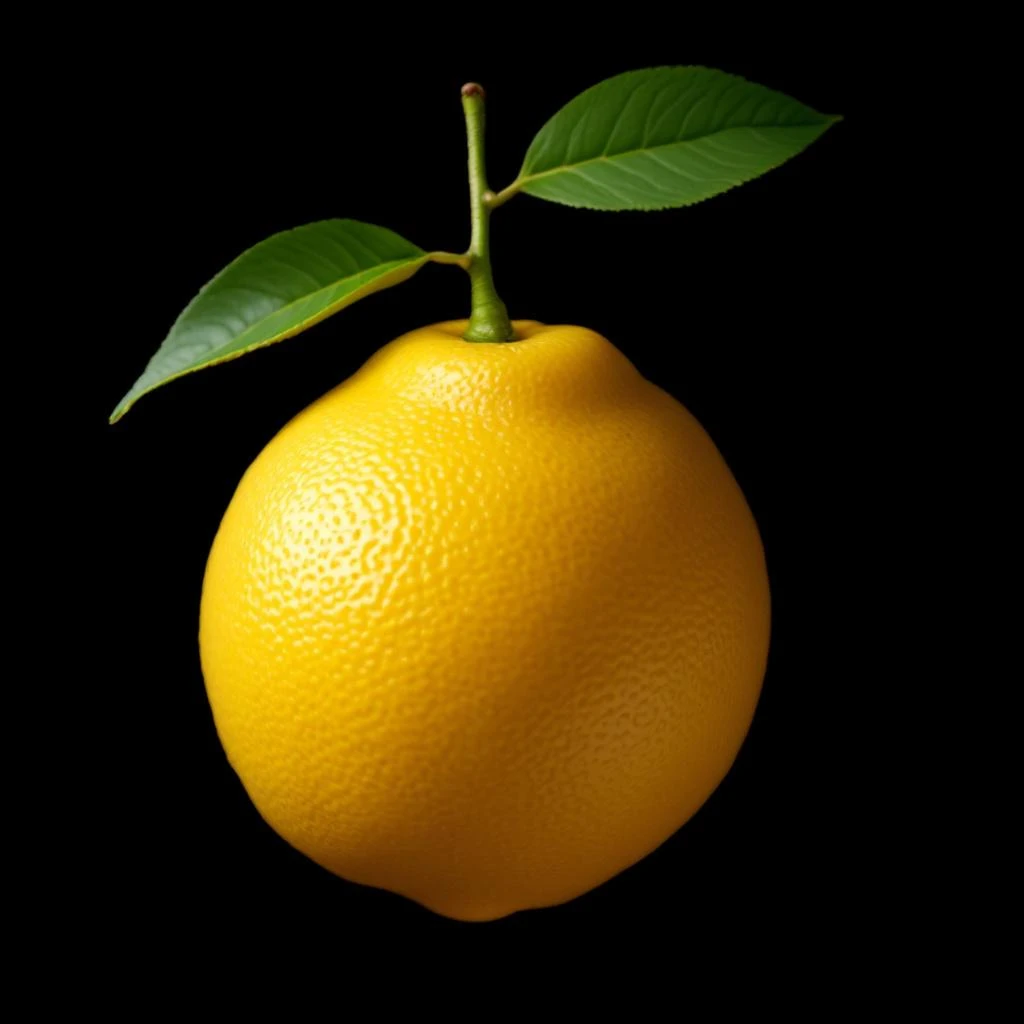
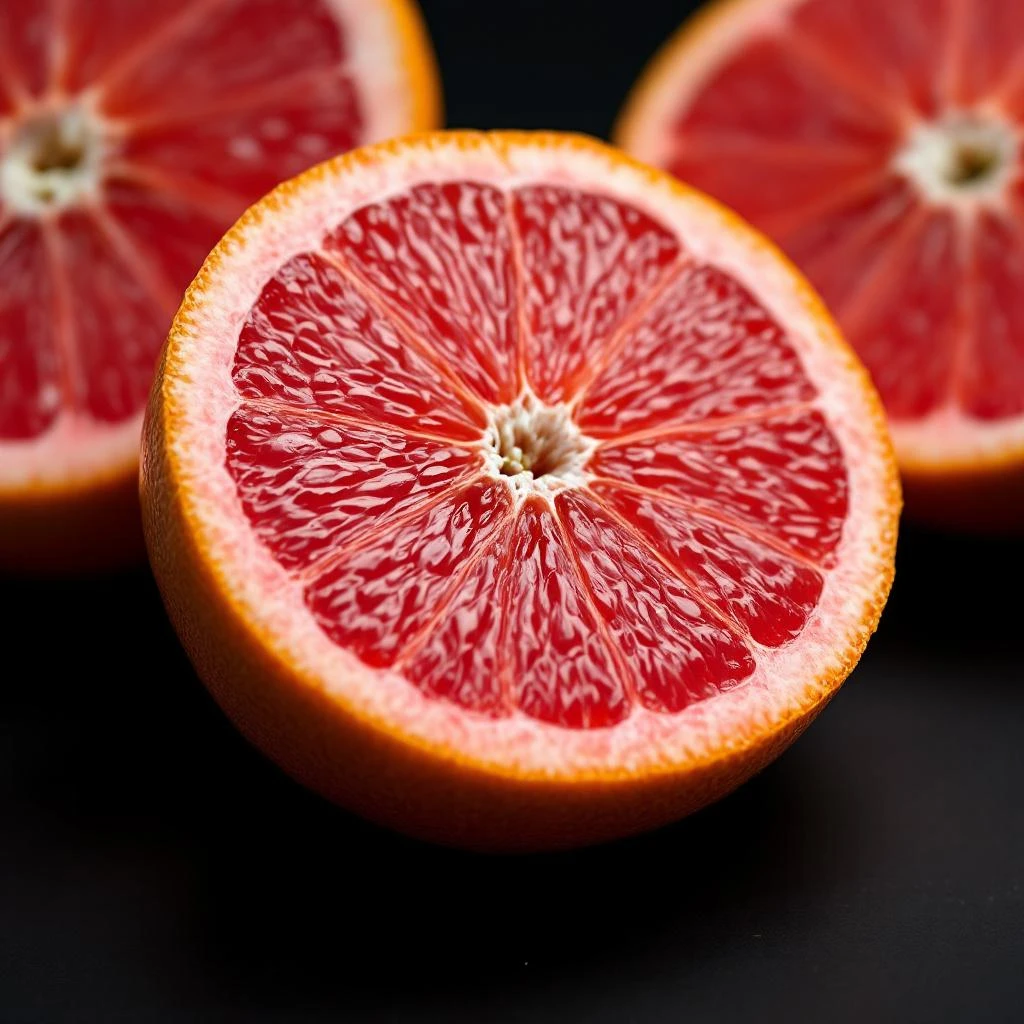
Corsican Grapefruit
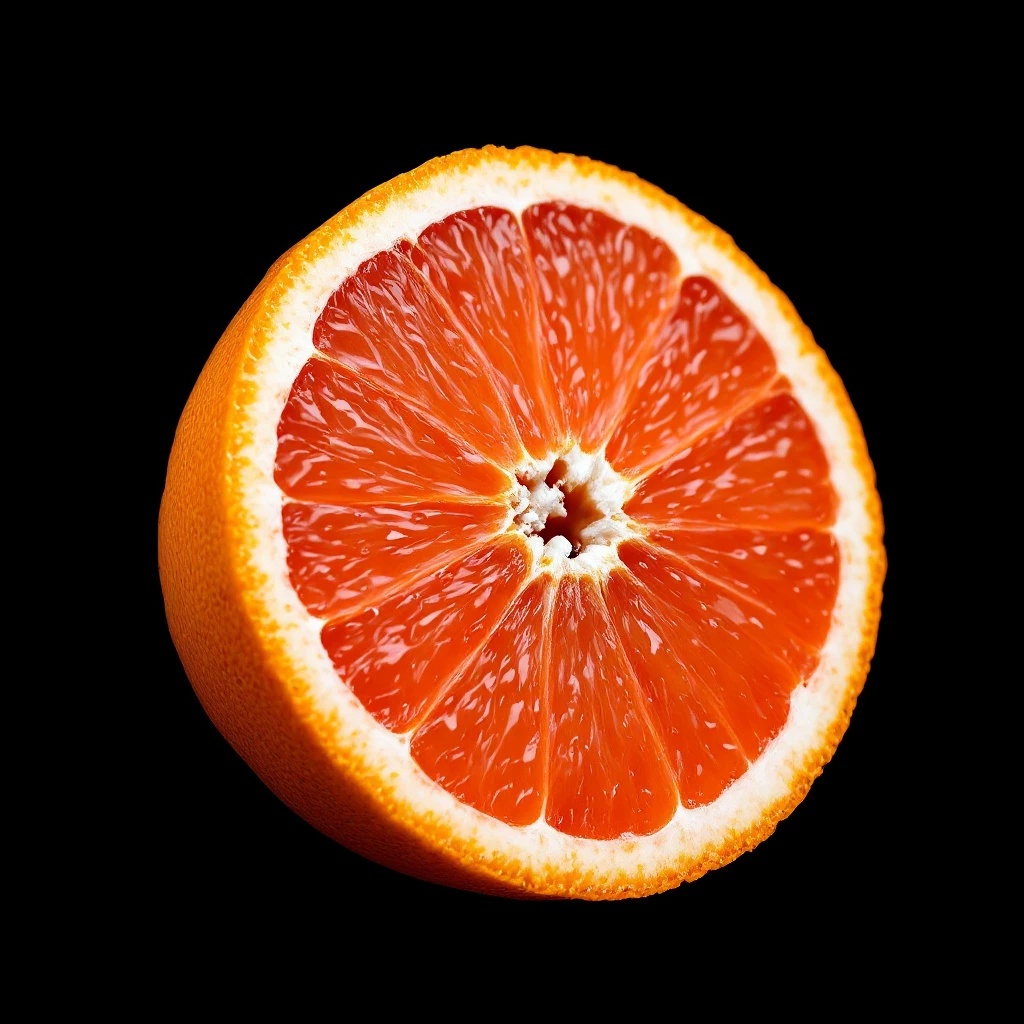
Sun-drenched Corsican groves yield one of perfumery's most vibrant citrus materials. Cold-pressed from ripe grapefruit peel, this essence captures the island's mineral-rich soil and Mediterranean light in a single, sparkling note.
Character
How it smells
Mediterranean citrus, captured at its most radiant.
Corsican grapefruit trees produce smaller, more aromatic fruits than their tropical counterparts, yielding an oil prized in fine perfumery for its concentrated, multifaceted scent profile.


Origin
France
Grapefruit originated as a natural hybrid of sweet orange and pomelo, first documented in Barbados in the mid-18th century. The fruit reached the Mediterranean basin, including Corsica, during the 19th century.
The island's volcanic soil, coastal humidity, and sun exposure created a microclimate that produced fruits with a distinct aromatic signature compared to tropical varieties. Corsican citrus cultivation expanded significantly after World War I, with grapefruit becoming a recognized material among Grasse perfumers by the mid-20th century.
The Hamon cultivar, developed on Corsica, became particularly valued for fragrance use due to its elevated oil content and complex scent profile. Today, small-scale producers maintain the traditional link between this Mediterranean island and the citrus notes found in contemporary fine fragrances.
Wears it best
Fragrances featuring Corsican Grapefruit

Brands
Brands known for Corsican Grapefruit
Good to know
Questions, answered
The essentials on Corsican Grapefruit in perfumery: how it smells, where it comes from, and how it behaves on skin.
What does Corsican grapefruit smell like in fragrance?
Corsican grapefruit oil smells bright, clean, and tart with a distinctly zesty character that carries more depth than standard grapefruit materials. The island's terroir adds mineral and slightly floral undertones that give the note an almost sunny, multidimensional quality.
How is Corsican grapefruit oil extracted?
It is extracted by cold pressing the fruit peel. Ripe fruits are mechanically abraded to rupture the peel's oil glands, releasing essential oil without applying heat. The raw oil is then filtered and centrifuged to remove water and waxes.
Is Corsican grapefruit oil natural?
Yes, it is a fully natural material. Cold pressing produces an authentic essential oil with no synthetic solvents or heat-based processing involved. Nootkatone, the compound most associated with grapefruit aroma, occurs naturally in this oil.
What compounds give Corsican grapefruit its scent?
The oil's signature aroma comes from nootkatone, limonene, and myrcene. Nootkatone provides the characteristic bitter-sweet grapefruit nuance, while limonene contributes bright citrus top notes and myrcene adds subtle herbaceous depth.
Why is Corsica considered a special source for grapefruit in perfumery?
Corsica's volcanic soil and Mediterranean climate produce smaller fruits with a higher concentration of aromatic compounds compared to tropical varieties. Producers on the island have cultivated select cultivars like Hamon that yield an oil with greater complexity and radiance.
What perfumes feature Corsican grapefruit as a primary note?
Grapefruit appears frequently as a top note in modern perfumery, and Corsican grapefruit oil is specified when a more nuanced, less common citrus profile is desired. Fragrance houses sourcing Corsican citrus often highlight it in airy, Mediterranean-inspired compositions.
How long does Corsican grapefruit oil stay on the skin?
As a citrus top note, it typically lasts 15 to 30 minutes on skin before evaporating. The oil's lighter volatile compounds dissipate quickly, making it ideal as an opening note that prepares the nose for the heart and base of a fragrance.
Can Corsican grapefruit oil be replicated synthetically?
Synthetic grapefruit bases exist and replicate the dominant nootkatone character, but they lack the natural oil's full spectrum of trace compounds. These minor constituents contribute subtle mineral and floral dimensions that synthetic materials cannot fully reproduce.