Ethiopian Opoponax
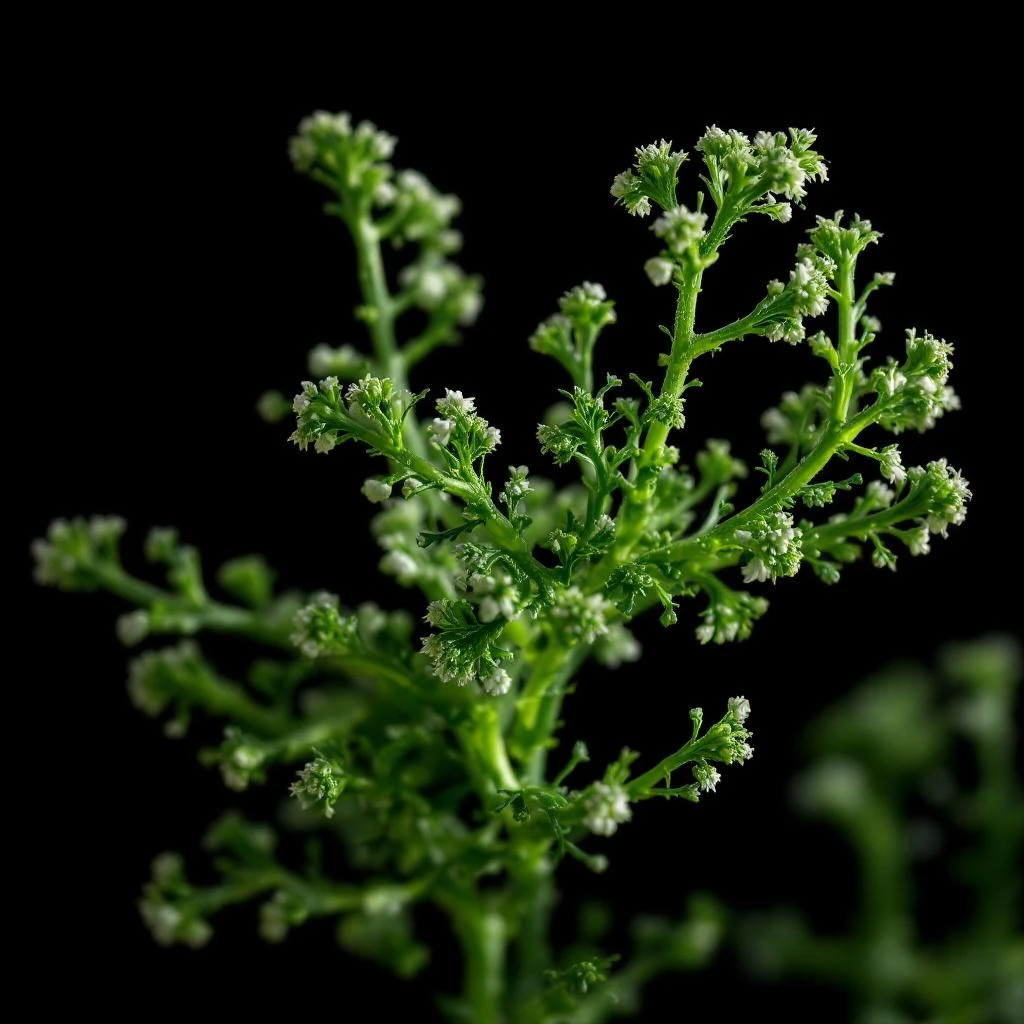
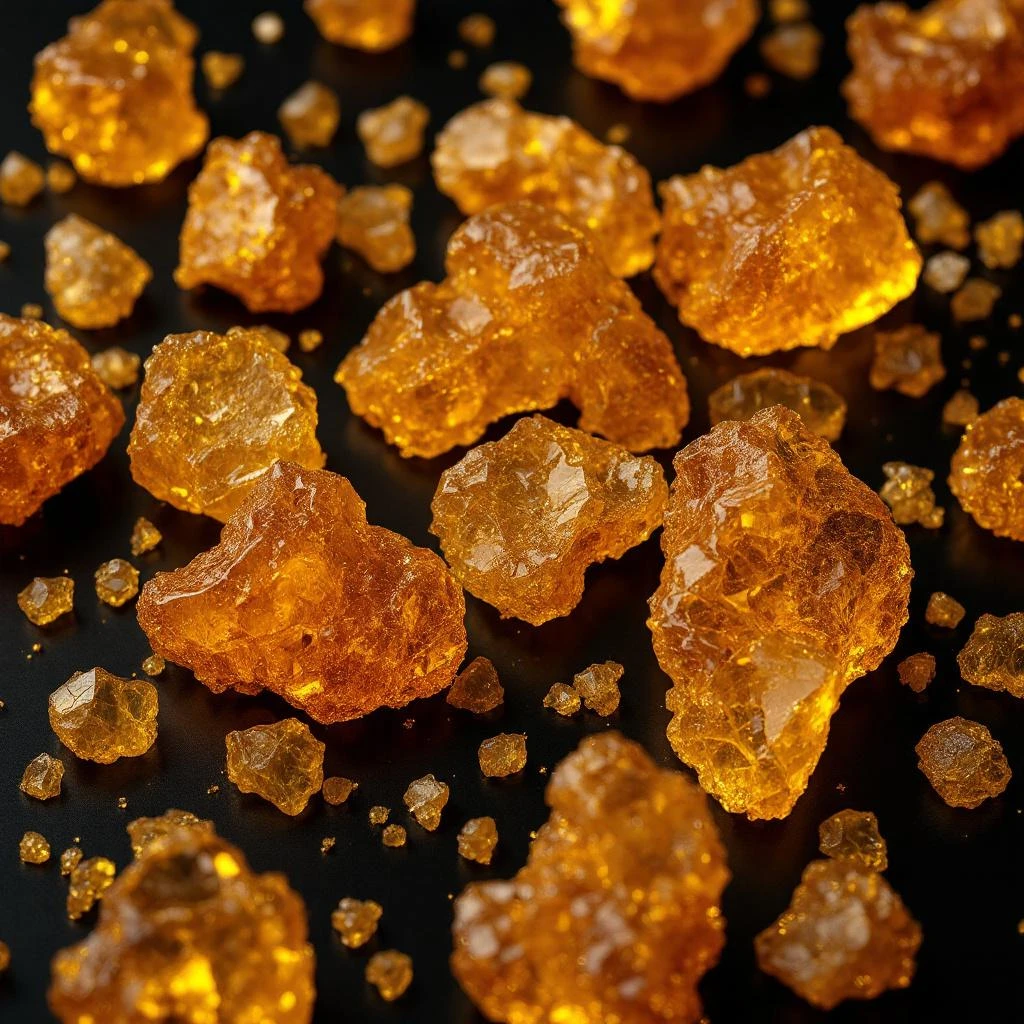
Warm and balsamic with honeyed sweetness, Ethiopian Opoponax (sweet myrrh) is an oleo-gum-resin from Commiphora trees native to the Horn of Africa. Its complex scent blends vanilla, celery-like warmth, and subtle spice, making it a cherished base note in fine perfumery.

Character
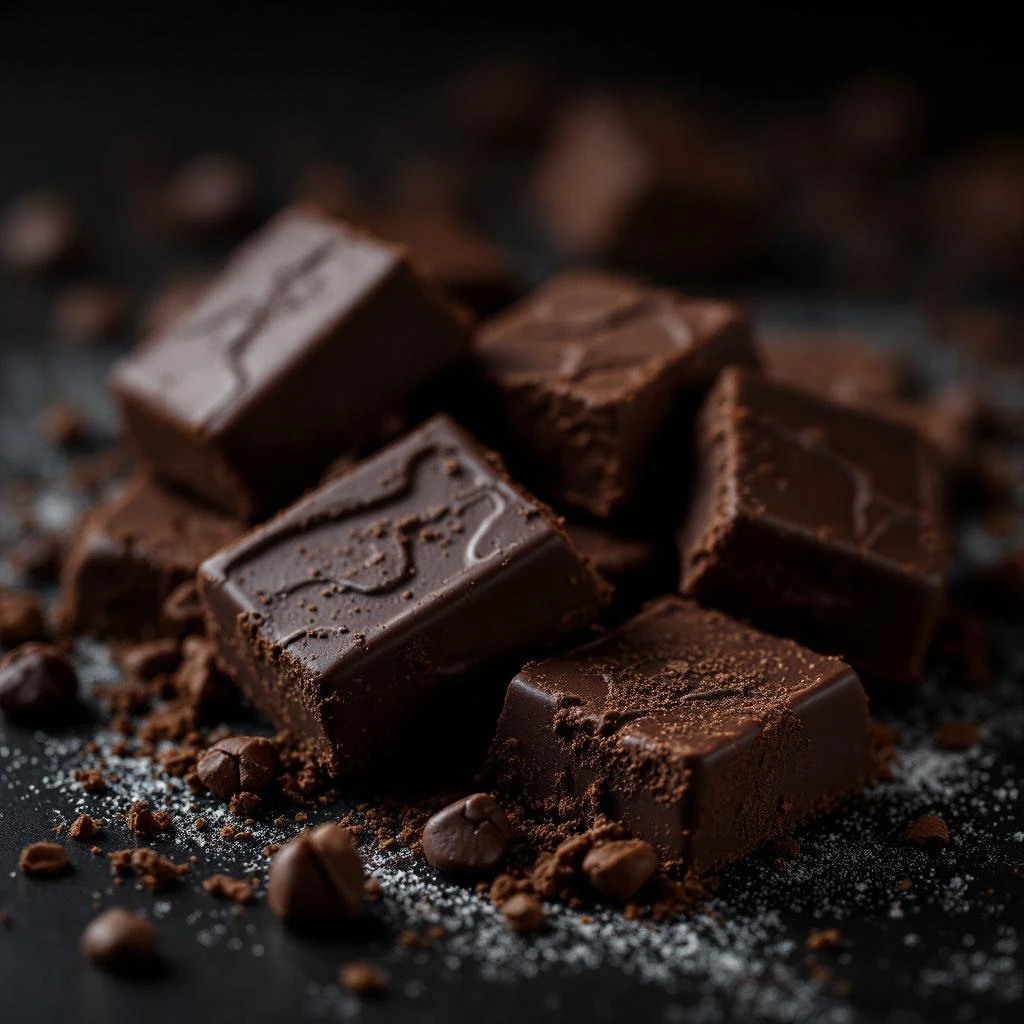
How it smells
The sweet myrrh with a honeyed soul
Ancient Somali and Ethiopian traders exported opoponax for centuries before it reached European perfumers in the 19th century.






Origin
Ethiopia
Opoponax carries millennia of cultural significance across the Horn of Africa. Ancient texts reference it in Biblical incense formulations, where it served alongside frankincense and myrrh in sacred rituals.
Ethiopian and Somali communities have long valued it for traditional medicine and ceremonial purposes. European perfumers encountered the ingredient through trade routes connecting East Africa to the Arabian Peninsula and Mediterranean markets.
By the 19th century, opoponax had become a recognized material in Western perfumery, prized for its warmth and fixative properties. Contemporary supply chains continue to rely on Ethiopian and Somali production, though climate pressures now affect traditional harvesting patterns.
Wears it best
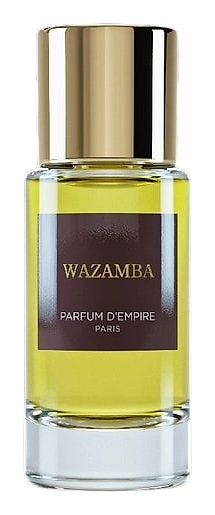
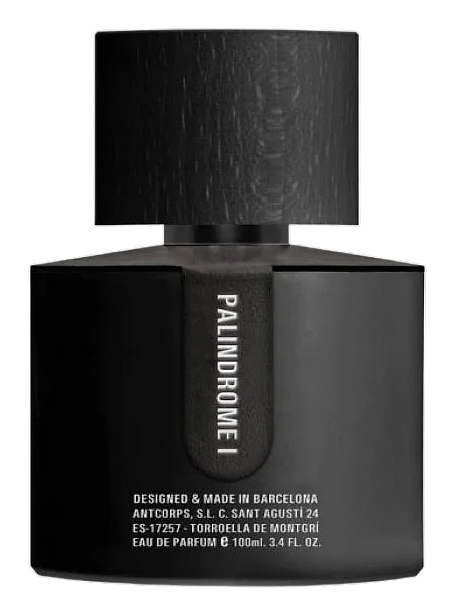
Fragrances featuring Ethiopian Opoponax

Brands
Brands known for Ethiopian Opoponax
Good to know
Questions, answered
The essentials on Ethiopian Opoponax in perfumery: how it smells, where it comes from, and how it behaves on skin.
What does Ethiopian opoponax smell like?
Ethiopian opoponax has a warm, balsamic aroma with honeyed sweetness and vanilla-like depth. It carries subtle celery-like warmth and gentle spice, making it excellent for oriental and ambery fragrance compositions.
How is Ethiopian opoponax harvested?
Harvesters cut small wounds into the bark of Commiphora erythraea trees. The trees respond by secreting an oleo-gum-resin that slowly hardens over several weeks before collection by hand.
What is the difference between opoponax and myrrh?
Both derive from Commiphora species but differ in scent and chemistry. Opoponax (sometimes called sweet myrrh) offers warmer, honeyed notes, while true myrrh from Commiphora myrrha presents more bitter, medicinal, and terpentine-like qualities.
Is Ethiopian opoponax sustainable?
Climate change and drought conditions in Ethiopia have affected Commiphora populations and resin harvests. Ethical sourcing programs now support sustainable harvesting limits and fair compensation for collecting communities.
What fragrance families use opoponax?
Opoponax appears primarily in oriental, chypre, and woody compositions. Perfumers value it as a base note that adds warmth, sweetness, and exceptional fixative power to hold lighter top notes.
Can opoponax be synthetically replicated?
Some aromachemicals mimic individual facets of opoponax, such as vanillin for its sweet quality or herboxane for its celery character. However, natural opoponax retains a complex aromatic profile that synthetic alternatives have not fully captured.
What extraction method produces opoponax essential oil?
Steam distillation of the collected oleo-gum-resin yields Ethiopian opoponax essential oil. The process produces a yellow, free-flowing liquid with the characteristic warm, balsamic scent intact.
Why is Ethiopian opoponax historically significant?
The Horn of Africa, particularly Ethiopia and Somalia, has produced and exported opoponax since ancient times. It traveled through Arabian and Mediterranean trade routes, appearing in ancient incense recipes and later becoming a prized perfumery ingredient in 19th-century Europe.