Kenyan Myrrh
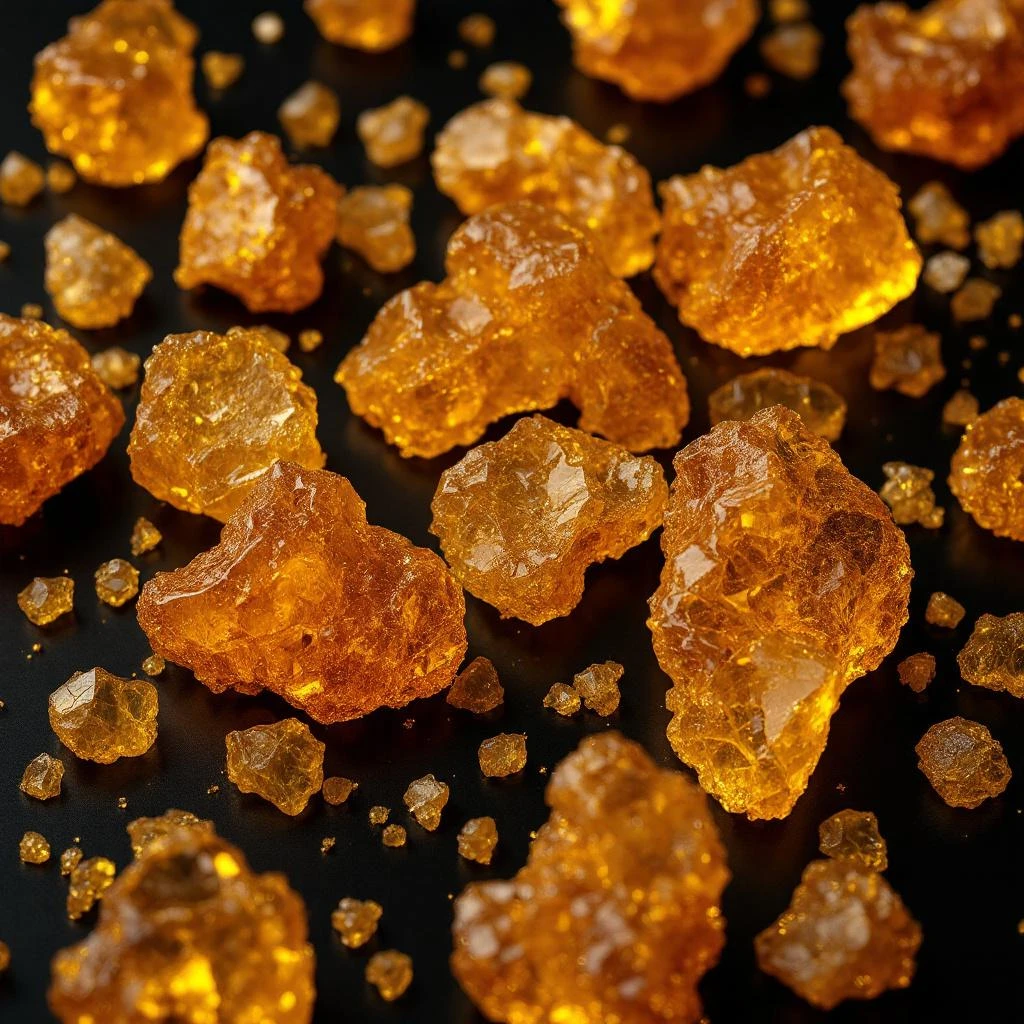
Warm and ancient, Kenyan Myrrh is a reddish-brown resin harvested from Commiphora trees in the Horn of Africa. Its balsamic, slightly sweet warmth carries centuries of ritual and trade across the Arabian Peninsula and East Africa, offering perfumers a rich, resinous heart note with dusty depth.
Character
How it smells
Dusty, balsamic, and timeless resin from the African highlands.
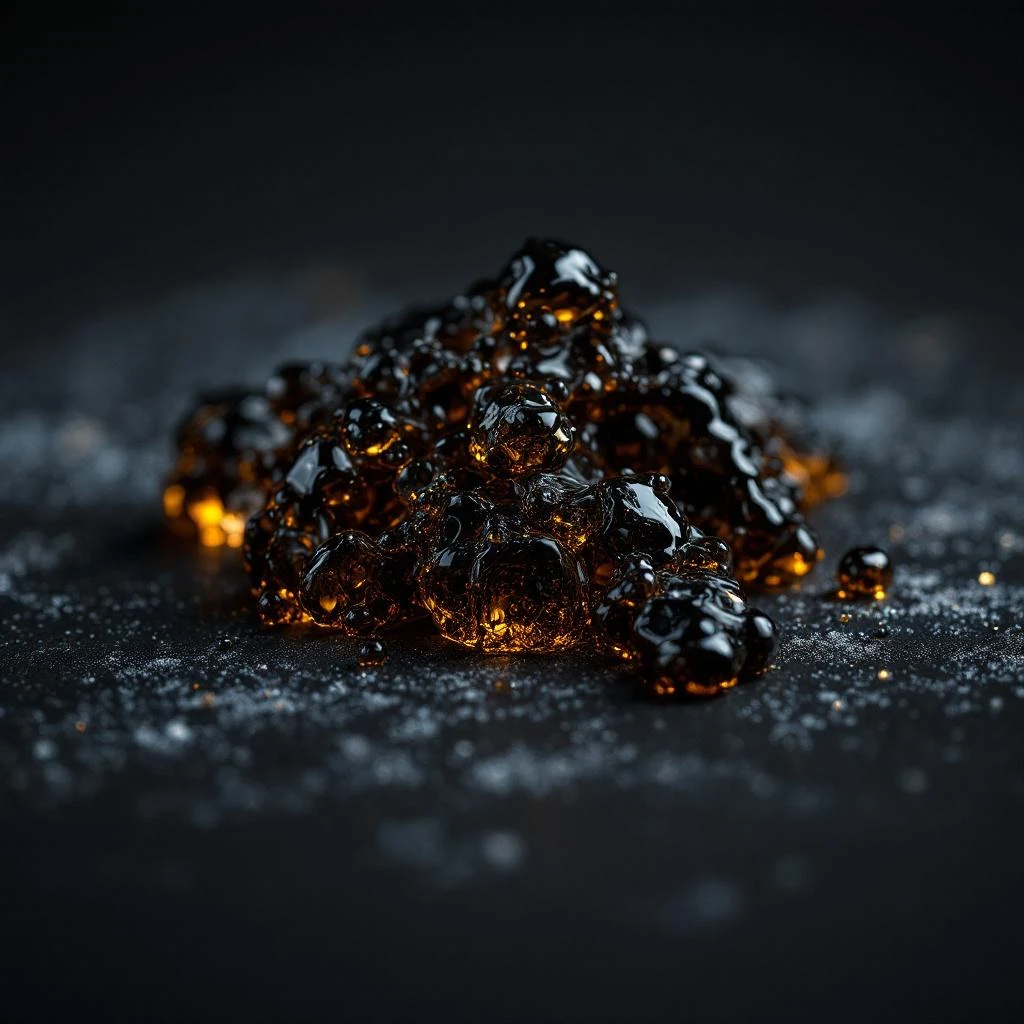
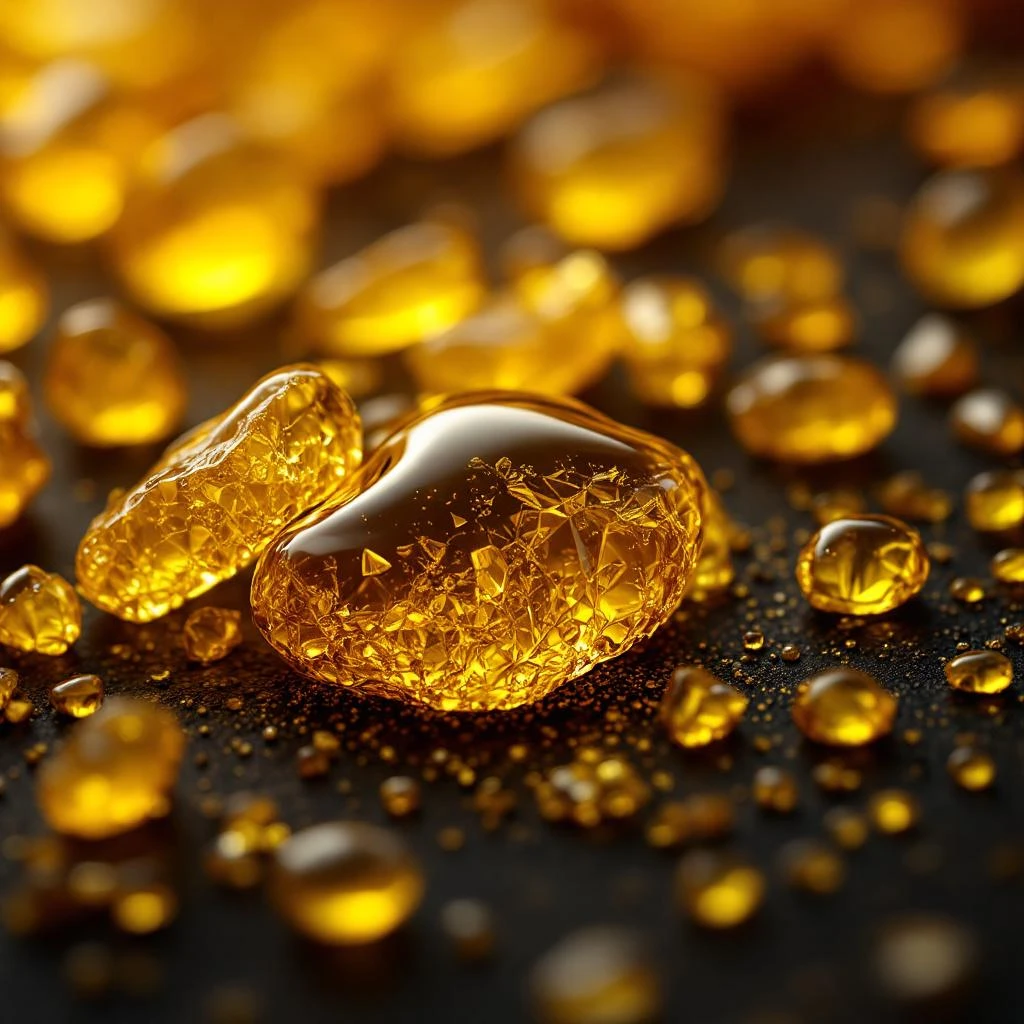
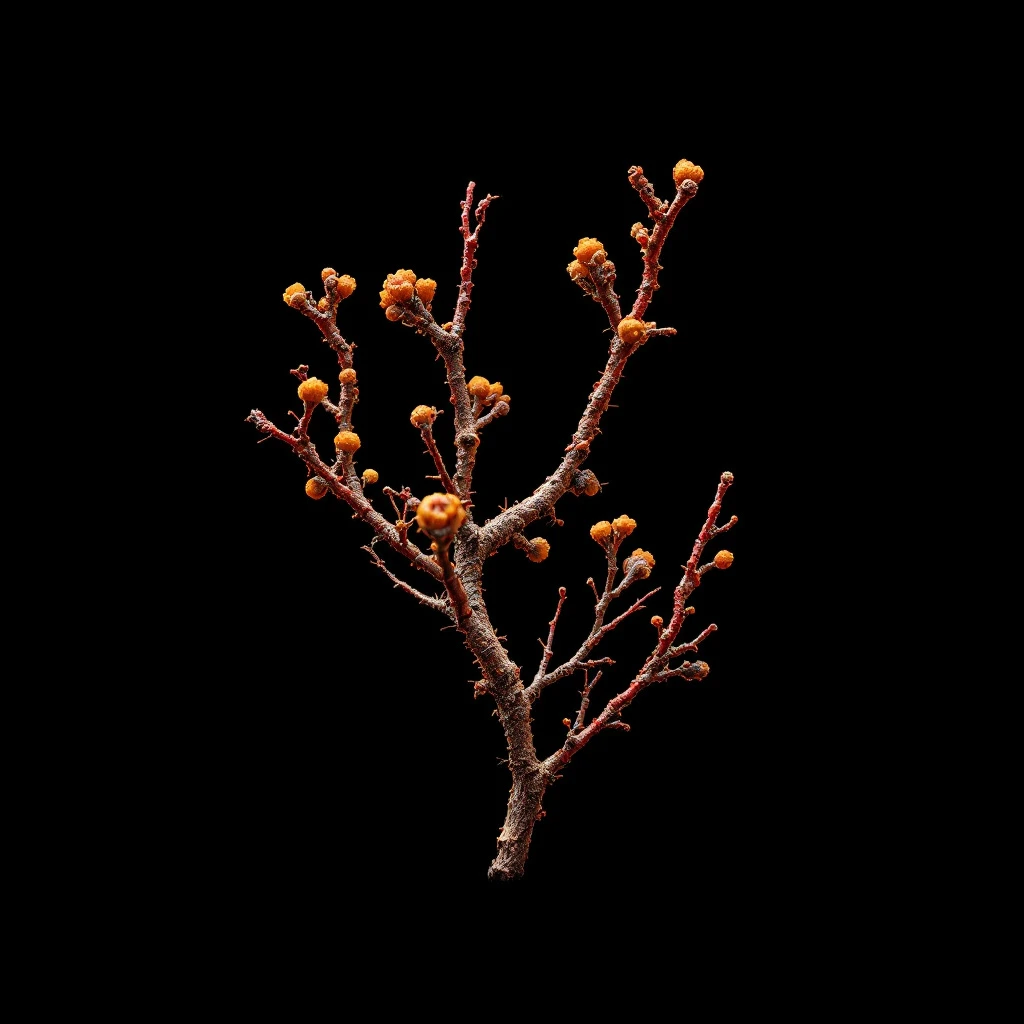
The Commiphora myrrha tree bleeds a reddish sap when its bark is cut, hardening into resin nodules over weeks, much like amber in reverse.




Origin
Kenya
Myrrh has moved through trade routes for over 4,000 years, and Kenya sits at a critical junction where African resins met Arabian trade networks. Ancient Egyptians blended myrrh into kyphi, a sacred incense burned in temples, while East African communities used it in rituals connecting to ancestry. The resin appeared along the incense route alongside frankincense, carried by merchant caravans from the Horn of Africa to Mediterranean civilizations.
Historical records show Somali and Ethiopian myrrh dominated trade, but Kenyan myrrh, known locally as Opoponax, held distinct regional importance. The Commiphora species thrives in Kenya's arid lowlands, producing a resin with slightly different character than Arabian sources. European perfumers 'discovered' myrrh in the 19th century, incorporating it into oriental fragrances that evoked spice trade glamour.
Today, Kenyan myrrh remains a bridge between ancient ritual and modern perfumery, its warm, dusty character anchoring compositions that seek timeless depth.
Wears it best
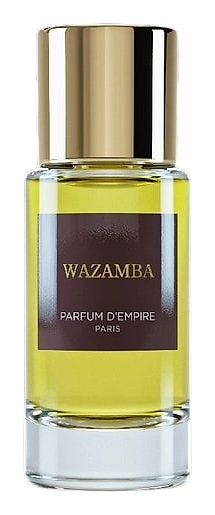
Fragrances featuring Kenyan Myrrh

Brands
Brands known for Kenyan Myrrh
Good to know
Questions, answered
The essentials on Kenyan Myrrh in perfumery: how it smells, where it comes from, and how it behaves on skin.
What does Kenyan Myrrh smell like?
Kenyan Myrrh offers a balsamic, warm aroma with woody depth and subtle sweetness. It reads as dusty, resinous, and slightly medicinal, with a comforting warmth that develops well in drydown. The scent evokes incense without being smoky.
How is myrrh resin harvested?
Harvesters make shallow cuts into Commiphora tree bark, allowing sap to weep out slowly. Within weeks, the liquid hardens into reddish-brown nodules that collectors gather by hand. This tapping method has remained essentially unchanged for millennia.
Why is Kenyan myrrh sometimes called Opoponax?
Opoponax is the common name for a related Commiphora species that produces a similar reddish resin. Kenyan traders historically grouped these resins under the Opoponax name, creating a naming convention that persists in fragrance markets today.
What family does the myrrh tree belong to?
Commiphora myrrha belongs to the Burseraceae family, sharing lineage with frankincense (Boswellia). Both families produce aromatic resins, though their chemical profiles differ significantly in perfumery applications.
Can myrrh oil be extracted using methods other than steam distillation?
Yes. Solvent extraction produces a myrrh absolute with richer color and different viscosity.CO2 extraction yields an even more complete aromatic profile. Each method affects the final fragrance character differently.
How long has myrrh been used in perfumery?
Myrrh appears in recorded perfumery since at least the 19th century when European fragrance houses began incorporating oriental ingredients. However, its use in incense and ceremonial contexts stretches back over 4,000 years.
Does Kenyan myrrh differ from Arabian or Ethiopian varieties?
Slight variations in climate, soil, and tree subspecies create nuanced differences in aroma. Kenyan myrrh often shows more pronounced sweet balsamic notes compared to sharper Arabian varieties, though all share the core resinous character.
What perfumery applications work best with Kenyan Myrrh?
Myrrh performs exceptionally in oriental bases, amber compositions, and woody fragrances. It adds depth to incense-forward scents and provides warmth in skin chemistry. A little goes far; perfumers typically use it at 0.5-2% concentration.