Comorian Pink Pepper
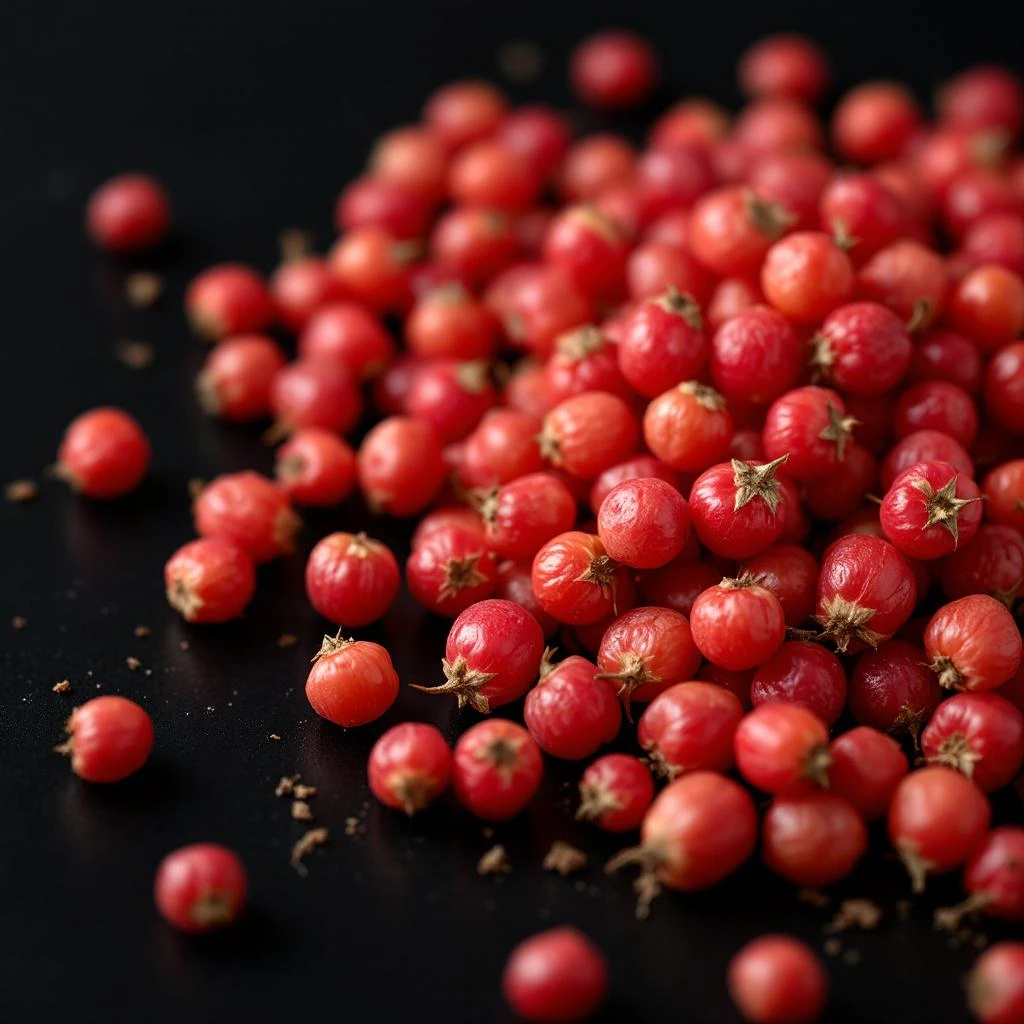
A sparkling, rosy-spicy berry note from the Comoros archipelago. Pink pepper brightens compositions with a crisp, peppery-floral lift that lingers like sunlight on stone.
Character
How it smells
Comorian spice with a rosy flicker
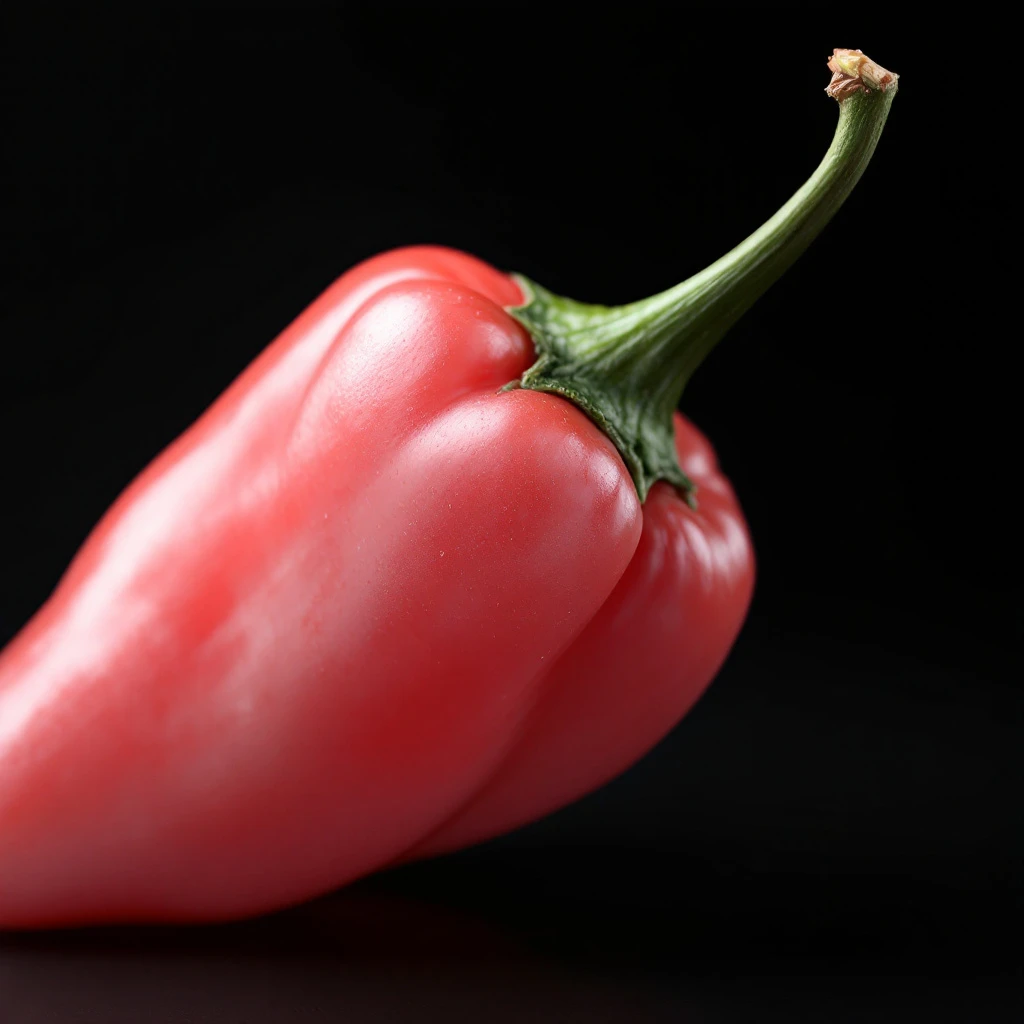
Pink pepper is not a true pepper. It comes from Schinus trees related to mangoes and cashews, and grows wild across volcanic Comorian slopes.



Origin
Comoros
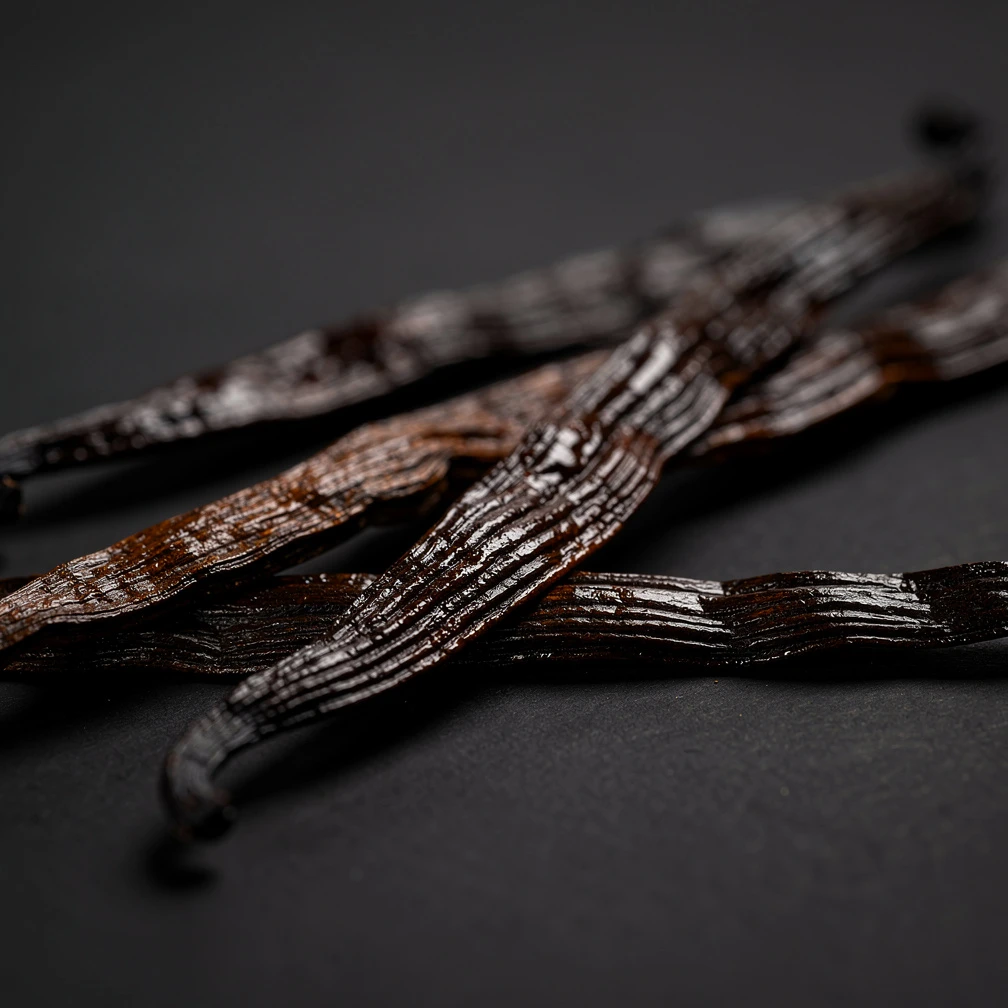
The Comoros Islands, a small archipelago between Madagascar and Mozambique, have quietly shaped modern perfumery for over a century. While the islands are best known for ylang-ylang and vanilla, pink pepper emerged as a significant secondary crop tied to that same agricultural heritage. Schinus terebinthifolius, sometimes called the Brazilian pepper tree despite its African cultivation, was introduced to the islands decades ago and found the volcanic soil and humid climate ideal for fruit production.
Local farmers traditionally used the berries in medicinal teas and cooking, but the global fragrance industry recognized their aromatic potential by the late twentieth century. Today, Comorian pink pepper supports thousands of small-scale farmers who harvest the berries alongside other aromatic crops. The ingredient gained wider recognition when Western perfumers began seeking alternatives to traditional black and white pepper notes, drawn to pink pepper's softer, fruitier character.
It now appears in countless fine fragrances as a luminous opening accent.
Wears it best
Fragrances featuring Comorian Pink Pepper
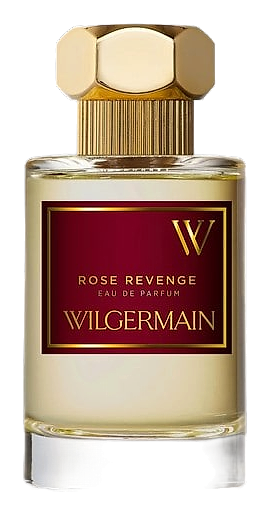
Brands
Brands known for Comorian Pink Pepper
Good to know
Questions, answered
The essentials on Comorian Pink Pepper in perfumery: how it smells, where it comes from, and how it behaves on skin.
What does Comorian pink pepper smell like in perfume?
It smells crisp and spicy with a rosy, slightly fruity edge. Unlike black pepper, it carries a brighter, more luminous quality that lifts the top notes of a fragrance. Many perfumers value it for adding sparkle without harshness.
Is pink pepper related to black pepper?
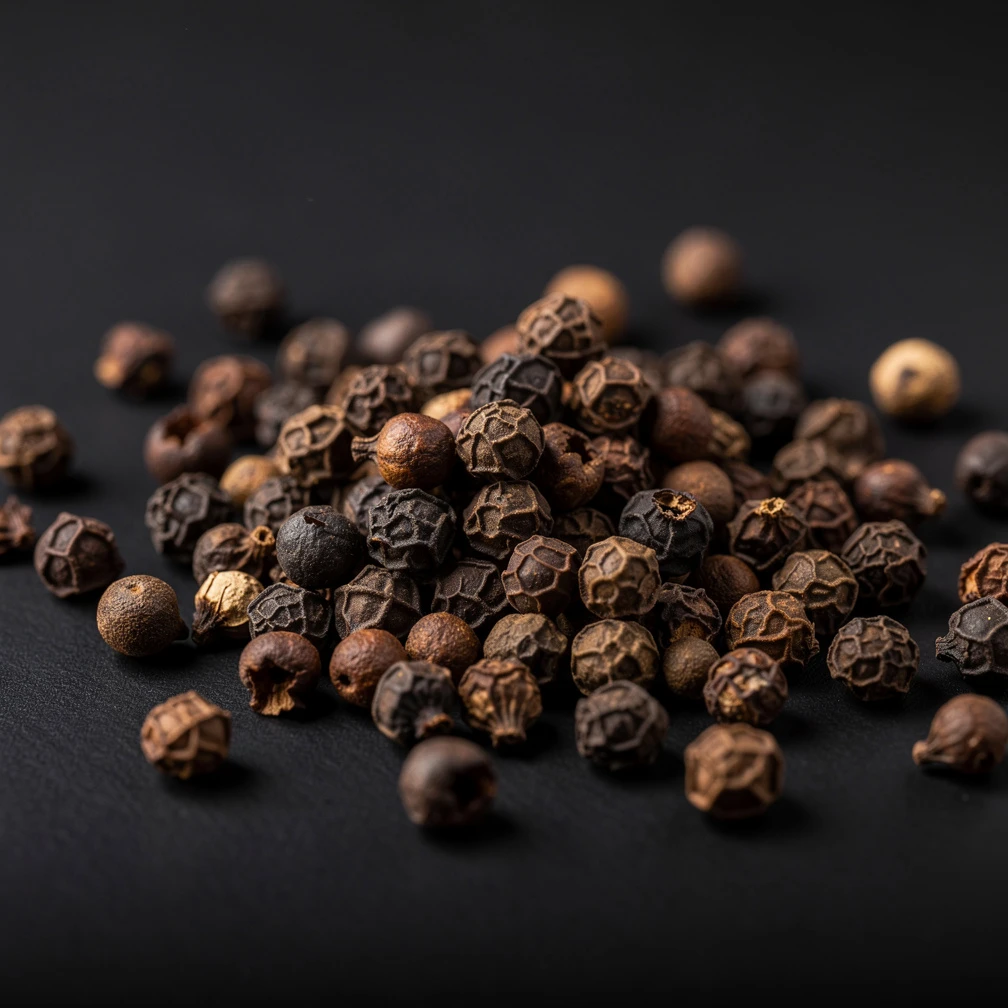
No. Pink pepper comes from Schinus trees in the Anacardiaceae family, making it a relative of mangoes and cashews rather than true pepper. True black pepper comes from Piper nigrum, a completely different plant.
Why is the Comoros a major source of pink pepper?
The volcanic soil, humid climate, and established aromatic-crop infrastructure make the islands ideal for cultivation. Comorian farmers harvest the berries alongside ylang-ylang and vanilla, using similar small-scale methods refined over generations.
How is pink pepper essential oil extracted?
Steam distillation is the standard method. Dried berries are processed through steam, yielding between 5% and 7.6% oil, an unusually high percentage for a natural raw material in perfumery.
Can pink pepper cause skin reactions?
Pink pepper belongs to the same family as poison ivy and can irritate sensitive skin in concentrated form. Most perfumery applications use diluted amounts, but anyone with plant sensitivities should patch-test first.
What fragrance families use pink pepper most?
Pink pepper appears across floral, oriental, and woody compositions, but shines brightest in modern florals and fruity chypres. Its bright opening bridges fresh top notes into warmer heart accords smoothly.
When are Comorian pink pepper berries harvested?
Harvest runs primarily from February through May when berries reach peak ripeness. Pickers collect them by hand from semi-wild trees growing on volcanic hillsides, then sun-dry the fruit before distillation.
Is pink pepper sustainably sourced in the Comoros?
The crop grows semi-wild and supports smallholder farmers alongside ylang-ylang and vanilla. Because the trees are not intensively cultivated, harvesting has a low environmental impact compared to monoculture spice farming.