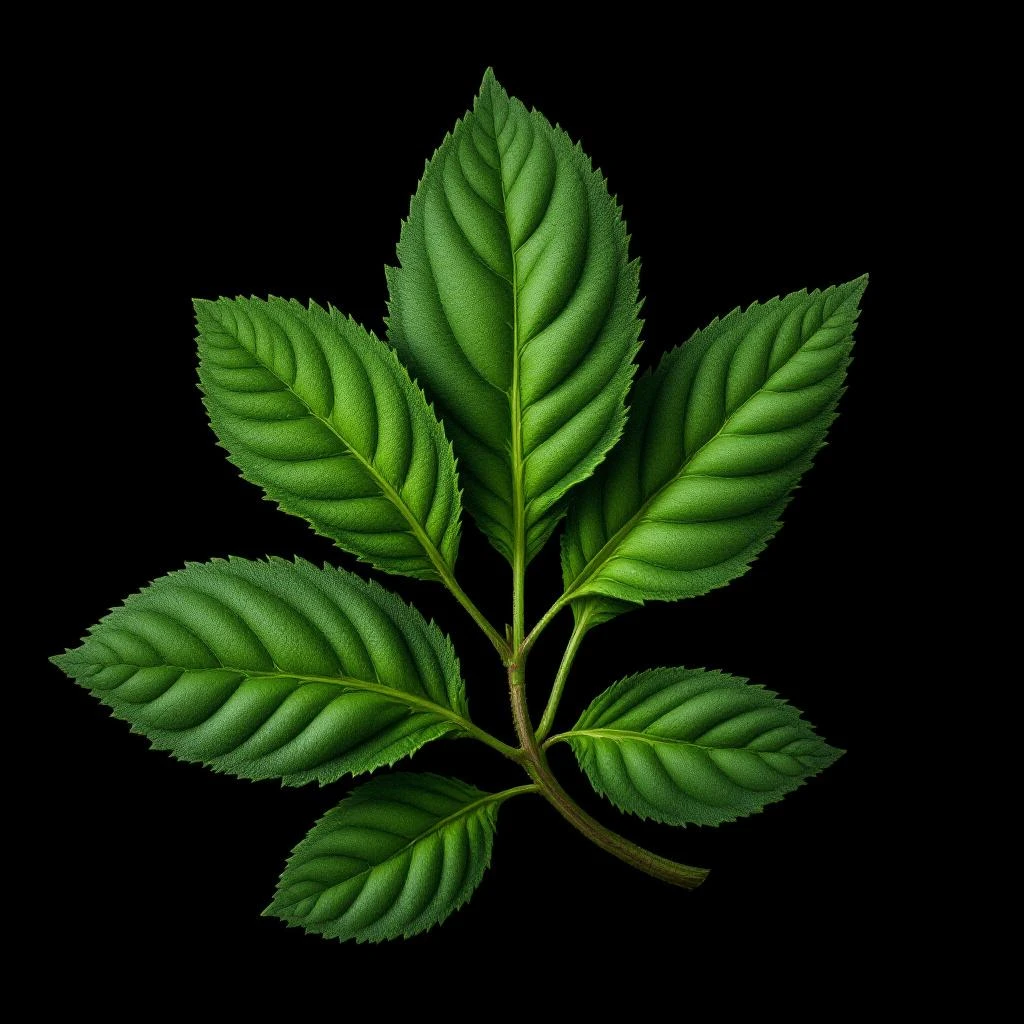
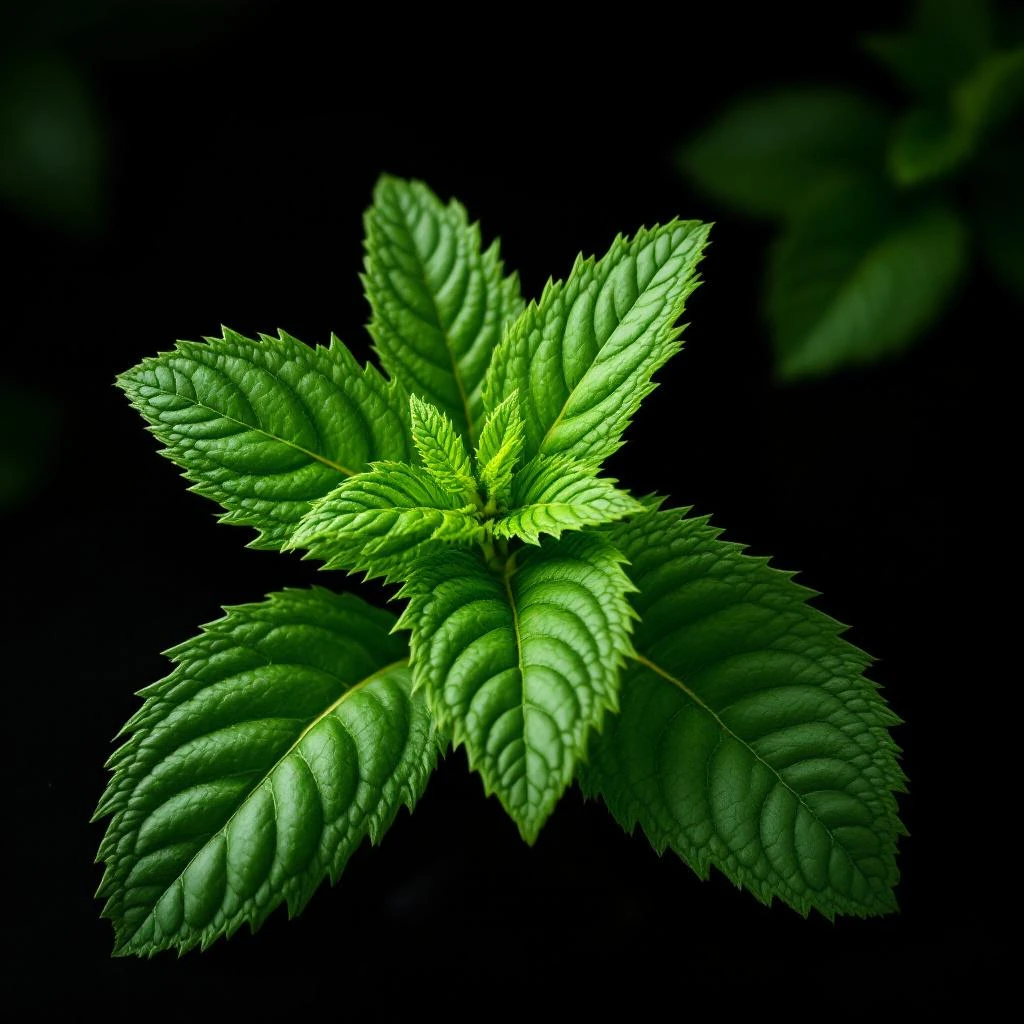
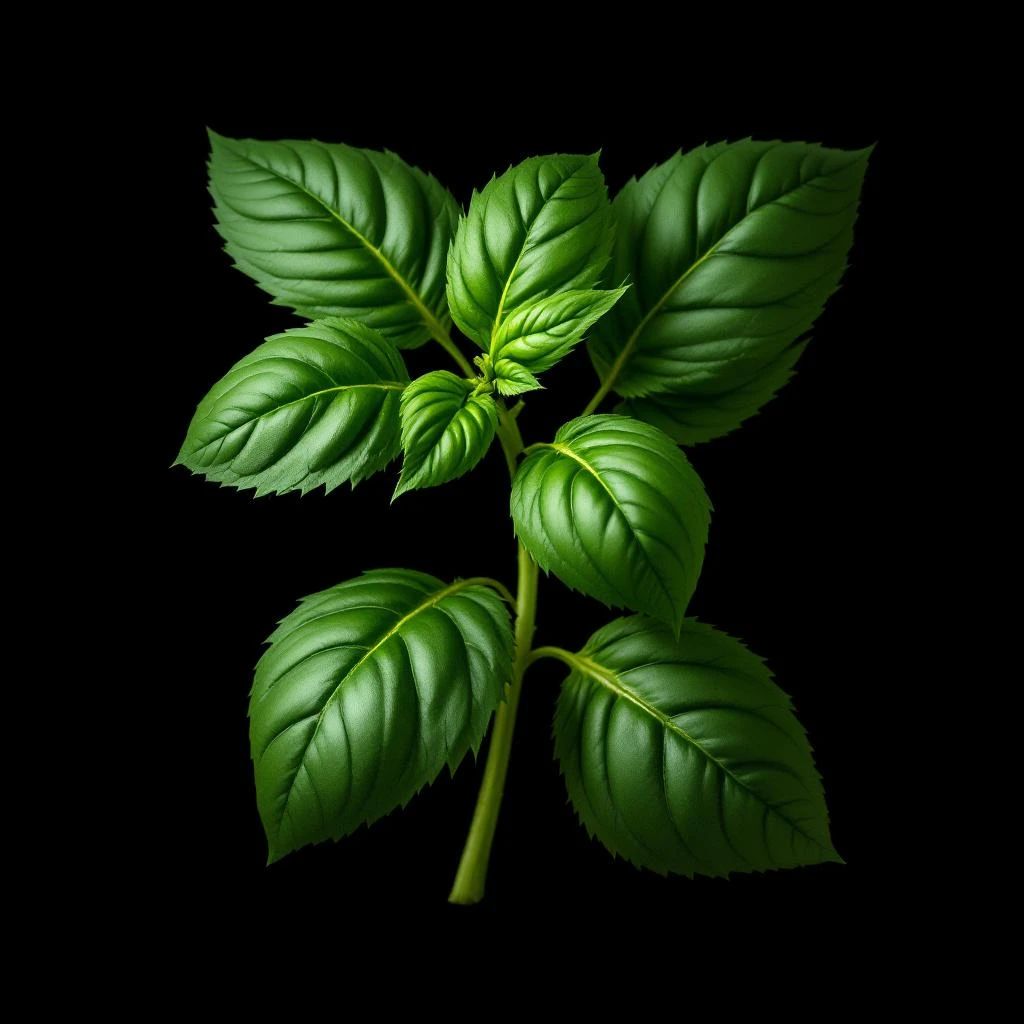
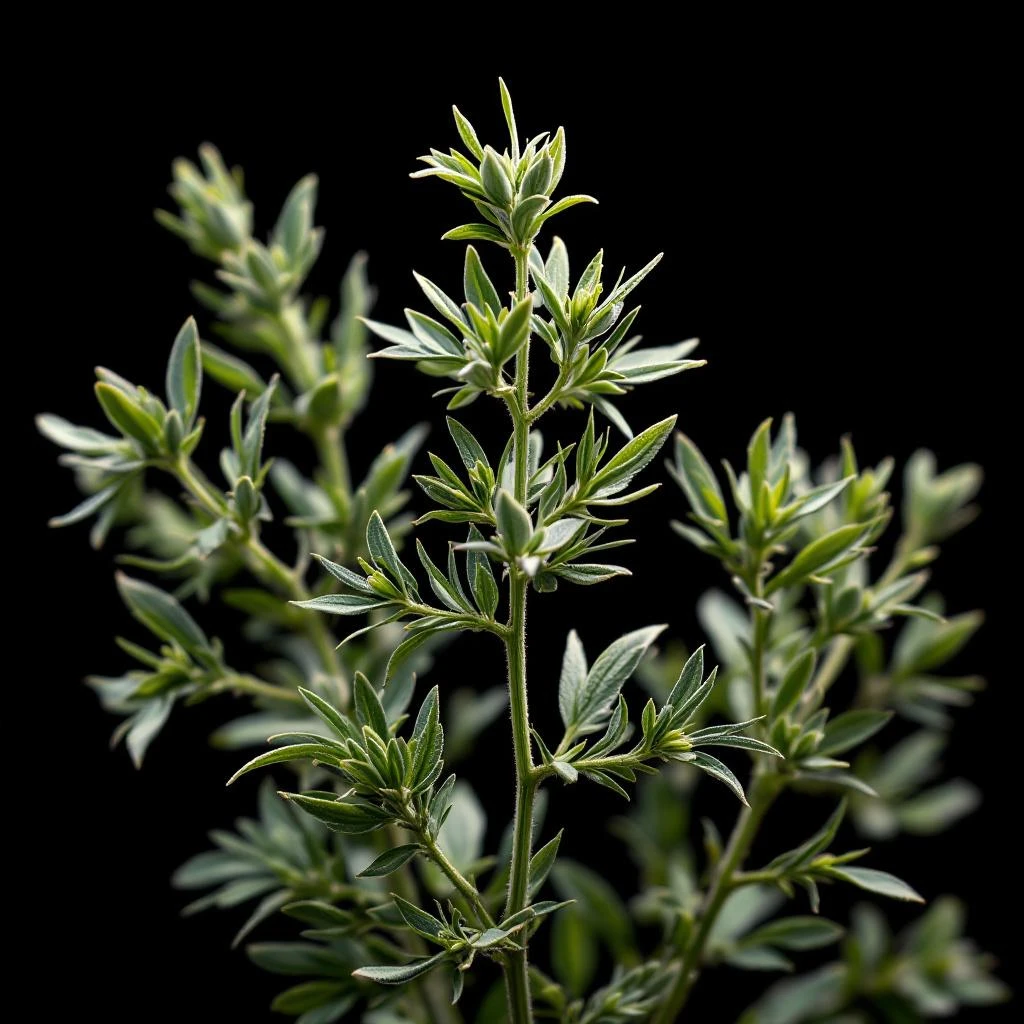
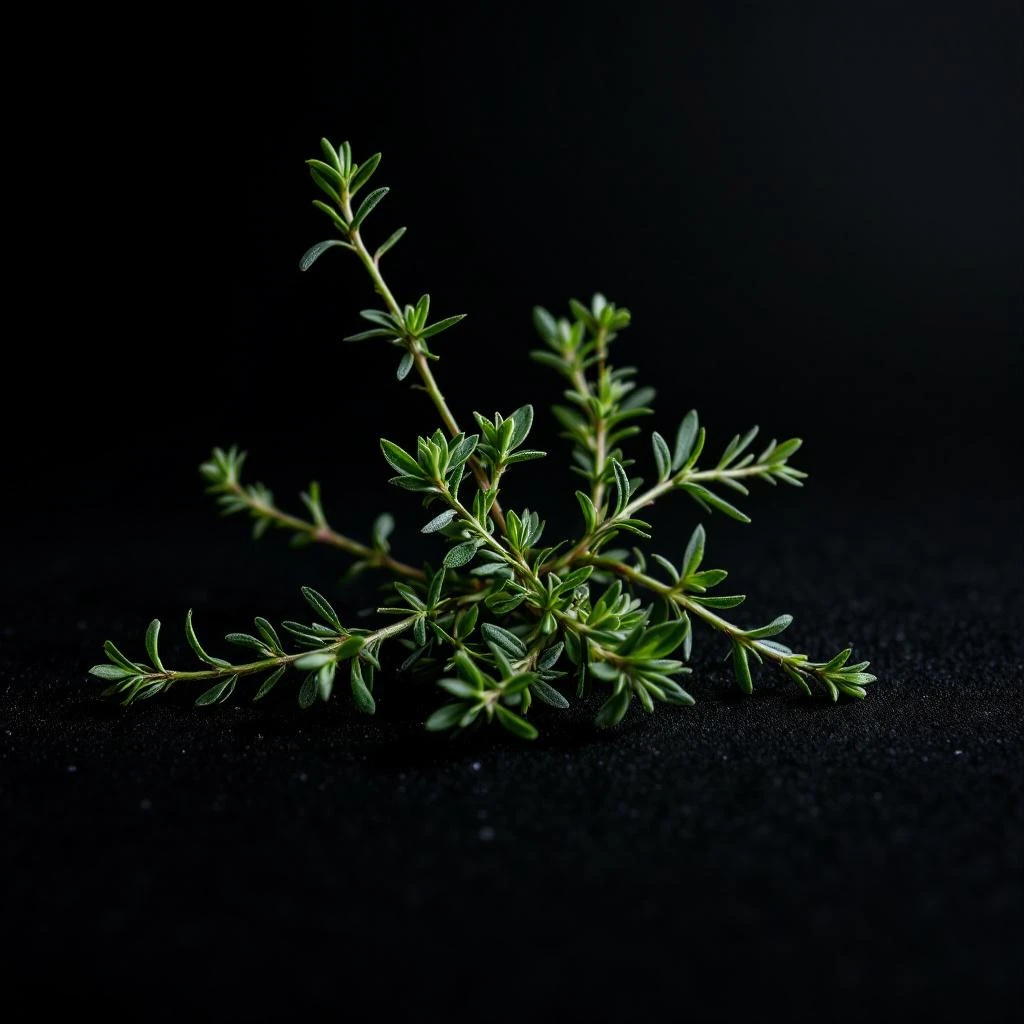
Comorian Basil
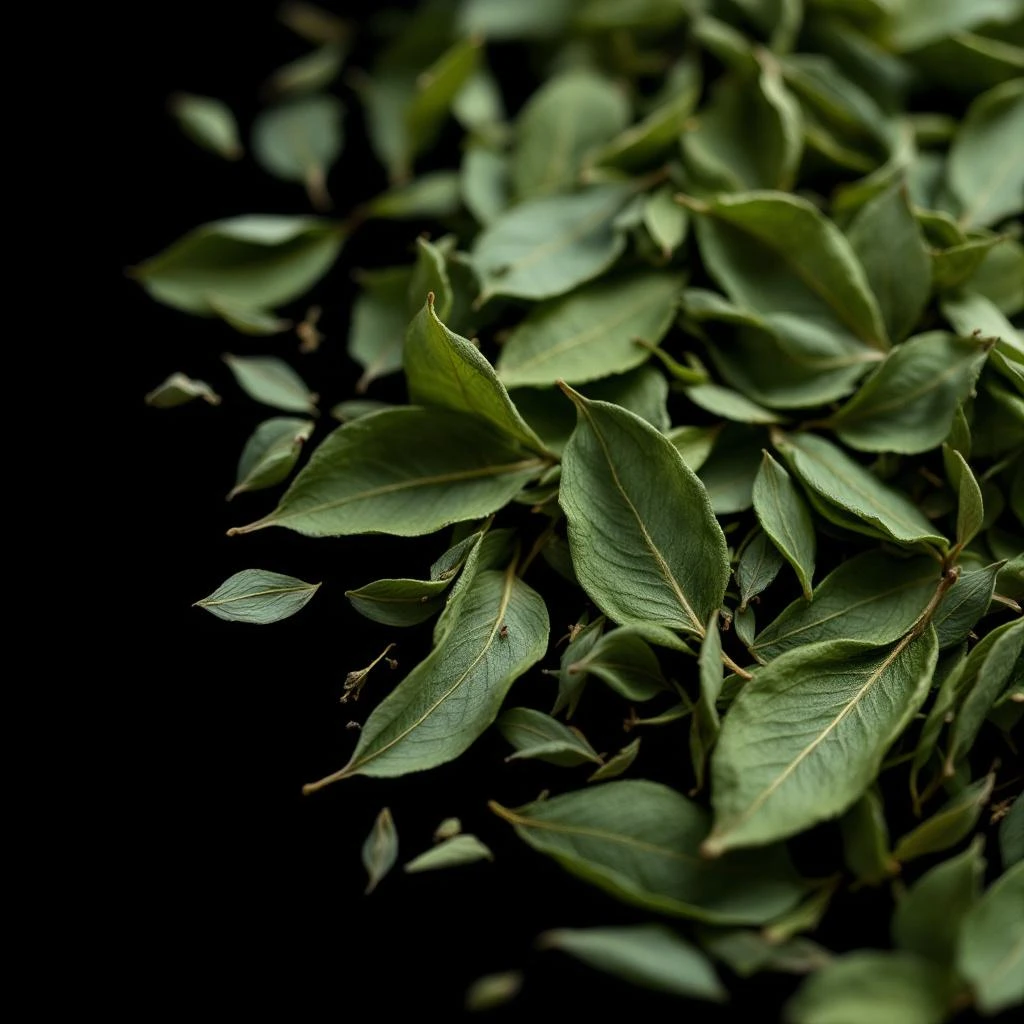
Comorian Basil hails from the volcanic islands of the Indian Ocean, where mineral-rich soil and tropical humidity cultivate a basil variety prized for its intensely aromatic, eugenol-rich character. A singular expression of terroir in perfumery.
Character
How it smells
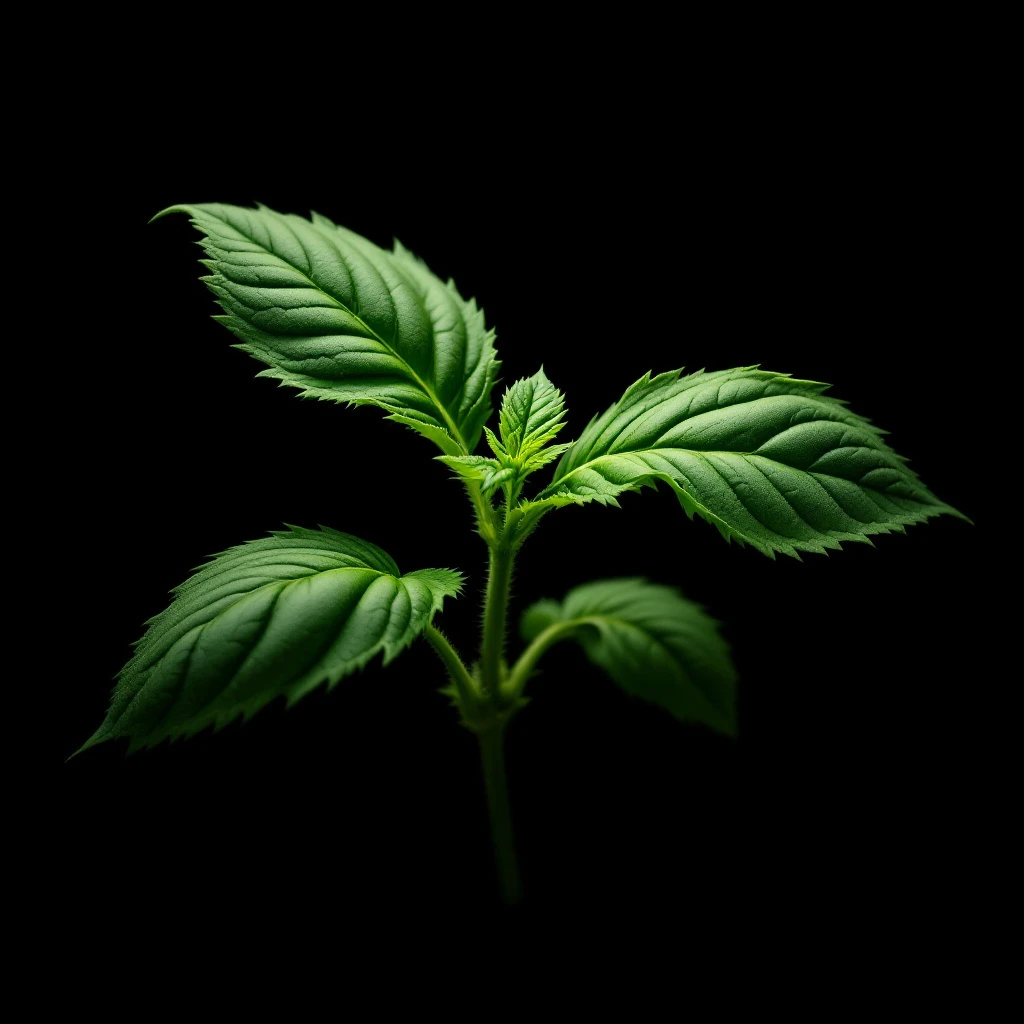
Volcanic terroir, singular spice.
Comoros produces basil with eugenol content reaching up to 45%, far exceeding most varieties grown elsewhere.


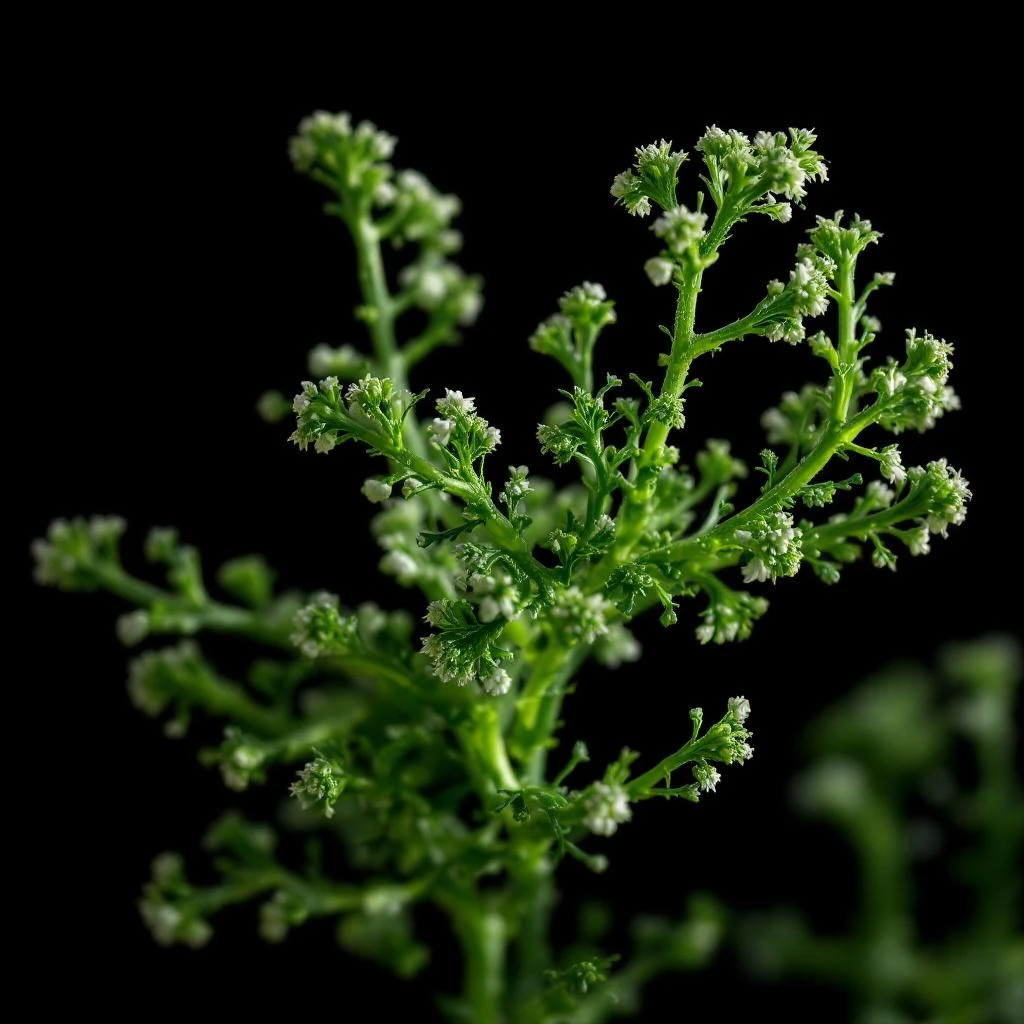
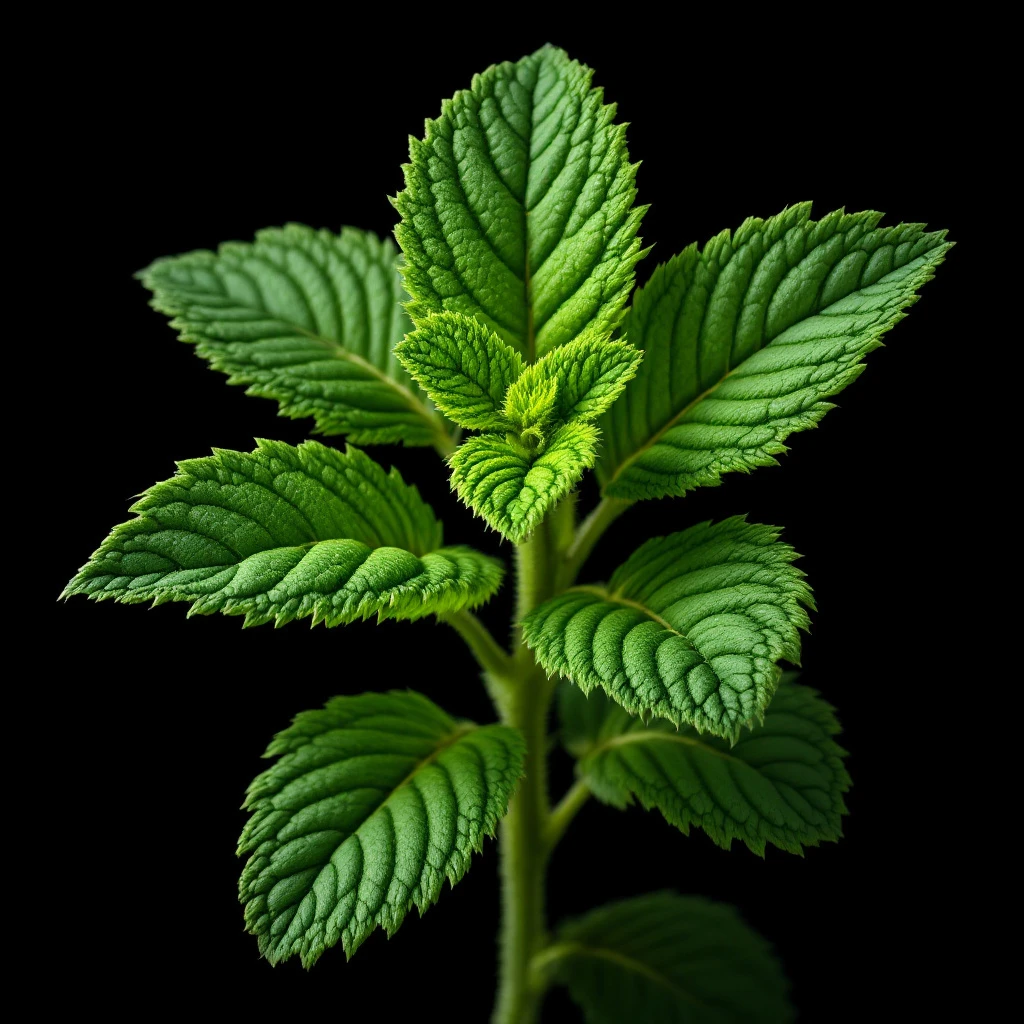

Origin
Comoros
While basil has ancient roots in Mediterranean and Asian cultures, Comorian Basil represents a distinct terroir-driven expression that emerged through the islands perfume industry. The Comoros archipelago, positioned between Africa and Madagascar in the Indian Ocean, developed significant aromatic agriculture during the colonial era, alongside prized ylang-ylang production. The volcanic soil and equatorial humidity create growing conditions that amplify basil essential oil content beyond typical parameters.
Local farmers refined cultivation techniques suited to island terrain, establishing Comoros as a recognized source for aromatic materials by the mid-twentieth century. The islands hold coordinates at 11. 6 degrees south latitude, 43.
3 degrees east longitude, placing them squarely in the tropical climate zone responsible for their distinctive agricultural character. Comorian Basil earned recognition for its unusually high eugenol concentration, producing spicy, clove-like undertones that distinguish it from European sweet basil varieties.
Wears it best
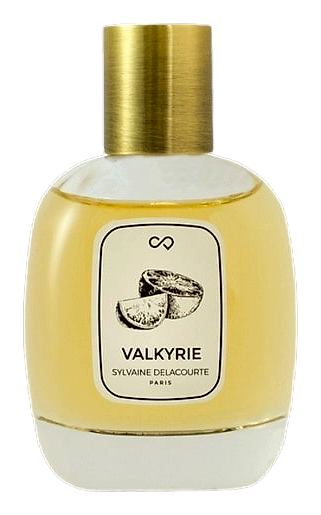
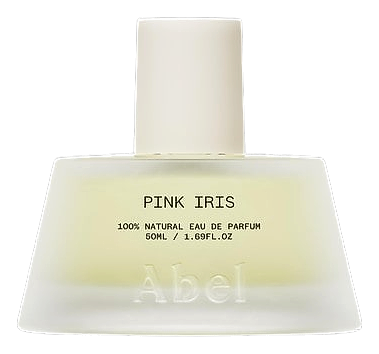
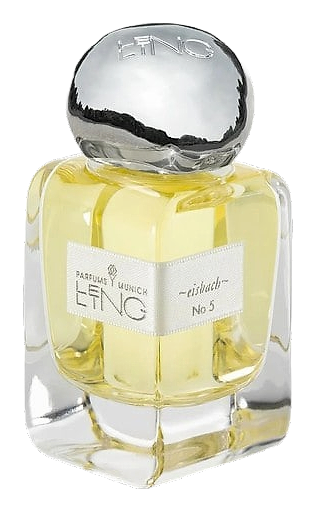
Fragrances featuring Comorian Basil
Brands
Brands known for Comorian Basil
Good to know
Questions, answered
The essentials on Comorian Basil in perfumery: how it smells, where it comes from, and how it behaves on skin.
What makes Comorian Basil distinct from other basil varieties?
Comorian Basil develops uniquely high eugenol content due to volcanic soil composition and tropical humidity. Lab analysis shows eugenol levels reaching 45 percent, substantially higher than most basil varieties, producing pronounced spicy, clove-like warmth alongside classic green, slightly camphoraceous basil character.
What does Comorian Basil smell like?
The scent opens with bright, green, slightly camphoraceous freshness before revealing warm, spicy undertones reminiscent of clove. Eugenol richness creates an aromatic bridge between traditional sweet basil and actual clove oil, with subtle sweet, slightly aniseed nuances completing the profile.
How is Comorian Basil oil extracted?
Steam distillation remains the standard method. Fresh or minimally dried leaves and flowering tops undergo pressurized steam treatment in copper stills, rupturing oil-bearing trichomes. Vapors condense, separating into essential oil and aromatic hydrosol. The process preserves delicate volatile compounds while achieving clean, concentrated results.
Where does Comorian Basil originate?
The Comoros Islands, an archipelago in the Indian Ocean between Africa and Madagascar at coordinates 11.6 degrees south, 43.3 degrees east. Volcanic origin and tropical climate create mineral-rich soil and consistent humidity ideal for cultivating Ocimum basilicum with exceptional aromatic intensity.
Which perfume families use Comorian Basil?
Herbal, aromatic, and fougere fragrances feature Comorian Basil most prominently. Masculine compositions and colognes benefit from its fresh-spicy complexity. It also appears in certain floral oriental fragrances seeking green, aromatic counterpoint. Natural perfumery particularly values its distinctive terroir character.
Is Comorian Basil used in food or aromatherapy?
Culinary applications exist, particularly in island cuisines where local production occurs. Aromatherapy employs the oil for its potential calming and clarifying properties, though perfumery remains the primary commercial application. Always use appropriate dilutions and consult safety guidelines.
What season is Comorian Basil harvested?
Harvest timing follows the flowering cycle, typically occurring twice yearly in Comoros tropical climate. Peak harvests align with periods when plants allocate maximum resources to reproduction, coinciding with highest essential oil concentration in leaves and flowering tops.
What pairs well with Comorian Basil in fragrance composition?
Citrus oils, lavender, and rosemary create bright, aromatic combinations. Woody materials like vetiver and cedar ground its freshness. Rose and jasmine soften its spicy edge, while patchouli and amber add warmth. The key lies in balancing its camphoraceous top notes against complementary aromatic materials.