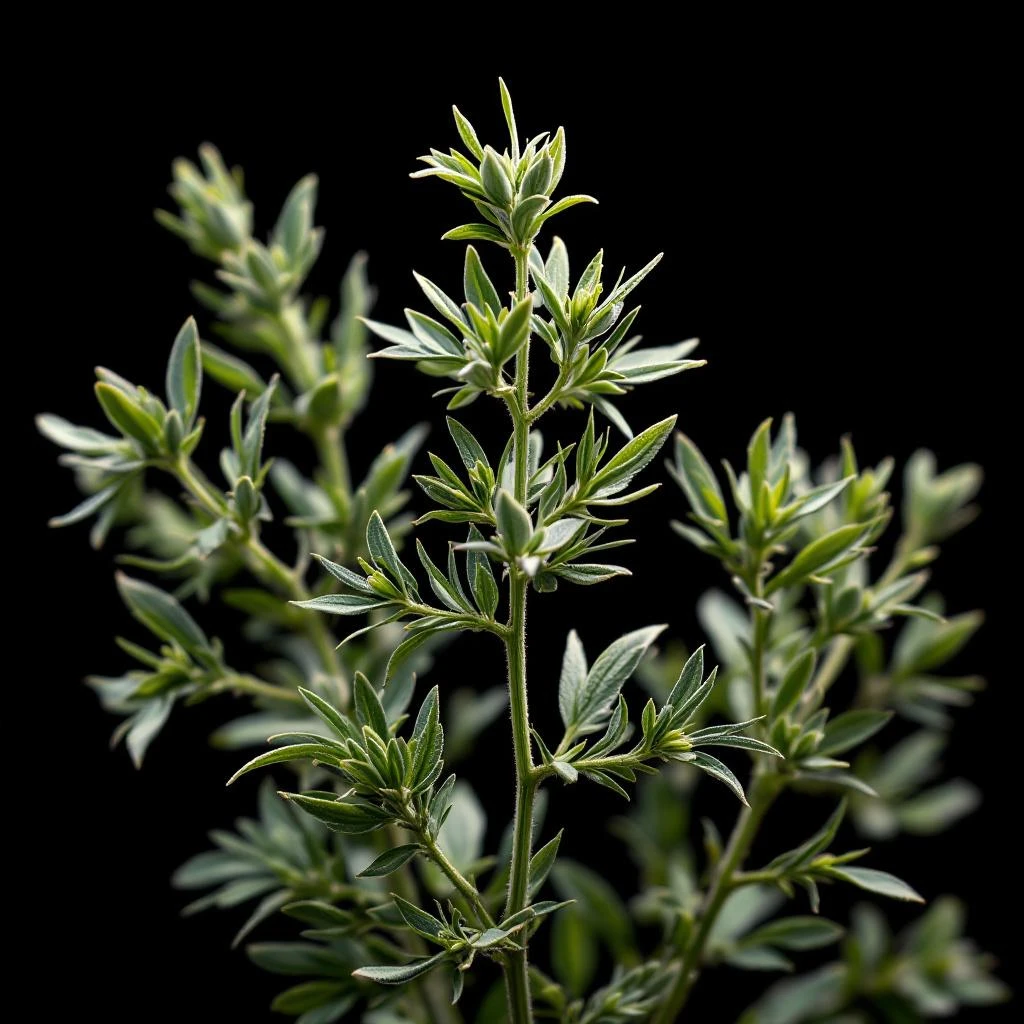
American Curly Mint
American curly mint brings a bright, herbaceous intensity to fragrance with a cooler mentholated character shaped by the soils and waters of the Pacific Northwest.
Character
How it smells
Crisp, cooling mint with a wild American edge.
Menthol triggers the same cold receptors in your skin as actual cold temperature does, a phenomenon called chemesthesis.


Origin
United States
The mint family carries a lineage rooted in Greek mythology: the nymph Mintha, beloved by Hades, was transformed by a jealous Persephone into a fragrant herb. Native American tribes long used wild mint species for culinary and medicinal purposes before European contact.
Mentha canadensis, the primary species behind American wild mint, actually traces botanical origins to East Asia before naturalizing across North America. Scientific classification of Mentha species advanced through the 18th century, yet American cultivation for essential oil production only emerged as a systematic industry in the early 20th century.
Today, the United States ranks among the world's leading producers of mint oil alongside India, China, and Brazil. American wild mint holds a distinct position in perfumery for its wild, less cultivated aromatic profile compared to heavily bred European spearmint and peppermint varieties.
Wears it best
Fragrances featuring American Curly Mint
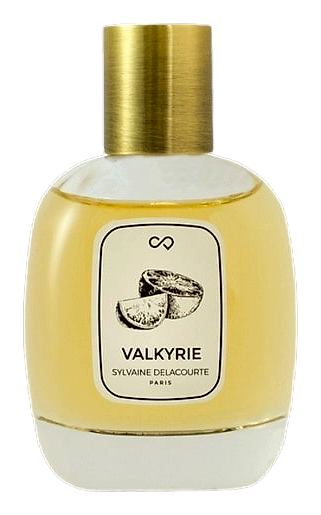
Brands
Brands known for American Curly Mint
Good to know
Questions, answered
The essentials on American Curly Mint in perfumery: how it smells, where it comes from, and how it behaves on skin.
What is American curly mint botanical name?
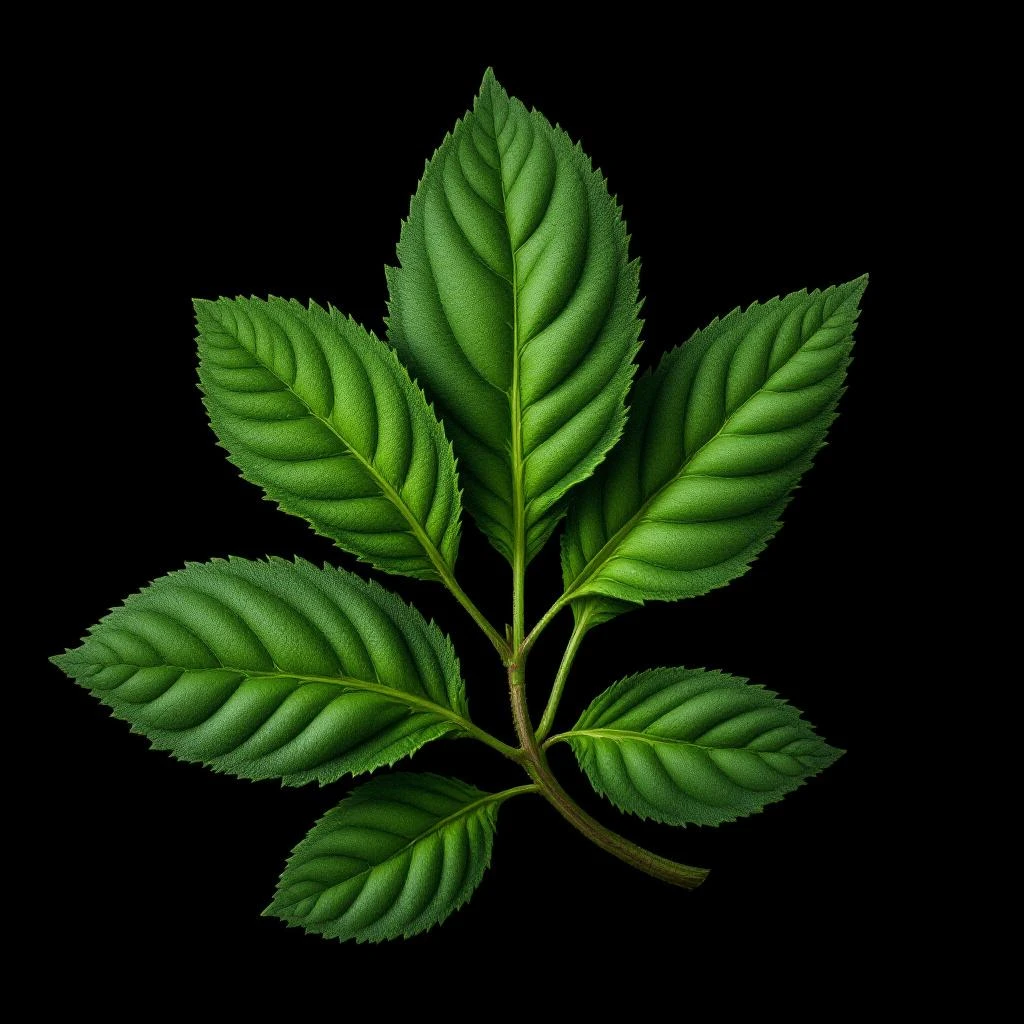
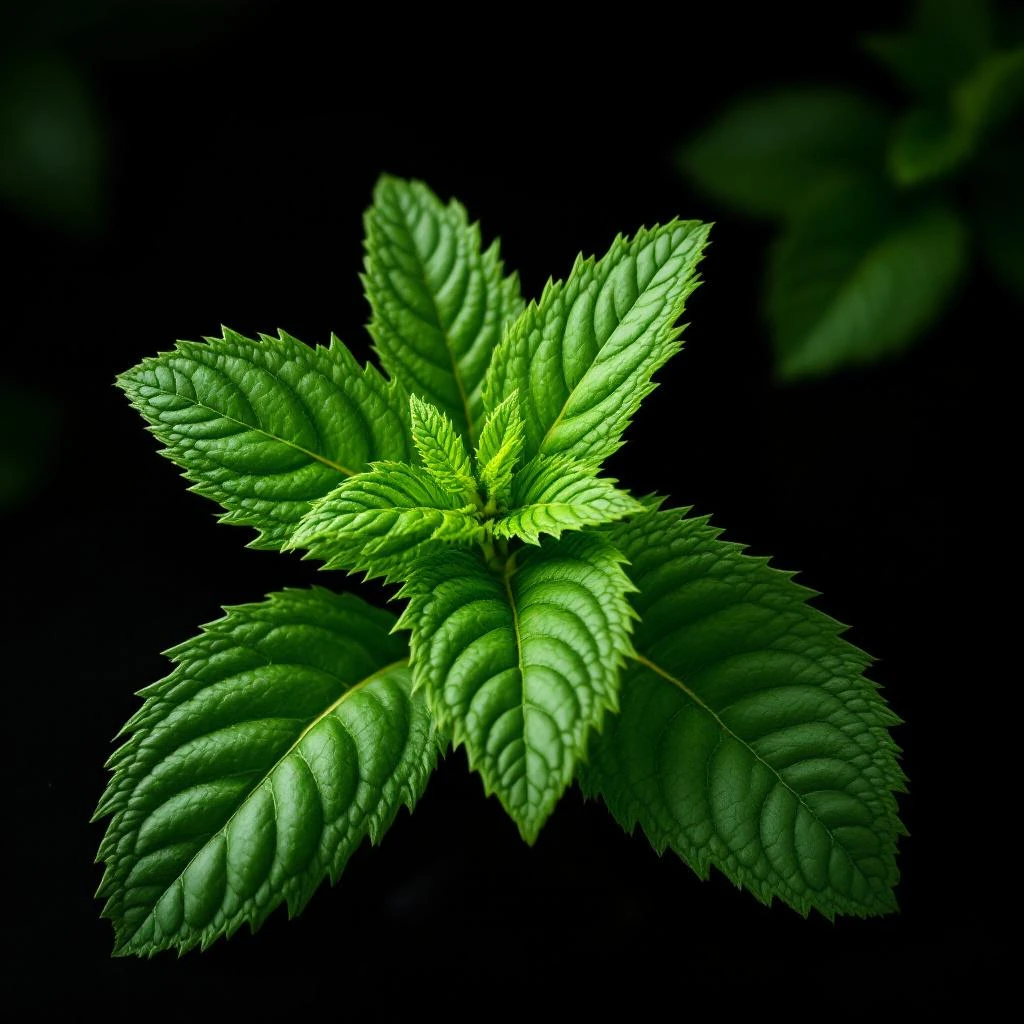
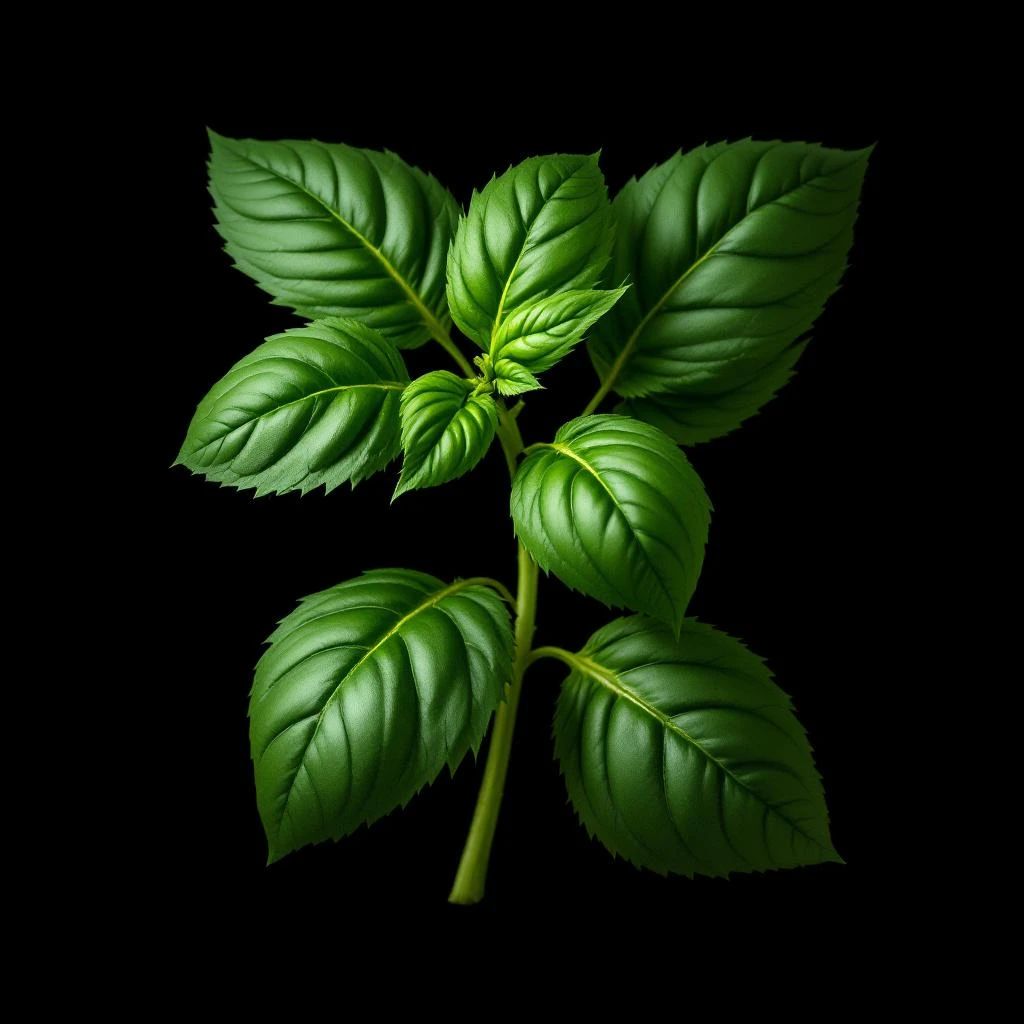
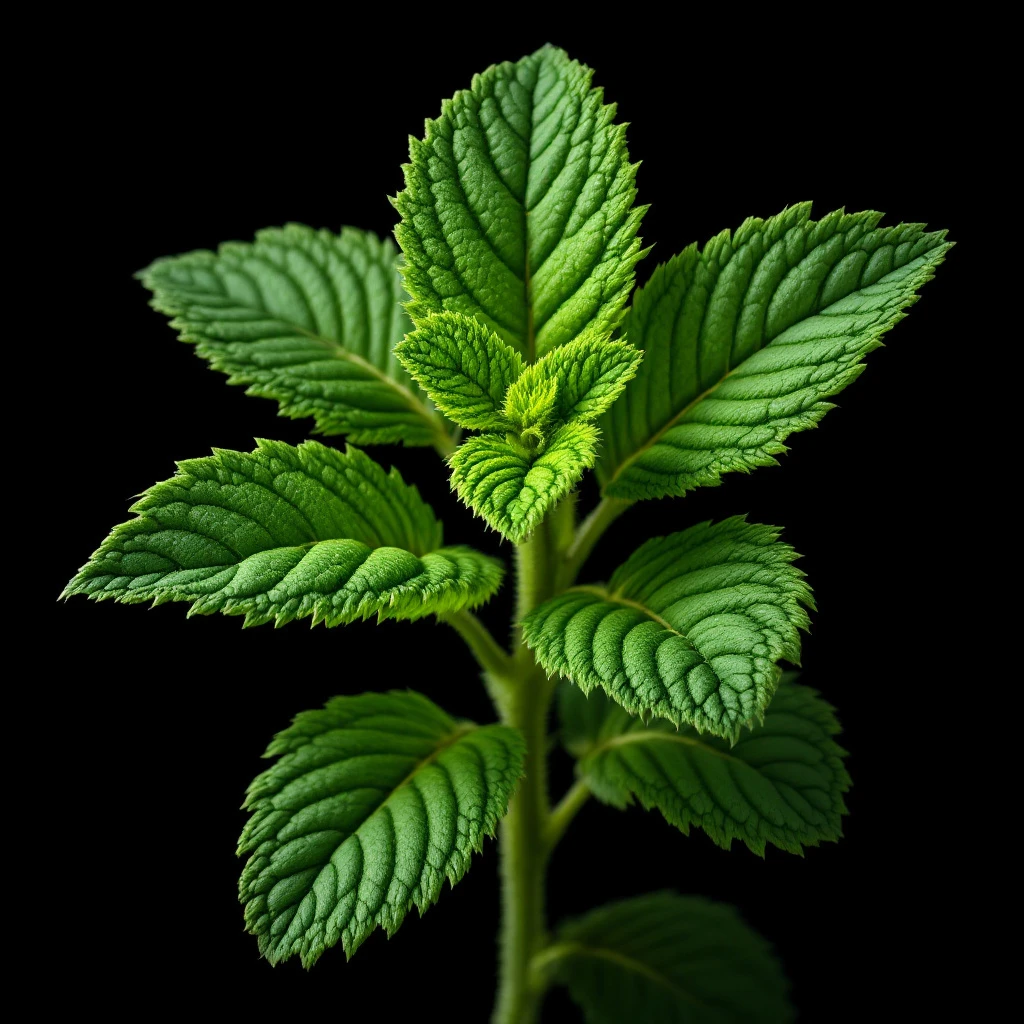
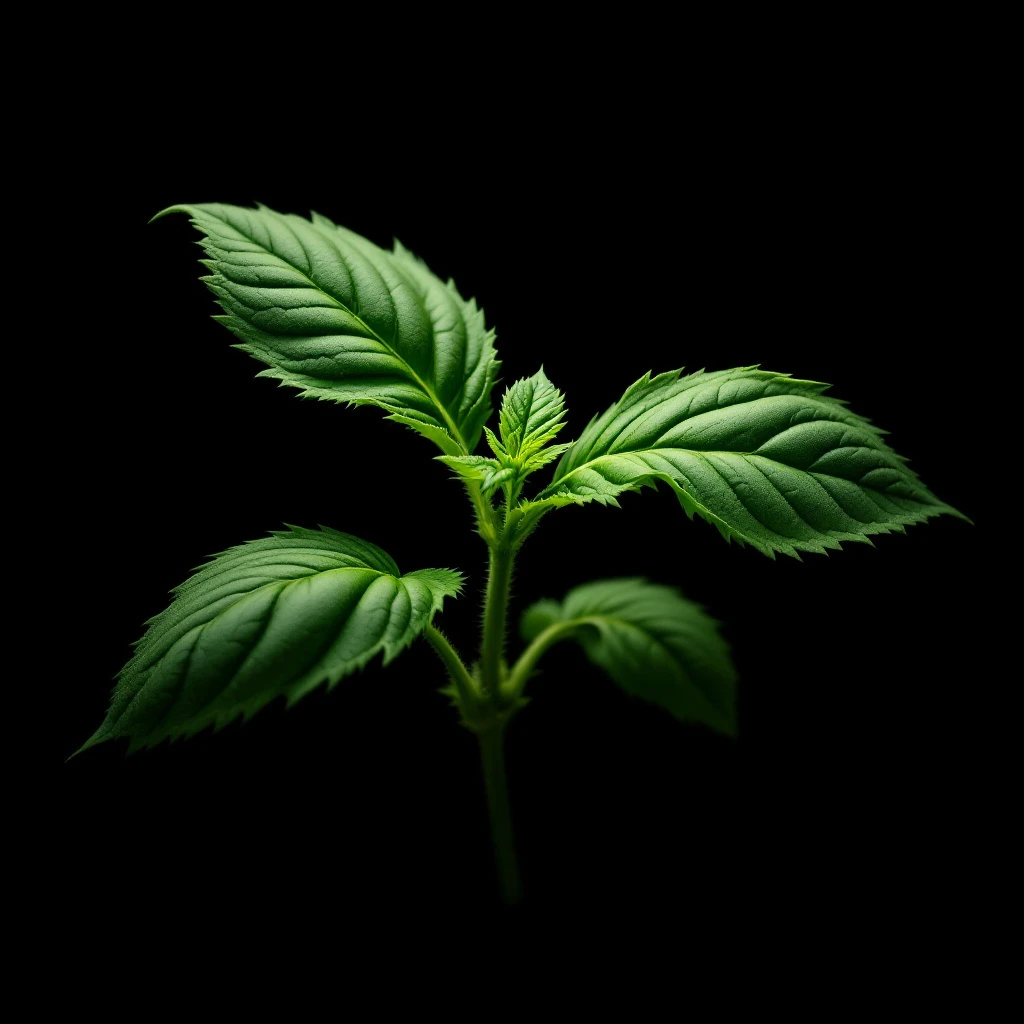
American curly mint typically refers to Mentha canadensis, the American wild mint species known for its crinkled, curled foliage. This Lamiaceae family member produces elevated menthol content and thrives across temperate North American wetlands. The curled leaf structure distinguishes it from flat-leaved varieties, creating natural pockets that concentrate aromatic oils.
What makes American wild mint different from spearmint?
American wild mint carries notably higher menthol levels than spearmint, delivering a pronounced cooling sensation rather than spearmint's sweet, rounded aroma. The menthol content in wild Mentha canadensis typically ranges from 40 to 70 percent, while spearmint contains minimal menthol. This cooling intensity makes American wild mint prized for top-note brightness and refreshment in fragrance.
What does American curly mint smell like?
American curly mint presents a bright, herbaceous aroma with a sharp mentholated edge that feels cooler and wilder than cultivated spearmint. The scent carries green, slightly earthy undertones reminiscent of fresh-cut garden herbs. Its fragrance reads as immediate and clean, with menthol lending a crisp, almost biting quality that invigorates the top notes of a composition.
How is mint essential oil extracted?
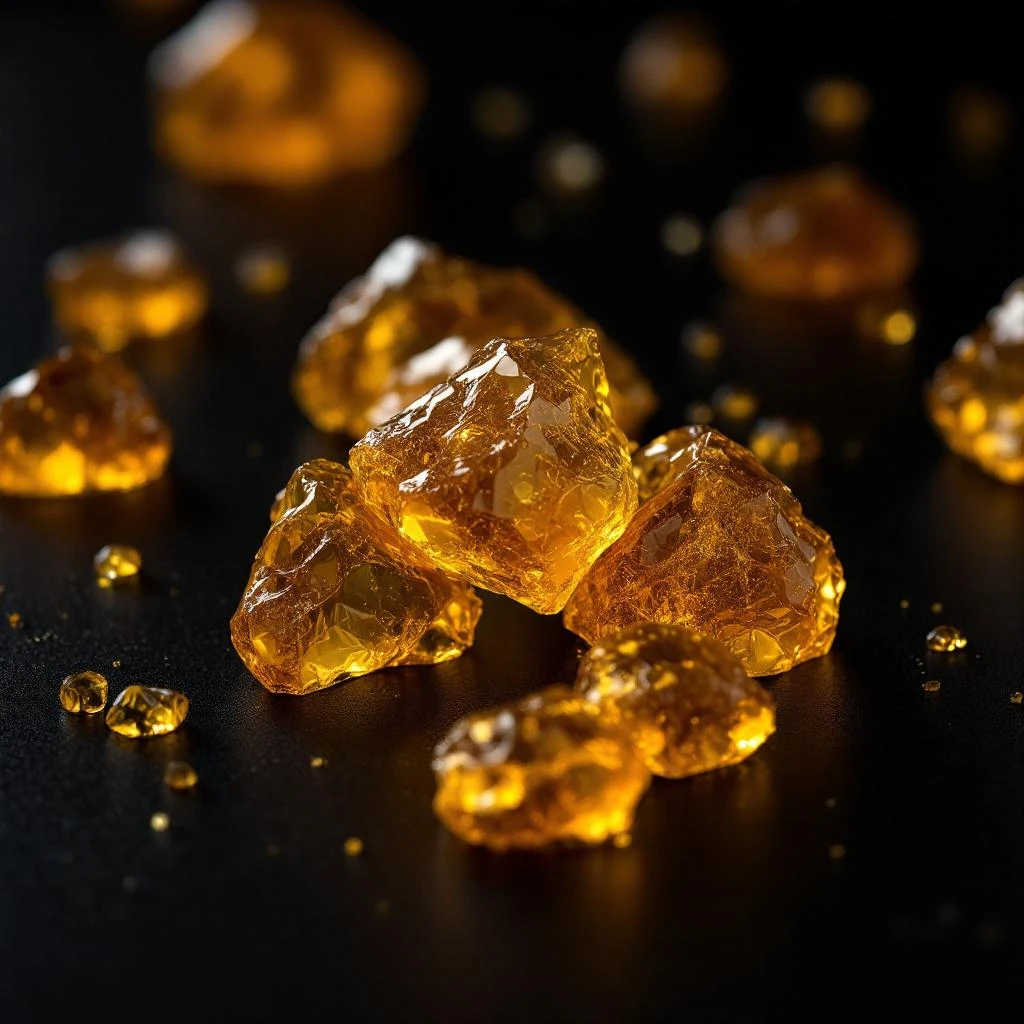
Steam distillation extracts mint's volatile compounds from fresh plant material, with the resulting vapor condensed into liquid. The essential oil separates from the hydrosol layer and cools into menthol crystals through gradual crystallization. This method preserves the full aromatic profile while concentrating the cooling menthol component. Natural menthol crystals form white, needle-like structures that perfumers further refine.
Is American curly mint used in perfumery?
American wild mint appears in fragrance primarily for its aromatic top notes and cooling effect rather than as a central accord. It shows up most often in men's colognes, fresh aromatics, and green fragrance compositions. The mentholated character adds brightness and an energetic opening that many consumers associate with cleanliness and vitality.
What is the menthol content in American wild mint?
American wild mint typically yields 40 to 70 percent menthol in its essential oil, substantially higher than peppermint's 25 to 45 percent range. This elevated menthol content produces the signature cooling sensation valued in both fragrance and food-grade applications. The exact percentage varies with growing conditions, harvest timing, and distillation methods.
What does curly refer to in curly mint?
The term describes the leaf structure: curly mint varieties develop crinkled, ruffled foliage rather than flat leaves. These undulating surfaces create natural pockets that trap and concentrate aromatic oils, potentially intensifying fragrance yield per leaf. The physical texture also slows moisture loss, helping the plant retain its aromatic compounds longer in the field.
Where does American wild mint grow?
American wild mint thrives across temperate zones of North America, particularly in wetland areas and along riverbanks from Canada through the Pacific Northwest and into the southern United States. The species adapts to varied elevations and soil types, though it performs best in consistently moist conditions. Commercial cultivation concentrates in Washington and Oregon, where climate and irrigation support consistent oil quality.