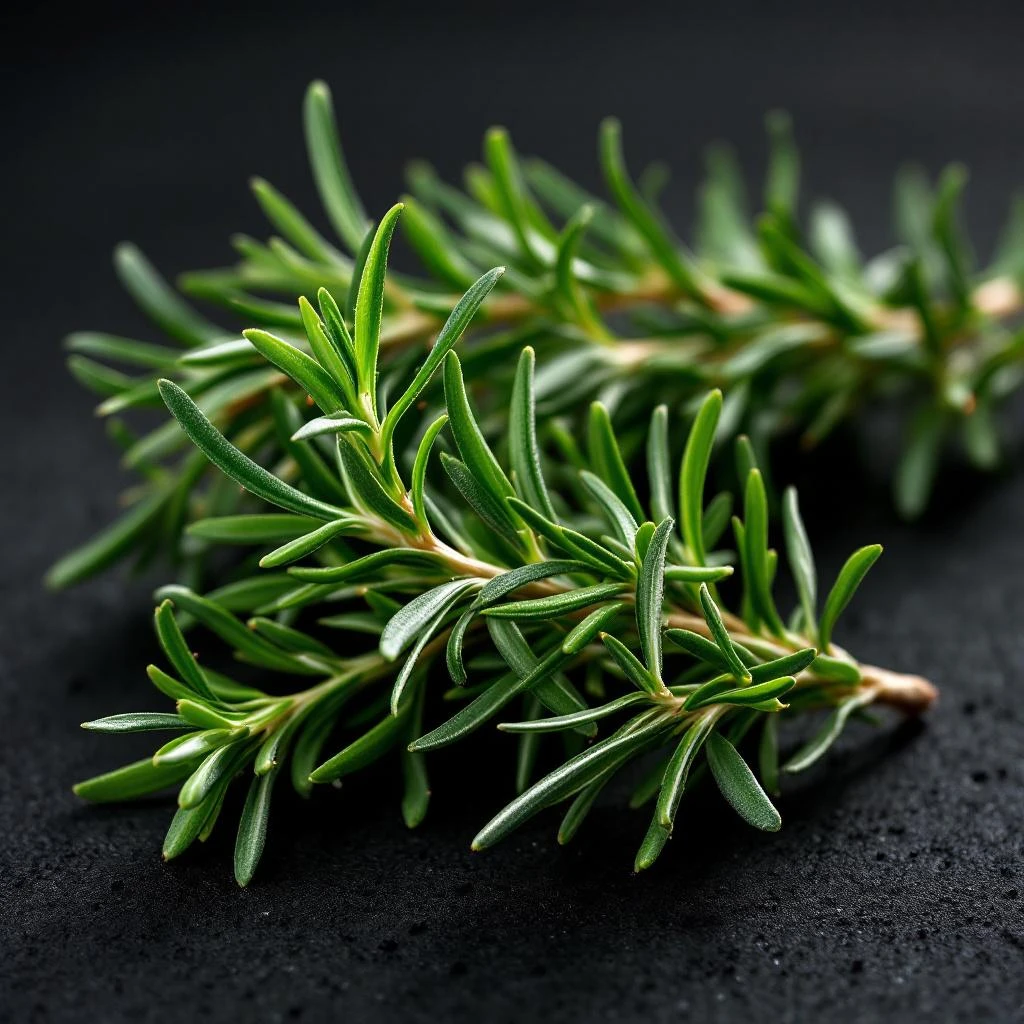
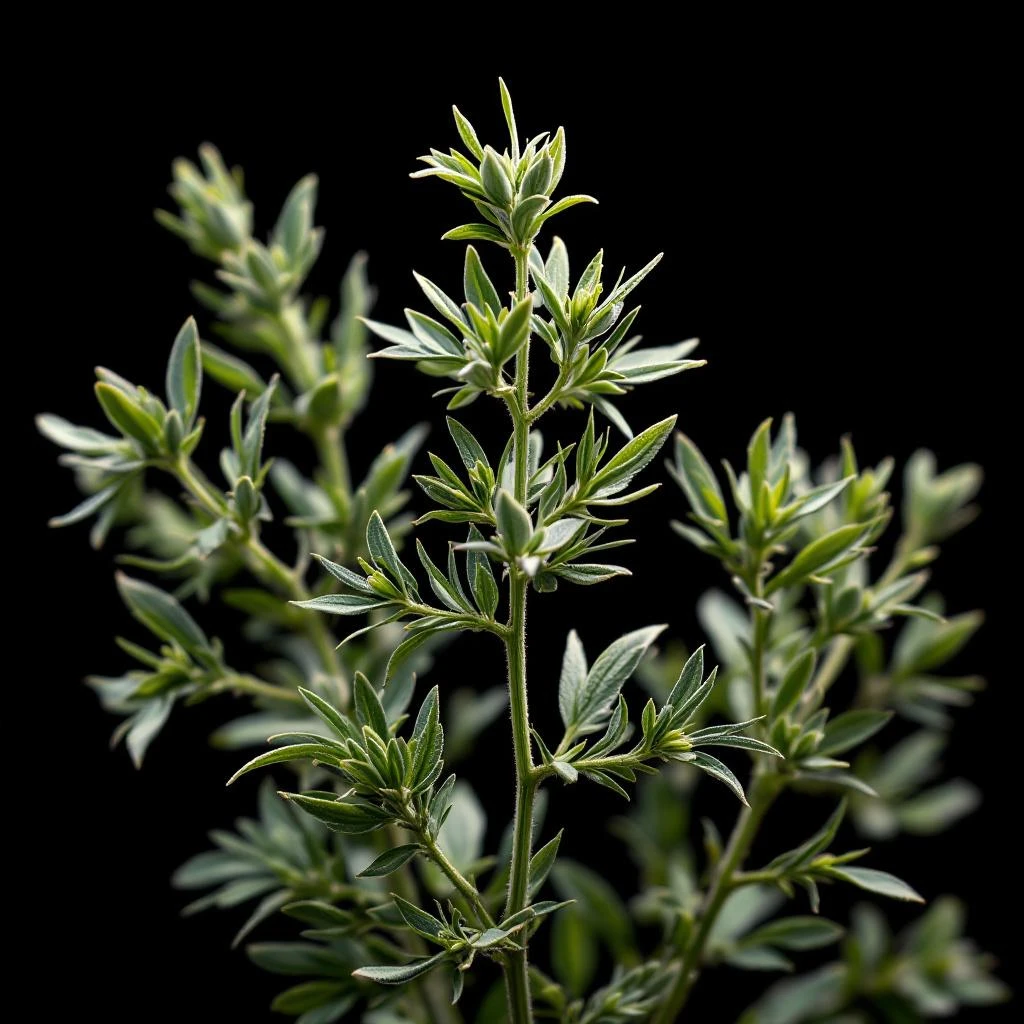
Common Rue
Common Rue delivers a sharp, herbaceous character that commands attention in fragrance compositions. This Mediterranean botanical carries a complex profile that perfumers prize for adding depth and unexpected complexity.
Character
How it smells
A Mediterranean marvel with a bitter edge.
Rue was once believed to ward off evil spirits and was planted near doorways throughout medieval Europe.




Origin
Mediterranean region
Rue (Ruta graveolens) has been cultivated across the Mediterranean since antiquity. The ancient Greeks and Romans prized this bitter herb for both medicinal and fragrant applications.
Greek physicians documented its use in preparations meant to strengthen the eyes and purify the air. Roman naturalist Pliny described Rue as essential to perfumers of his era, noting its inclusion in scented oils and unguents.
Throughout the Middle Ages, Rue held sacred significance in European monastic gardens, grown alongside other aromatic and medicinal plants. Its presence in perfume declined as synthetic aromatics emerged in the 19th century, though natural perfumers continue to value its distinctive character as a rare and challenging ingredient that connects modern creations to ancient perfumery traditions.
Wears it best
Fragrances featuring Common Rue
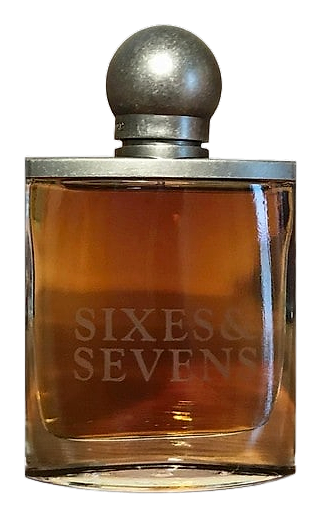
Brands
Brands known for Common Rue
Good to know
Questions, answered
The essentials on Common Rue in perfumery: how it smells, where it comes from, and how it behaves on skin.
What does Common Rue smell like in perfume?
Rue offers a sharp, bitter-green aroma with herbaceous and slightly medicinal undertones. It adds complexity and an unexpected edge to herbaceous and chypre compositions when used at trace levels.
Is Rue essential oil safe for skin application?
Rue oil carries significant skin sensitization risks due to its furanocoumarin content. IFRA guidelines restrict its use to 0.15% maximum in leave-on products, and it should always be properly diluted by professionals.
Why is Rue rarely used in modern perfumery?
Rue's potency, skin sensitization risks, and regulatory restrictions limit its use. Additionally, its aggressive aroma profile requires precise handling that many perfumers avoid.
What fragrance families use Rue?
Rue appears primarily in herbaceous, chypre, and aromatic fougere compositions. It functions as a modifier and distinctive accent rather than a prominent note.
Can Rue be substituted with other ingredients?
No direct substitute exists for Rue's unique bitter-green character. Perfumers sometimes approximate its effect using artemisia, sage, or clary sage at much higher concentrations, though the result differs noticeably.
What compounds give Rue its characteristic scent?
Undecan-2-one and nonan-2-one are primary odor contributors. These ketones create Rue's distinctive sharp, herbaceous signature that distinguishes it from other Mediterranean aromatics.
How long has Rue been used in fragrance?
Rue appears in documented perfumery recipes dating to ancient Rome. Pliny the Elder recorded its use in scented preparations, making it one of the oldest continuously referenced botanical ingredients.
Does Silloria offer Rue-scented products?
Rue appears occasionally in natural and niche fragrances. Browse our curated collection to discover contemporary perfumers working with this rare Mediterranean ingredient.