Cognac Barrel
Rich, warming notes of aged spirits find their way into fine fragrances through cognac essential oil, distilled from wine lees in France's storied appellation.

Character
How it smells
Essence of celebration captured in amber.
The sulfurous compounds in cognac lees create a distinctive sweet warmth that separates spirit notes from ordinary dried fruit.





Origin
France
Cognac's perfumery chapter opened alongside the spirit's rise as a luxury commodity in 17th century France. The region's merchants discovered that concentrating wine into spirits made maritime transport practical, and barrel aging transformed the results into something remarkable. When perfumers later examined the byproducts of cognac production, they found wine lees contained aromatic compounds worth capturing.
The practice of extracting these lees for fragrance developed during perfumery's great 19th-century expansion, when natural materials drove creative innovation. Today, cognac oil remains a niche ingredient, prized by perfumers seeking authentic spirit warmth without synthetic substitutes.
Wears it best
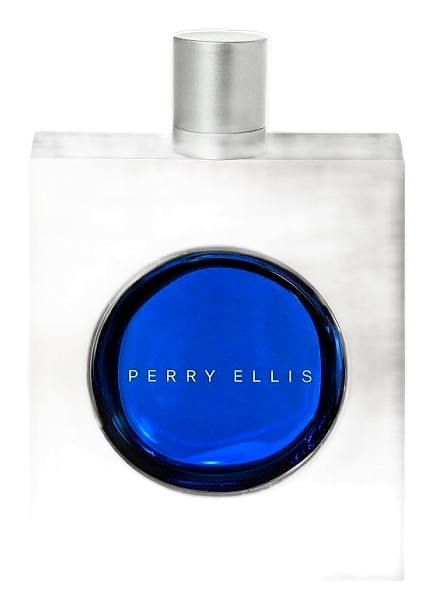
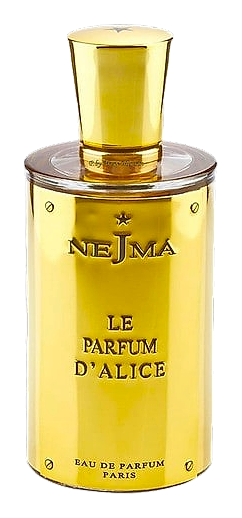
Fragrances featuring Cognac Barrel
Brands
Brands known for Cognac Barrel
Good to know
Questions, answered
The essentials on Cognac Barrel in perfumery: how it smells, where it comes from, and how it behaves on skin.
What is cognac essential oil in perfumery?
Cognac essential oil is a fragrance material extracted from wine lees—the sediment remaining after cognac production. Hydrodistillation captures aromatic compounds that lend warm, spirit-like qualities to fragrance compositions.
How does cognac oil differ from synthetic spirit notes?
Natural cognac oil contains sulfurous compounds that create authentic warmth. Synthetic spirit accord attempts to replicate this effect but typically lacks the natural variation and depth that comes from genuine extraction.
What type of fragrance uses cognac oil?
Cognac oil appears frequently in warm orientals, ambery compositions, and boozy Gourmand fragrances. It works as a heart or base note, adding depth to woody and amber foundations without dominating top notes.
Is cognac oil a sustainable ingredient?
Cognac oil production relies on byproducts from cognac manufacturing, which has expanded considerably in recent decades. Using lees reduces waste from spirit production, making it a relatively efficient use of agricultural resources.
What aroma compounds define cognac oil?
Cognac oil contains esters, fatty acids, and sulfurous compounds that create its characteristic warm, sweet, and slightly pungent profile. These molecules derive directly from the fermentation and aging of the original spirit.
What grapes are used for cognac production?
Cognac app liquation regulations permit several grape varieties, with Ugni Blanc dominating plantings. The wine made from these grapes undergoes double distillation before aging in French oak barrels, whose character influences the final lees.
Does cognac oil contain actual alcohol?
The extraction process eliminates alcohol from the original spirit. The resulting essential oil contains aromatic molecules that evoke spirit character without containing ethanol.
Can cognac oil cause skin sensitivity?
As with most natural fragrance materials, proper dilution is necessary for safe skin application. Follow standard IFRA guidelines for usage rates in consumer products.