Coconut Biscuit
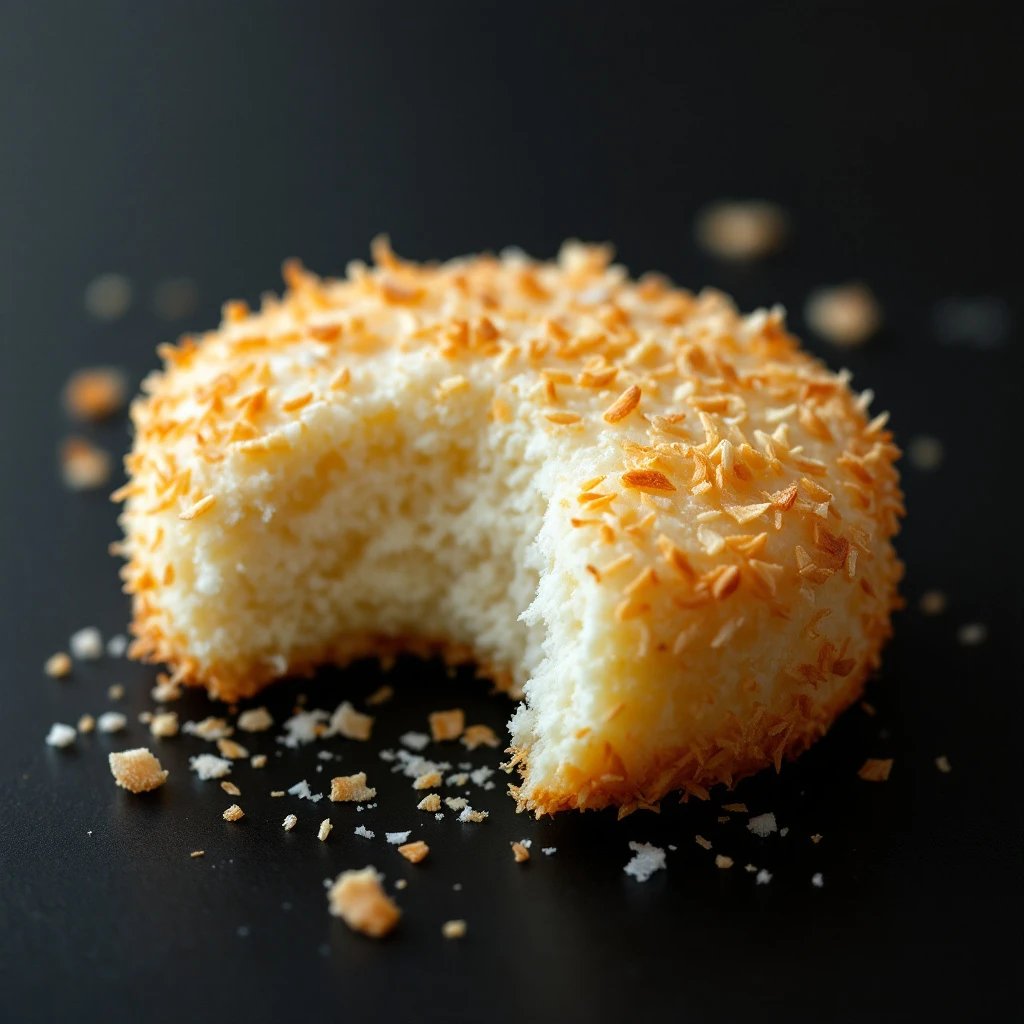
Coconut biscuit blends creamy coconut with warm, baked notes of vanilla, butter, and brown sugar for a comforting gourmand accord.
Character
How it smells
Toasted coconut warmth with a buttery, sugary finish.
Coconut oil is obtained from the kernel’s fatty flesh, while fragrance compounds may also come from coconut shell and leaf.





Origin
Indonesia
Coconut has carried associations with sweetness, nourishment, and tropical abundance for centuries, but “coconut biscuit” belongs to modern perfumery’s language of gourmand accords. François Coty helped popularize absolutes produced through volatile-solvent extraction in the early 20th century, advancing the use of richer natural scent concentrates. As later perfumers combined coconut with vanilla, tonka, butter-like lactones, and baked-dough materials, the note evolved from a simple tropical scent into a textured food-inspired accord.
The first fragrance formally labeled a parfum, Guerlain’s Jicky, appeared in 1889 and helped establish concentrated fragrance as a distinct category. Coconut biscuit draws on that broader history of extraction and scent concentration, then applies a contemporary composition method to express warmth, creaminess, and the memory of a freshly baked coconut cookie.
Wears it best
Fragrances featuring Coconut Biscuit
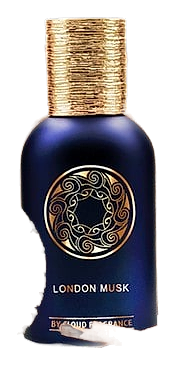
Brands
Brands known for Coconut Biscuit
Good to know
Questions, answered
The essentials on Coconut Biscuit in perfumery: how it smells, where it comes from, and how it behaves on skin.
What does coconut biscuit smell like in perfume?
It smells like toasted coconut, warm vanilla, butter, and light brown sugar. The note combines creamy coconut with a baked, gently sweet finish, creating a recognizable gourmand effect without requiring every ingredient to come from coconut.
Is coconut biscuit a natural fragrance ingredient?
It is usually a fragrance accord, not one naturally occurring ingredient. Perfumers combine coconut extracts with vanilla, tonka, lactones, and aroma chemicals to shape its creamy and biscuit-like character.
How is coconut fragrance extracted for perfumery?
Coconut absolute can be produced through solvent extraction, while coconut fixed oil is pressed from the kernel’s fatty flesh. Fragrance houses often blend these materials with standardized aroma chemicals for consistent performance.
Which part of the coconut is used in fragrance?
Perfume makers primarily use oil from the kernel’s flesh, although shell-derived materials and leaf-derived aroma compounds can also contribute. Their individual roles depend on the extraction method and the intended fragrance profile.
Does coconut biscuit smell sweet or fresh?
Coconut biscuit usually reads sweet and warm rather than fresh or green. Its dominant impression comes from coconut, vanilla, dairy-like lactones, and baked notes, with freshness appearing only in some compositions.
Is Indonesia the main source of coconut for fragrance?
Indonesia is one of the world’s leading coconut producers and a major source of raw materials. The material’s origin and composition can vary, so individual fragrance houses may source coconut from several tropical regions.
Can coconut biscuit be used in unisex perfume?
Yes, its sweetness does not determine who may wear it. Composition matters more than the label, allowing coconut biscuit to appear in fresh, woody, amber, or spicy fragrances designed for any gender.
What fragrance family is coconut biscuit?
Coconut biscuit belongs to the gourmand fragrance family because it evokes food through dairy, vanilla, sugar, and baked-dough notes. It commonly appears as a supporting accord within broader floral, fruity, or woody compositions.