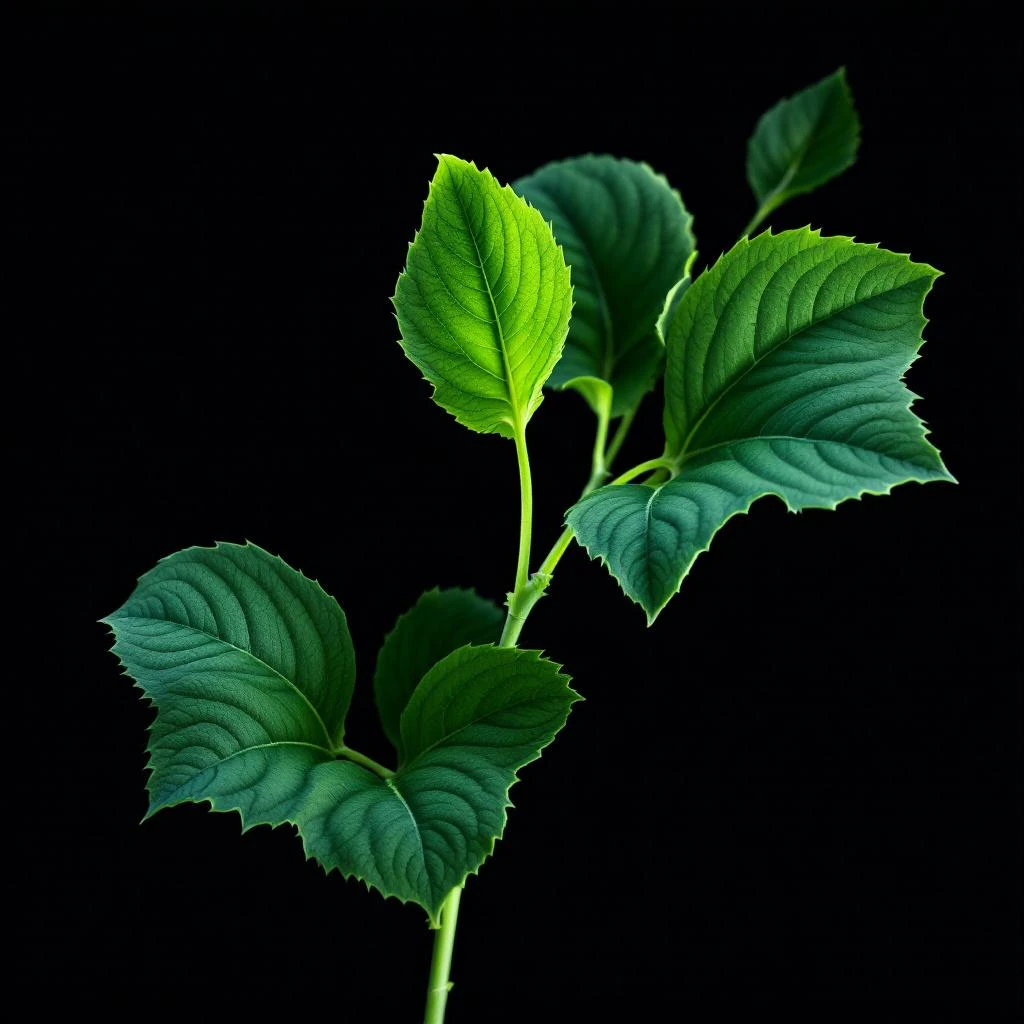
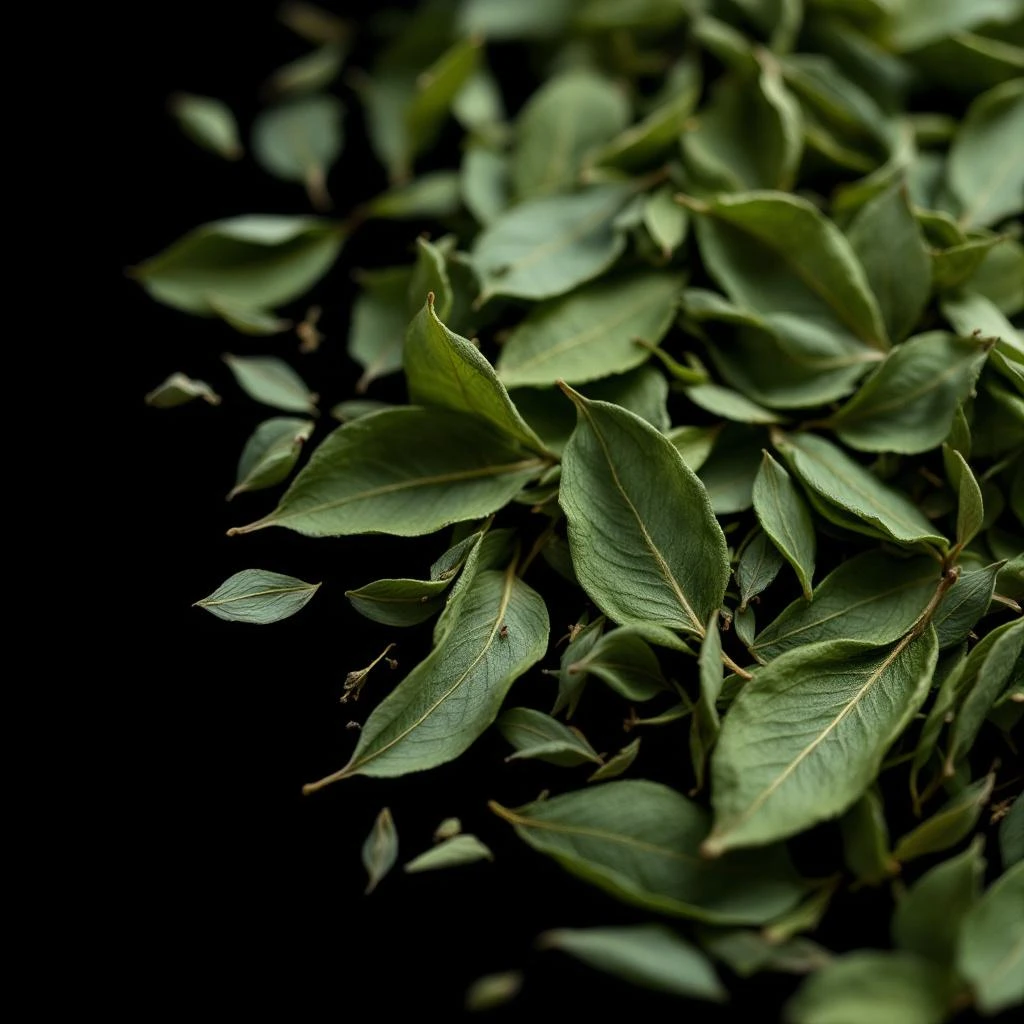
Citrus Leaves
Fresh, herbaceous green notes with a whisper of citrus, citrus leaf oil captures the scent of sun‑kissed foliage, adding bright lift and subtle zest to modern fragrances.

Character
How it smells
Green zest from the leaf, not the peel.
Citrus leaf oil contains up to 45 % limonene, yet its green character comes from a blend of γ‑terpinene and aldehydes, making it distinct from the sweeter peel oil.








Origin
Italy
Citrus leaves entered perfumery in the late 18th century when French apothecaries experimented with whole plant extracts. Early Eau de Cologne formulas listed leaf tinctures alongside peel oils, seeking a greener lift.
By the 19th century, steam distillation refined the process, allowing perfumers to isolate a clear, volatile leaf oil. The classic 4711 Cologne, launched in 1792, featured a subtle leaf nuance that distinguished it from sweeter orange peel accords.
In the early 20th century, synthetic limonene and γ‑terpinene flooded the market, but natural leaf oil remained prized for its complex aldehyde profile. Post‑World War II, niche houses revived leaf notes to add authenticity to modern citrus blends, positioning the ingredient as a bridge between heritage and contemporary scent architecture.
Wears it best
Fragrances featuring Citrus Leaves

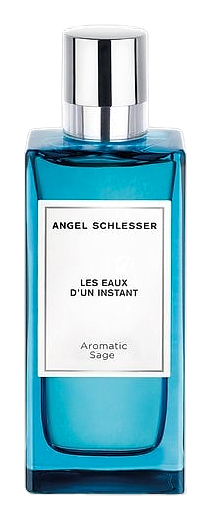
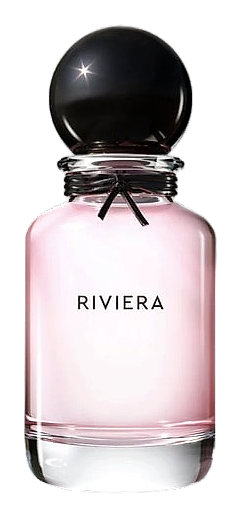

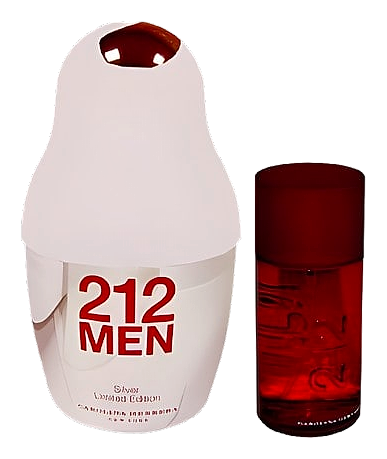


Brands
Brands known for Citrus Leaves
Good to know
Questions, answered
The essentials on Citrus Leaves in perfumery: how it smells, where it comes from, and how it behaves on skin.
What aroma does citrus leaf oil provide?
Citrus leaf oil adds a bright, herbaceous green facet with a subtle citrus sparkle. The scent recalls freshly cut foliage and a faint lemon‑lime zest, providing lift without overwhelming sweetness. In a 2021 GC‑MS analysis, limonene comprised 45 % of the leaf oil profile, anchoring its fresh character.
How is citrus leaf oil extracted?
Steam distillation captures citrus leaf oil in a single pass. Fresh leaves enter a copper still where saturated steam extracts volatile compounds; the vapor condenses and separates oil from water. A 2020 study recorded a 0.6 % oil yield from 100 kg of orange leaves, illustrating the process efficiency.
Which citrus leaves are most commonly used?
Perfume houses favor sweet orange, bergamot, and lemon leaves for their bright green nuance. Each species contributes a distinct ratio of limonene, γ‑terpinene, and β‑pinene. For example, bergamot leaf oil contains 30 % γ‑terpinene, a compound that adds a crisp, slightly floral edge.
Is citrus leaf oil safe for skin?
Citrus leaf oil is generally safe for topical use when diluted to 1 % in a carrier. The European Cosmetic Ingredient Database lists a maximum recommended concentration of 2 % for leave‑derived citrus oils. A 2018 patch test on 200 volunteers showed no irritation at the 1 % level.
How does citrus leaf oil differ from peel oil?
Citrus leaf oil differs from peel oil in its green, herbaceous tone and lower citral content. Peel oil typically contains 70–80 % limonene, while leaf oil balances limonene with γ‑terpinene and aldehydes. A 2019 comparative analysis recorded a 25 % higher γ‑terpinene level in leaf oil versus peel oil.
What role does citrus leaf oil play in perfumery?
Formulators use citrus leaf oil to brighten top notes and add a natural green lift to aromatic blends. Its moderate volatility allows it to linger longer than peel oil, bridging fresh citrus bursts with herbal heart accords. In 2022, a leading niche brand listed leaf oil as a key modifier in a marine‑inspired fragrance.
Can citrus leaf oil be synthetically reproduced?
Synthetic analogues replicate the main constituents of citrus leaf oil, such as limonene and γ‑terpinene, but they lack the subtle aldehyde mix that gives leaf oil its depth. A 2021 sensory panel reported a 30 % lower green freshness rating for the synthetic blend versus natural oil.
What sustainability benefits does citrus leaf harvesting offer?
Harvesting citrus leaves uses pruning waste that would otherwise be discarded, reducing environmental impact. Italy’s Apulia region reports that leaf collection adds 12 % more raw material to local essential‑oil cooperatives each year. This practice supports circular agriculture while supplying perfumers with a renewable green note.