Wasabi
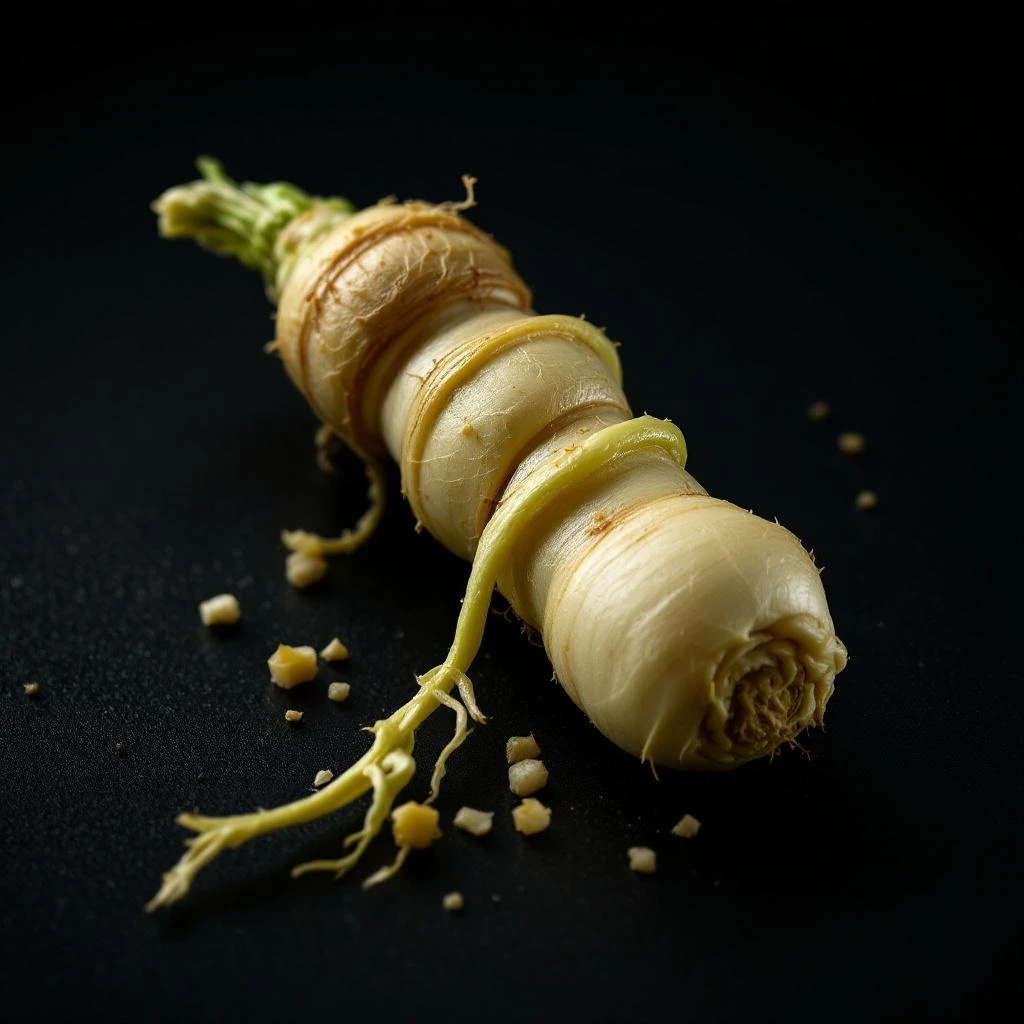
A piercing green note that cuts through compositions like its culinary counterpart, wasabi delivers an aldehydic, mustard-green intensity rare in perfumery. Authentic wasabi absolute remains a collector's material, prized for its startling immediacy and medicinal clarity.
Character
How it smells
The sharp sting of mountain streams, captured in scent.
The allyl isothiocyanate that gives wasabi its signature heat also serves as a natural antibacterial agent, protecting the plant from pathogens in its aquatic habitat.






Origin
Japan
Archaeological evidence shows humans consumed wasabi plants in Japan as early as 14,000 BC, likely to combat intestinal parasites and extend food shelf life. The first written mention of wasabi appears in the Honzo Wamyo, Japan's oldest pharmacopoeia, from the 7th century Nara Prefecture, where practitioners praised its nasal-clearing action and preservative qualities.
Commercial cultivation began in the 1500s when shogun Tokugawa Ieyasu encountered the plant near the Abe River in Shizuoka. He ordered its propagation at Suruga Castle after noticing the leaves resembled his family crest.
By the Edo period, wasabi had become essential to Japanese cuisine, its cultivation spreading through mountain valleys where cool, oxygenated stream water creates ideal growing conditions. Today, Japan produces roughly 60 percent of the world's wasabi, though New Zealand and Taiwan have emerged as alternative sources.
Wears it best
Fragrances featuring Wasabi
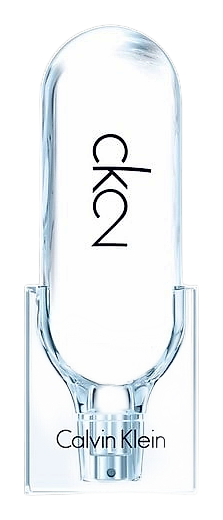
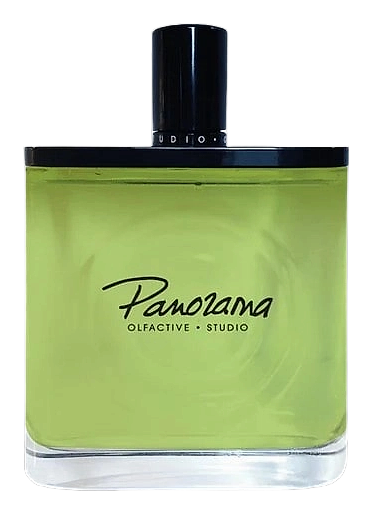
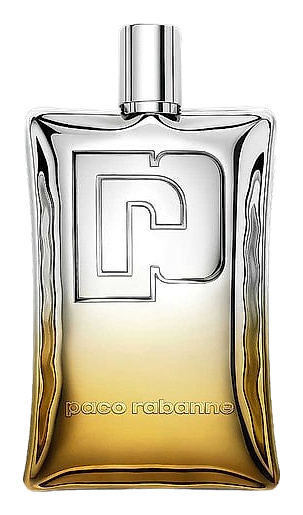
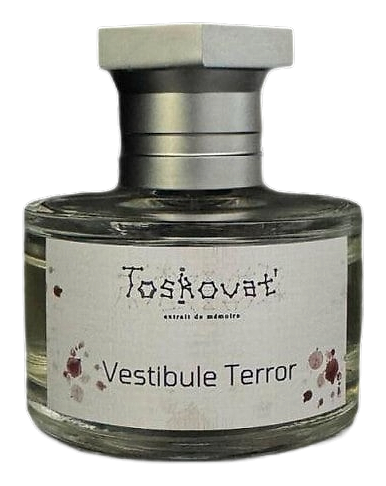
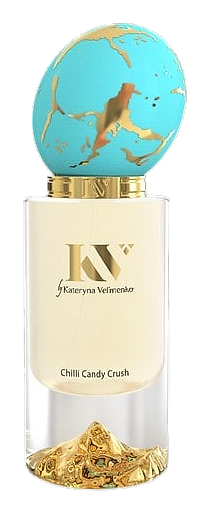
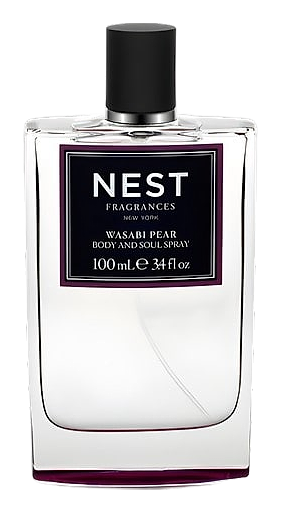
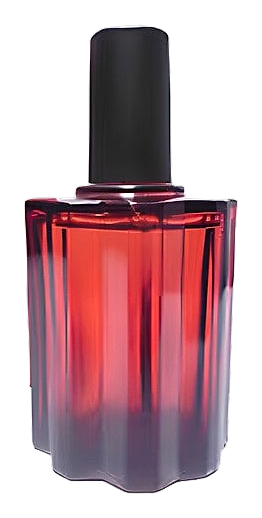
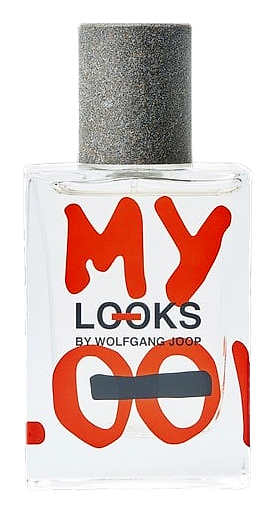
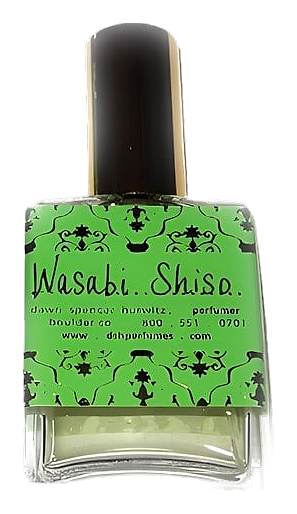
Brands
Brands known for Wasabi
Good to know
Questions, answered
The essentials on Wasabi in perfumery: how it smells, where it comes from, and how it behaves on skin.
Is wasabi used in perfumery?
Yes, though sparingly. Wasabi absolute appears in niche fragrances as a top note for its sharp, green, aldehydic character. It functions as an unexpected accent rather than a dominant ingredient, lending contemporary compositions a culinary edge.
How does wasabi smell in a fragrance?
Wasabi delivers a pungent, green, mustard-like intensity with aldehydic brightness. It reads as medicinal and cooling, evoking the sharp sting felt when consuming fresh grated wasabi. The sensation is immediate and fleeting, making it effective as a top-note surprise.
Does wasabi blend well with other ingredients?
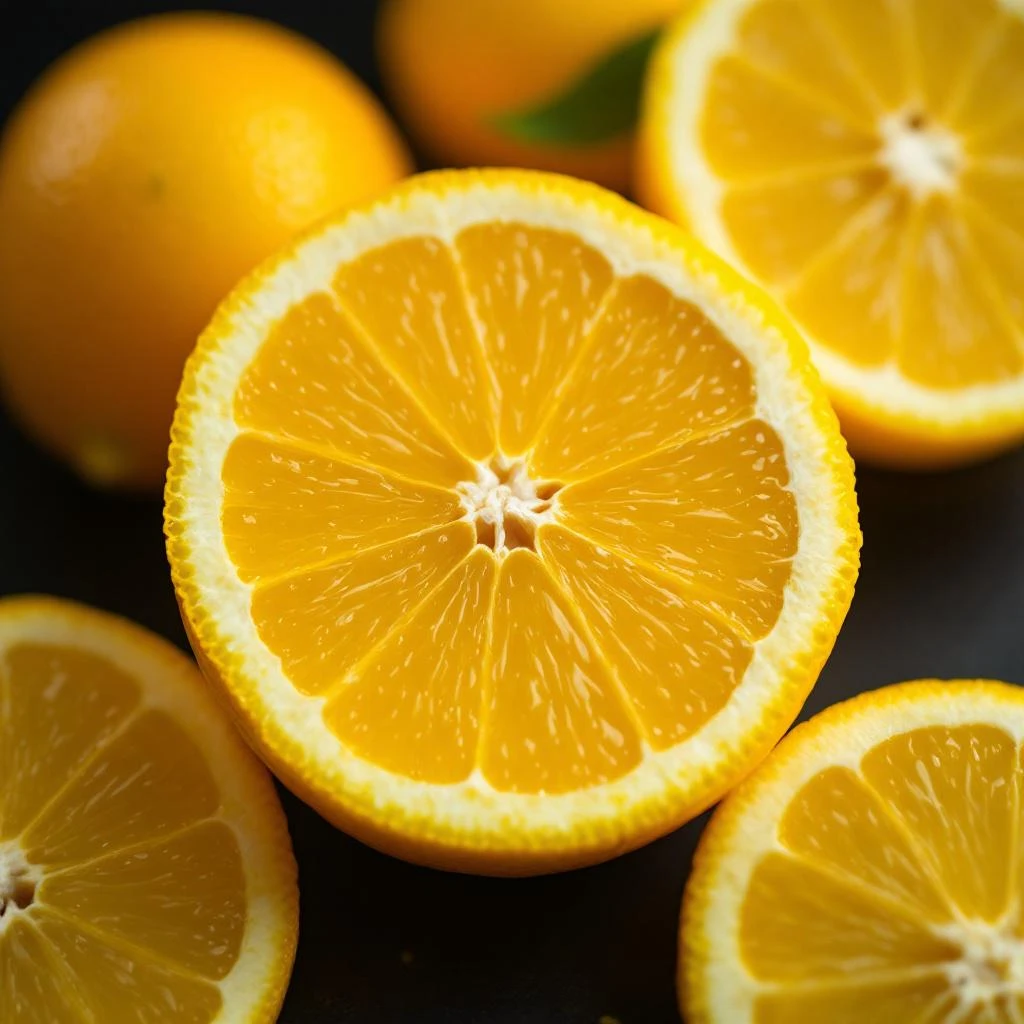
Wasabi pairs naturally with aquatic notes, ginger, and citrus for a green-spice tension. It also combines unexpectedly with white musks and iris, where its rawness softens into an aromatic, almost vegetable-like depth.
Is wasabi oil stable in formulations?
The isothiocyanates in wasabi are volatile and degrade quickly when exposed to air or heat. Formulators typically use them as fresh a material as possible and account for faster evaporation compared to more stable aromatic compounds.
Why is authentic wasabi so rare in fragrance?
True Wasabia japonica cultivation requires cold, flowing mountain water and takes 18 to 24 months to mature. Global culinary demand consumes nearly all production, leaving minimal quantities for fragrance extraction. Most wasabi-labeled fragrance materials are synthetic recreations.
What makes wasabi historically significant in Japan?
Wasabi appears in the Honzo Wamyo, Japan's oldest medicinal plant chronicle from the 7th century. Practitioners prescribed it for respiratory relief and food preservation. Tokugawa Ieyasu later mandated its cultivation in the 1500s after finding its leaf shape mirrored his family crest.
Can synthetic wasabi replicate the real thing?
Synthetic allyl isothiocyanate captures the pungent heat but lacks the full complexity of natural wasabi. The plant contains multiple isothiocyanate isomers that interact differently, creating a more nuanced aromatic profile than any single synthetic molecule provides.
Where does quality wasabi grow today?
Shizuoka Prefecture in Japan remains the most celebrated growing region, particularly along the Abe River. The area's consistent cold water and rocky streambeds mirror wasabi's natural habitat. New Zealand's Canterbury region has also gained recognition for premium production.