Chlorine
Chlorine brings an antiseptic clarity to fragrance, evoking the crisp sterility of a morning swim. This sharp, clean note captures the moment of diving into cool water, and perfumers deploy it strategically to add unexpected modernity.

Character
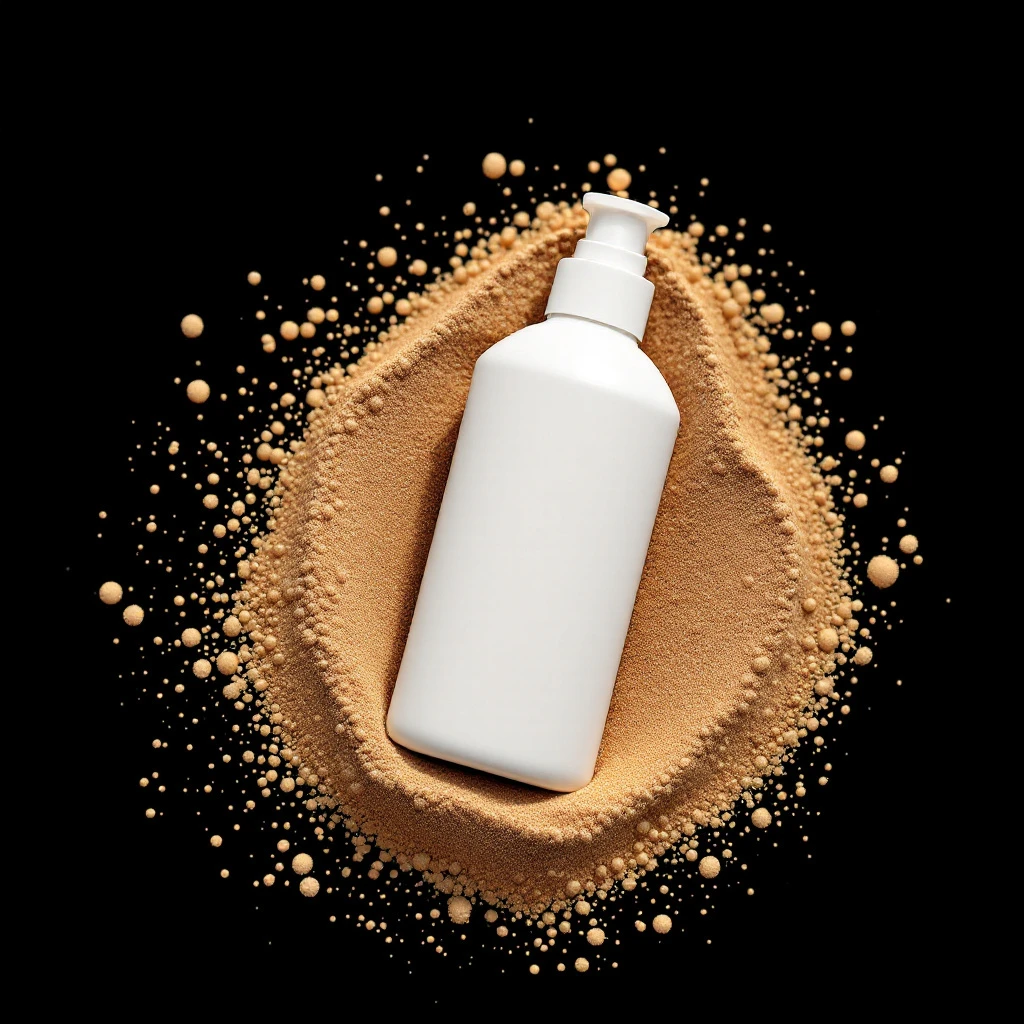
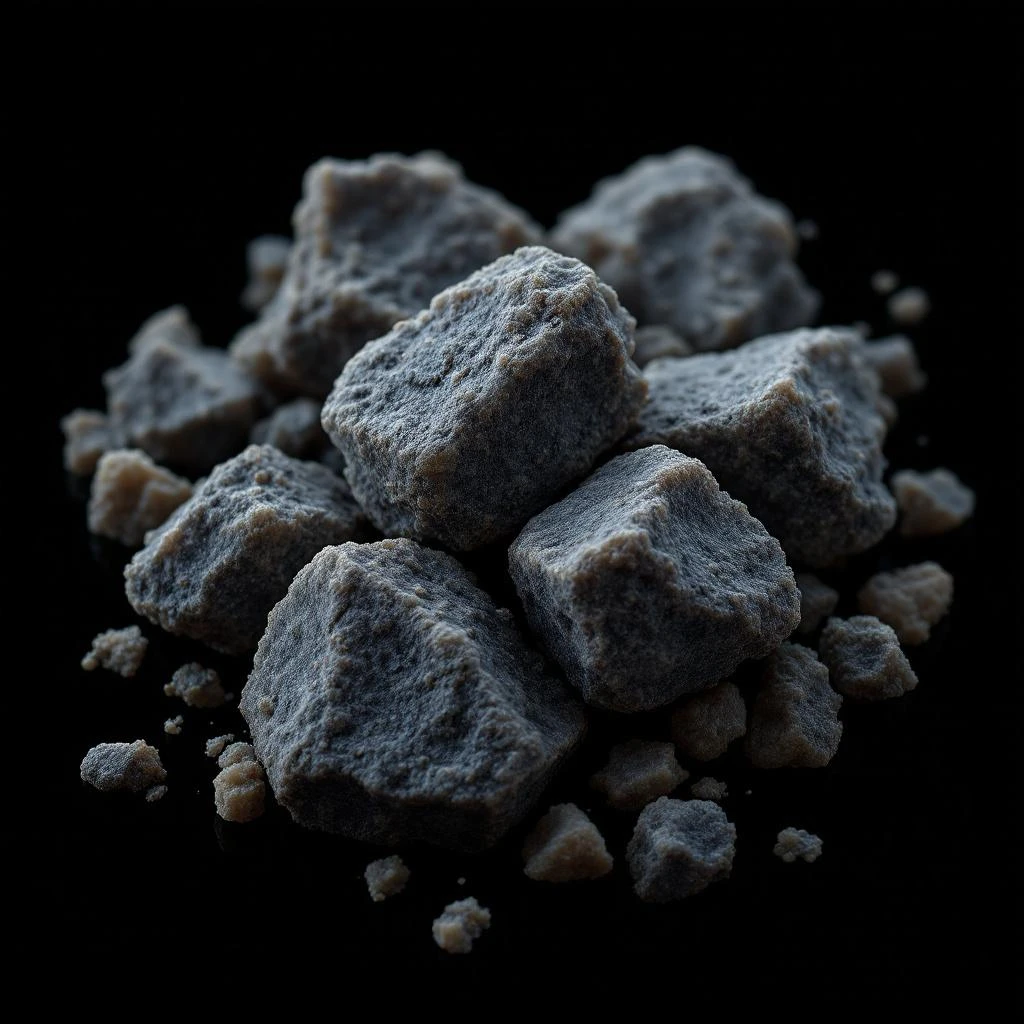
How it smells
The sharp clarity of a sterilized bloom.
Pool chlorine was once used as a symbolic perfume in Victorian sickrooms, masking unpleasant odors while signaling cleanliness.







Origin
Switzerland
The chlorine note emerged in perfumery during the 1980s and 1990s, when designers began exploring minimalist, industrial aesthetics. Aquatic fragrances like Kenneth Cobonpue's 1988 creations and later Issey Miyake's L'Eau d'Issey brought sterile, watery accords into mainstream fashion.
The note gained traction as synthetic chemistry advanced, allowing perfumers to isolate and combine molecules that mimicked the sharp, disinfected quality of chlorinated water. Today, chlorine accords appear in modern fragrances as markers of purity, sterility, and contemporary urban living.
Wears it best
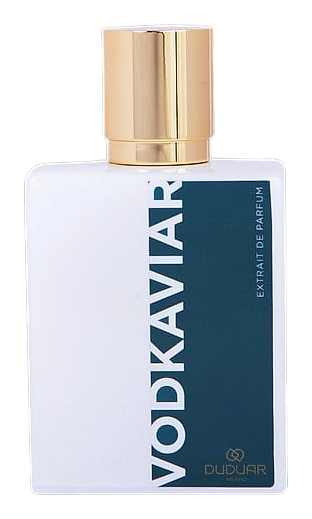
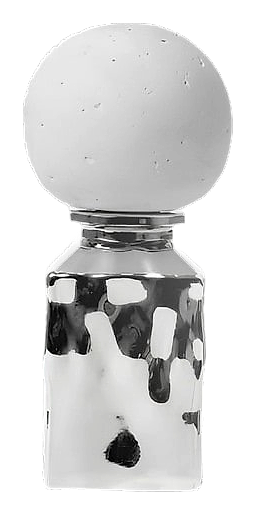
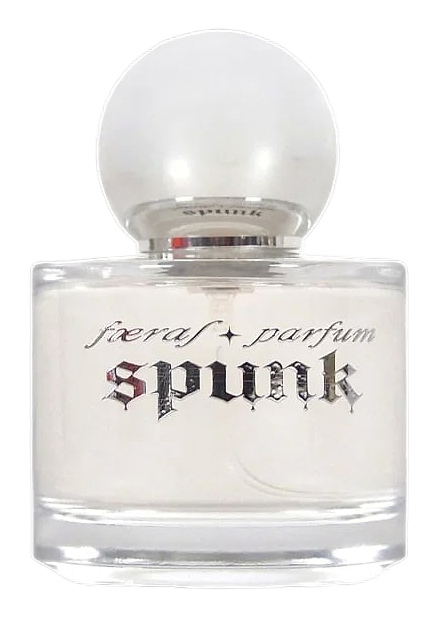
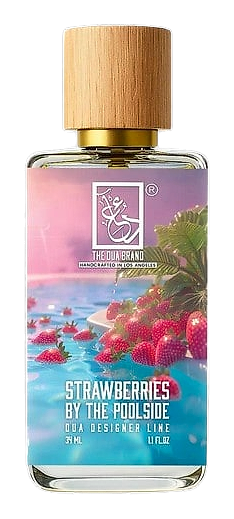
Fragrances featuring Chlorine
Brands
Brands known for Chlorine
Good to know
Questions, answered
The essentials on Chlorine in perfumery: how it smells, where it comes from, and how it behaves on skin.
What does chlorine smell like in perfume?
Chlorine in fragrance evokes sharp, clean, ozonic freshness resembling the smell of a newly opened swimming pool. It reads as sterile and aquatic, with metallic undertones that suggest purified water.
Is chlorine a natural or synthetic ingredient?
Chlorine is purely synthetic. Perfumers create the effect through molecular combinations of aldehydes and aquatic compounds; elemental chlorine itself is too reactive for fragrance use.
Which perfumes feature chlorine notes?
Aquatic fragrances commonly feature chlorine accords. Examples include L'Eau d'Issey by Issey Miyake, Cool Water by Davidoff, and Aqua Universal by Givenchy, which all deploy clean, ozonic signatures.
Does chlorine note have safety concerns?
The chlorine accord used in perfumery is safe for skin application. It relies on synthetic molecules like Calone and Galaxolide, which have been evaluated and approved by IFRA for cosmetic use.
How long does chlorine last on skin?
Chlorine notes are typically top-to-heart notes lasting 2 to 4 hours. Their light molecular weight causes quick evaporation, making them more prominent in the opening phases of a fragrance.
What fragrance families use chlorine?
Chlorine appears primarily in aquatic and ozonic fragrance families. It also shows up in modern chypres and fougeres where perfumers seek to add a clean, disinfected edge.
Can chlorine notes blend with other ingredients?
Chlorine pairs well with marine notes, citrus, and light florals. It also contrasts interestingly against darker base notes like amber or cedar, adding unexpected brightness.
Why do perfumers use chlorine in compositions?
Perfumers use chlorine to signal modernity, purity, and sterility. The note became iconic in late 20th-century perfumery as designers sought to capture urban cleanliness and technological progress.