Pink Sea Salt
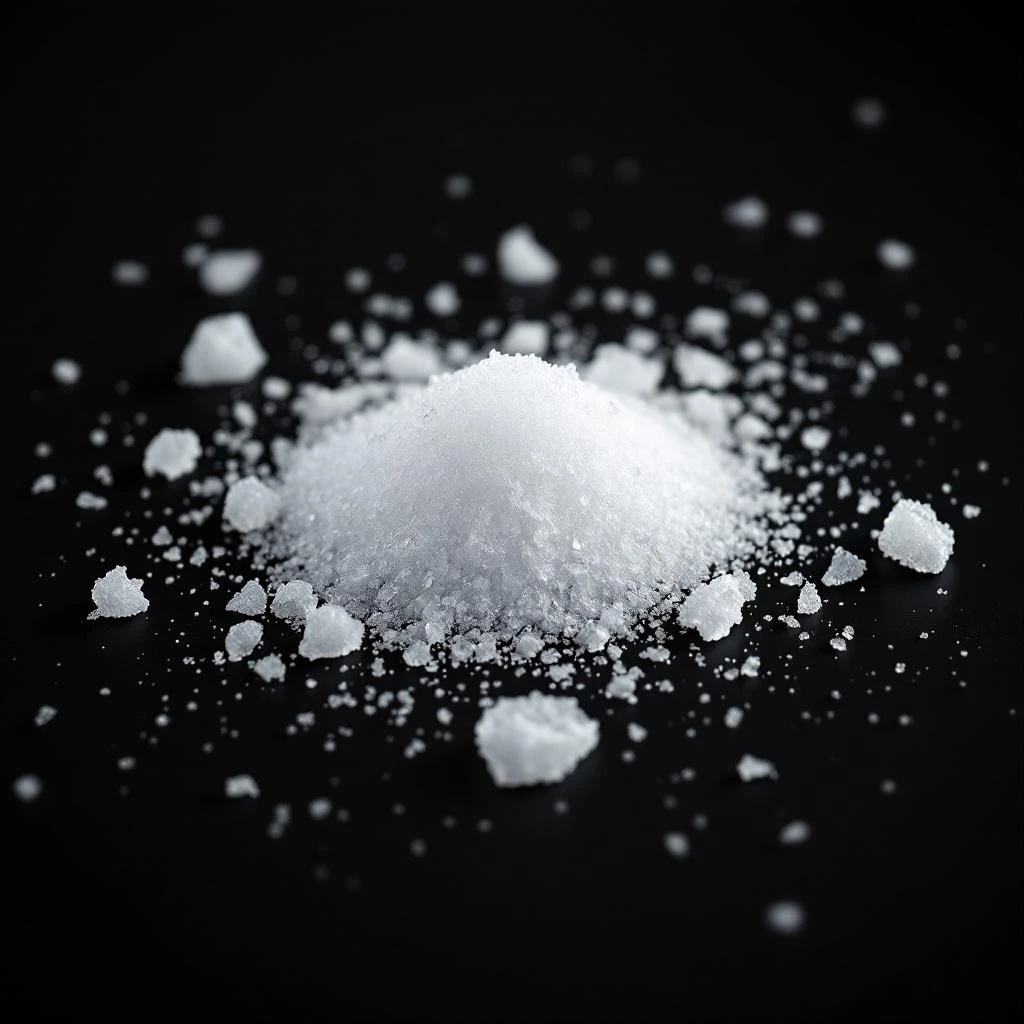
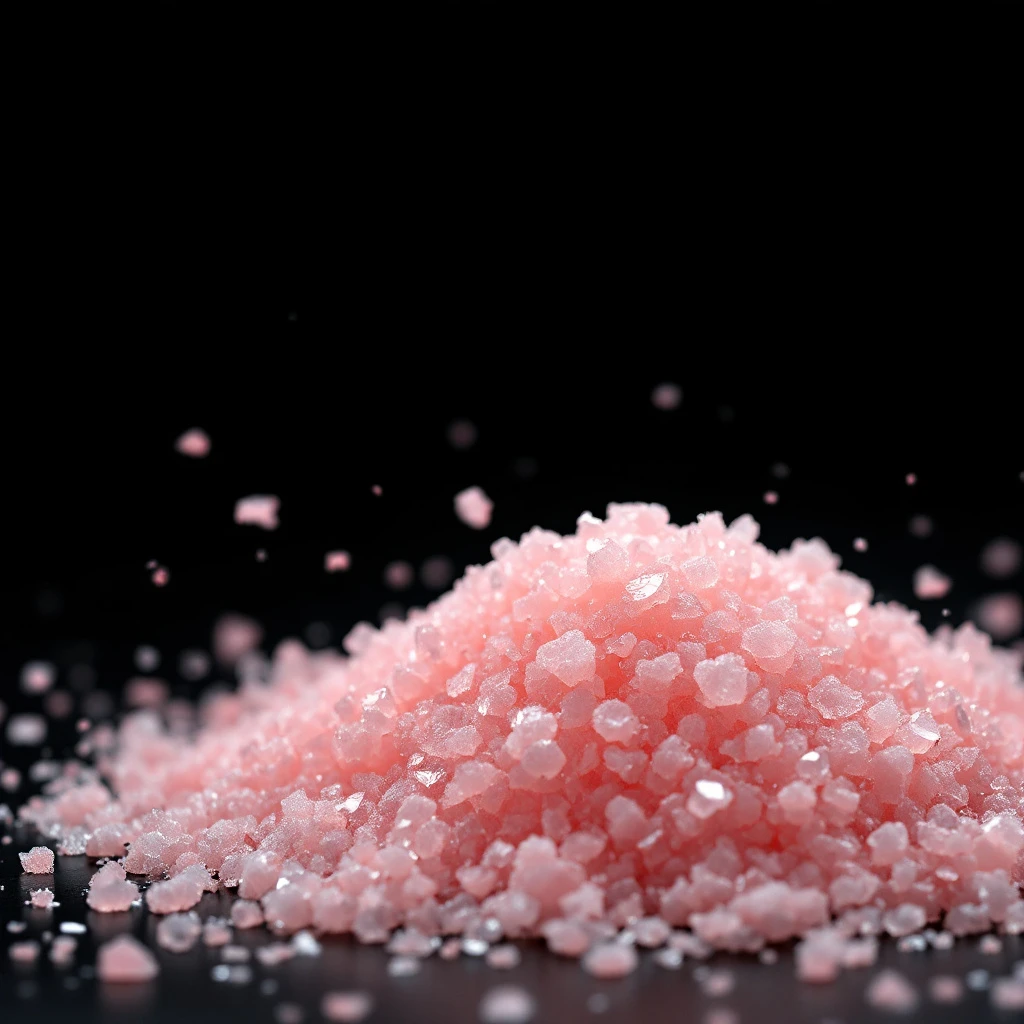
A crystalline mineral note that captures the raw energy of coastal air. Pink Sea Salt brings an immediate freshness and depth to fragrances, evoking sun-warmed stone, ocean mist, and the electric calm before a storm.
Character
How it smells
Ocean air crystallized into a single, luminous note.
The pink color in some sea salts comes from Dunaliella salina, a microscopic algae that produces beta-carotene as a survival mechanism in high-salinity environments.




Origin
Bolivia
Before synthetic chemistry reshaped perfumery in the 19th century, perfumers worked almost exclusively with plant-derived materials. Mineral and marine notes barely existed in the fragrance vocabulary.
The situation shifted as chemists began synthesizing aromatic compounds and perfumers gained access to broader palette of materials. Salt itself carries no scent, but perfumers discovered that mineral-rich salts could modify how other ingredients behave in a formula.
The use of marine and mineral elements in perfumery accelerated after World War II as consumers developed appetite for fresh, ozonic fragrance profiles. Pink Sea Salt emerged as a named ingredient in the 2000s, part of a broader movement toward mineral and geological fragrance notes that continue to influence modern perfumery.
Wears it best
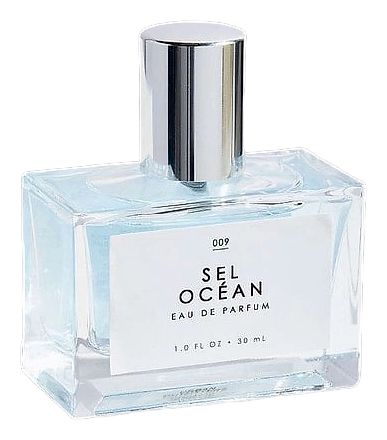
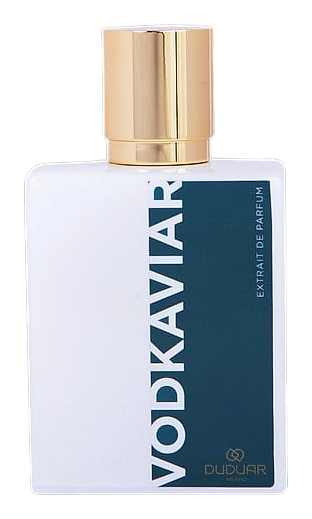
Fragrances featuring Pink Sea Salt
Brands
Brands known for Pink Sea Salt
Good to know
Questions, answered
The essentials on Pink Sea Salt in perfumery: how it smells, where it comes from, and how it behaves on skin.
What does Pink Sea Salt smell like in a fragrance?
Pink Sea Salt does not have a strong intrinsic odor. Its role is to add freshness, transparency, and mineral depth. In formulas it amplifies citrus and marine notes while softening sweet elements, creating an impression of clean, sun-dried surfaces.
Is Pink Sea Salt a natural or synthetic ingredient?
Pink Sea Salt is a natural material harvested from marine salt ponds. The pink coloration comes from carotenoid pigments produced by halophilic microorganisms in high-salinity water.
Which fragrance families use Pink Sea Salt?
Perfumers use Pink Sea Salt most often in marine, ozonic, and citrus fragrances. It also appears in modern florals and woody compositions where it adds a clean, mineral edge.
How does Pink Sea Salt affect the overall fragrance?
Pink Sea Salt acts as a modifier and enhancer. It can increase the perceived strength of citrus top notes and give marine bases more realistic texture, while adding a subtle dryness to the fragrance trail.
What trace minerals does Pink Sea Salt contain?
Marine salt contains varying amounts of magnesium, potassium, calcium, and iron depending on its origin. These minerals influence the specific character of each salt source.
Can Pink Sea Salt be combined with other mineral notes?
Yes. Pink Sea Salt works well alongside other mineral materials like ambrette seed, seaweed absolute, and certain volcanic mineral extracts. These combinations create layered mineral effects.
What makes the pink color in sea salt?
The pink color typically comes from beta-carotene produced by Dunaliella salina, a microalgae that thrives in extremely saline water. The intensity varies by season and salt pond conditions.
How long has sea salt been used in perfumery?
Mineral elements became significant in perfumery after the 19th century advent of organic synthesis. Named marine mineral notes like Pink Sea Salt appeared in fragrance formulations more recently, during the 2000s.