Caviar
Caviar Lime extract delivers an unusual citrus experience with a distinctly green, almost marine quality. The tiny pearl-like vesicles of Citrus australasica release aromatic compounds that create a sensation of freshness beyond ordinary citrus. In fine perfumery, it serves as a sophisticated heart note that adds textural complexity to both feminine and masculine compositions.
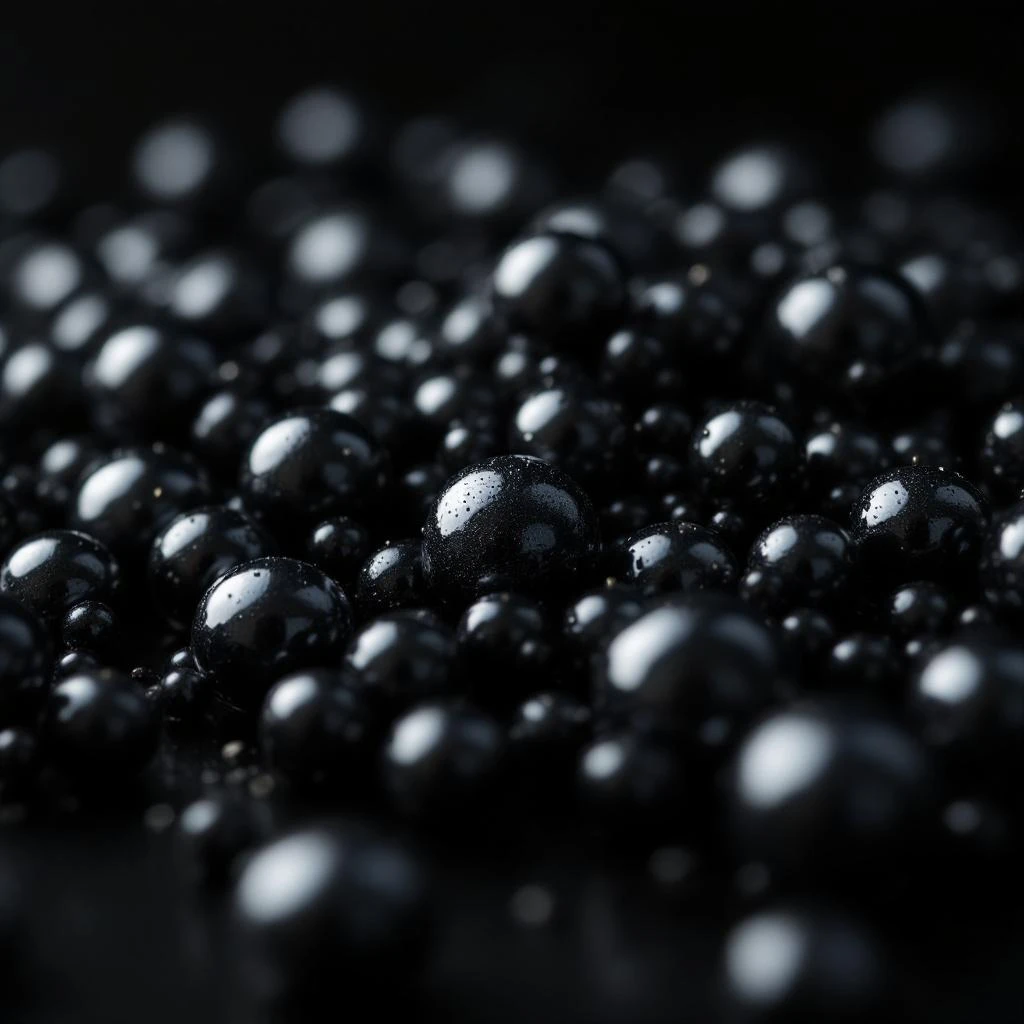
Character
How it smells
Tiny pearls of Australian citrus, releasing ocean-fresh fragrance.
The vesicles of Caviar Lime burst with such force when ripe that some growers harvest wearing protective goggles to shield against喷散的芳香化合物.








Origin
Australia
Aboriginal peoples of coastal Queensland and northern New South Wales have harvested Caviar Lime for thousands of years, recognizing the fruit as one of the many native citrus species that populate the Australian bush. European botanists only documented this species in the mid-19th century, with Ferdinand von Mueller formally describing it in 1853 and assigning the species name australasica.
For over a century, Caviar Lime remained largely unknown outside indigenous communities and botanical circles. Commercial citrus cultivation focused on established Old World species, leaving Australian native citrus as a neglected resource. The ingredient remained obscure through most of the 20th century while perfumers built palettes around Mediterranean citrus oils.
The transformation began around 2000 when Australian chefs rediscovered the fruit for haute cuisine, popularizing its unique texture and flavor. Perfumery followed this wave of botanical discovery, with niche fragrance houses exploring Australian native ingredients as alternatives to conventional materials. Today, Caviar Lime represents a new chapter in natural perfumery, valued for its ability to evoke Australian landscapes while offering olfactory characteristics unavailable from traditional citrus sources.
Wears it best
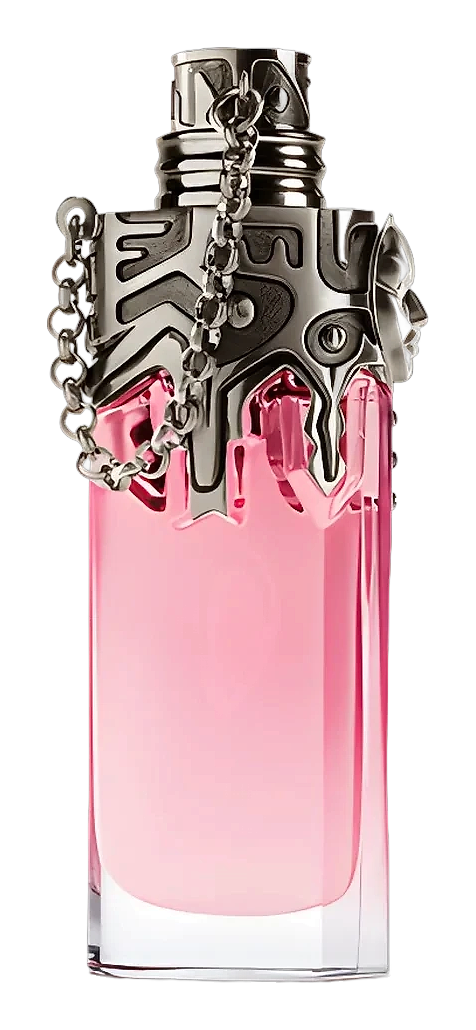
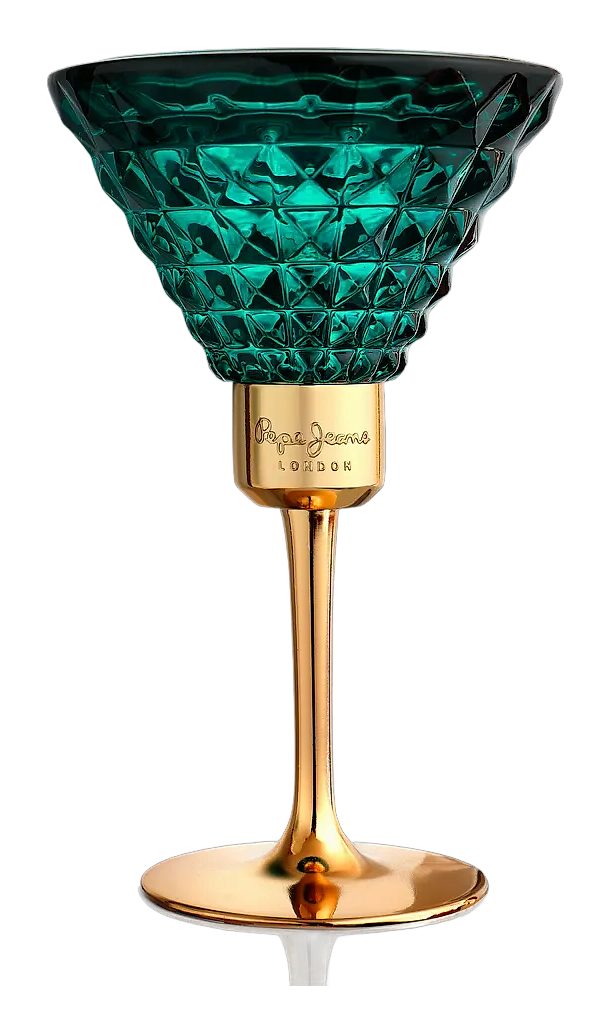
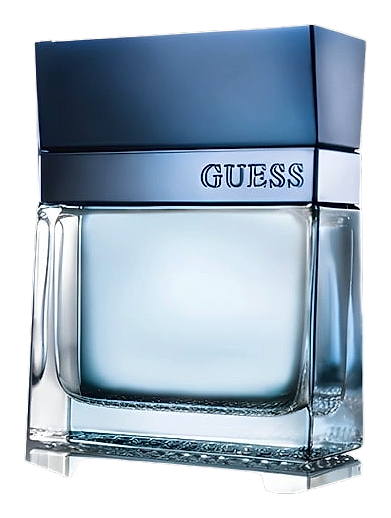
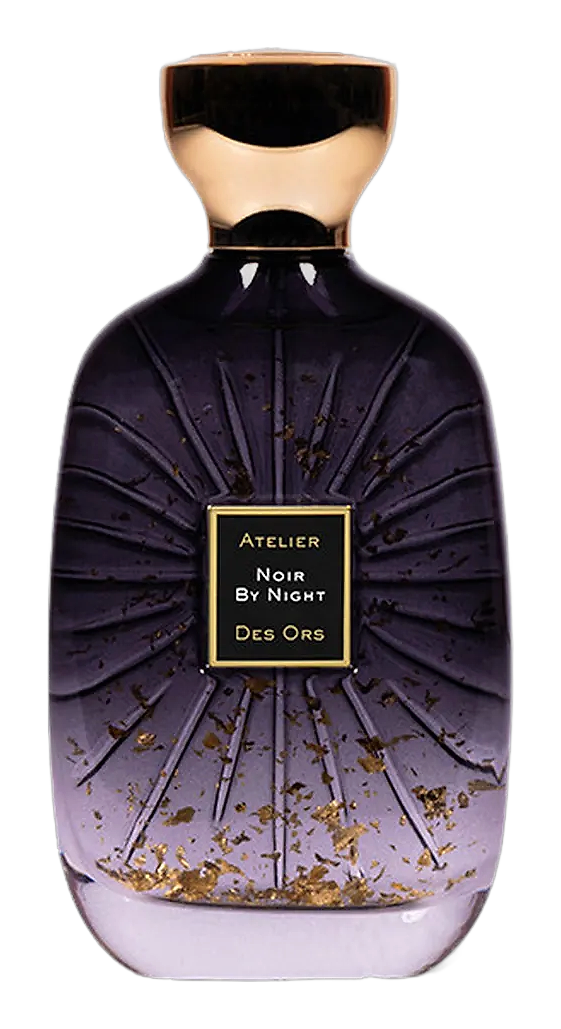
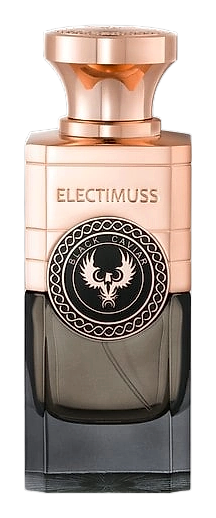
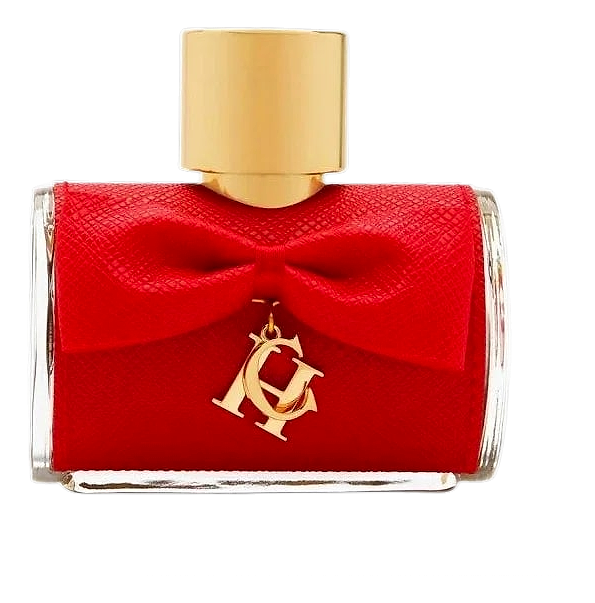
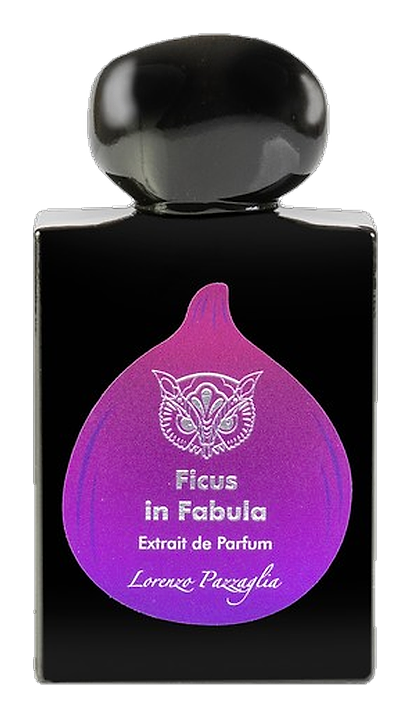
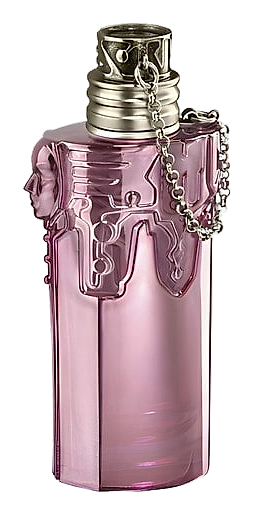
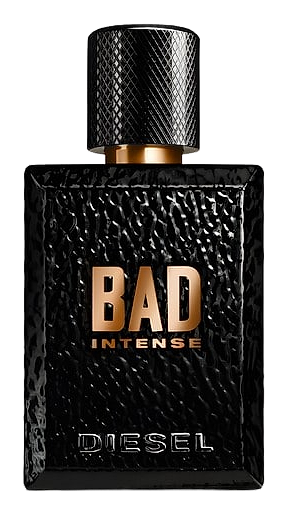
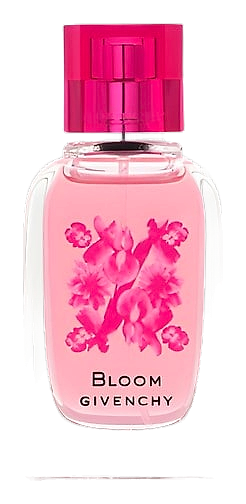
Fragrances featuring Caviar


Brands
Brands known for Caviar
Good to know
Questions, answered
The essentials on Caviar in perfumery: how it smells, where it comes from, and how it behaves on skin.
What does Caviar smell like in perfume?
Caviar Lime extract smells like bright citrus with unexpected depth. Beyond fresh lemon and lime notes, it reveals green, herbaceous undertones and a subtle marine freshness. The combination creates a sensation of coastal air rather than simple fruitiness. Perfumists often describe it as citrus reimagined with textural complexity.
Why is Caviar used in perfumery?
Caviar Lime provides an unconventional citrus option that sets compositions apart. It delivers bright freshness without the straightforward character of conventional citrus oils. Studies of Australian native citrus show distinct aromatic profiles compared to Old World species, with unique volatile compounds that create olfactory interest. Niche fragrance houses use it to signal ingredient authenticity and geographic origin.
Is Caviar in perfume natural or synthetic?
Natural Caviar Lime extract derives from Citrus australasica grown in southeastern Australia. The ingredient is harvested by hand from wild or cultivated trees, then cold-pressed or solvent-extracted to capture aromatic compounds. Synthetic reproductions exist but lack the full complexity of the natural extract. Certified natural perfumery brands specify the botanical origin on ingredient lists.
What famous perfumes contain Caviar?
Caviar Lime appears primarily in niche and artisanal fragrances rather than mass-market perfumes. Australian perfumery brands including ABx and Magnum Perfumes have incorporated the ingredient. The 2018 fragrance Australian Botanicals by Mandy Aftel featured Caviar Lime as a signature material. Major luxury houses began exploring Australian native citrus ingredients around 2015, though specific formulations remain proprietary.
Is Caviar a top note, heart note, or base note?
Caviar Lime extract functions primarily as a heart note in fragrance construction. The volatile citrus compounds project immediately upon application, then gradually reveal deeper green and marine facets. The extraction method affects evaporation rates, with cold-pressed versions tending toward faster sillage. Perfumers often specify it as a heart note bridge between bright opening citrus and deeper base materials.
What notes pair well with Caviar in perfume?
Caviar Lime harmonizes with other Australian native ingredients like sandalwood, boronia, and wattleseed. For contrast, it pairs well with warm resins such as benzoin or labdanum. Marine notes amplify its coastal freshness, while subtle animalics like ambrette seed add depth. Vetiver and cedarwood provide earthy counterpoints that ground its bright citrus character.
Where does Caviar come from?
Caviar Lime originates from the subtropical rainforests of southeastern Queensland and northern New South Wales, Australia. The species thrives in the humid coastal strip between Brisbane and Sydney, growing wild among dense vegetation. Archaeological evidence suggests Aboriginal peoples used this citrus for at least 2,000 years before European documentation in 1853.
Is Caviar used in men's or women's fragrances?
Caviar Lime crosses gender boundaries in contemporary perfumery. Its complex citrus-green profile appeals to wearers seeking unusual ingredients regardless of fragrance marketing. Unisex compositions frequently feature it alongside other Australian botanicals. Historically, bright citrus skewed toward feminine fragrances, but modern niche perfumery has dissolved these conventions. Both masculine and feminine fragrances use it to similar effect.