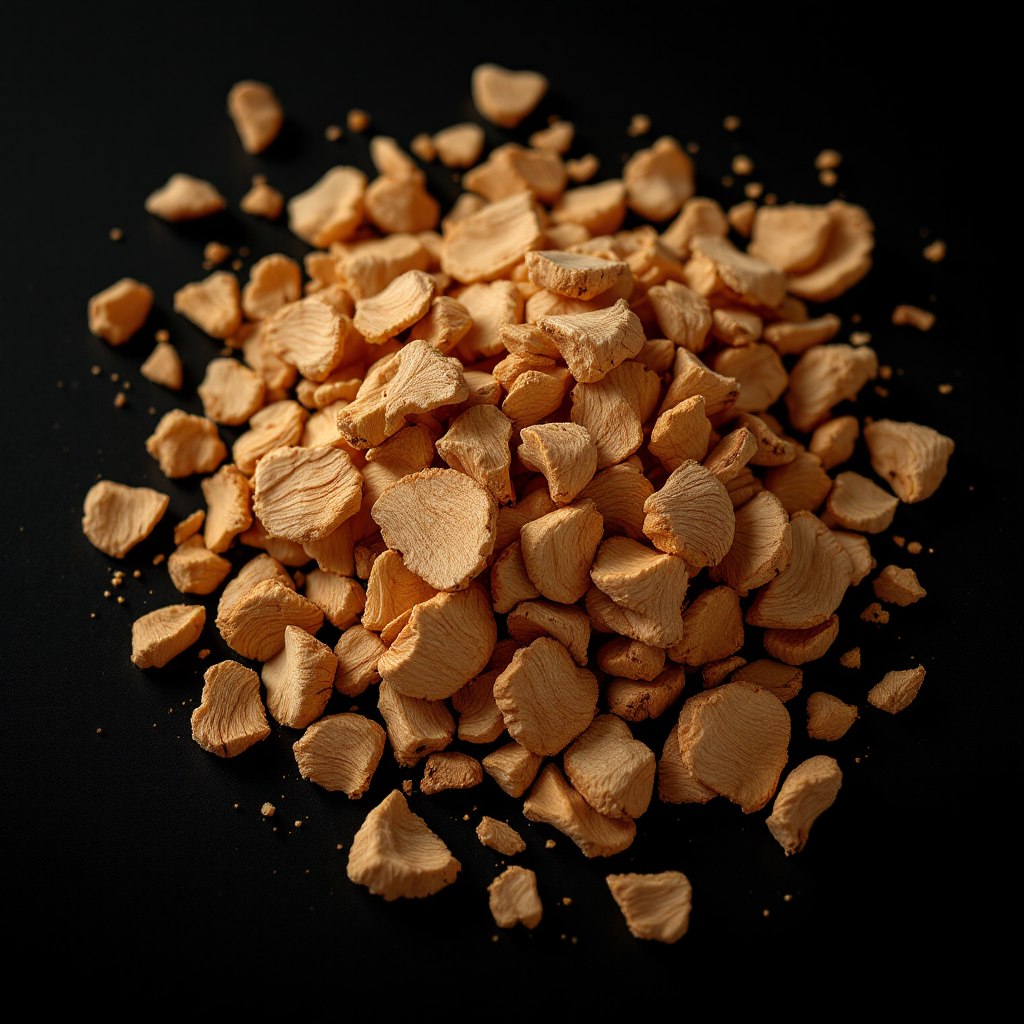
Chestnut wood
Chestnut wood brings the autumnal warmth of roasted street-market chestnuts into perfumery. Its smoky, slightly sweet character creates gourmand depth that feels like a memory made physical. Discover how this humble wood became a staple of cozy, seasonal fragrance compositions.
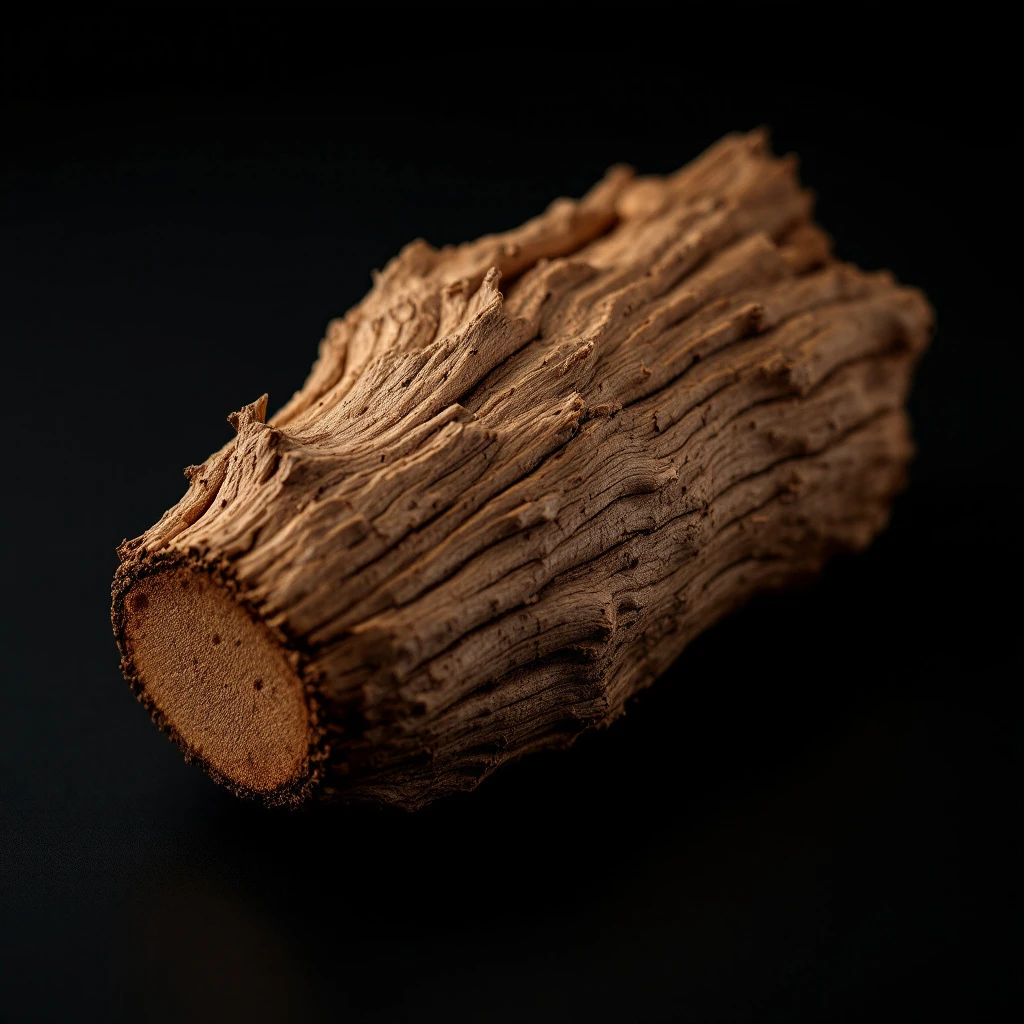
Character
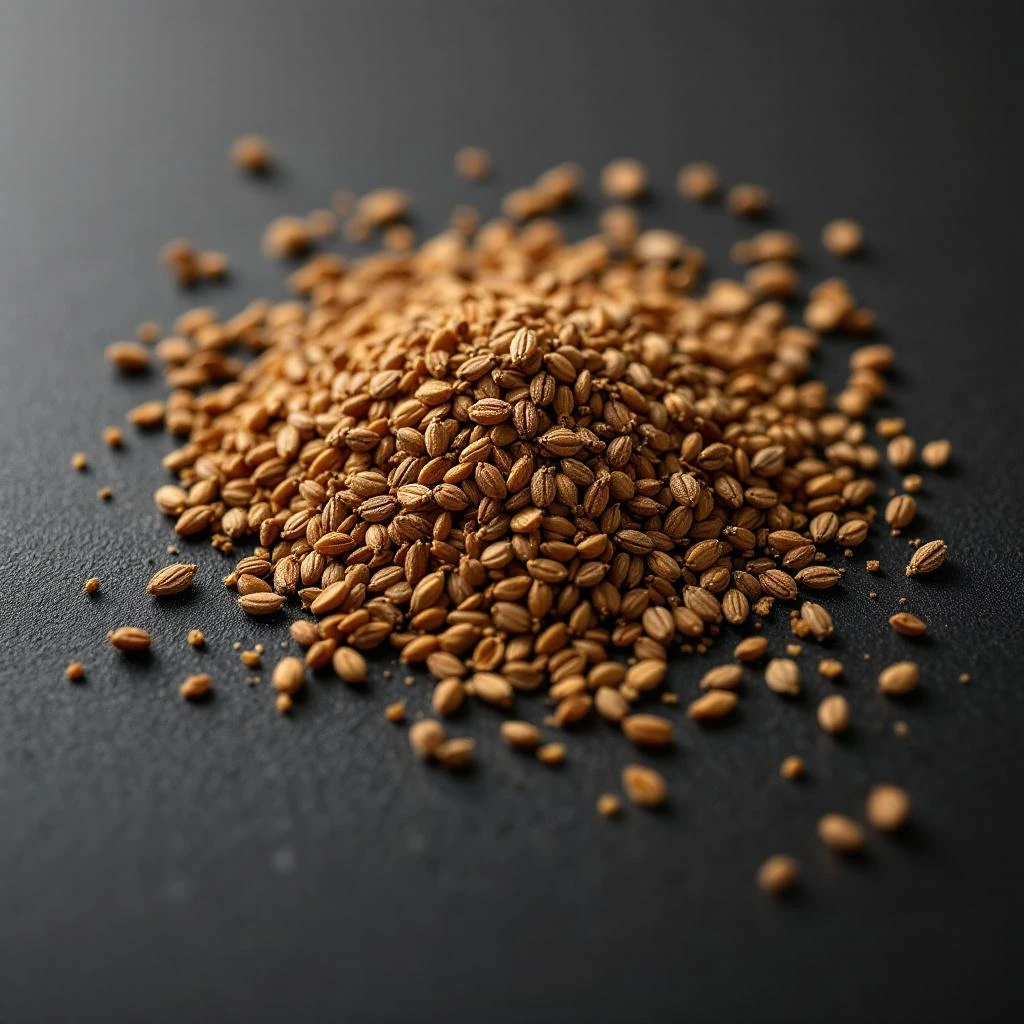
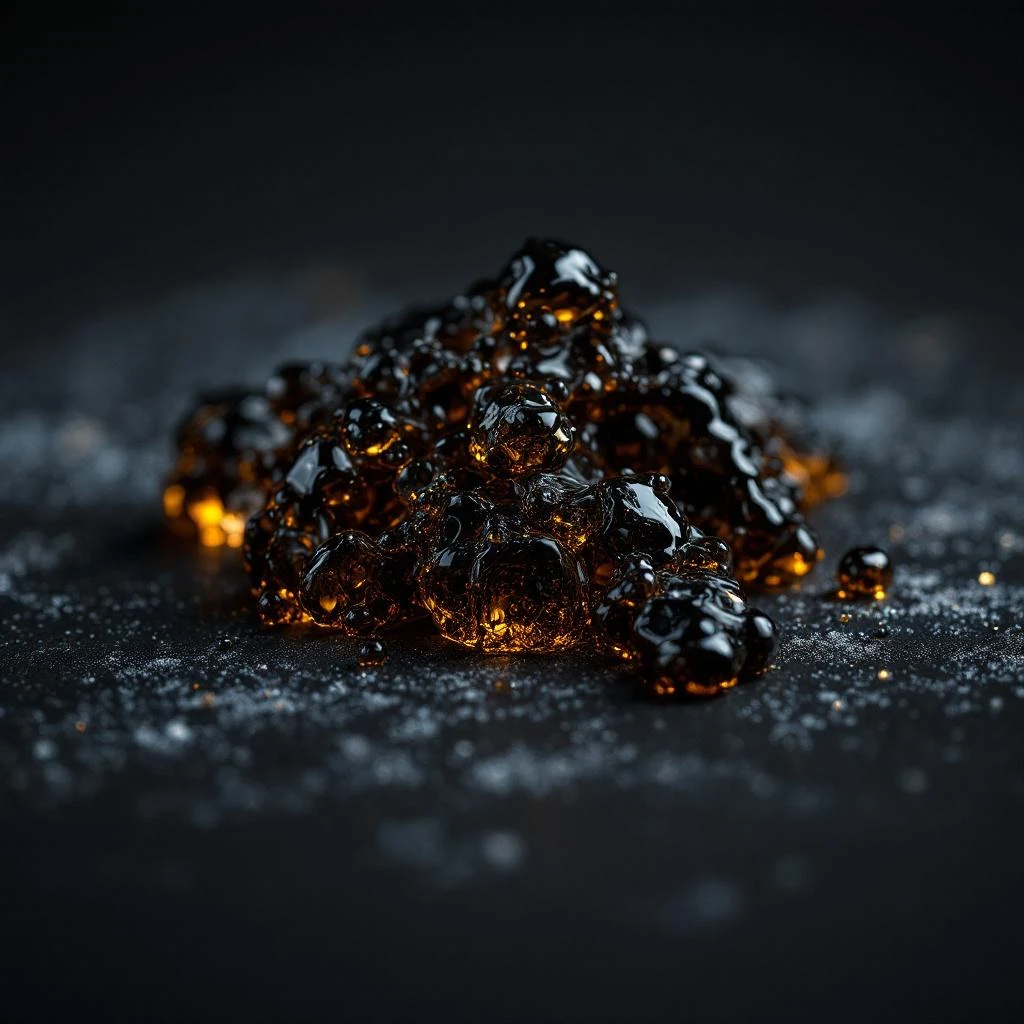
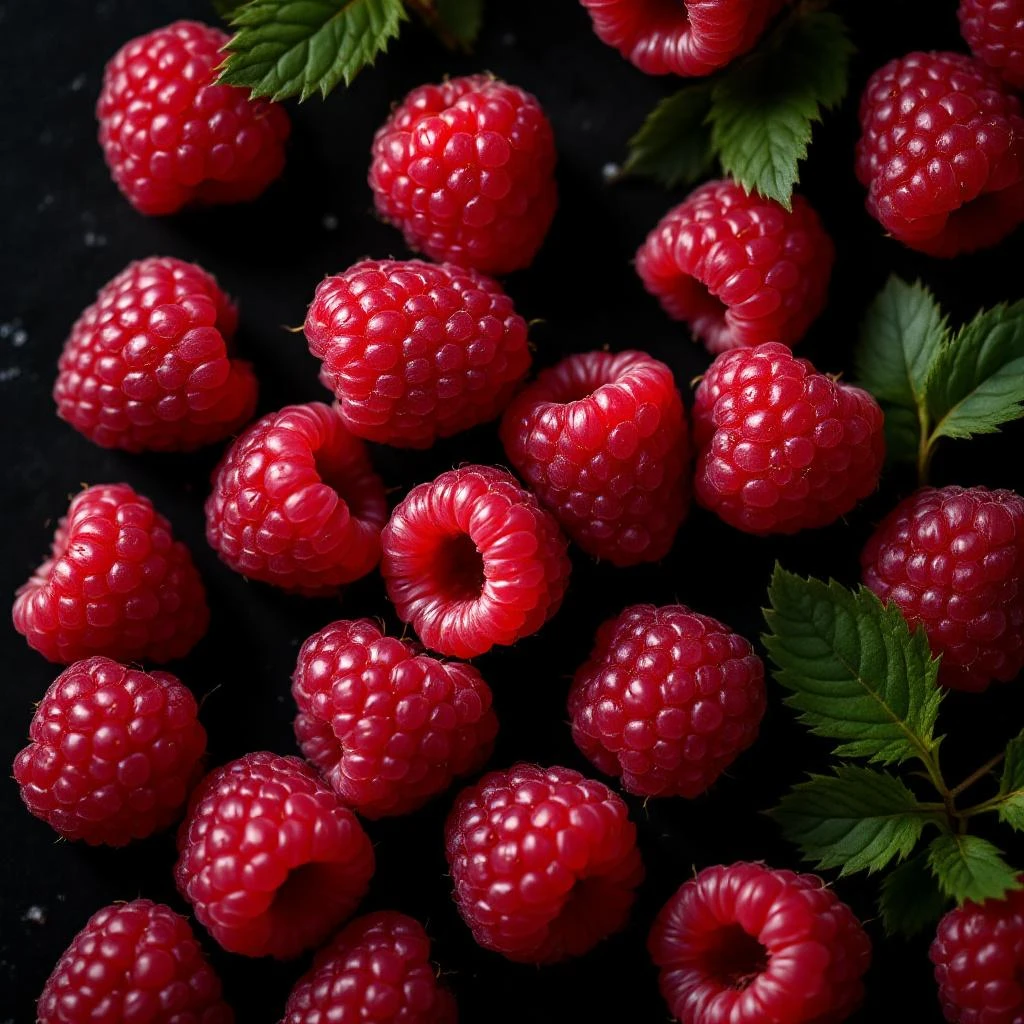
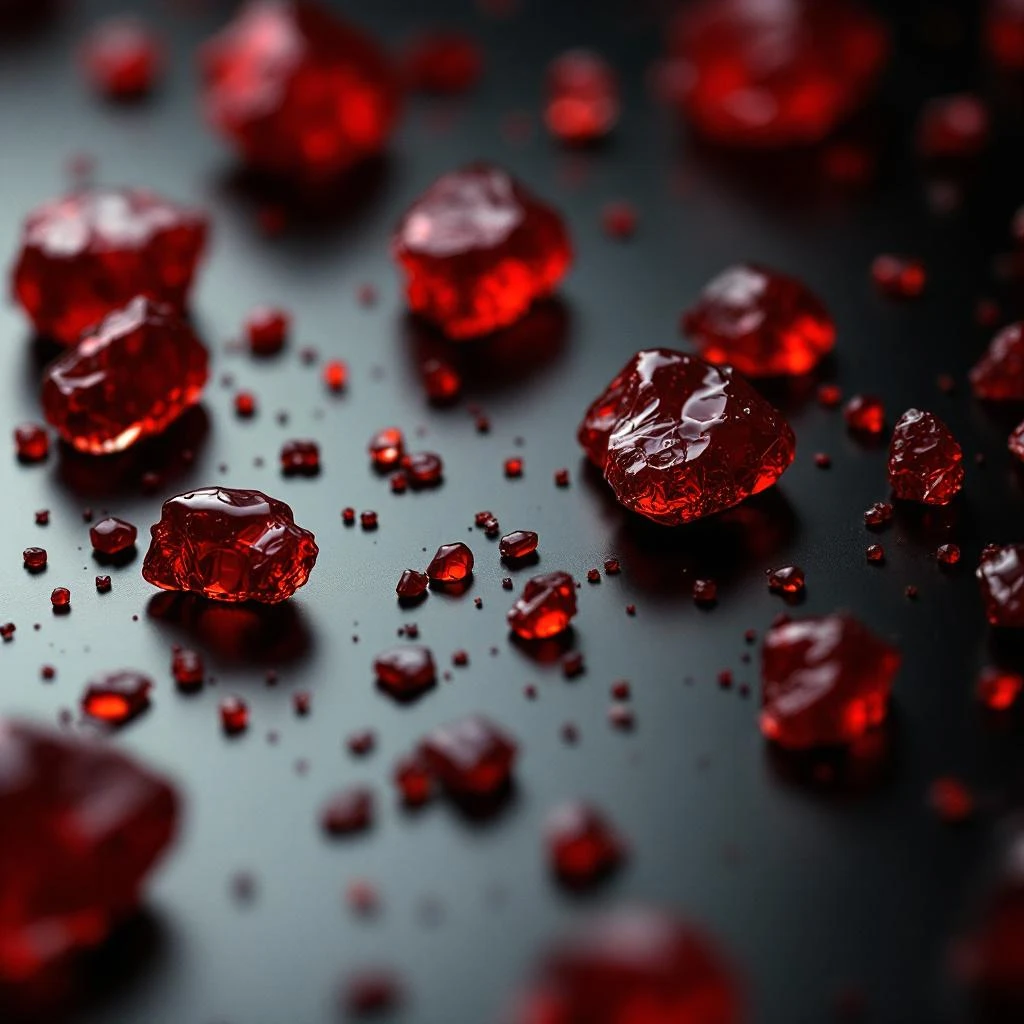
How it smells
The warm, smoky heart of autumn in a bottle.
Chestnut trees can live for over 500 years, making their wood one of the most ancient-smelling materials in perfumery.



Origin
Italy
The sweet chestnut has shaped European landscapes for millennia, stretching from the Mediterranean across to Anatolia and the Caucasus. Ancient Greeks and Romans prized the tree as a food source, and communities from Corsica to Catalonia built entire economies around chestnut harvests. Its cultural presence made the scent of roasted chestnuts one of the most recognisable seasonal memories across the continent.
Perfumers only adopted chestnut wood as a named material in the late 20th century, drawn by its nostalgic warmth. Before then, the scent appeared only incidentally through other materials. Today, chestnut features most prominently in autumn and winter fragrances, where its smoky sweetness evokes cold-market mornings and evening fires.
The ingredient bridges food and fragrance in a way few woods manage, making it both comfortingly familiar and surprisingly distinctive.
Wears it best
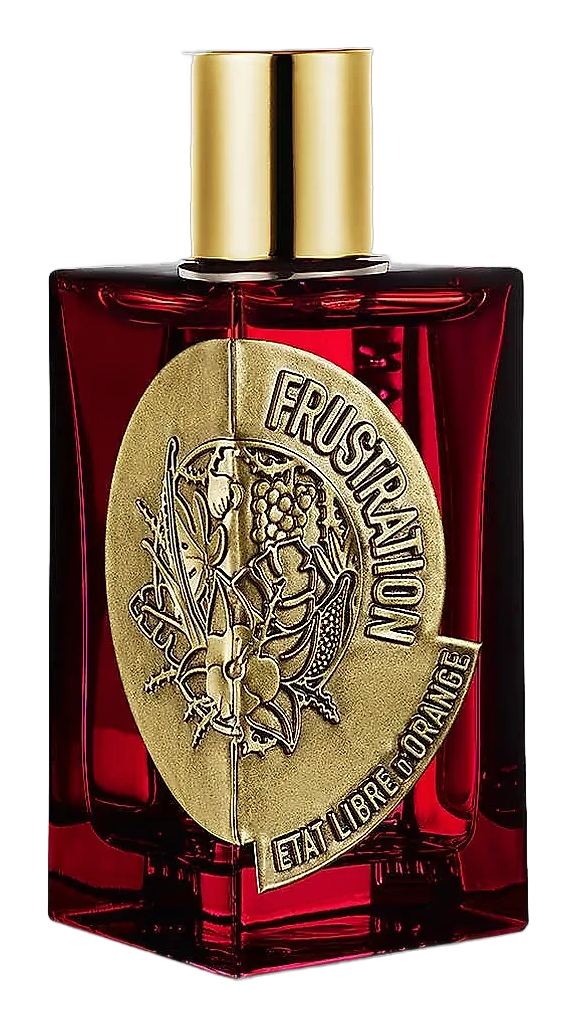
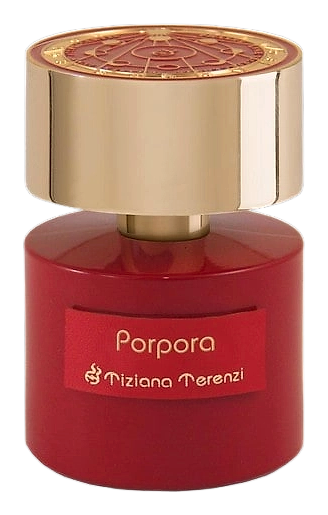
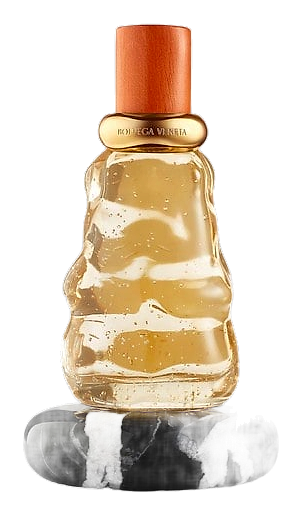
Fragrances featuring Chestnut wood
Brands
Brands known for Chestnut wood
Good to know
Questions, answered
The essentials on Chestnut wood in perfumery: how it smells, where it comes from, and how it behaves on skin.
What does chestnut wood smell like in perfume?
Chestnut wood smells warm, smoky, and subtly sweet, evoking roasted chestnuts over an open fire. It carries a nutty, slightly charred quality that reads as deeply cozy and autumnal. Blending it with vanilla or tonka bean amplifies its edible character.
Is chestnut wood a natural or synthetic ingredient in perfumery?
Natural chestnut wood absolute does exist, extracted from the heartwood of Castanea sativa trees grown primarily in France and Italy. Most commercial perfumes use a combination of natural and nature-identical synthetic molecules to achieve a consistent chestnut accord at scale.
When did perfumers first start using chestnut wood?
Chestnut wood appeared as a named perfumery ingredient in the late 20th century. Before this, its aroma was present only incidentally through other materials. The rise of gourmand and woody-oriental fragrance families in the 1990s drove its formal adoption as a standalone note.
Which fragrance families use chestnut wood most often?
Woody-oriental and gourmand compositions use chestnut wood most frequently. It pairs naturally with vanilla, tonka bean, benzoin, and other warm resins. Autumn and winter perfumes, particularly for men and unisex markets, feature it most prominently.
What part of the chestnut tree is used in perfumery?
Perfumers use the heartwood and larger branches of the sweet chestnut tree. The wood is harvested in late autumn, when the tree's starch reserves are highest, then chipped and processed through solvent extraction to capture its aromatic compounds.
How does chestnut wood differ from other woods used in perfumery?
Unlike sandalwood's creamy softness or cedarwood's dry needle-like character, chestnut wood carries a distinct smoky sweetness. Its aroma sits between woody and edible, which few other materials achieve. It lacks oud's dark complexity but offers a more approachable, nostalgic warmth.
Which countries produce the best quality chestnut wood for perfumery?
France and Italy are the primary sources of chestnut wood absolute. The Corsican and Tuscan chestnut varieties are particularly prized for their aromatic intensity. The volcanic and limestone soils of these regions contribute to the wood's characteristic roasted, sweet profile.
Is chestnut wood an expensive perfumery ingredient?
Chestnut wood absolute falls in the mid-to-upper range for natural wood materials. Its cost reflects the solvent extraction process and limited regional production. Many perfumers use a blend of natural absolute with synthetically reproduced chestnut molecules to balance quality, consistency, and cost.