Cherry Nectar
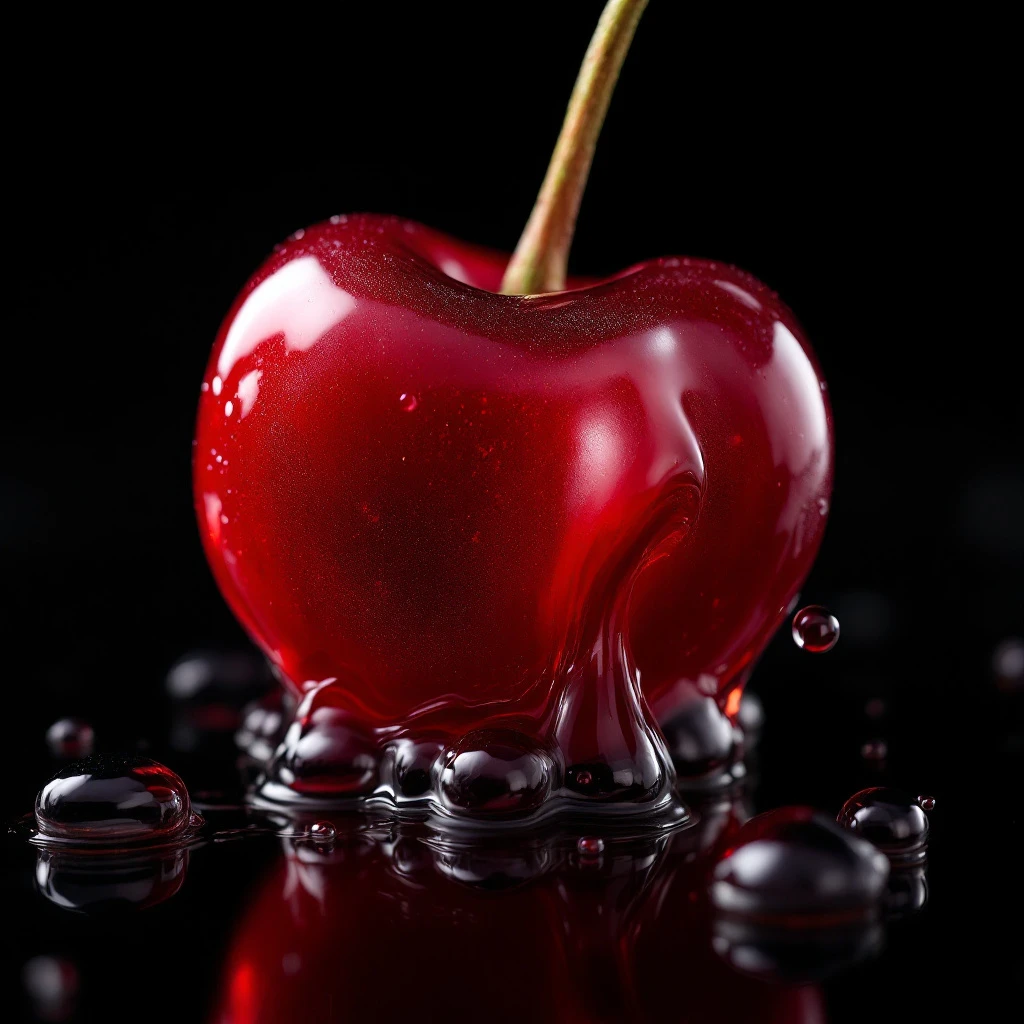
Cherry Nectar captures the bright duality of ripe summer cherries — sweet flesh and tart skin — in a concentrated aromatic form. In perfumery, this effect comes from carefully calibrated synthetic molecules, primarily benzaldehyde, which recreates the fruit's unmistakable character.
Character
How it smells
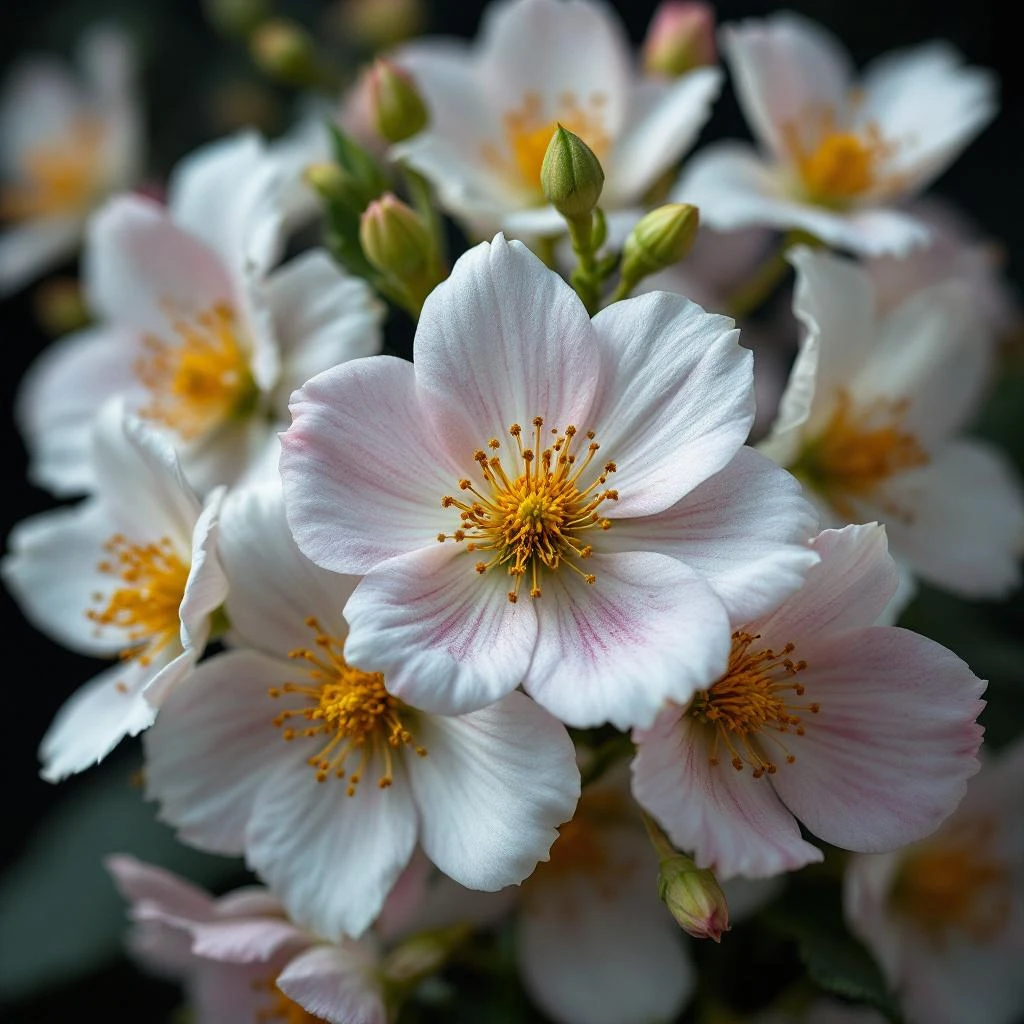
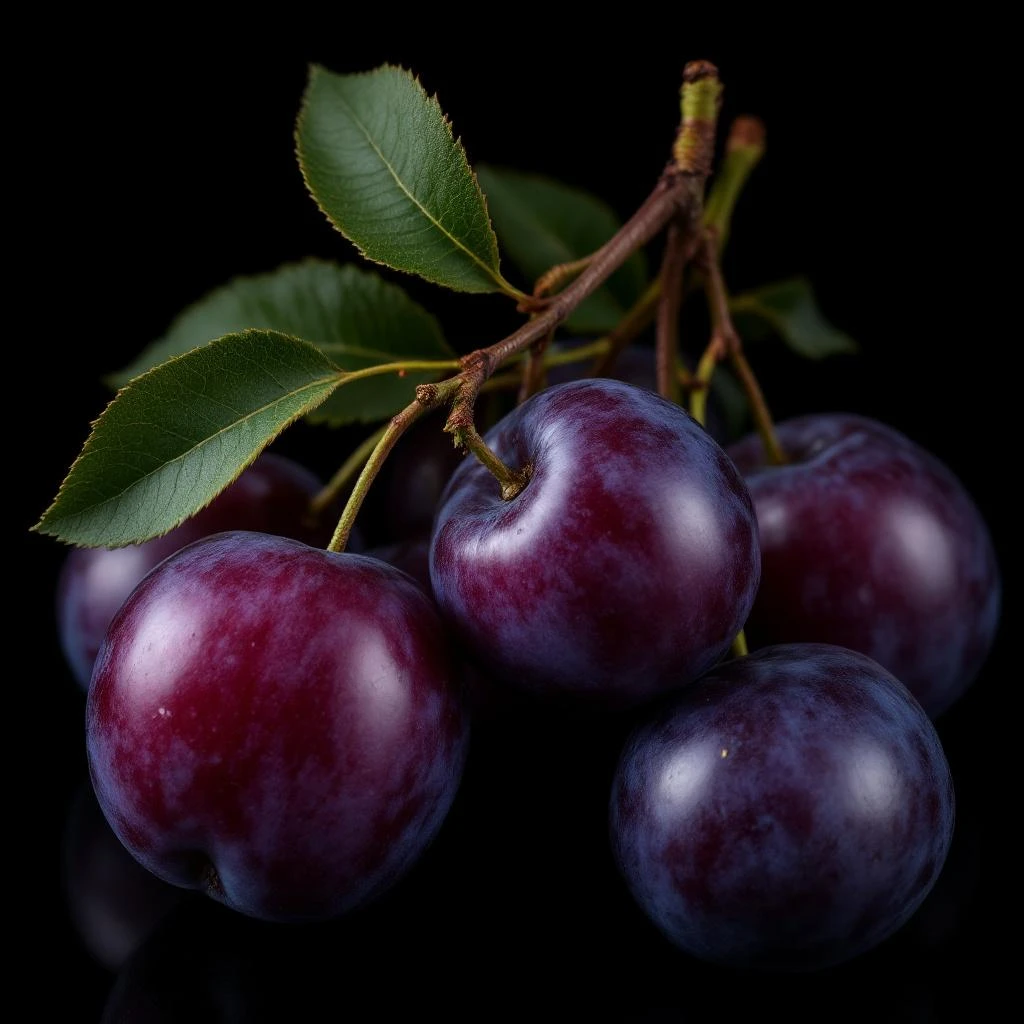
Fruity, sweet-tart, and unmistakably summery
Cherries take their name from Kerasous, an ancient Greek city on Turkey's Black Sea coast. Romans brought the fruit westward to Europe.





Origin
Turkey
The cherry takes its name from Kerasous, an ancient Greek settlement on Turkey's Black Sea coast. This etymology traces directly to how the fruit reached European markets centuries ago.
Roman soldiers encountered cherries during eastern campaigns and carried pits westward, establishing cultivation across the continent. By the 1700s, Louis XV had made cherry cultivation a staple of French royal gardens, cementing the fruit's place in continental cuisine and beyond.
Benzaldehyde emerged as one of the first synthetic fragrance ingredients in the late 19th century, shifting perfumery from purely natural ingredients to include laboratory-created compounds. Today, Cherry Nectar appears across luxury and accessible fragrances alike, representing how chemistry transformed fragrance creation from ancient botanical work into a modern sensory art.
Wears it best
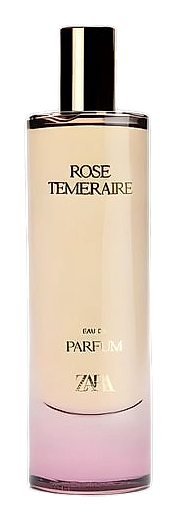
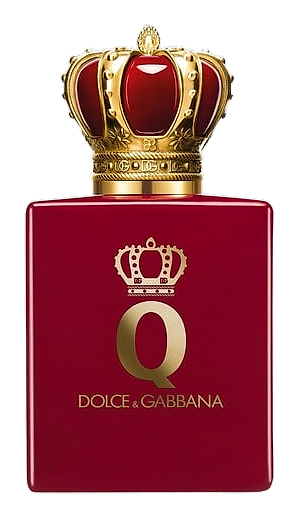
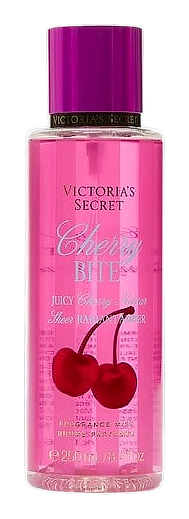
Fragrances featuring Cherry Nectar
Brands
Brands known for Cherry Nectar
Good to know
Questions, answered
The essentials on Cherry Nectar in perfumery: how it smells, where it comes from, and how it behaves on skin.
Is Cherry Nectar made from real cherries?
No, Cherry Nectar is a synthetic construction. Perfumers use benzaldehyde as the primary molecule, which delivers the characteristic bitter-almond note found in cherry pits. Additional compounds layer sweetness and green tartness to complete the accord.
Where does cherry get its name from?
Cherry derives from Kerasous, an ancient Greek city on Turkey's Black Sea coast. The fruit reached Europe through Roman military campaigns, spreading westward from that region centuries ago.
When did synthetic cherry enter perfumery?
Benzaldehyde was one of the first synthetic fragrance ingredients developed in the 19th century. The modern perfume industry in Paris between 1889 and 1921 drove commercial adoption of synthetic cherry molecules.
Does natural cherry extract exist for perfumery?
Natural cherry absolute exists but sees limited perfumery use. Its aroma profile differs from what perfumery seeks in Cherry Nectar form. The synthetic approach delivers consistent, controllable character.
Is Cherry Nectar better for summer fragrances?
Yes. Cherry Nectar brings bright, fruity energy that performs well in warm weather. The sweet-tart character reads as fresh and seasonal, making it a natural fit for spring and summer fragrance lines.
What is the difference between bitter and sweet cherry notes?
Bitter cherry leans into the almond- noyau character from benzaldehyde, offering depth and complexity. Sweet cherry emphasizes ester-driven fruitiness and lighter, juicier impressions.
Which fragrance families use Cherry Nectar most?
Fruity, floral, and gourmand fragrances most commonly feature Cherry Nectar. It also appears in bright chypre constructions and modern fougere variations as a contemporary summer accord.
What gives cherry its characteristic scent?
Benzaldehyde provides the unmistakable bitter-almond note that defines cherry character. This molecule also occurs naturally in the kernels of apricots, almonds, and plums, contributing to their stone fruit similarity.