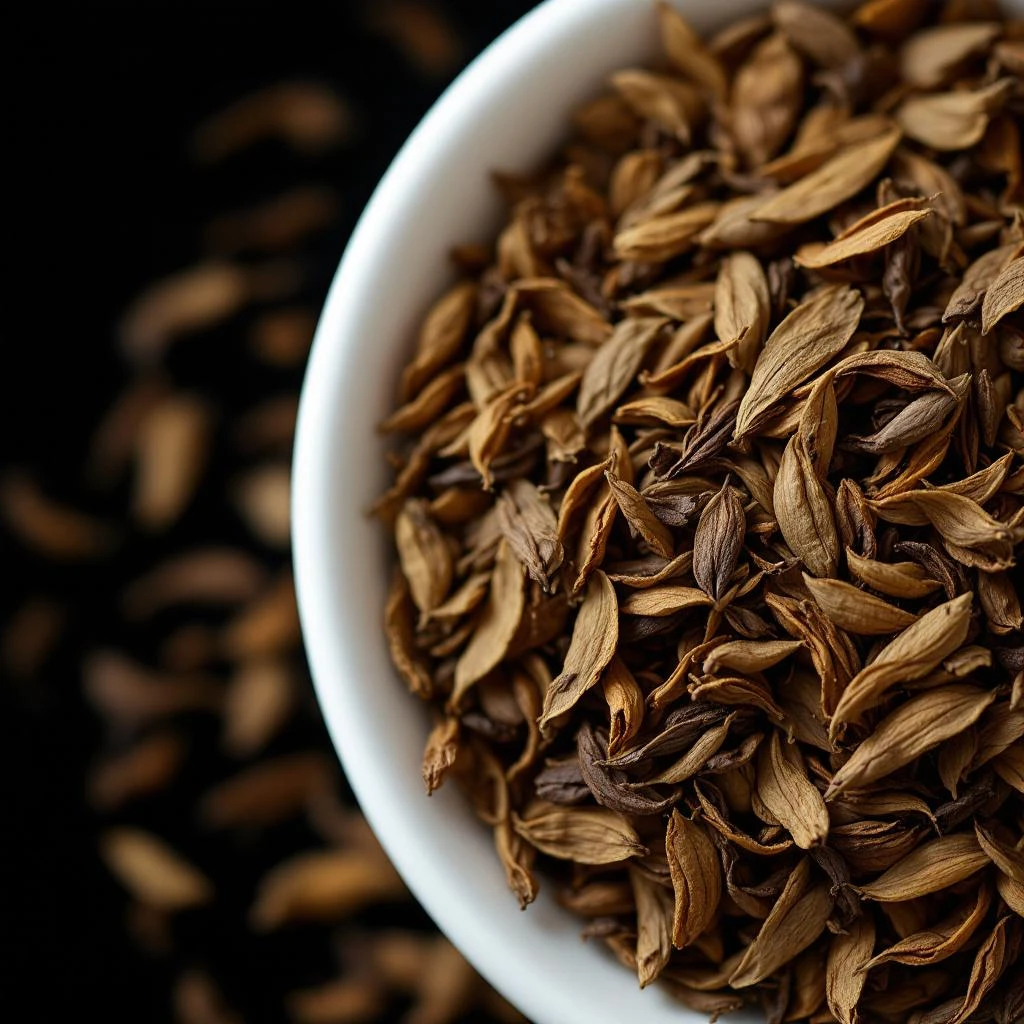
Chayote
Chayote brings a delicate, vegetal freshness to perfumery, capturing the crisp essence of a tropical squash with subtle green and slightly sweet undertones. This ingredient bridges the gap between garden and bottle.
Character
How it smells
A tropical squash bringing crisp, green freshness to fragrance.
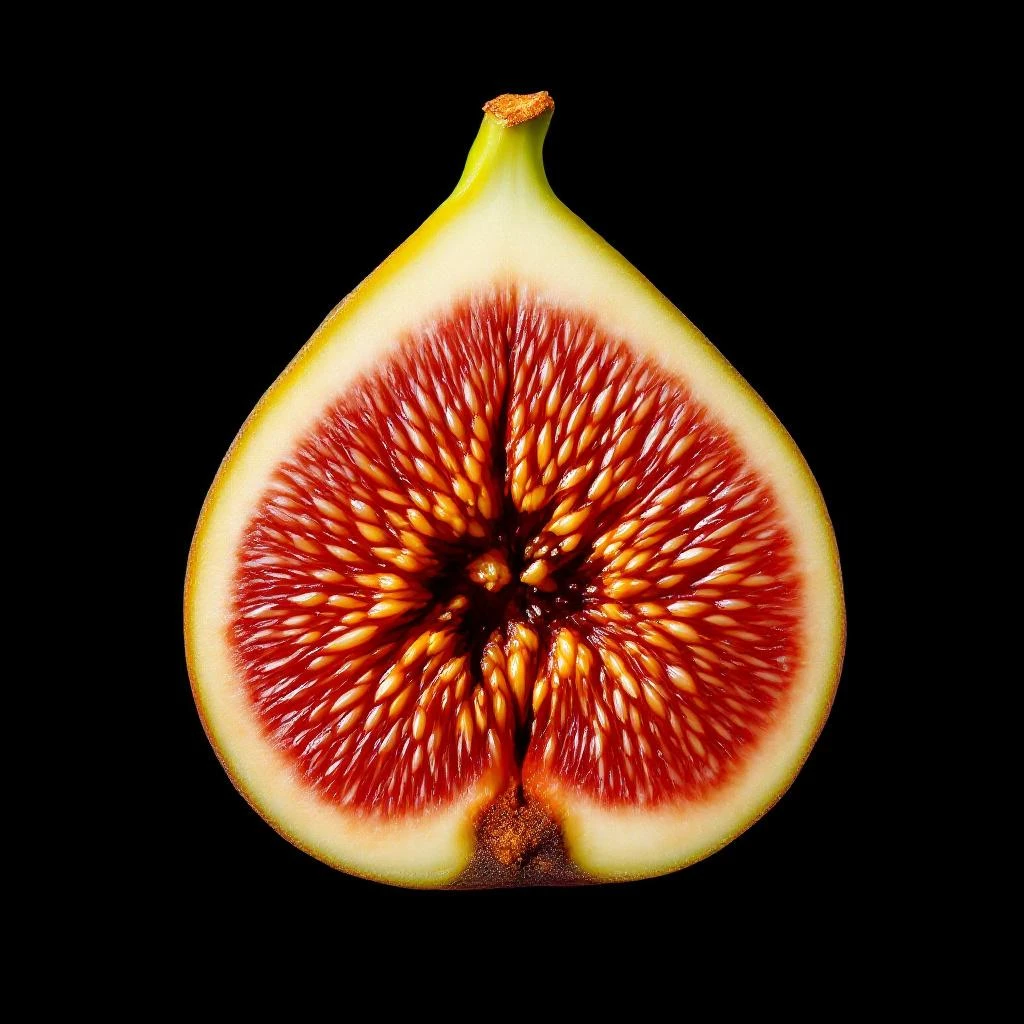
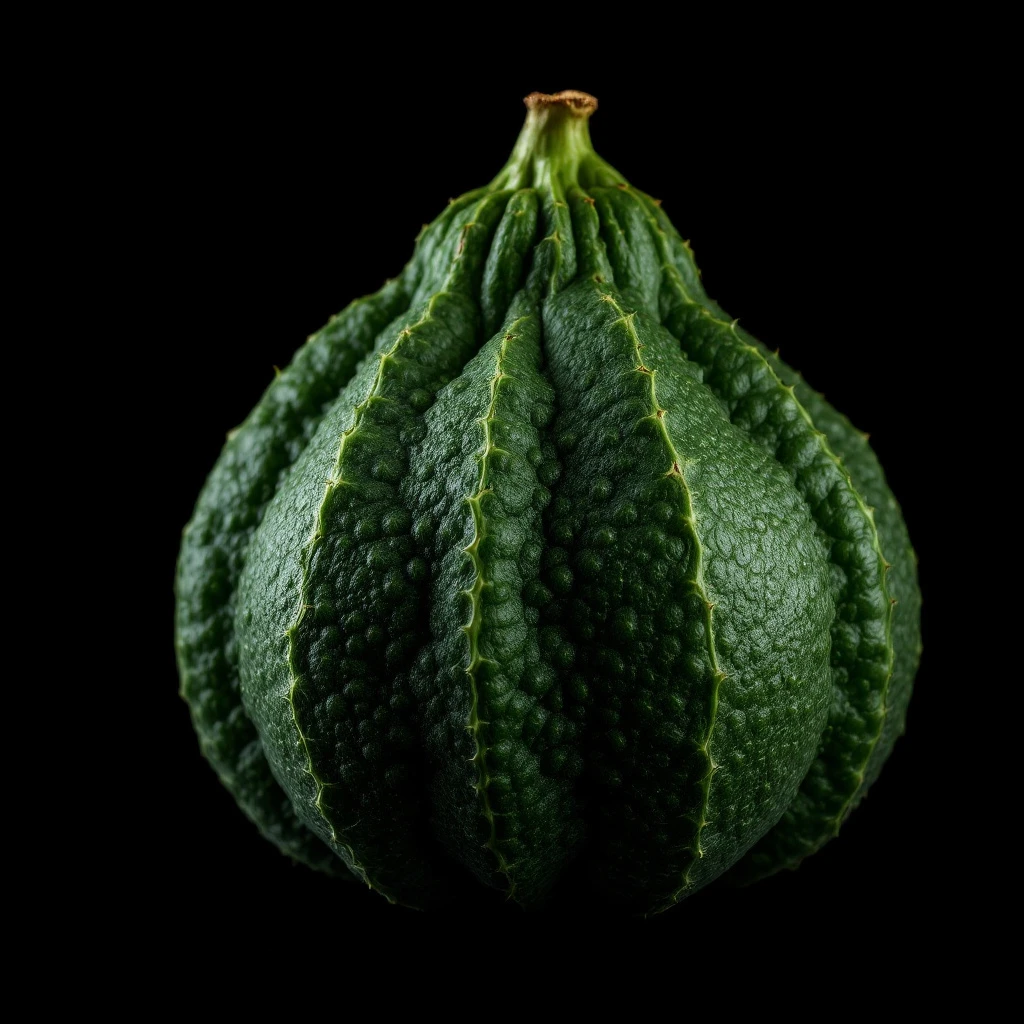
Chayote has a single large seed inside its pear-shaped fruit, making it one of the few vegetables where the entire seed is eaten alongside the flesh.



Origin
Mexico
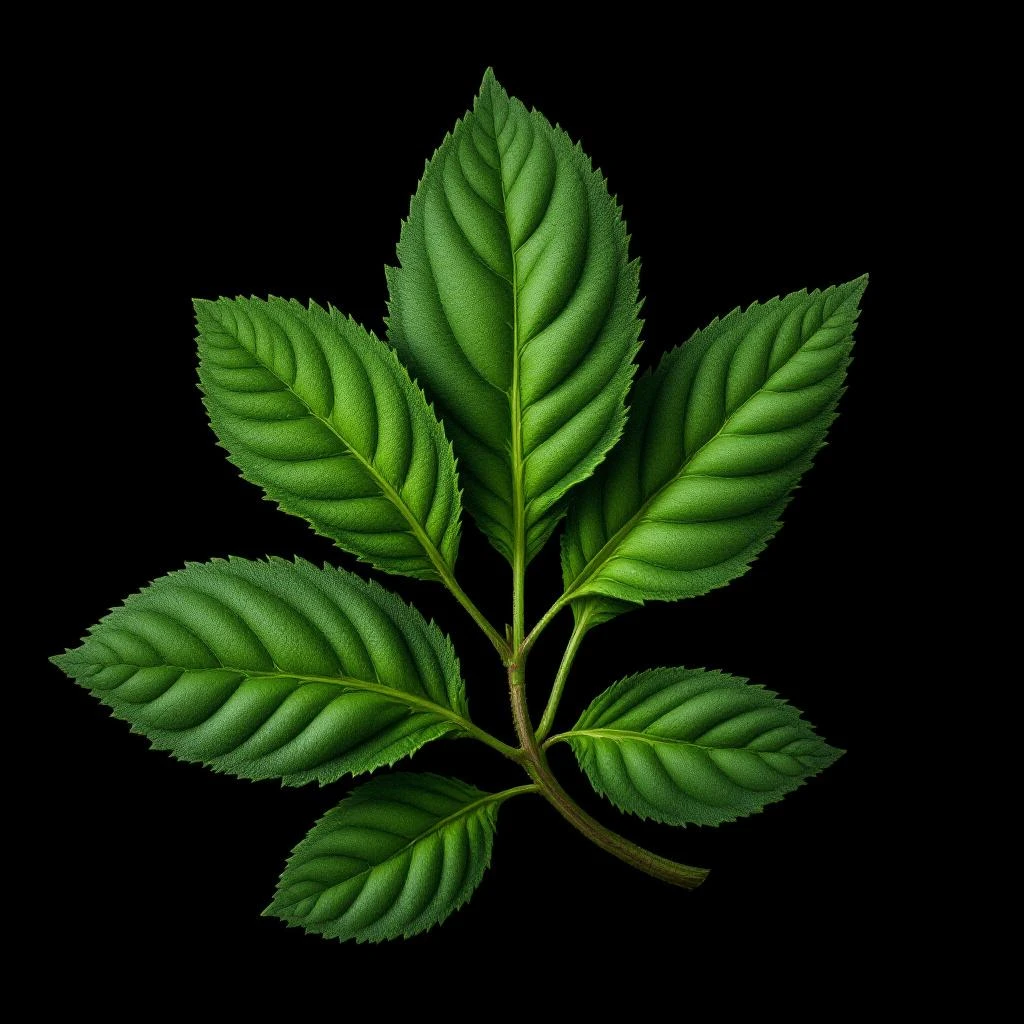
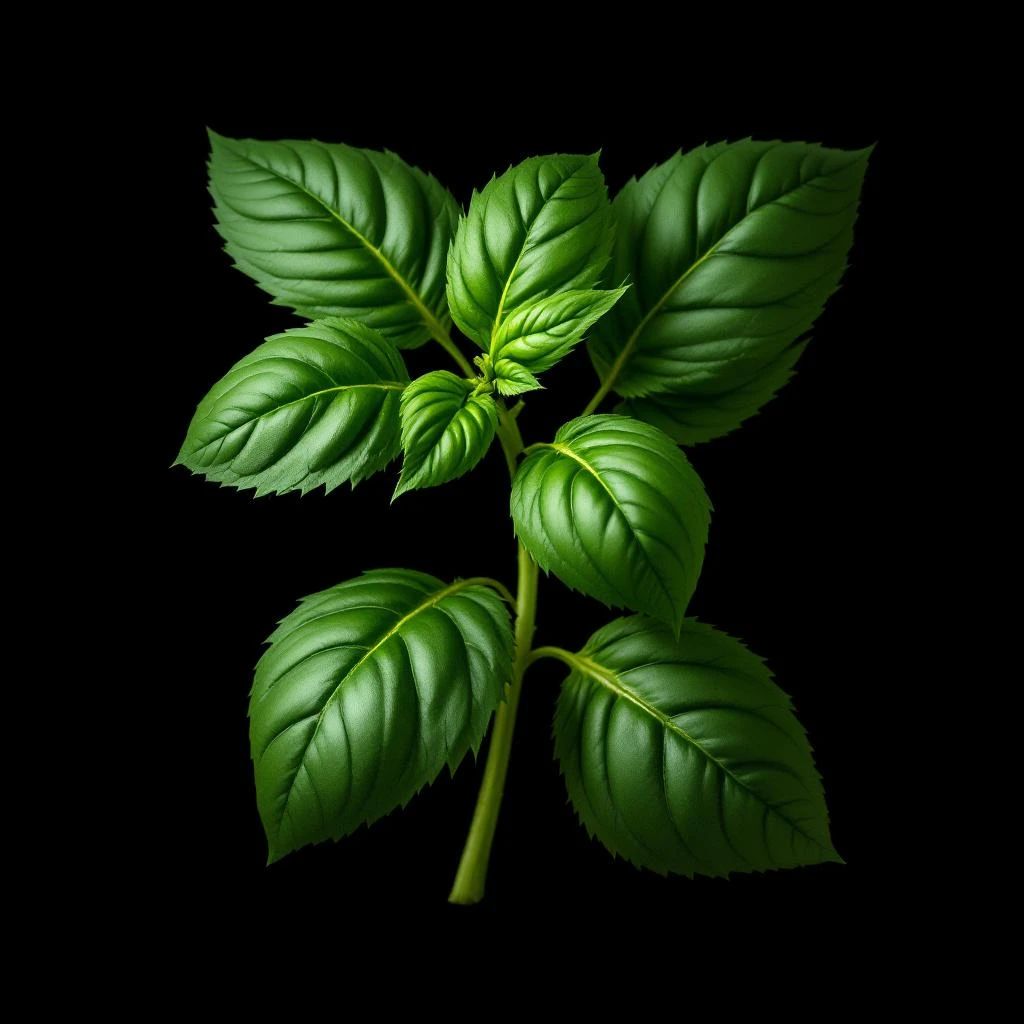
Chayote (Sechium edule) originated in the highlands of Mexico and Central America, where pre-Columbian peoples cultivated it as a dietary staple. The plant belongs to the Cucurbitaceae family alongside cucumbers, melons, and gourds.
Spanish colonizers spread chayote across tropical regions worldwide during the 16th and 17th centuries, and it now grows throughout Latin America, the Caribbean, Southeast Asia, and parts of Africa. Its migration into perfumery is recent, emerging as naturals-focused perfumers began exploring unconventional botanicals from food crops as sources of fresh, green-smelling materials that traditional perfumery had overlooked.
Wears it best
Fragrances featuring Chayote

Brands
Brands known for Chayote
Good to know
Questions, answered
The essentials on Chayote in perfumery: how it smells, where it comes from, and how it behaves on skin.
What does chayote smell like in perfume?
Chayote contributes a crisp, fresh vegetable aroma with green and subtly sweet undertones. It resembles the scent of freshly cut cucumber crossed with mild squash, adding a clean, watery quality to fragrance compositions.
Is chayote a natural ingredient in perfumery?
Yes, chayote is a natural perfumery ingredient. Extracts are derived from the fruit through solvent extraction, capturing aromatic compounds for use in fine fragrance and natural perfume formulations.
What family does chayote belong to?
Chayote belongs to the Cucurbitaceae family, the same botanical family that includes cucumbers, melons, pumpkins, and gourds. This family is known for its water-rich fruits with mild aromatic profiles.
Where is chayote cultivated for perfumery use?
Chayote is cultivated primarily in Mexico and Central America for perfumery applications. The ingredient traces its roots to Mesoamerican agriculture before spreading globally during the colonial era.
How does chayote differ from cucumber in fragrance?
Chayote carries a slightly richer, more vegetal quality than cucumber. While cucumber offers pure watery freshness, chayote adds a subtle sweetness and greater depth, making it more versatile in green fragrance compositions.
What type of fragrance作品中 uses chayote?
Chayote appears primarily in modern green and aquatic fragrances where it contributes a fresh vegetable nuance. Perfumers also use it to enhance the natural, botanical character of niche fragrances emphasizing plant-derived ingredients.
Can chayote be synthetically replicated?
The aromatic profile of chayote has not been widely synthesized as a single isolated molecule. Perfumers rely on natural extraction to capture its complex green aroma, though related compounds may be combined to approximate its scent.
What parts of chayote are used in perfumery?
The fruit flesh of chayote is the primary material used in perfumery. Extractors process the fresh fruit to isolate its aromatic compounds, yielding a concrete with a delicate, green-smelling profile.