Tamarisk
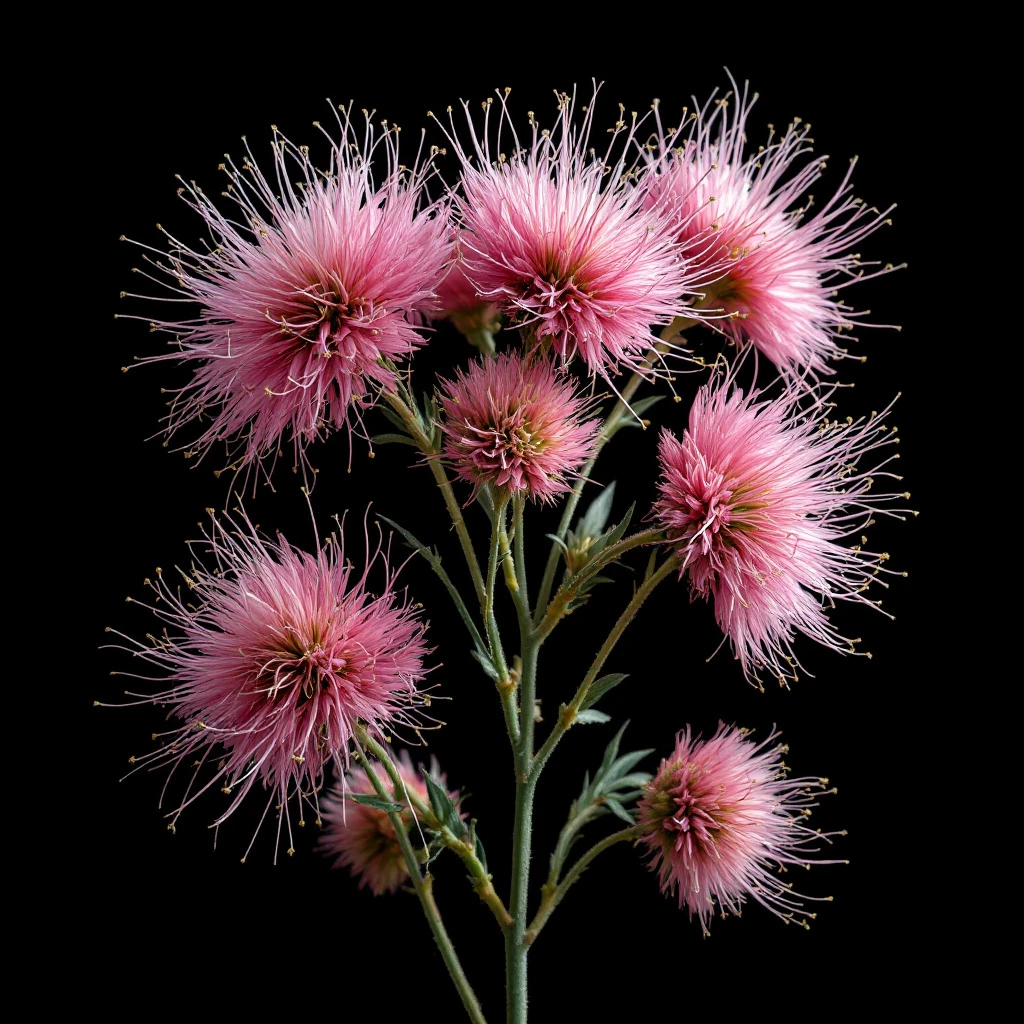
Aromatic tamarisk brings a distinctive saline-floral character to fragrance compositions, with subtle hints of honey and sea air that create an unexpected connection between botanical and oceanic worlds.
Character
How it smells
Coastal botanicals meet fragrant complexity
Tamarisk naturally secretes salt through its leaves, making it one of the few plants that thrives in truly saline environments while producing aromatic compounds.






Origin
Mediterranean basin
Tamarisk has accompanied human civilization across the Mediterranean basin for millennia, with documented use stretching back to ancient Egyptian and Mesopotamian cultures. These hardy trees or shrubs, sometimes called salt cedar, colonized coastlines and desert margins where few plants could survive, earning them a place in the pharmacopoeias of early healers. Classical Greek physicians referenced tamarisk preparations for various topical applications, while Roman naturalists noted its resilience and distinctive character.
Throughout the Middle East and Central Asia, tamarisk held symbolic significance, often planted near graves and sacred sites. Its appearance in perfumery emerged gradually, with modern fragrance houses rediscovering its unique saline-floral character as consumer interest in coastal and atmospheric note families grew throughout the late twentieth century.
Wears it best
Fragrances featuring Tamarisk

Brands
Brands known for Tamarisk
Good to know
Questions, answered
The essentials on Tamarisk in perfumery: how it smells, where it comes from, and how it behaves on skin.
What does tamarisk smell like?
Tamarisk delivers a unique saline-floral character with subtle green notes and honeyed undertones, creating a fresh coastal effect without typical marine accord conventions.
Is tamarisk a natural or synthetic ingredient?
Tamarisk is a natural botanical ingredient sourced from the Tamarix genus of shrubs and small trees native to coastal and arid regions of the Mediterranean and Middle East.
How is tamarisk oil extracted?
The essential oil comes from steam distillation of flowers and tender stems, a process that captures the plant's volatile aromatic compounds including sesquiterpenes and phenolic constituents.
Is tamarisk commonly used in perfumery?
Tamarisk ranks among less common fragrance materials, appearing in supporting roles rather than as a primary note, though its usage has increased as perfumers seek novel coastal and botanical expressions.
What fragrance families use tamarisk?
Tamarisk appears primarily in marine, aromatic, and fougere compositions, where it contributes organic freshness distinct from synthetically derived oceanic notes.
Does tamarisk have historical significance in fragrance?
While tamarisk has ancient medicinal applications across Mediterranean and Middle Eastern cultures, its formal use in perfumery developed primarily during the late twentieth century renaissance of natural materials.
What regions produce the highest quality tamarisk for fragrance?
The eastern Mediterranean, particularly Turkey and Levant regions, produces tamarisk with the most desirable aromatic profile due to optimal growing conditions in coastal and saline soils.
Can tamarisk be substituted with other ingredients?
No direct substitute replicates tamarisk's distinctive combination of saline and honeyed floral notes; however, combinations of sea salt extracts with acacia or broom absolutes approximate some characteristics.