Pistachio tree resin
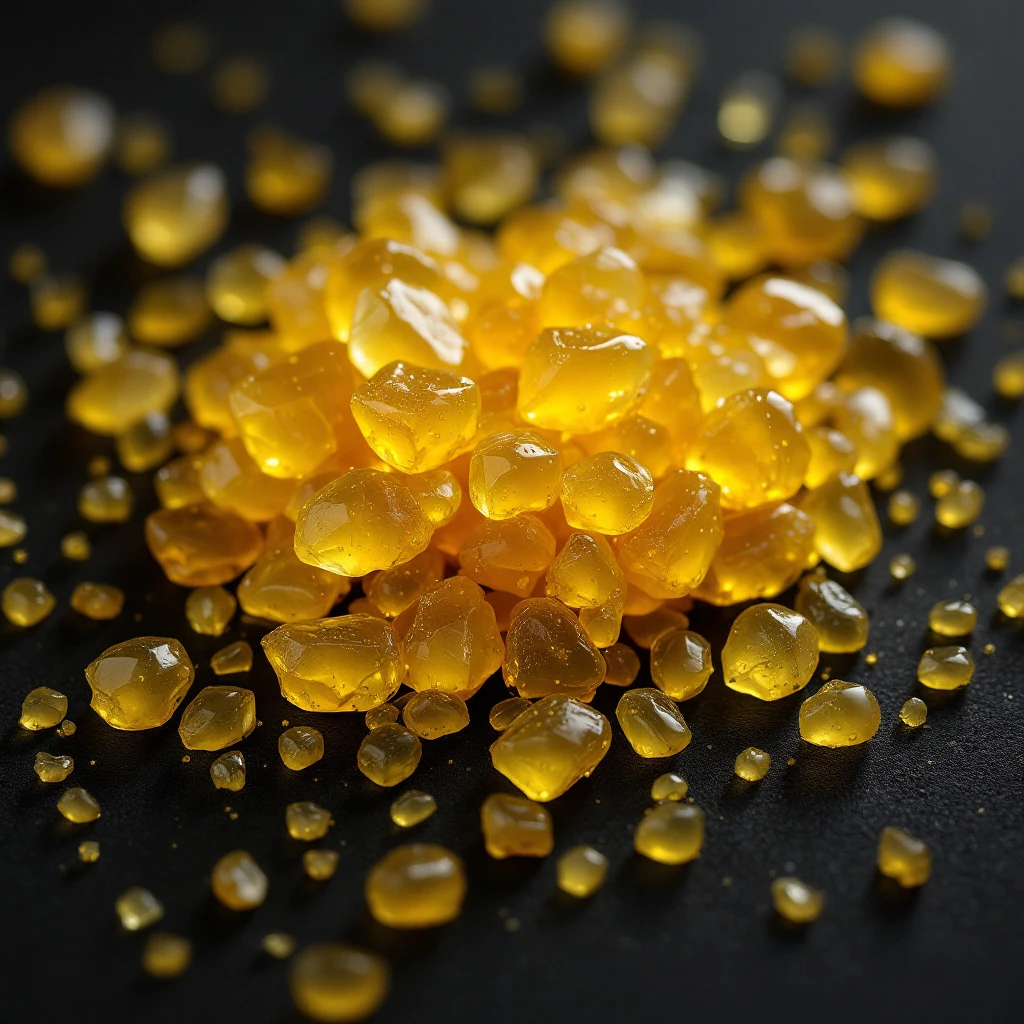
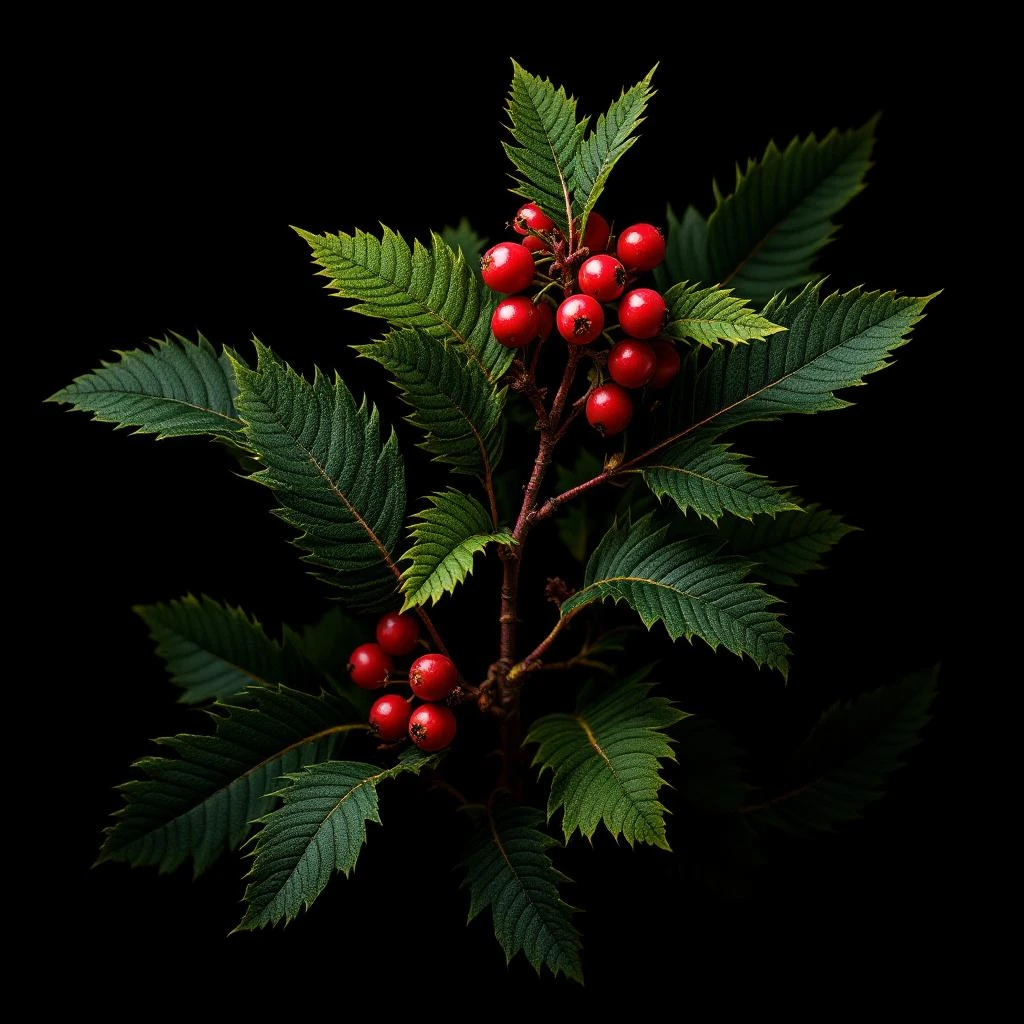
Warm and aromatic, pistachio tree resin is a fragrant material from Mediterranean and Middle Eastern trees of the Pistacia genus. Known as mastic resin on the island of Chios, it brings an ancient, resinous presence to modern perfumery.
Character
How it smells
Ancient resin, aromatic warmth.
Mastic resin was once used as a primitive form of chewing gum to freshen breath in ancient Greece.





Origin
Greece
Resin from pistachio trees has been traded from the eastern Mediterranean since at least 500 BCE. Mastic, specifically, became an economic cornerstone for the island of Chios in Greece, where it was once used as currency and featured in ancient medicinal texts. In Mesopotamia and the Levant, fragrant resins including those from Pistacia species were burned as ritual incense, a practice that shaped the origins of perfumery.
By the medieval period, these resins had traveled along trade routes to European apothecaries and perfume houses, valued for their warm, aromatic character that bridges green freshness and deep resinous warmth. Today, Chios remains the primary source of true mastic resin, and traditional tapping methods have changed little in centuries, preserving a direct link to ancient fragrant traditions.
Wears it best
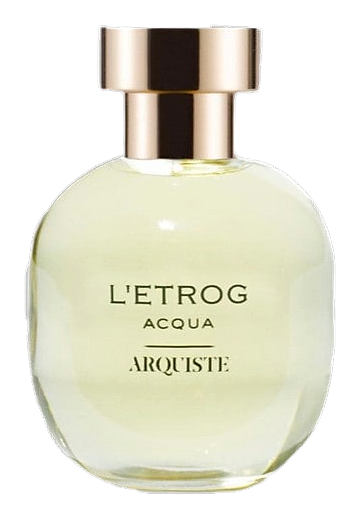
Fragrances featuring Pistachio tree resin


Brands
Brands known for Pistachio tree resin
Good to know
Questions, answered
The essentials on Pistachio tree resin in perfumery: how it smells, where it comes from, and how it behaves on skin.
What does pistachio tree resin smell like?
Pistachio tree resin carries a warm, aromatic character that blends green and woody qualities with subtle creamy depth. It provides a resinous base that feels both natural and slightly sweet.
Is pistachio tree resin the same as mastic resin?
Mastic resin specifically comes from Pistacia lentiscus, cultivated on the Greek island of Chios. Pistachio tree resin can also derive from Pistacia atlantica, a related species found across the Middle East.
How is pistachio tree resin harvested?
Harvesters cut shallow incisions into tree bark in late summer. The resin slowly exudes, solidifies into pale tears within hours, and is collected by hand over several weeks per tree.
Is pistachio tree resin used in mainstream perfumery?
It appears more often in artisan and niche fragrances than in mass-market scents. Its warm, aromatic profile suits woody, Oriental, and aromatic compositions.
Can synthetic alternatives replace pistachio tree resin?
No direct synthetic equivalent captures the full complexity of natural resin. Reconstructed aroma molecules may simulate portions of its character but lack the natural variation.
What fragrance families pair well with pistachio tree resin?
It combines naturally with woody notes such as cedar and sandalwood, Oriental ingredients like vanilla and benzoin, and aromatic herbs including sage and lavender.
Does pistachio tree resin have a long shelf life?
Resins are naturally preservative and stable. Properly stored, raw mastic tears can remain fragrant for years without degradation.
Where does pistachio tree resin originate?
True mastic resin originates from the Greek island of Chios, where it has been produced for over 2,000 years. Related Pistacia species grow across Syria, Turkey, and Iran.