Chamomile Tea
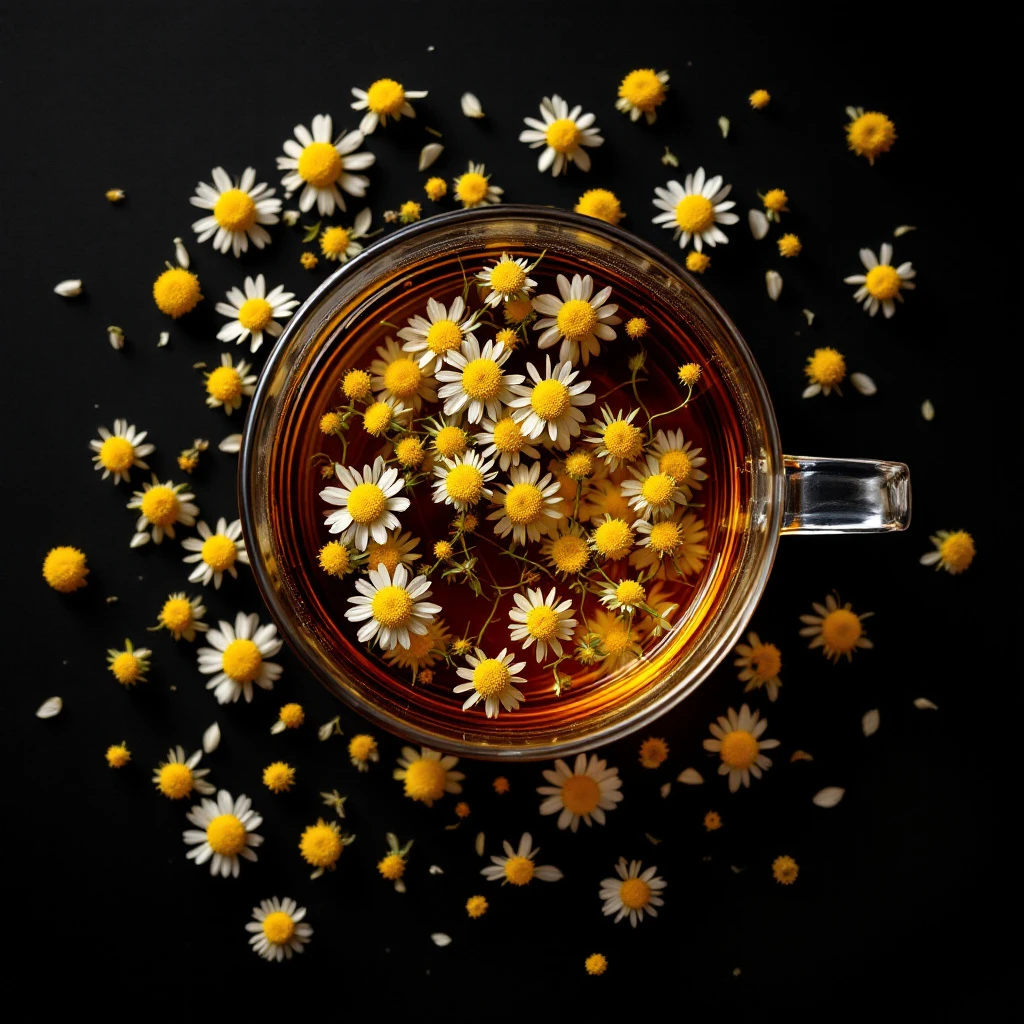
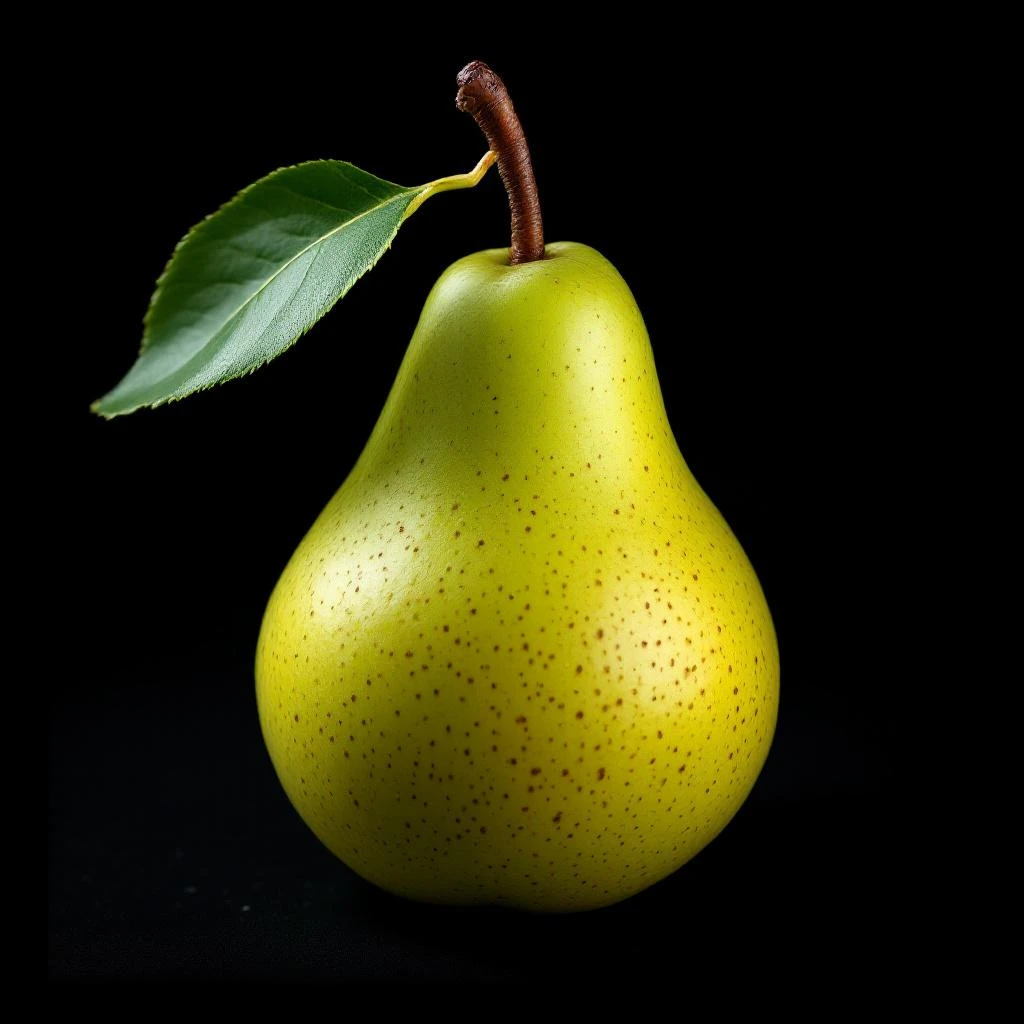
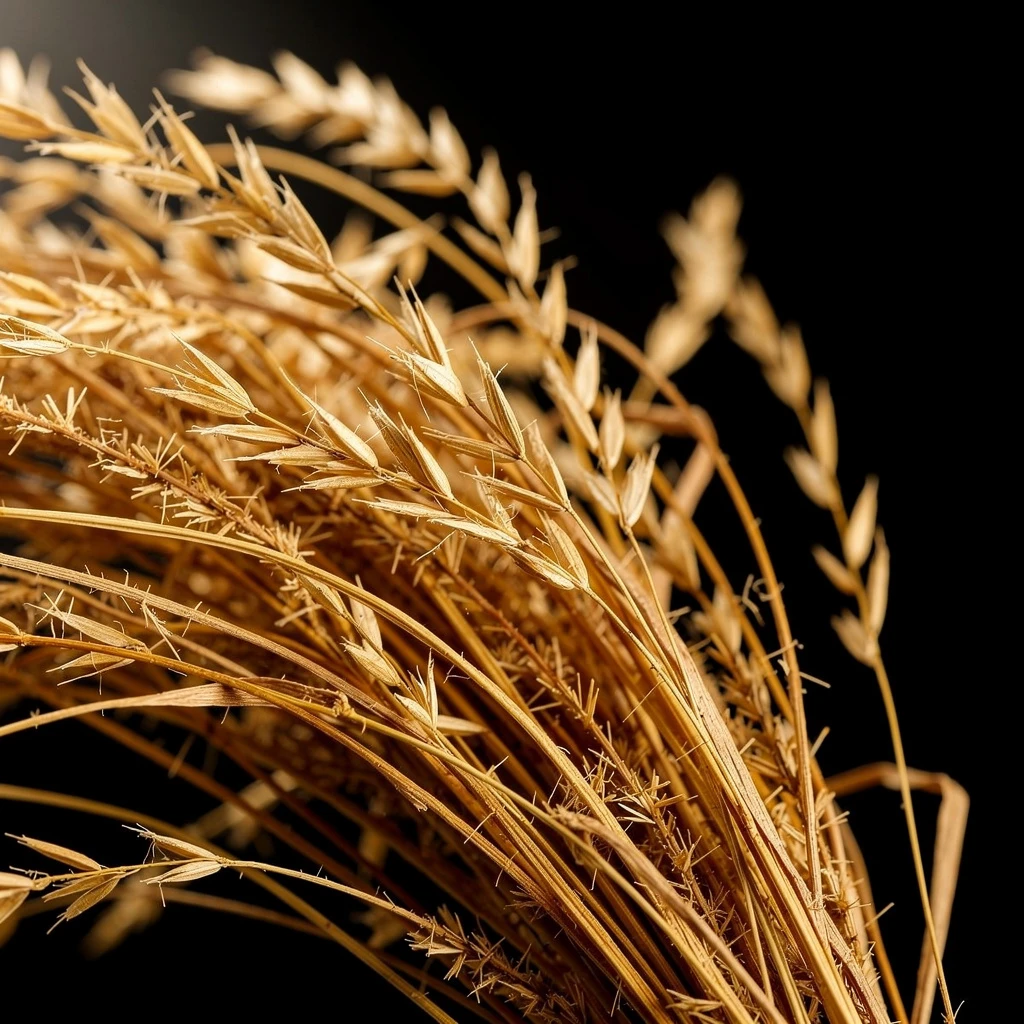
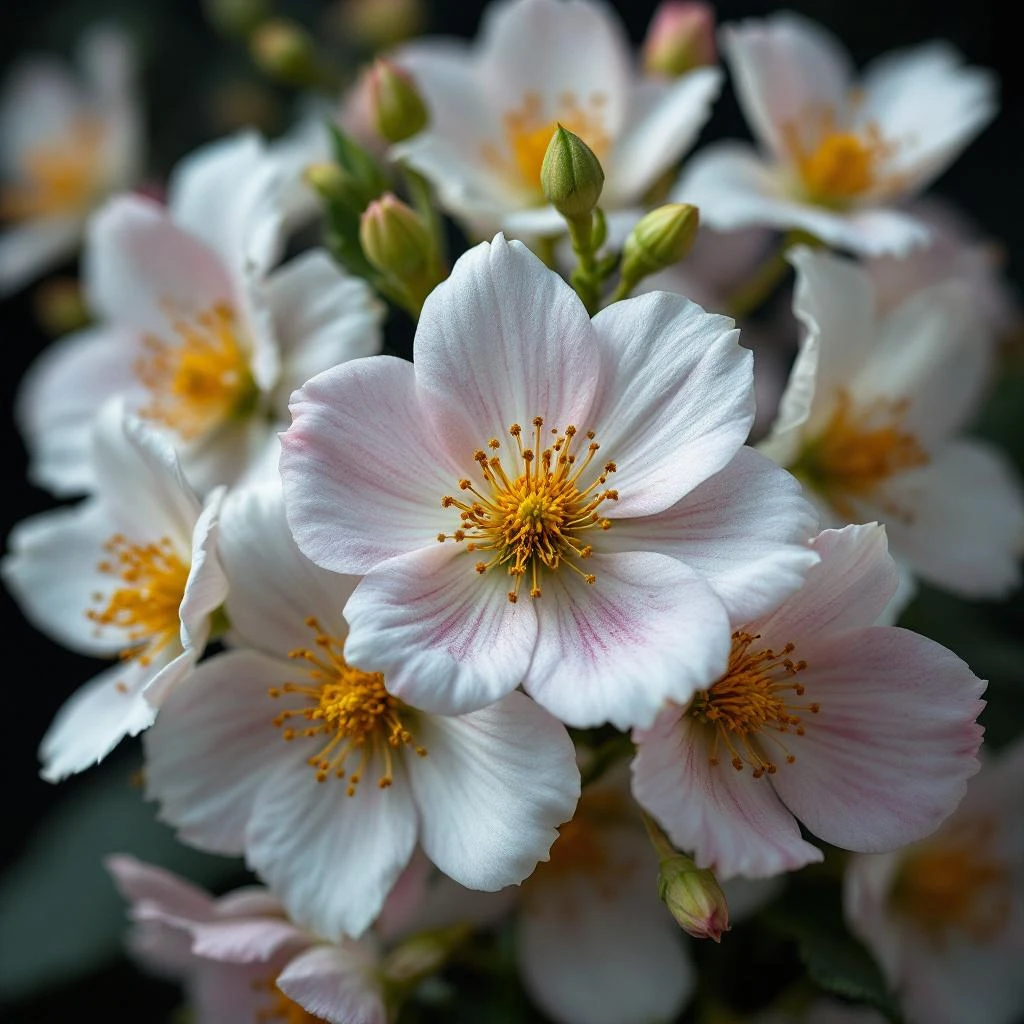
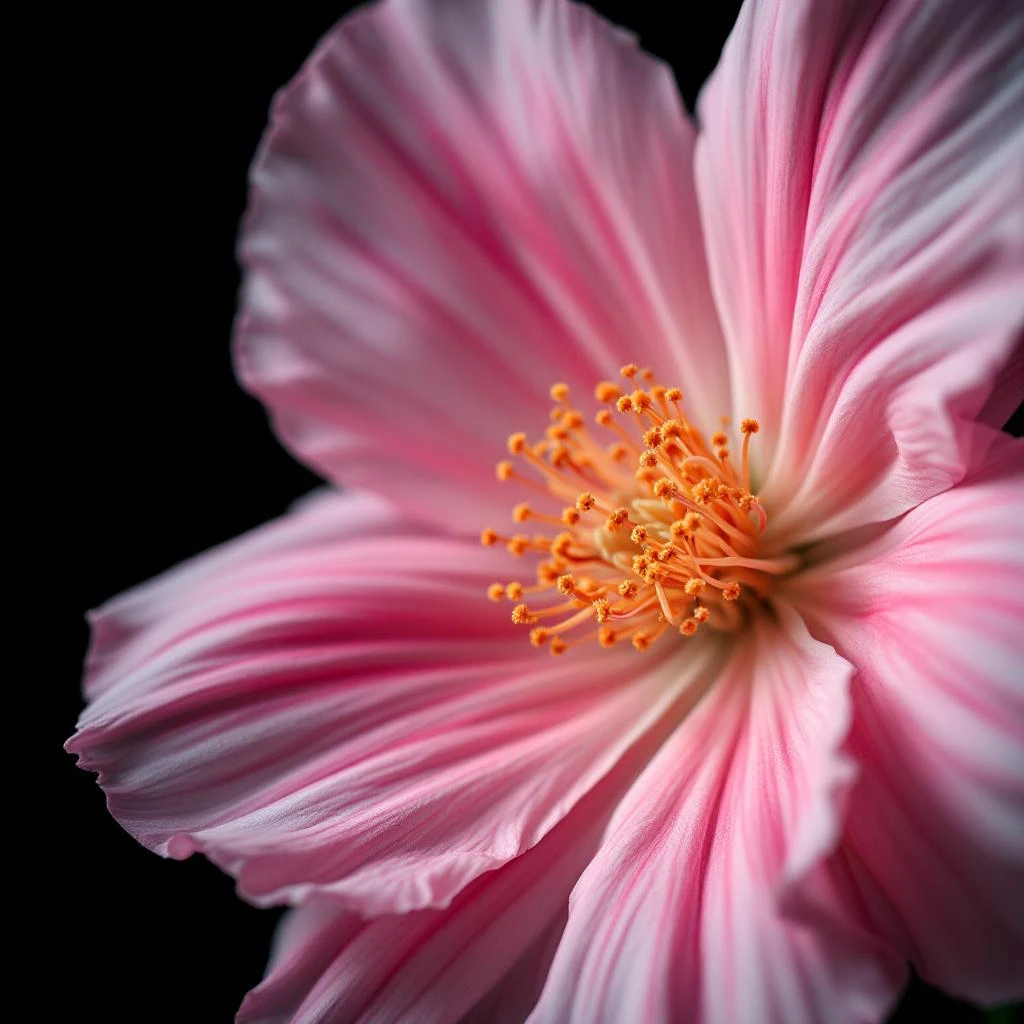
A calming herbal infusion that translates beautifully into fragrance. Chamomile tea note captures the gentle apple, hay, and honeyed warmth of the flower steeped in water—a soft, grounding anchor in perfume composition.
Character
How it smells
Comfort distilled from flower to fragrance.
Chamomile served ancient Egyptians, Greeks, and Romans as medicine, cosmetics, and flavouring from 1550 BC onward.




Origin
Egypt
Chamomile has accompanied human civilisation for millennia. Ancient Egyptians applied it in cosmetics and used it as a flavouring agent as early as 1550 BC, recognising both its soothing properties and its distinctive scent. Greek physicians including Dioscorides documented chamomile in their materia medica, recommending it for digestive complaints and inflammatory conditions.
The Romans adopted it widely, incorporating chamomile into baths, medicines, and scented preparations. By the medieval period, Europeans had established chamomile in monastic gardens for therapeutic use. The plant's transition into perfumery came gradually, as distillers recognised that the same compounds responsible for its traditional uses created an appealing warm, herbal character in fragrant compositions.
Today, chamomile absolute and essential oil remain relatively uncommon but highly valued materials in fine fragrance, prized for their ability to add soft, natural warmth to complex blends.
Wears it best
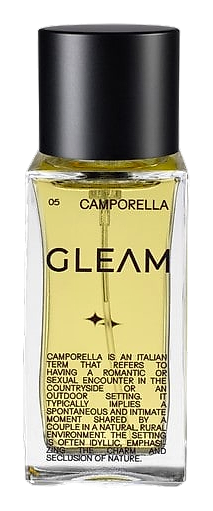
Fragrances featuring Chamomile Tea
Brands
Brands known for Chamomile Tea
Good to know
Questions, answered
The essentials on Chamomile Tea in perfumery: how it smells, where it comes from, and how it behaves on skin.
What does chamomile smell like in perfume?
Chamomile in fragrance smells like the flower, not the tea leaf. The scent combines gentle apple, warm hay, subtle honey, and herbal undertones. Terroir influences the balance: some extractions lean more fruity and sweet, others more herbal and medicinal. The effect is soft, rounded, and calming rather than sharp or green.
Which types of chamomile do perfumers use?
Roman chamomile and German chamomile are the two varieties in perfumery. Roman chamomile (Chamaemelum nobile) delivers a sweet, delicately spicy, apple-like character and appears more frequently in fine fragrances. German chamomile (Matricaria chamomilla) carries deeper herbal and medicinal facets. Both are steam distilled or solvent extracted for use in perfume composition.
How is chamomile oil produced for fragrance?
Producers harvest chamomile flowers by hand at peak bloom, then dry the flower heads. Steam distillation yields essential oil, while solvent extraction produces an absolute. Some oil extractions develop a deep blue colour from chamazulene, a compound formed during processing. The method affects the final aromatic profile available to perfumers.
What role does chamomile play in fragrance formulas?
Chamomile functions as a bridging note, connecting fresh or citrus top notes with warmer base materials like woods and musks. It adds natural softness and depth without dominating a composition. The note works especially well in clean, fresh, and spa-oriented fragrance concepts where a gentle herbal quality reinforces the overall mood.
What pairs well with chamomile in fragrance?
Chamomile blends naturally with materials that share its soft, warm character. Honey, lavender, vanilla, and light musks create comforting, rounded effects. Green tea, citrus, and mint introduce freshness that complements chamomile's herbal quality. In more complex compositions, chamomile pairs with woods and amber for depth.
Is chamomile used in perfumery natural or synthetic?
Both natural and synthetic options exist. Natural chamomile absolute and essential oil come from Roman or German chamomile flowers through distillation or extraction. Reconstructed chamomile fragrance materials combine isolated aroma chemicals to mimic chamomile's profile. Natural materials remain relatively uncommon in mainstream perfumery due to cost and sourcing variability.
How does chamomile tea differ from chamomile in perfume?
Chamomile tea refers to the infusion of chamomile flowers in hot water, which releases aromatic compounds through steeping. In perfumery, chamomile note captures those same apple, hay, and herbal characteristics through extracted oil or absolute. The tea-inspired accord recreates the sensory impression of a warm cup rather than literal tea, which comes from Camellia sinensis.
What are the main chemical components of chamomile oil?
Bisabolol and chamazulene are the most significant aromatic compounds in chamomile oil. Bisabolol contributes warm, woody, and floral nuances. Chamazulene, responsible for deep blue colour in some extracts, adds herbal and slightly medicinal character. The exact ratio of these compounds varies by species, origin, and extraction method.