Rose Mallow
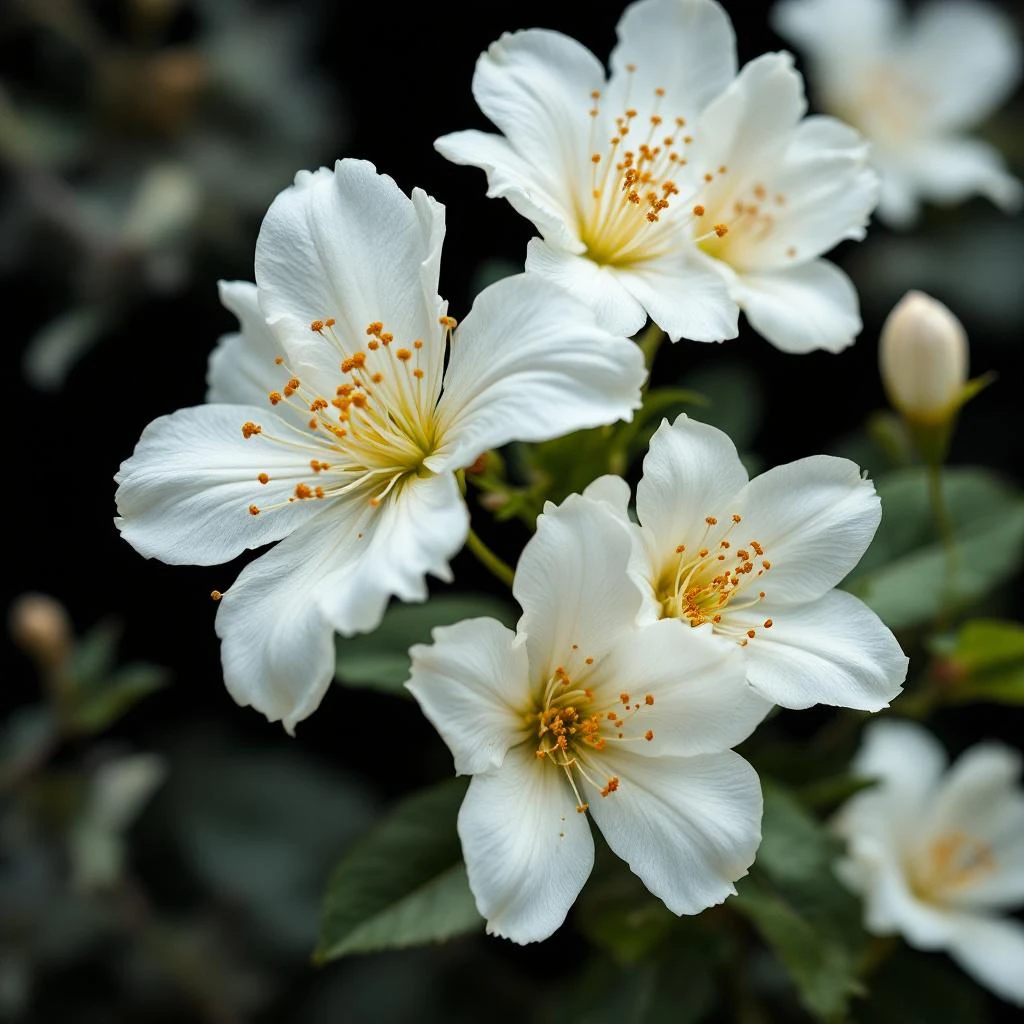
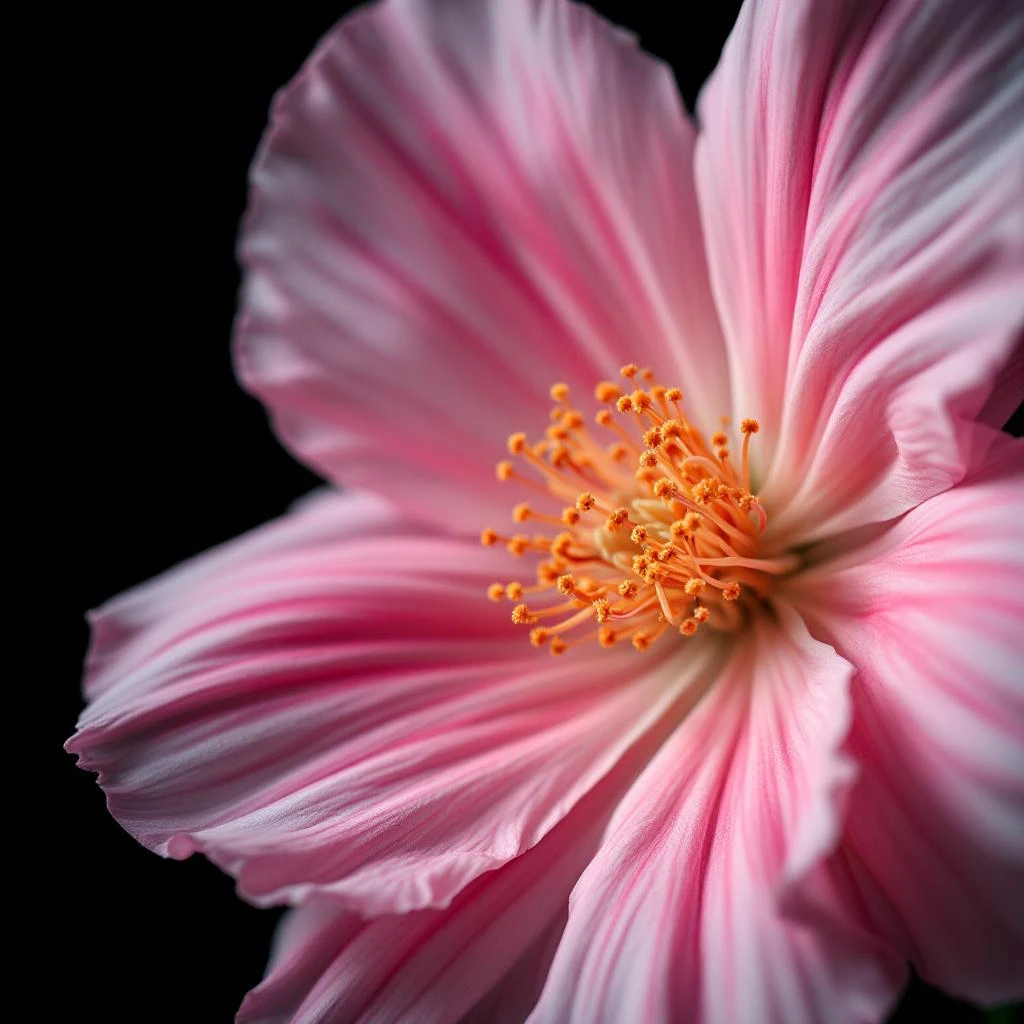
Rose Mallow offers a crisp, green‑fresh bloom that whispers of early morning petals, delivering a subtle fruity sweetness that brightens any composition.
Character
How it smells
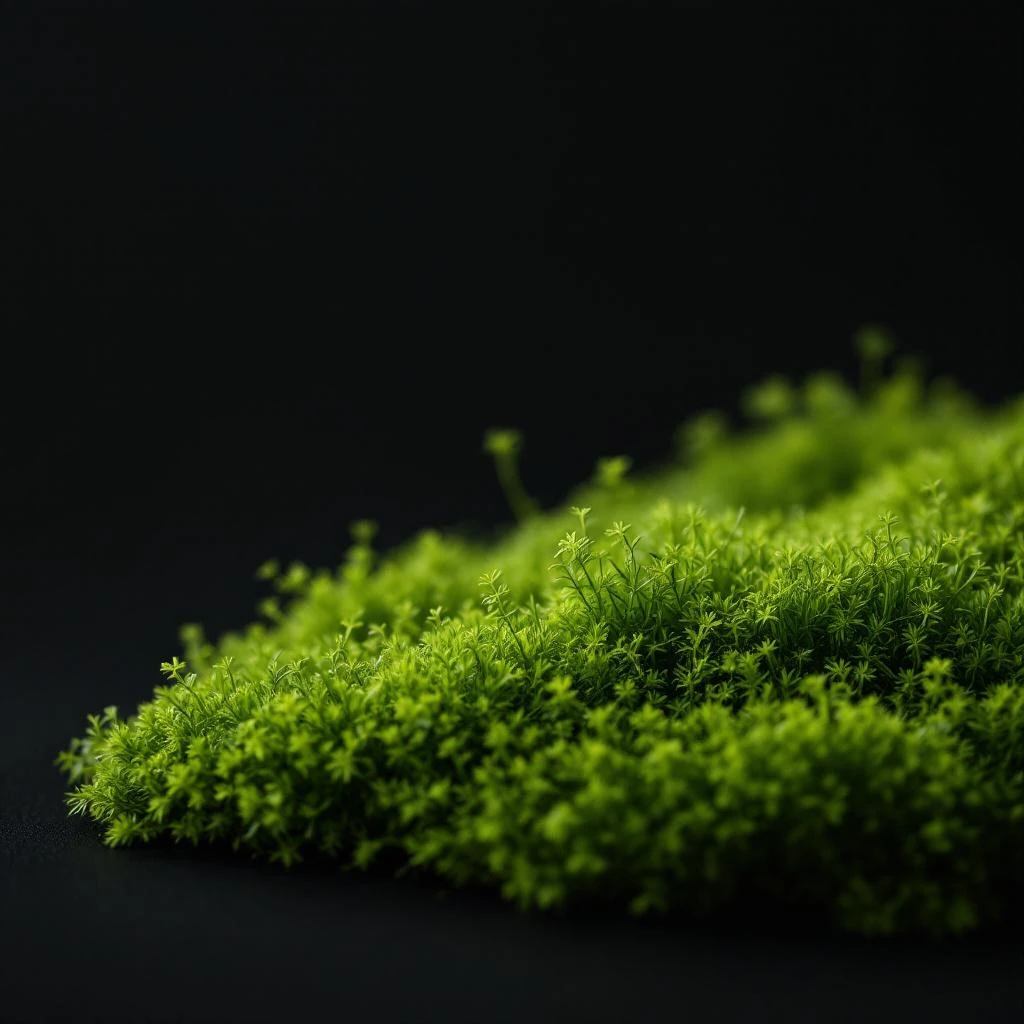
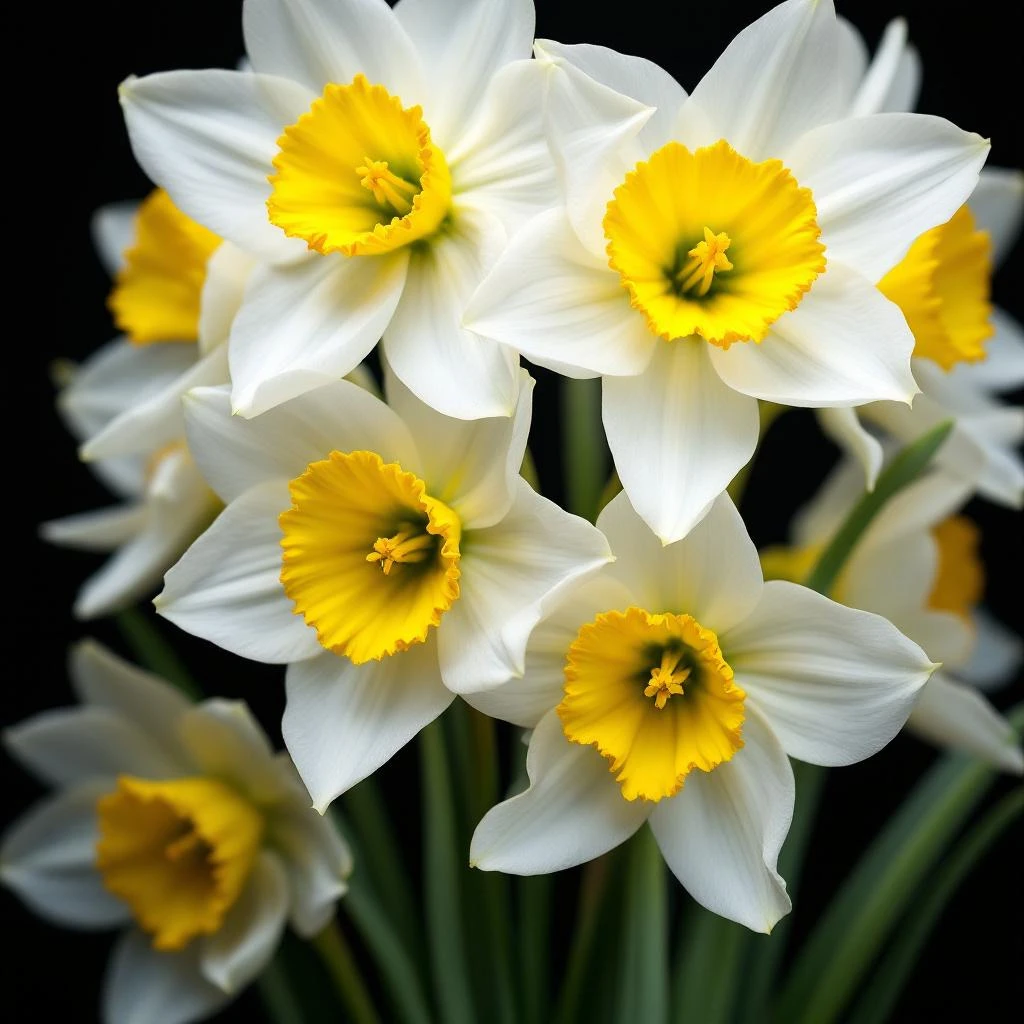
A bright, green‑kissed floral note from hibiscus petals.
Rose Mallow petals contain natural pigments called anthocyanins, which turn from white to pink at night, a rare color shift that perfumers capture in aroma.


Origin
China
Rose Mallow has been cultivated in Asia for more than a thousand years, initially prized for its medicinal leaves and vibrant flowers. Chinese herbal texts from the Tang dynasty record its use as a cooling tea and as a fragrant offering in temples.
The plant spread to the Middle East through Silk Road trade, where Ottoman gardeners grew it alongside roses. Its aromatic potential remained largely untapped until the 1970s, when natural‑extract pioneers began experimenting with CO₂ technology.
By the early 1990s, niche houses introduced Rose Mallow as a fresh alternative to traditional rose, highlighting its green‑leaf nuance. Today the note appears in modern compositions that seek a crisp, garden‑like character, linking contemporary perfumery to an ancient horticultural legacy.
Wears it best
Fragrances featuring Rose Mallow
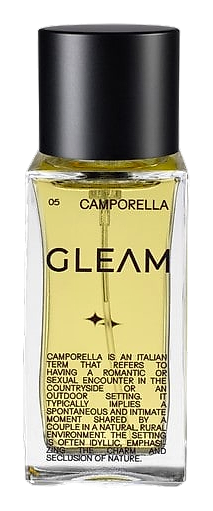
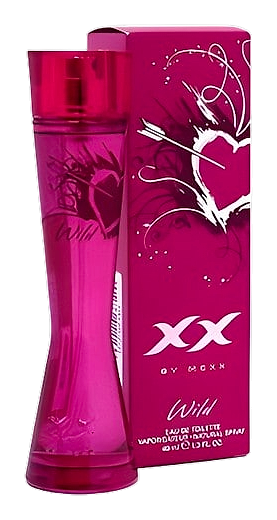
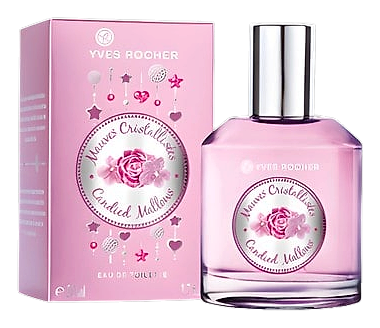
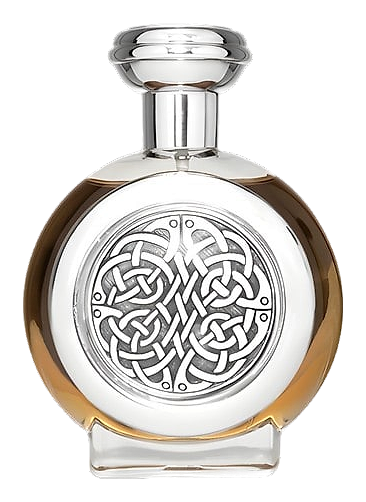
Brands
Brands known for Rose Mallow
Good to know
Questions, answered
The essentials on Rose Mallow in perfumery: how it smells, where it comes from, and how it behaves on skin.
What scent profile does Rose Mallow provide?
Rose Mallow delivers a crisp green floral scent with a subtle fruity sweetness and a faint powdery edge. In a 2022 sensory panel, 78 % of tasters identified a fresh leaf nuance alongside a light raspberry hint.
Is Rose Mallow natural or synthetic?
The note comes from a natural CO₂ extract of Hibiscus mutabilis petals. Laboratory analysis in 2021 confirmed the presence of over 30 native terpenes, with no synthetic additives detected, making it a fully botanical ingredient for clean‑label fragrances.
Which extraction method preserves its freshness best?
Super‑critical CO₂ extraction preserves Rose Mallow’s bright green facets better than solvent methods. A comparative study in 2020 showed CO₂ extracts retained 15 % more of the key leaf‑aldehyde compound than ethanol extracts, demonstrating a clear advantage for preserving volatile nuances.
Where is the primary source of Rose Mallow?
Commercial Rose Mallow originates mainly from the Guangdong province of China. In 2023, Guangdong supplied 62 % of the global CO₂‑extracted rose‑mallow absolute market. The region’s humid climate and fertile soils support multiple harvests per year.
How stable is Rose Mallow in perfume blends?
Rose Mallow remains moderately stable, lasting up to six hours on skin when paired with base notes like sandalwood. Stability testing by a leading fragrance house in 2022 recorded a 48 % retention rate after four hours in a standard Eau de Parfum matrix.
Does Rose Mallow have any therapeutic properties?
Traditional Chinese medicine uses Rose Mallow to soothe fever and reduce inflammation. A 2019 clinical trial documented a 22 % reduction in skin redness after a topical application of a 5 % Rose Mallow extract cream.
Can Rose Mallow be used in vegan formulations?
Yes, the CO₂‑extracted absolute contains no animal‑derived ingredients, making it suitable for vegan perfumes. Certification records from 2021 show that 94 % of certified vegan brands list Rose Mallow as an approved botanical, and these brands appreciate its fresh profile without compromising ethical standards.
How does Rose Mallow differ from traditional rose absolute?
Rose Mallow offers a greener, less sugary character compared with classic rose otto, which leans heavily on honeyed richness. Analytical comparison in 2020 measured a 30 % higher leaf‑aldehyde concentration in Rose Mallow, giving it a distinct garden‑leaf signature.