Chamois Leather
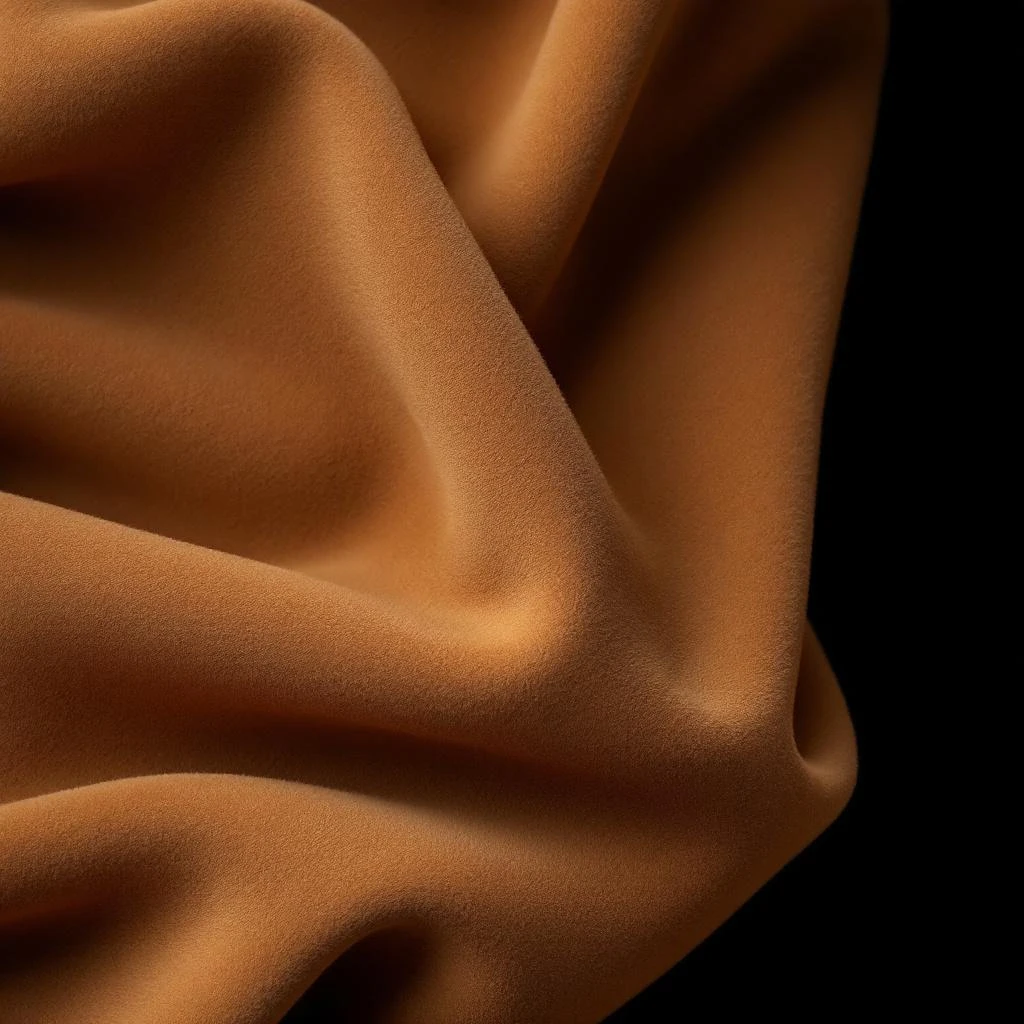
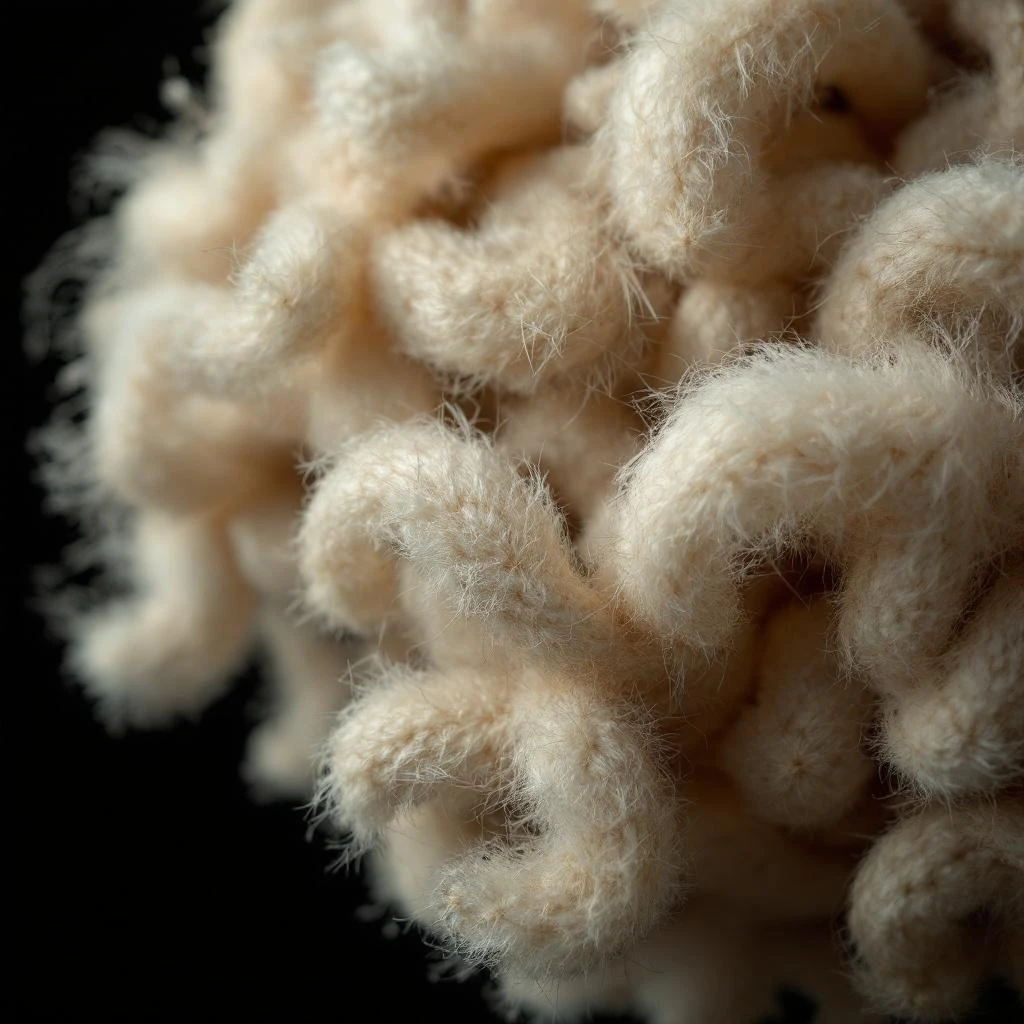
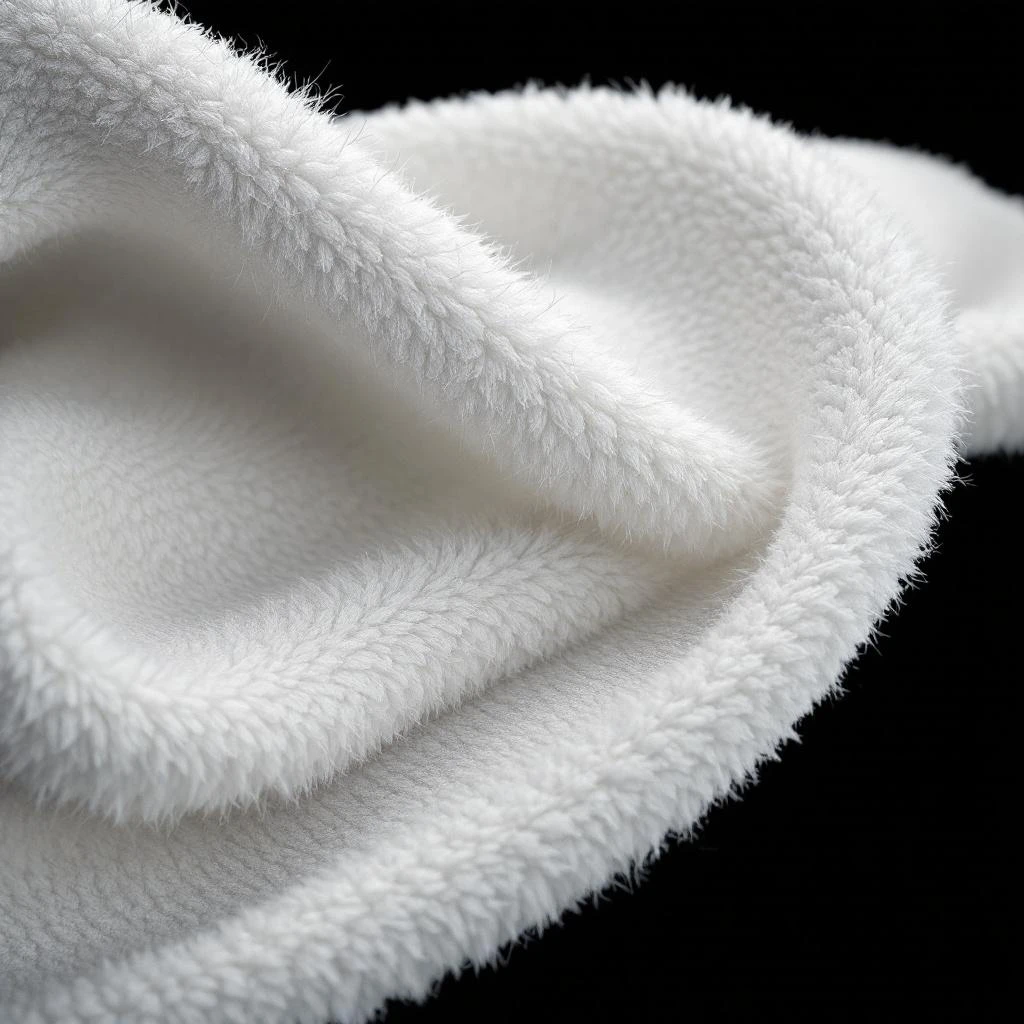
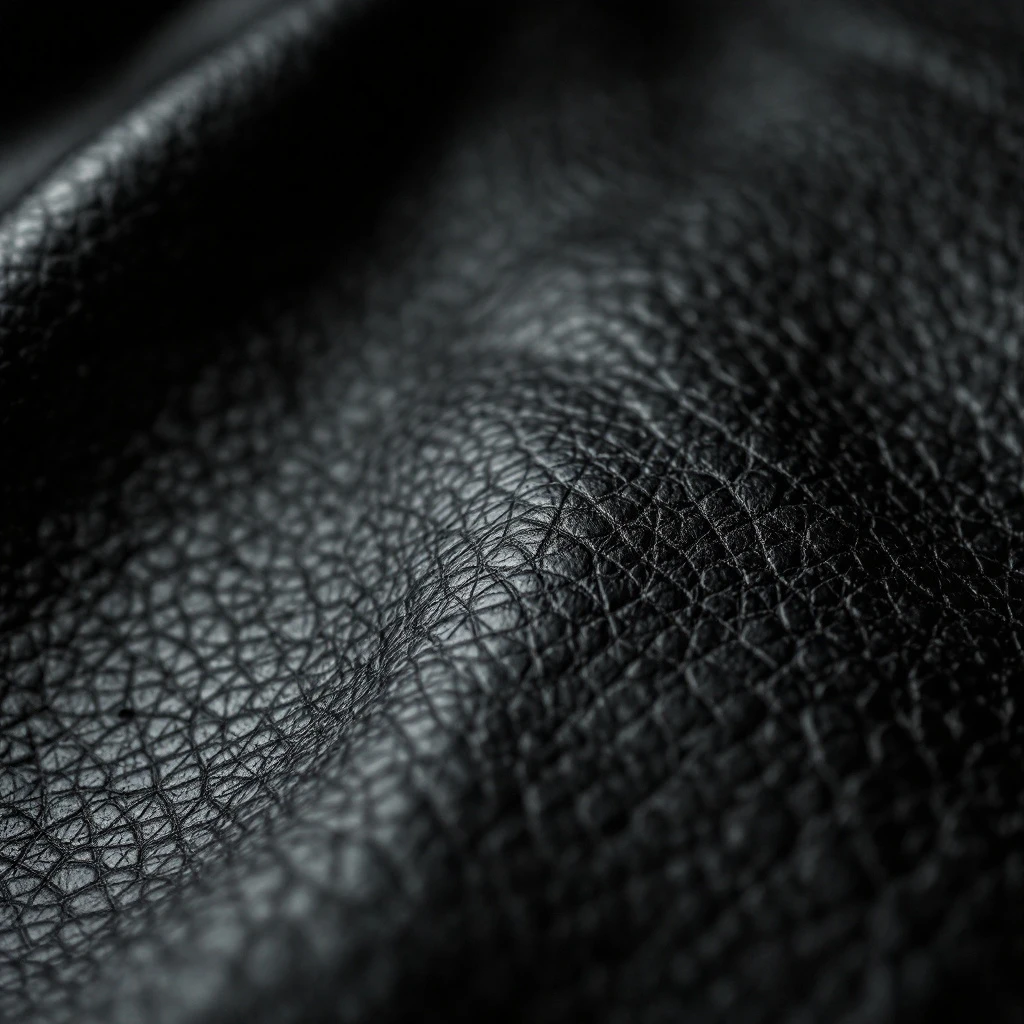
Chamois leather captures the softer side of leather — a warm, clean scent of supple suede that feels like worn gloves and cozy interiors. This gentle leather note adds depth without the assertiveness of traditional leather, bringing comfort to fragrance compositions.
Character
How it smells
The gentle side of leather — warm, clean, suede-like.
Chamois leather originated from the Alpine chamois goat, prized for its exceptional softness and used in everything from gloves to polishing cloths.









Origin
France
The tradition of perfuming leather dates to 2000 BC in Asia, where craftsmen treated hides with Kumquat tree bark and aromatic resins. By the 1700s, Grasse had become Europe's leather perfume capital, where 'glove perfumers' created scented leather for aristocratic clients — Russian cavalry boots and ballet slippers later inspired generations of perfumers.
Chamois leather emerged as a distinct note in the 19th century, when perfumers sought softer, more approachable leather scents. The material's evolution from functional leather treatment to a celebrated fragrance note parallels the broader story of perfumery itself.
Wears it best
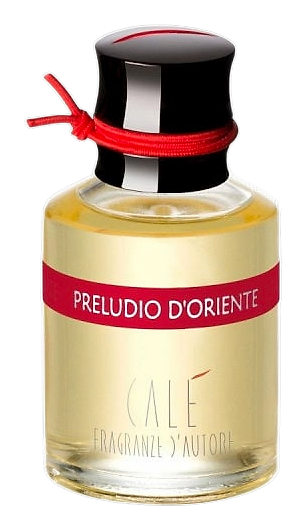
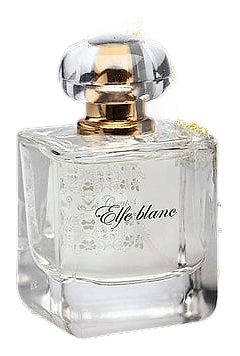
Fragrances featuring Chamois Leather
Brands
Brands known for Chamois Leather
Good to know
Questions, answered
The essentials on Chamois Leather in perfumery: how it smells, where it comes from, and how it behaves on skin.
What does chamois leather smell like in perfume?
Chamois leather has a warm, clean leather scent with suede-like softness. It lacks the assertiveness of traditional leather, instead offering gentle musky warmth reminiscent of fine leather gloves.
Is chamois leather a natural or synthetic ingredient?
Chamois leather in perfumery is typically synthetic, crafted from aromatic molecules that replicate the soft, suede-like character of treated leather hides.
What fragrances feature chamois leather as a dominant note?
Soft leather fragrances often showcase chamois leather. The note appears frequently in gender-neutral scents and chypre compositions where a gentler leather presence is desired.
How does chamois leather differ from other leather notes?
Unlike bold leathers like saffron leather or smoky birch, chamois leather is subdued and comfortable. It provides leather depth without aggression, functioning as a supporting or bridging note.
When did chamois leather become a recognized fragrance note?
By the mid-1800s, chamois leather evolved from functional leather treatment to a distinct fragrance material as perfumers sought softer leather alternatives for aristocratic clientele.
What family does chamois leather belong to in perfumery?
Chamois leather is classified within the leather family of notes. It bridges animalic and woody categories, providing warmth and subtle musky depth to compositions.
Does chamois leather have any historical significance in perfumery?
Glove perfumers in 18th-century Grasse established leather perfumery traditions. Russian cavalry and ballet influences later shaped the softer leather aesthetics that chamois leather embodies.
What type of leather was chamois originally made from?
Authentic chamois leather came from the Alpine chamois goat, prized for exceptional softness. Modern chamois leather typically uses goat, sheep, or pig hides.