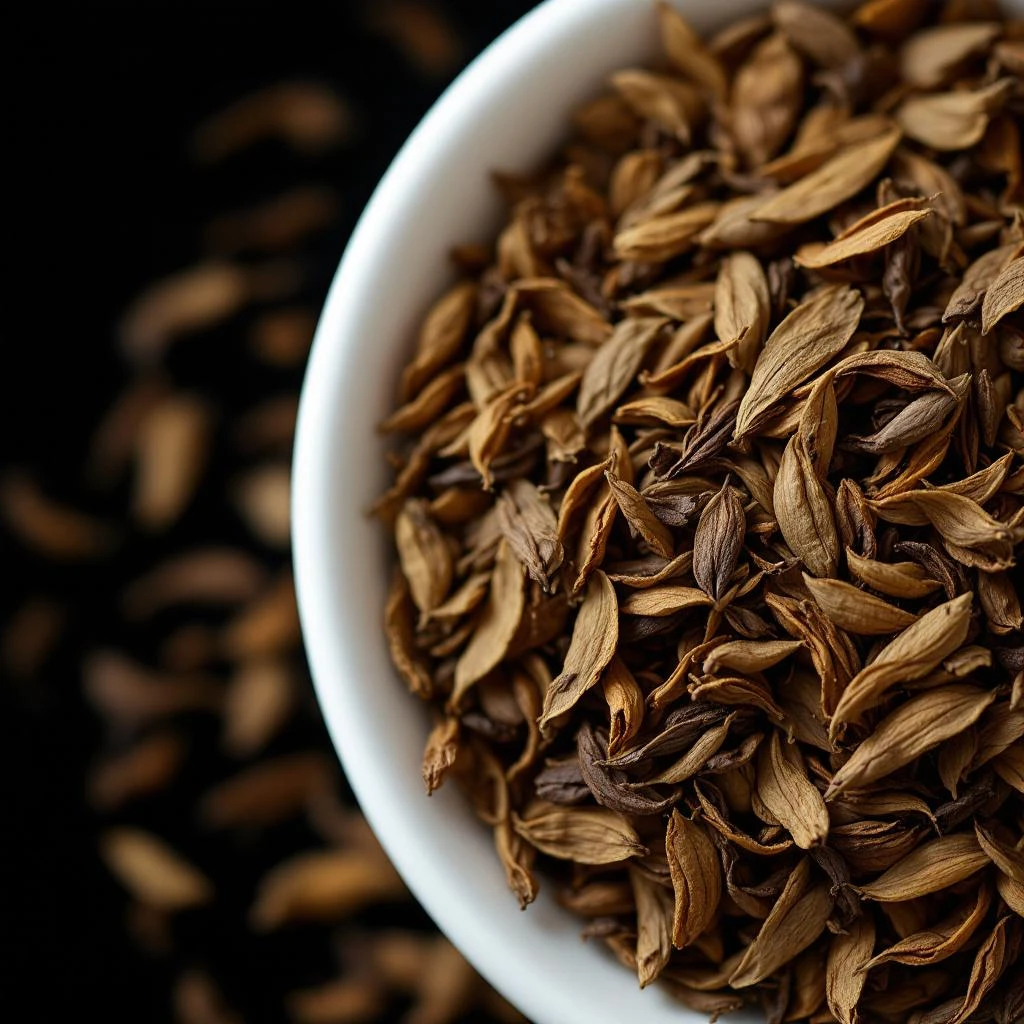
Carrot Leaf
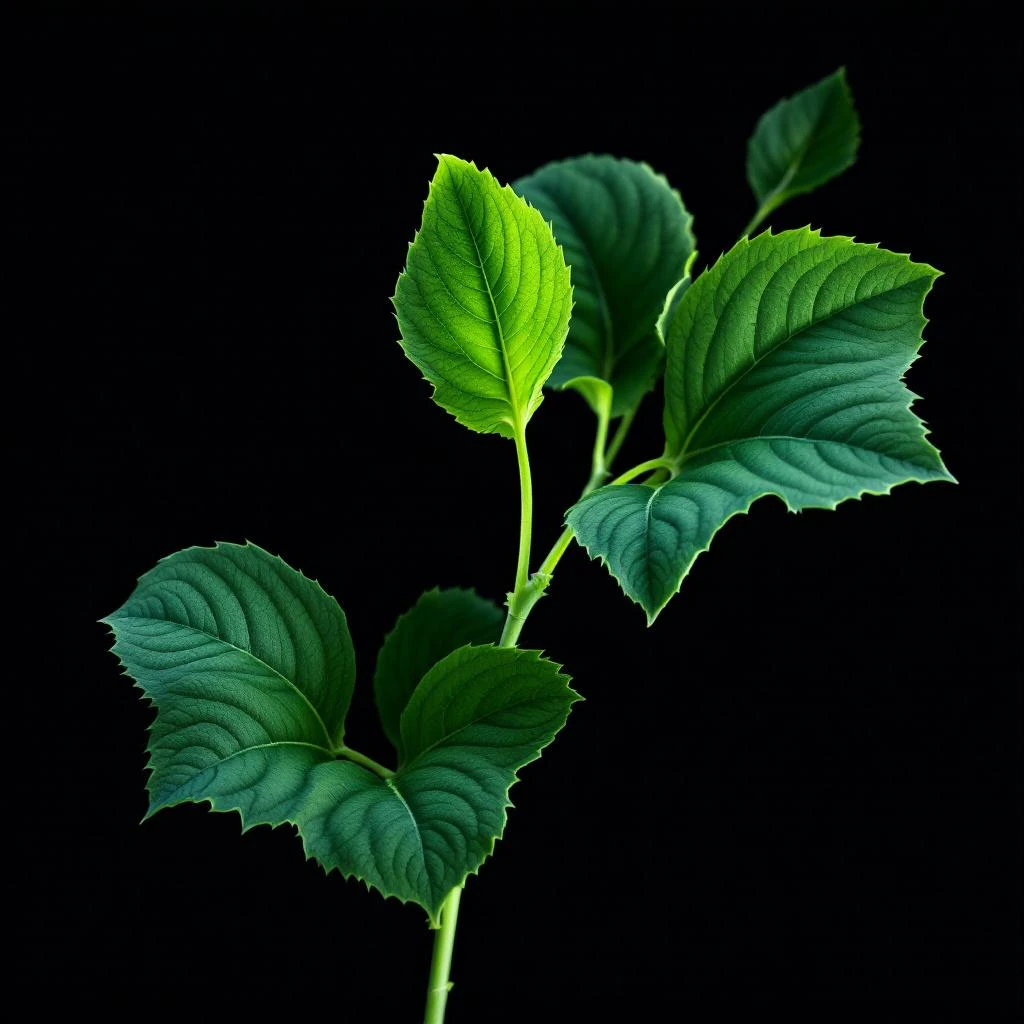
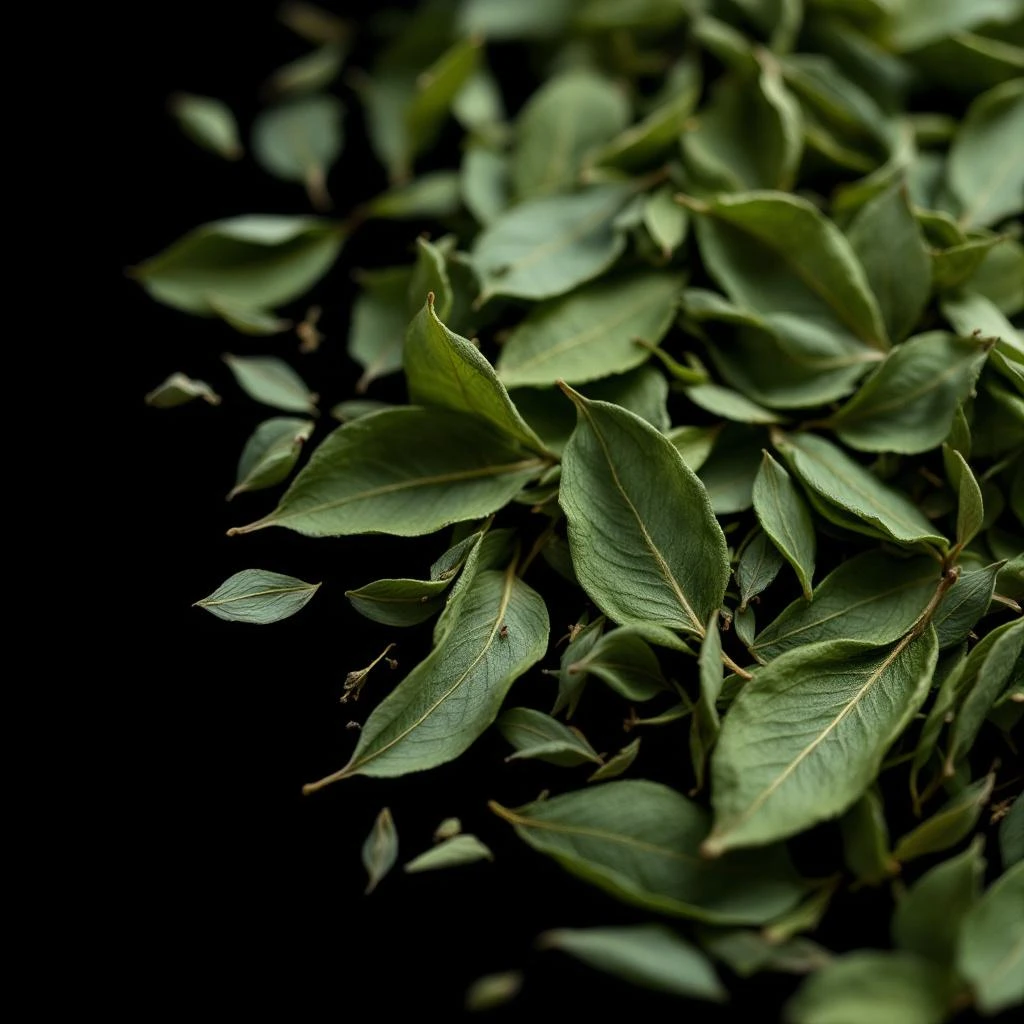
Fresh green carrot leaf captures the verdant, slightly bitter essence of just-picked carrot tops, lending perfumes a natural, garden-fresh character with subtle vegetal undertones.
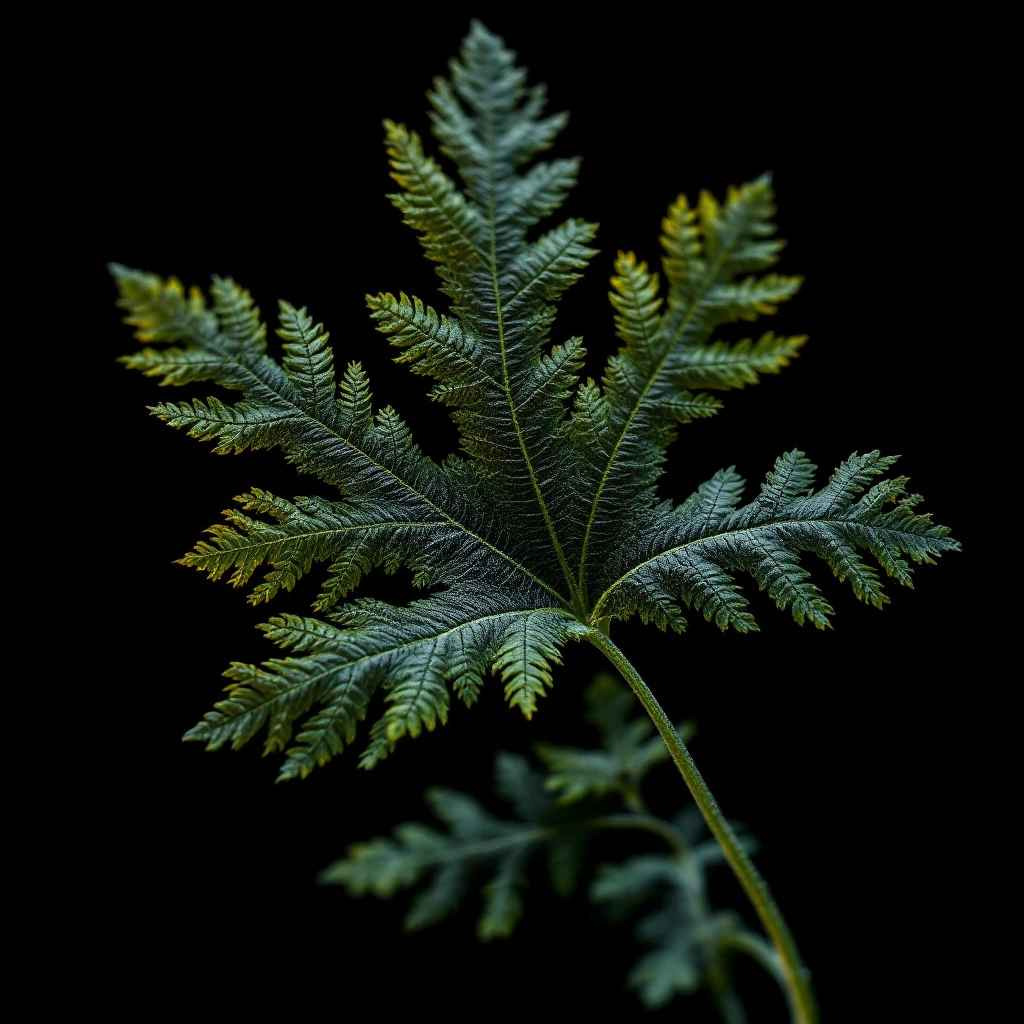
Character
How it smells
The fresh, green whisper of the carrot patch.
Carrot leaf absolute comes from a byproduct of carrot farming that would otherwise go to waste, turning agricultural scraps into liquid gold for perfumers.



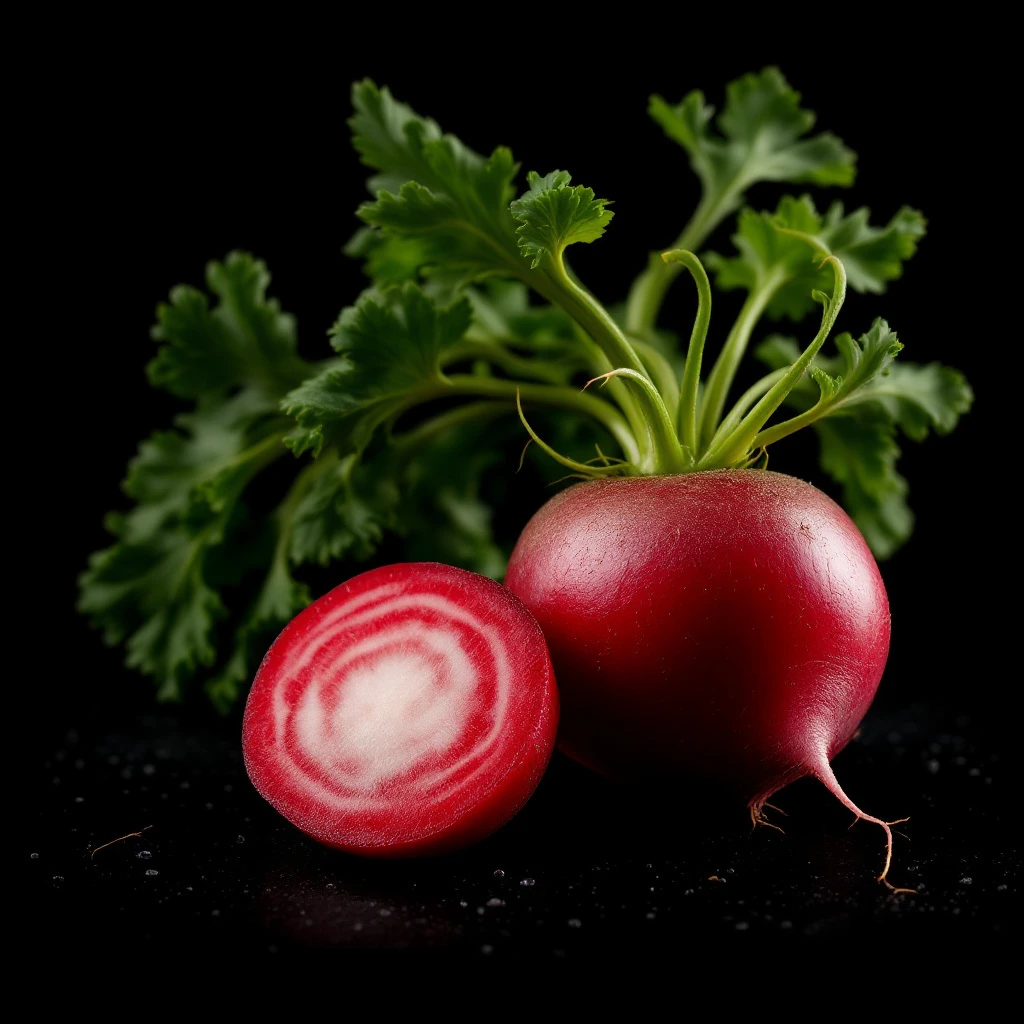

Origin
France
While carrot roots have been cultivated since antiquity, perfumers only began seriously exploring carrot leaf in the late twentieth century as part of a broader movement toward unusual botanical extractions. The shift reflected growing interest in 'whole plant' olfaction and the recognition that undervalued plant parts often hold unexpected aromatic potential. Before this discovery, carrot was represented almost exclusively by carrot seed oil, an entirely different material with warm, dry, slightly woody characteristics.
The introduction of carrot leaf accords allowed perfumers to build more convincing vegetable garden narratives, capturing the crisp, green freshness of the plant rather than just its earthy seeds. Today, carrot leaf remains a specialty ingredient found primarily in artisan and niche fragrances that celebrate botanical authenticity.
Wears it best
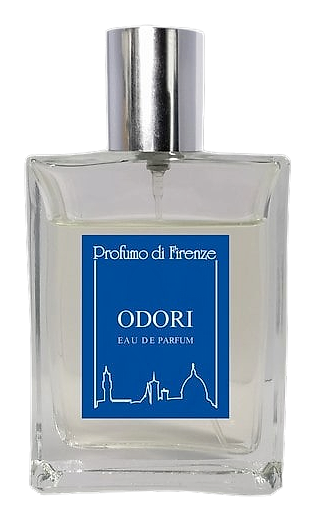
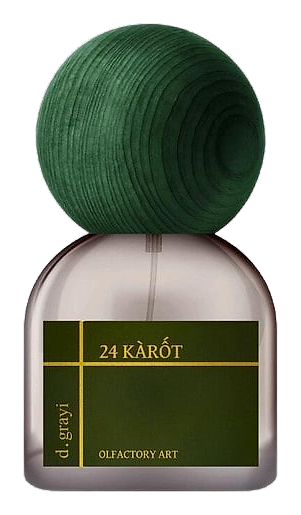
Fragrances featuring Carrot Leaf
Brands
Brands known for Carrot Leaf
Good to know
Questions, answered
The essentials on Carrot Leaf in perfumery: how it smells, where it comes from, and how it behaves on skin.
What does carrot leaf smell like in perfume?
Carrot leaf adds a crisp, fresh-green scent reminiscent of just-crushed garden herbs. It carries subtle bitter undertones and a natural vegetal quality that evokes morning dew on vegetable gardens, distinct from the sweeter root or warm seed notes.
Is carrot leaf the same as carrot seed in perfumery?
No, these are distinct materials from the same plant. Carrot leaf offers fresh, green, slightly bitter aromatics, while carrot seed provides warm, dry, woody, slightly sweet notes. Both appear in perfumery but serve different olfactory purposes and often complement each other.
How much carrot leaf is used in fragrance formulations?
Carrot leaf functions as a specialty modifier used at low concentrations, typically 0.1% to 2% in fragrance concentrates. Its potent green character means even small amounts deliver noticeable vegetal freshness without overwhelming other notes.
What fragrance families use carrot leaf?
Carrot leaf appears mainly in green, aromatic, and fougère compositions. It works particularly well in perfumes featuring garden, chypre, and contemporary fresh fragrance concepts where it adds authentic botanical depth.
Are synthetic alternatives to carrot leaf available?
Yes, several synthetic green aroma chemicals can mimic aspects of carrot leaf's fresh, green character. However, natural carrot leaf extract offers a complexity and subtle bitter nuance that most synthetics struggle to fully replicate.
Where does commercial carrot leaf extract come from?
France leads production of carrot leaf materials, particularly in regions with significant carrot cultivation. The leaves are a byproduct of root harvesting, making their use in perfumery an exercise in botanical upcycling.
What blends well with carrot leaf in perfume?
Carrot leaf pairs naturally with other green materials like galbanum, violet leaf, and grass accord. It also complements herbaceous notes such as basil, rosemary, and thyme, as well as earthy bases like vetiver and oakmoss.
Does carrot leaf have any traditional perfumery history?
Carrot leaf is a relatively modern perfumery ingredient, only gaining prominence in the late twentieth century. Unlike rose or jasmine, it lacks historical use in traditional perfumery, making it a contemporary discovery within the broader exploration of vegetable notes.