Carolina Jasmine
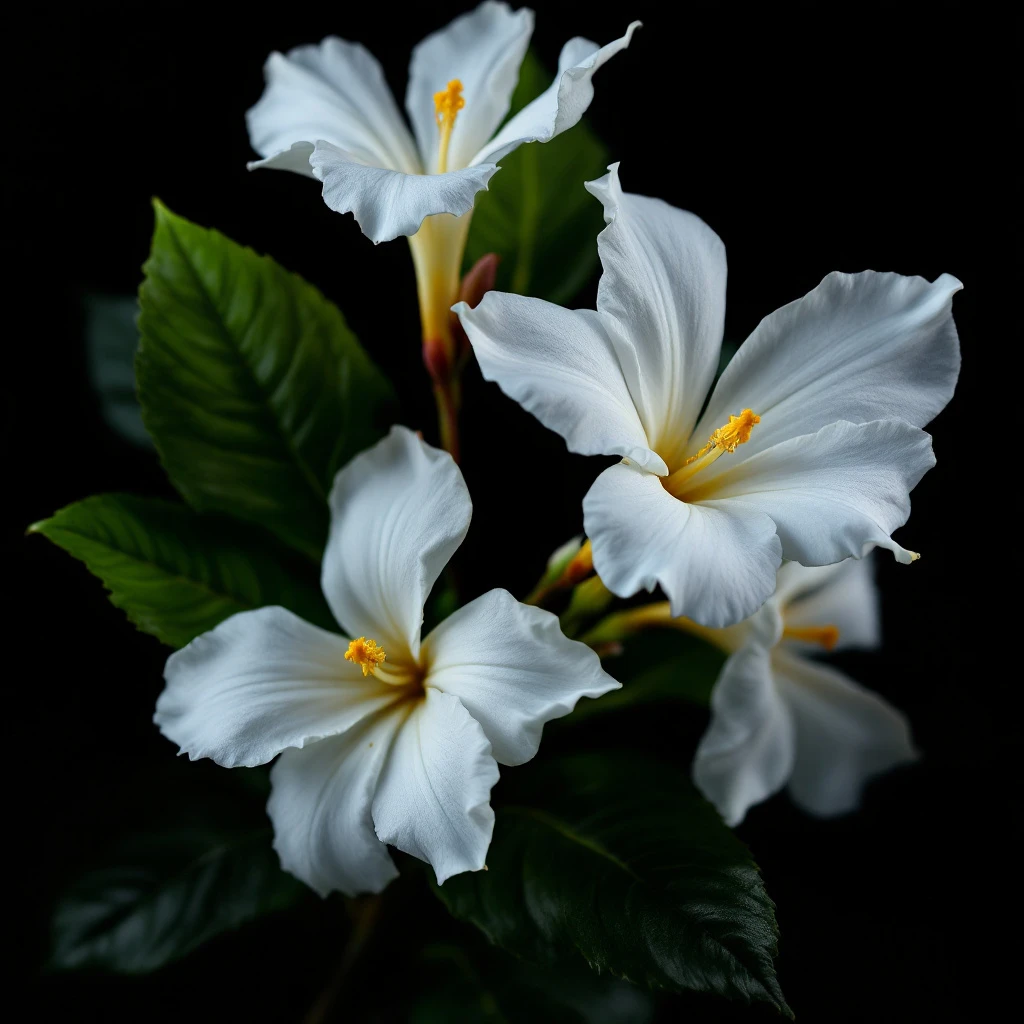
Carolina Jasmine defies its name. Not a true jasmine, this Southern American bloom carries a darker, more complex character. The golden trumpet flowers of Gelsemium sempervirens offer a haunting, indolic sweetness with green undertones that sets it apart from its tropical cousins.
Character
How it smells
The forbidden jasmine of the American South
Despite its name and appearance, Carolina Jasmine is not related to true jasmine. It belongs to the Loganiaceae family, which also contains the powerfully toxic strychnine plant.





Origin
United States
Carolina Jasmine, Gelsemium sempervirens, earned its official status as South Carolina's state flower in 1924. Despite warnings from botanists about its toxicity, the state's legislature chose it for its abundant blooms and cultural significance. Native to the southeastern United States, this evergreen vine covered porches, fences, and forests throughout the region.
The plant played a minimal role in Native American traditional medicine due to its dangers. The discrepancy between its name and botanical classification puzzled early settlers who noticed its resemblance to the jasmine they knew from Europe and Asia. In perfumery, Carolina Jasmine remains a rarity.
Its toxicity and modest olfactory profile never justified large-scale cultivation for fragrance. Instead, it became a touchstone of Southern American botanical identity, celebrated in garden design and folk traditions rather than perfume bottles.
Wears it best
Fragrances featuring Carolina Jasmine
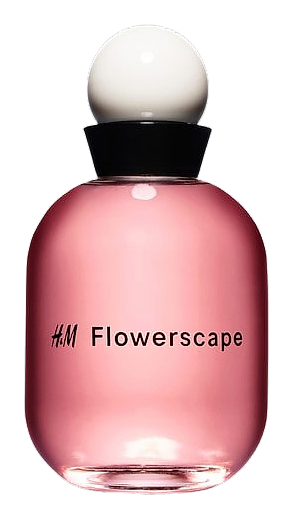
Brands
Brands known for Carolina Jasmine
Good to know
Questions, answered
The essentials on Carolina Jasmine in perfumery: how it smells, where it comes from, and how it behaves on skin.
Is Carolina Jasmine actually a type of jasmine?
No. Despite its name, Carolina Jasmine belongs to the Gelsemium genus, not the Jasminum genus of true jasmine. It shares the name due to visual and aromatic similarities, but botanically they are unrelated.
Why is Carolina Jasmine rarely used in perfumery?
The plant contains potent neurotoxic alkaloids, including gelsemine and gelseminine. These compounds make extraction dangerous and limit safe usage concentrations. Most perfumers avoid the ingredient entirely.
How does Carolina Jasmine differ from true jasmine in scent?
Carolina Jasmine is greener and less voluptuous than Jasminum grandiflorum. It offers honeyed, indolic qualities with distinct green undertones and a slightly bitter finish, lacking the full-bodied richness of true jasmine.
Can Carolina Jasmine grow anywhere besides the Carolinas?
The plant thrives throughout USDA zones 7-9, spanning Virginia south to Florida and west to Texas. It tolerates heat and humidity better than true tropical jasmine species.
When does Carolina Jasmine bloom?
Blooms appear from late winter through early spring, typically February to April. This timing distinguishes it from most jasmine species, which flower in summer or fall.
Why was Carolina Jasmine chosen as South Carolina's state flower?
The legislature designated it in 1924 despite botanical objections about its toxic nature. The plant symbolized the state's natural beauty, growing abundantly along roadsides and gardens throughout the region.
Are there safe synthetic alternatives for Carolina Jasmine in perfumery?
Yes. Perfumers commonly recreate its character using combinations of indole, methyl anthranilate, and green accord materials. These synthetics capture the honeyed, indolic profile without toxic alkaloid concerns.
What does Carolina Jasmine smell like?
The fragrance combines sweet honeyed notes with indolic depth, grounded by green, slightly bitter undertones. The overall impression is haunting rather than bright, offering complexity that differs from tropical jasmine varieties.