Yellow Iris
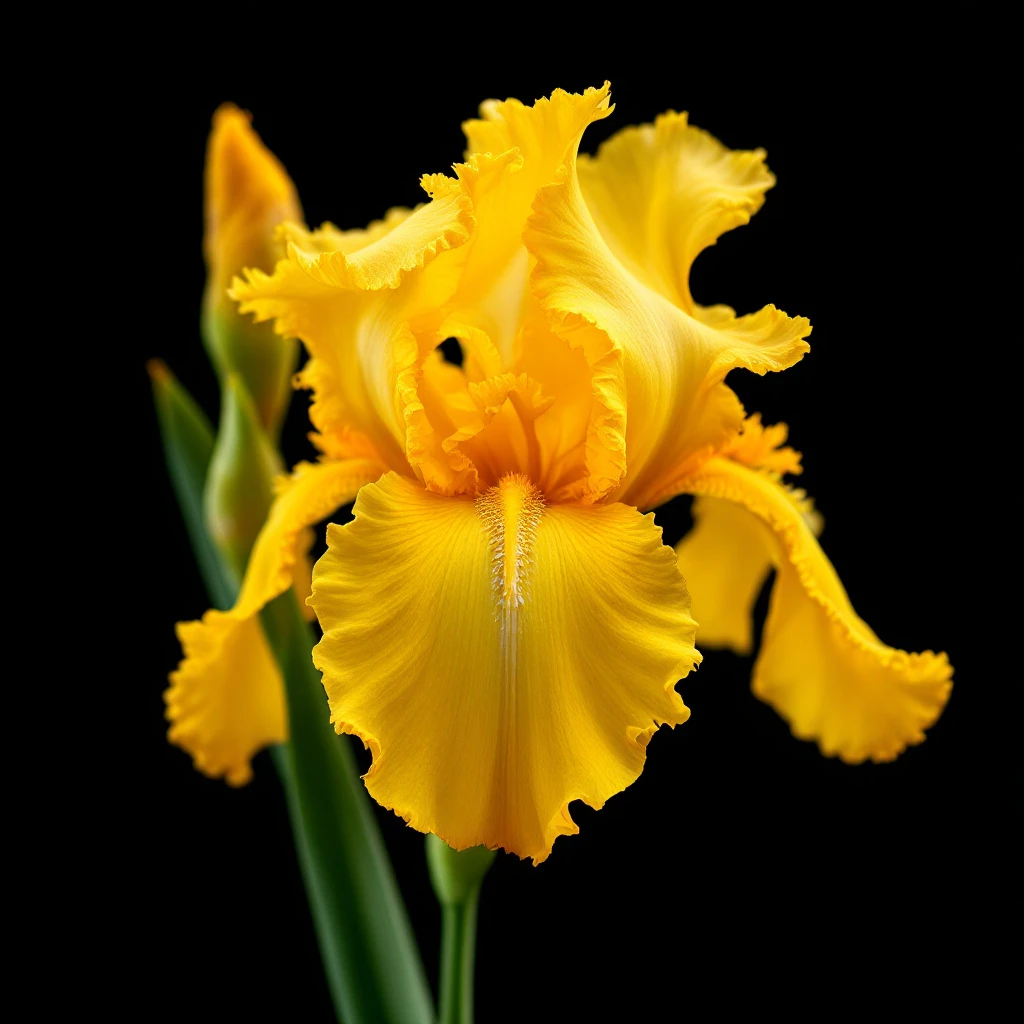
Yellow Iris, or orris, delivers the most coveted powder note in perfumery—cool, violet-tinged, and deeply woody. Its rarity stems from a six-year journey from planting to perfume, with a complex curing process that concentrates irone compounds into something extraordinary.
Character
How it smells
The rarest powder note in perfumery
The rhizome cures underground for up to seven years before distillation—shorter aging produces little to no scent at all.







Origin
Italy
Renaissance Florence gave the world its first orris powder. Catherine de Medici's court in the 16th century developed a taste for iris-scented wigs and cosmetics, and French perfumers soon followed. By the 19th century, iris essence had become a signature note in European fine fragrance, prized for its soft, powdery elegance.
The ingredient's lineage stretches further back—Egyptian perfumers used orris root in ancient formulations, and the Greeks associated iris with their rainbow goddess Irida, lending the flower its name. What began as royal cosmetics has become one of perfumery's most revered raw materials.
Wears it best
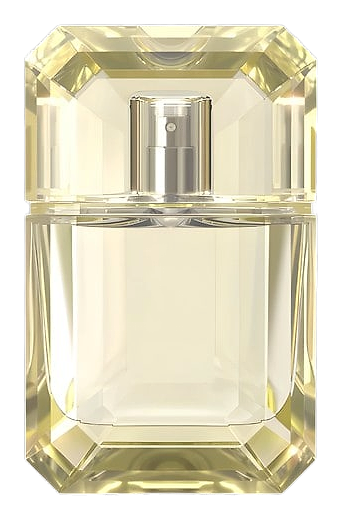
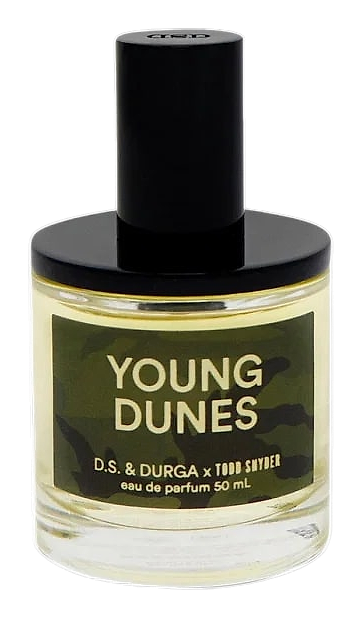
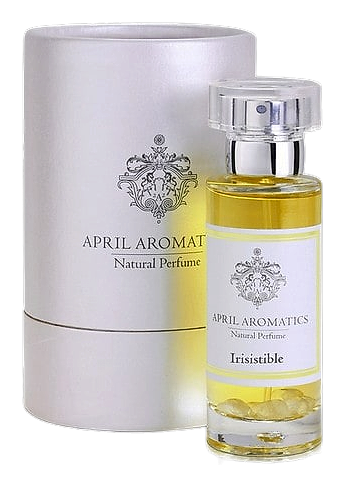
Fragrances featuring Yellow Iris

Brands
Brands known for Yellow Iris
Good to know
Questions, answered
The essentials on Yellow Iris in perfumery: how it smells, where it comes from, and how it behaves on skin.
What is yellow iris in perfumery?
Yellow iris is the common name for orris root, extracted from Iris pallida rhizomes. It provides a distinctive powdery, woody, and violet-tinged note prized in fine perfumery. The ingredient requires six years of cultivation and curing before distillation, making it one of the most time-intensive natural materials available.
Why is orris root so expensive?
Orris commands premium prices because of its exceptionally long production cycle. Six years pass between planting and final extraction, and only rhizomes cured for three or more years develop sufficient irone content. Supply remains tight—global production is measured in mere kilograms annually, while demand from luxury fragrance houses constantly outpaces availability.
What does yellow iris smell like?
Iris smells like clean, cool violet with a woody, slightly earthy base. The powdery character dominates in top placement, while the deeper layers reveal a creamy, almost starchy warmth. Each harvest varies slightly depending on curing conditions and iris variety, giving perfumers a nuanced palette to work with.
How is iris root processed for perfumery?
Producers harvest rhizomes in late summer and immediately wash and peel them. They bury the roots in temperature-controlled cellars for three years of curing, then hang-dry them for four additional years. Only then does steam distillation produce orris butter, a viscous yellow material that commands extraordinary prices per kilogram.
When did perfumers first use iris?
Egyptian perfumers incorporated orris root into cosmetics as early as ancient times. The Renaissance marked its rise in European perfumery—Catherine de Medici's court in 16th-century Florence popularized iris powder for wigs and fragrance, and French houses adopted it widely by the 1800s.
Why is the rhizome used instead of the flower?
The flower itself produces no usable fragrance for perfumery. All scent compounds concentrate in the underground rhizome, which develops irone precursors over years of curing. The below-ground portion acts as a storage organ, slowly transforming starches and compounds into the aromatic molecules that become orris butter.
Are synthetic iris notes used as alternatives?
Synthetic alternatives like irone alpha and irisone exist, and perfumers use them for cost and consistency. However, natural orris butter contains dozens of trace compounds that synthetics cannot fully replicate. The subtle complexity and aromatic depth of aged natural iris remains unmatched in high-end formulations.
Which fragrance families use yellow iris?
Iris appears most prominently in powder, floral, and chypre compositions. Classic powder fragrances rely on it for their signature drydown, while contemporary florals use it to add quiet depth beneath brighter notes. The ingredient also bridges masculine and feminine formulations, appearing in men's fougères and women's aldehydic florals alike.



