Cardinal Larkspur
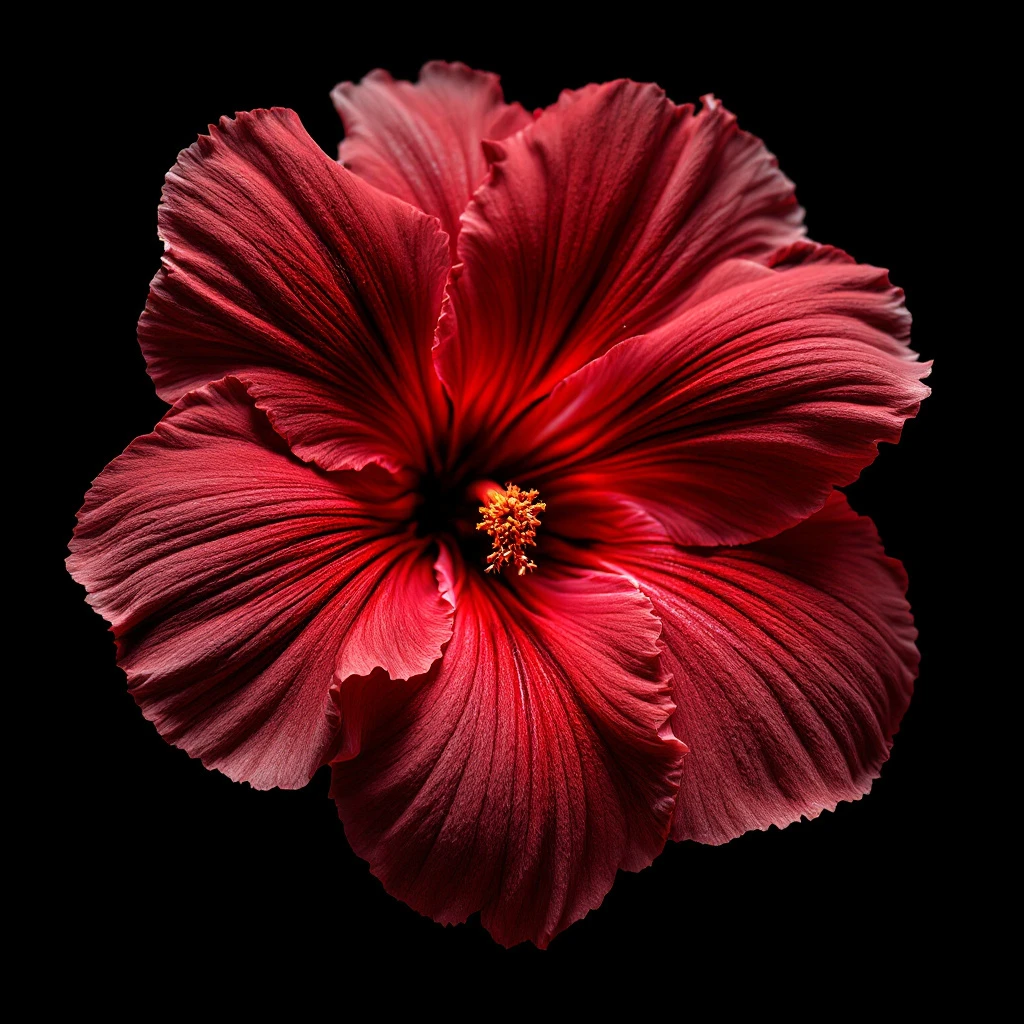
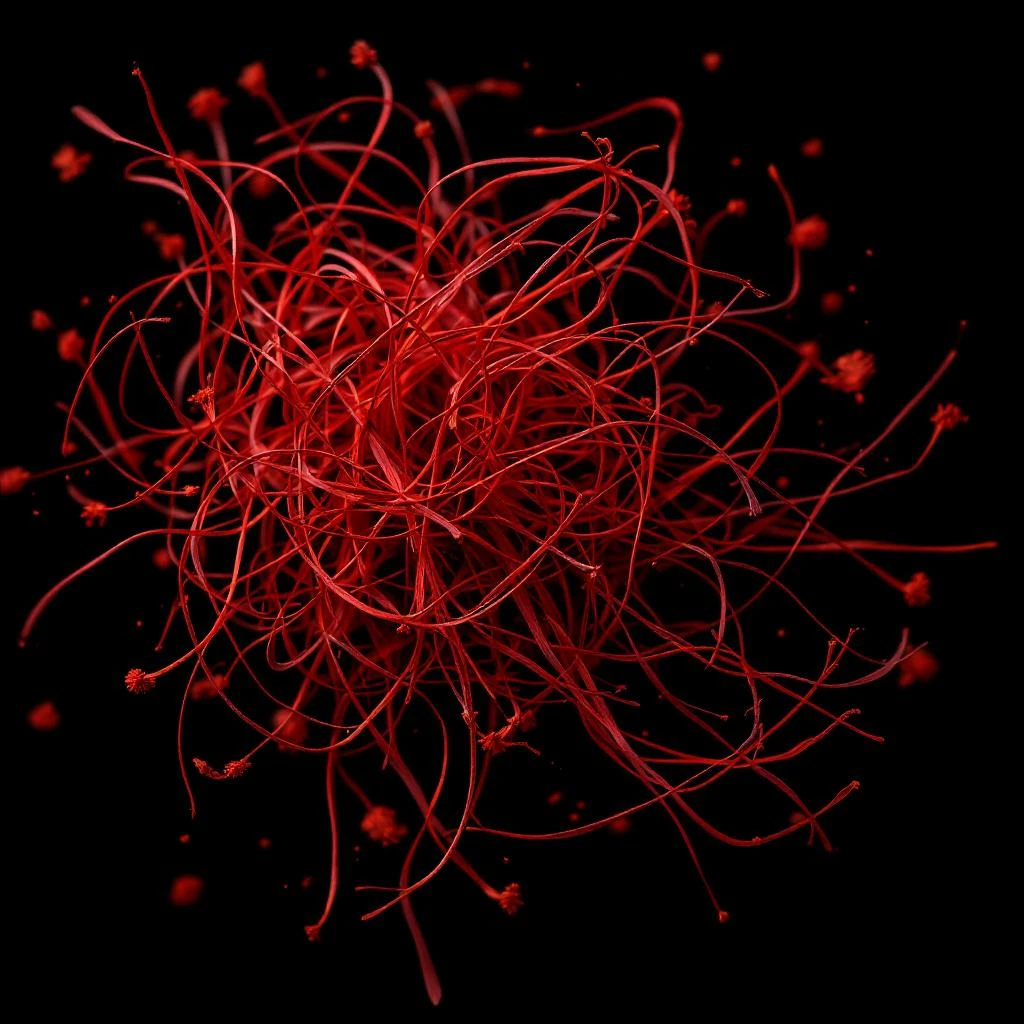
Cardinal Larkspur brings a vivid, scarlet-floral intensity to fragrance design. This synthetic recreation captures the wild elegance of Delphinium cardinale, a striking North American wildflower, delivering a bold yet graceful note prized in modern perfumery.
Character
How it smells
Wildflower brilliance distilled into scent.
Delphinium cardinale grows exclusively in California and was unknown to European perfumers until the 19th century.
Origin
United States
Delphiniums have decorated gardens since at least the Victorian era, when European horticulturists developed the tall, dramatic spires that remain popular today. The language of flowers assigned delphiniums meanings including protection and joy, embedding them in floral culture. Native Americans used certain Delphinium species in traditional practices, making the genus one with deep North American roots.
For centuries, however, the flower's delicate structure prevented it from contributing to perfumery through conventional methods. The advent of analytical chemistry in the 19th century and headspace technology in the 20th century changed this entirely. Perfumers gained access to botanical notes that traditional extraction had rendered inaccessible, including larkspur.
Today, Cardinal Larkspur stands as an example of how scientific tools expand the perfumer's vocabulary.
Wears it best
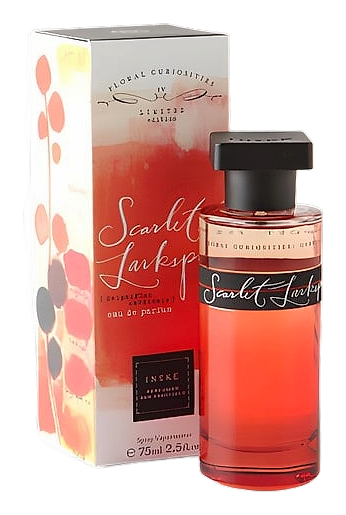
Fragrances featuring Cardinal Larkspur
Brands
Brands known for Cardinal Larkspur
Good to know
Questions, answered
The essentials on Cardinal Larkspur in perfumery: how it smells, where it comes from, and how it behaves on skin.
Is Cardinal Larkspur a natural fragrance ingredient?
No. Natural delphinium yields too little fragrance oil for commercial use. Perfumers synthesize the note using headspace technology, which analyzes and replicates the scent compounds released by living flowers.
What does Cardinal Larkspur smell like?
It reads as a bright, sweet floral with green and powdery undertones. The scent evokes fresh-cut garden blooms with a clean, slightly dewy quality.
When did larkspur notes enter modern perfumery?
Headspace analysis emerged in the late 20th century, enabling perfumers to recreate delicate flower notes including delphinium. This expanded floral palettes in contemporary fragrances significantly.
Which fragrance families use Cardinal Larkspur?
It appears primarily in floral and fresh aquatic compositions. Perfumers pair it with ozonic notes, white musks, and green accords to amplify its garden-fresh character.
What is the history of delphiniums in gardens?
Delphiniums became prized garden plants during the Victorian era. Breeders developed tall, showy hybrids that defined the classic cottage garden aesthetic still popular today.
Where does Delphinium cardinale grow naturally?
This species is native exclusively to California, growing wild in coastal ranges and mountain foothills. It was not known to European botanists until the 19th century.
Are there safety concerns with delphinium in fragrance?
Some wild delphinium species contain alkaloids that can be toxic if ingested. Synthetic recreation used in perfumery avoids these compounds entirely, making it safe for topical application.
How does headspace technology work for flowers?
Researchers enclose living flowers in a sealed chamber, capturing the volatile molecules they release. Gas chromatography then identifies each compound, allowing chemists to synthesize equivalents for fragrance use.





