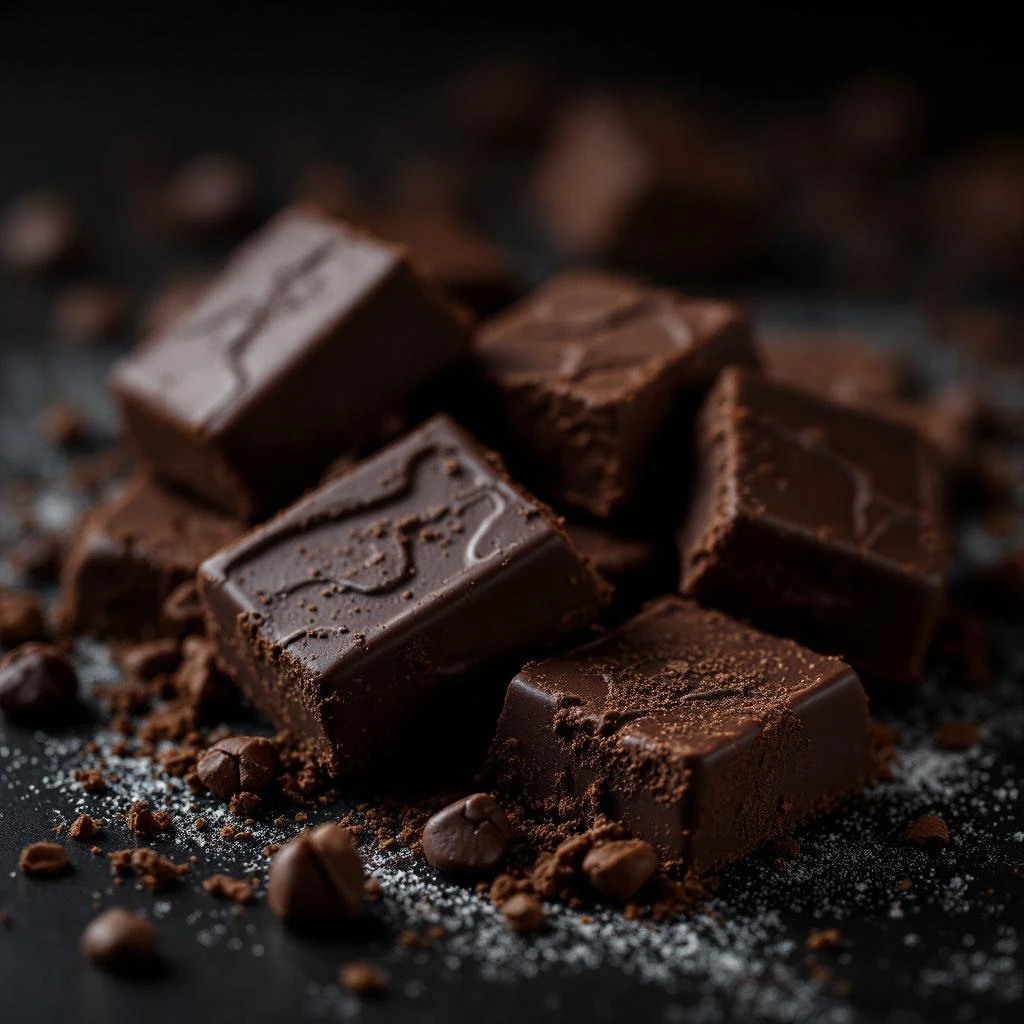
Bordeaux Wine
Bordeaux Wine captures the opulent essence of one of France's most celebrated wine regions, translating centuries of viticultural artistry into a fragrance note. Rich, deep, and luxuriously complex.
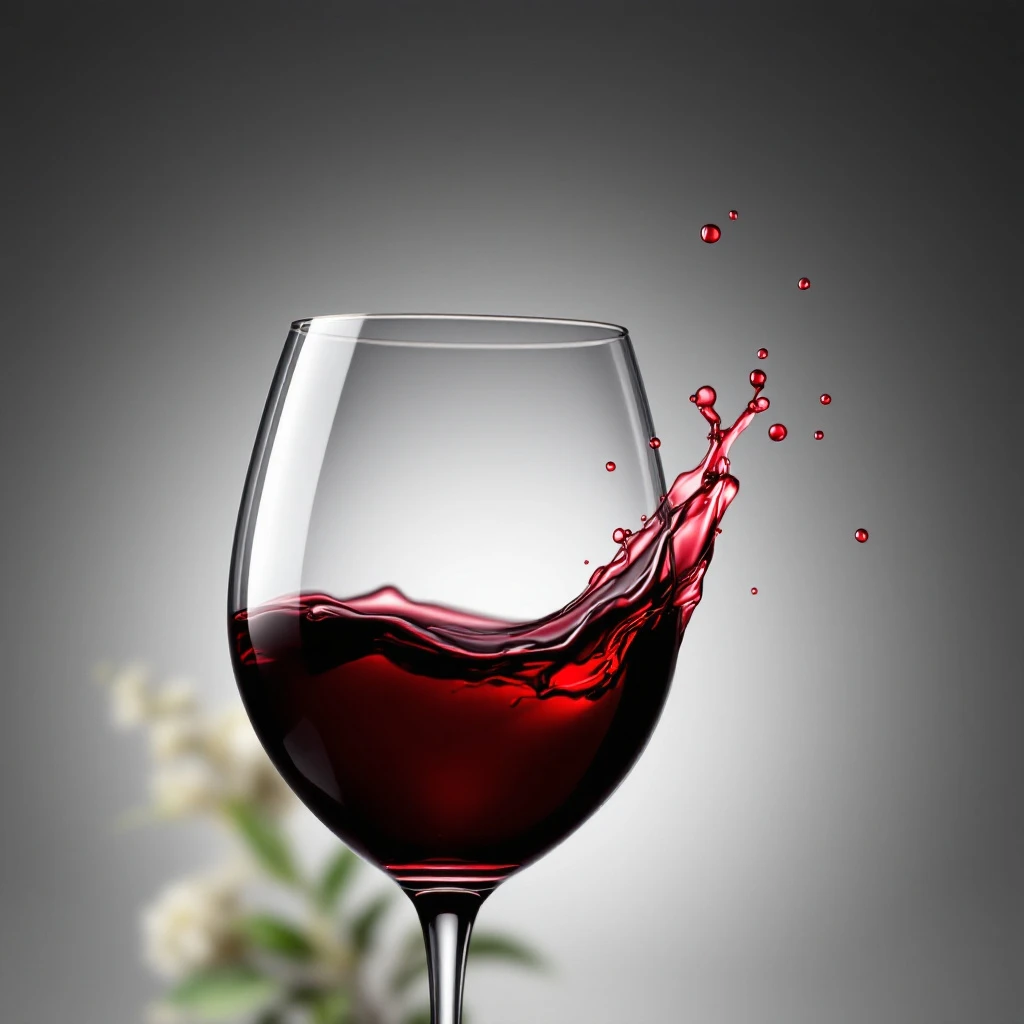
Character
How it smells
The soul of French terroir in liquid form.
Bordeaux vines trace their origins to Spanish imports from Rioja during the Roman era, nearly 2,000 years ago.
Origin
France
Wine production in Bordeaux spans nearly two millennia, beginning when Romans first cultivated vines in the region around the first century. The distinctive terroir of southwestern France, with its cool Atlantic climate and gravelly soils along the Garonne River, produced wines that gained royal favor by the 12th century when Eleanor of Aquitaine married England's Henry II. The region's strict Appellation d'Origine Contrôlée system, established in the 1930s, formalized regional identity and prevented adulteration.
When French perfumers sought to capture wine's romantic prestige in fragrance during the late 20th century, Bordeaux became a natural reference point for that deep, sophisticated wine character. Today, the note honors both the region's winemaking heritage and perfumery's ability to translate liquid artistry into aromatic experience.
Wears it best
Fragrances featuring Bordeaux Wine
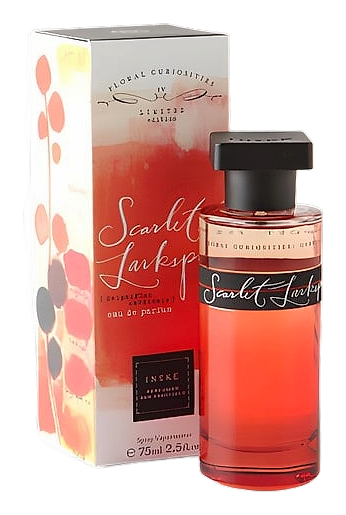
Brands
Brands known for Bordeaux Wine
Good to know
Questions, answered
The essentials on Bordeaux Wine in perfumery: how it smells, where it comes from, and how it behaves on skin.
Is actual Bordeaux wine used in perfume?
No, perfumers create the Bordeaux Wine note synthetically. They analyze the aromatic compounds in aged wine and reconstruct the scent profile using lab-created aroma chemicals that capture the same fruity, oaky, and leathery characteristics.
What does Bordeaux Wine smell like in fragrance?
The note typically presents as rich and velvety, combining dark fruit impressions like plum and blackcurrant with warm oak, subtle leather, and a smooth, alcoholic warmth reminiscent of a fine vintage.
How old is Bordeaux wine production?
Wine production in Bordeaux dates back nearly 2,000 years to the Roman era, making it one of France's oldest wine-producing regions.
What gives Bordeaux wine its distinctive aroma?
The region's unique terroir, including gravelly soils, a cool Atlantic climate, and the confluence of the Garonne and Dordogne rivers, produces wines with specific aromatic characteristics that perfumers work to recreate.
When did wine notes appear in perfumery?
Wine and grape notes became prominent in fine fragrance during the late 20th century as synthetic chemistry advanced, allowing perfumers to accurately capture wine's complex aromatic profile.
What synthetic compounds recreate Bordeaux wine in perfume?
Perfumers use compounds like damascenone for fruity complexity, oak lactone for woody character, various phenols for wine-like warmth, and esters to capture the fermented grape character.
Is the Bordeaux Wine note natural or synthetic?
The note is entirely synthetic, created by blending specific aroma chemicals. This approach ensures consistency and allows perfumers to capture wine's essence without the perishability of actual wine.
What fragrance families commonly use Bordeaux Wine notes?
The note appears most often in oriental and woody fragrances, where its rich, warm depth complements amber, sandalwood, and vanilla base elements.